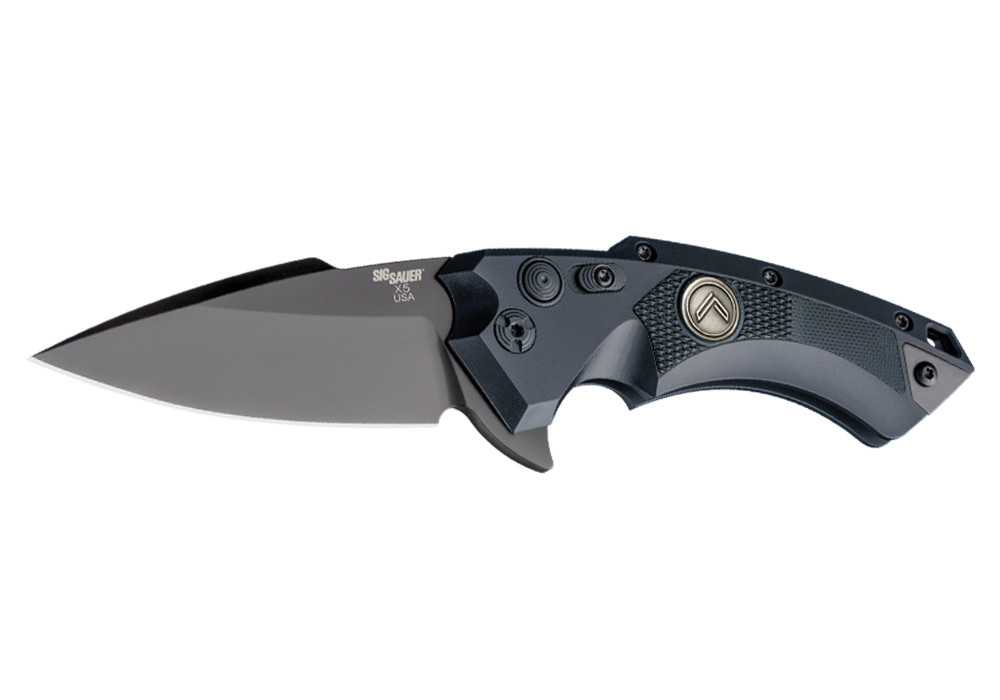
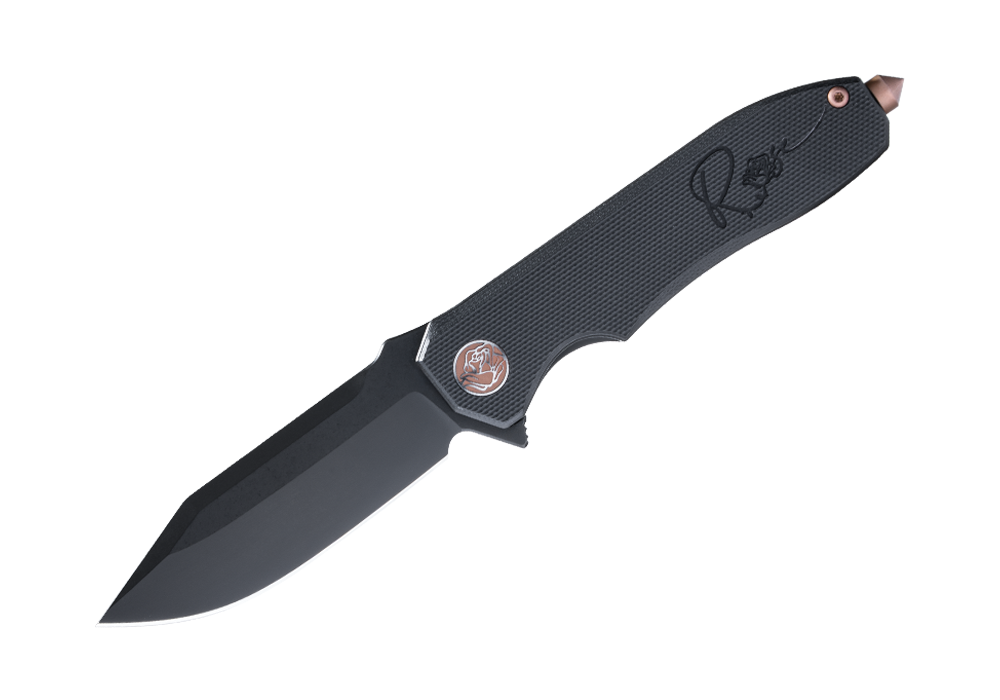
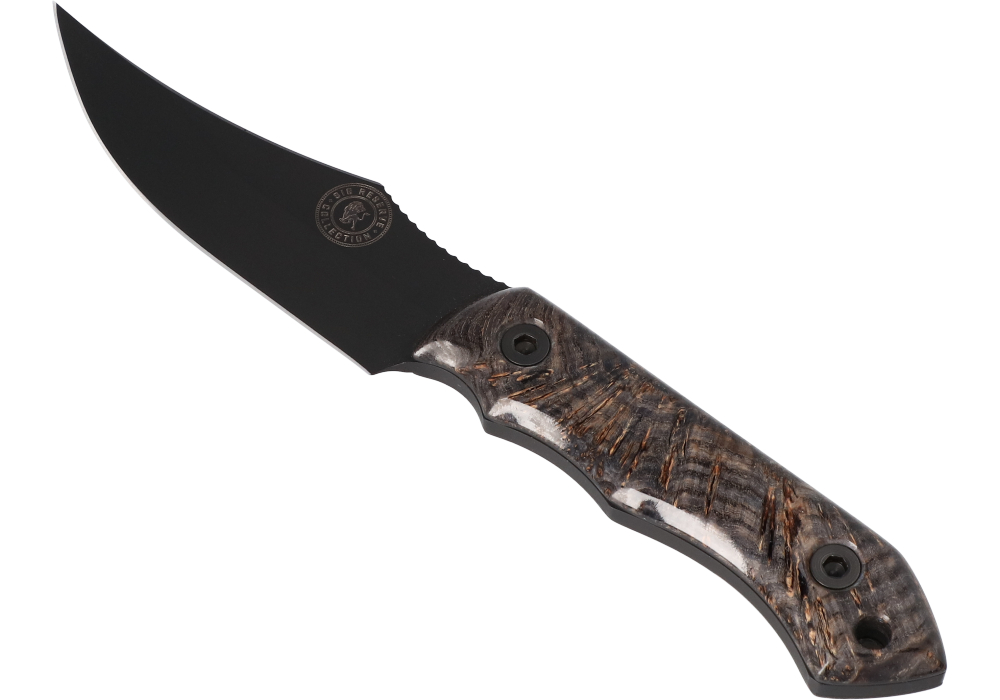
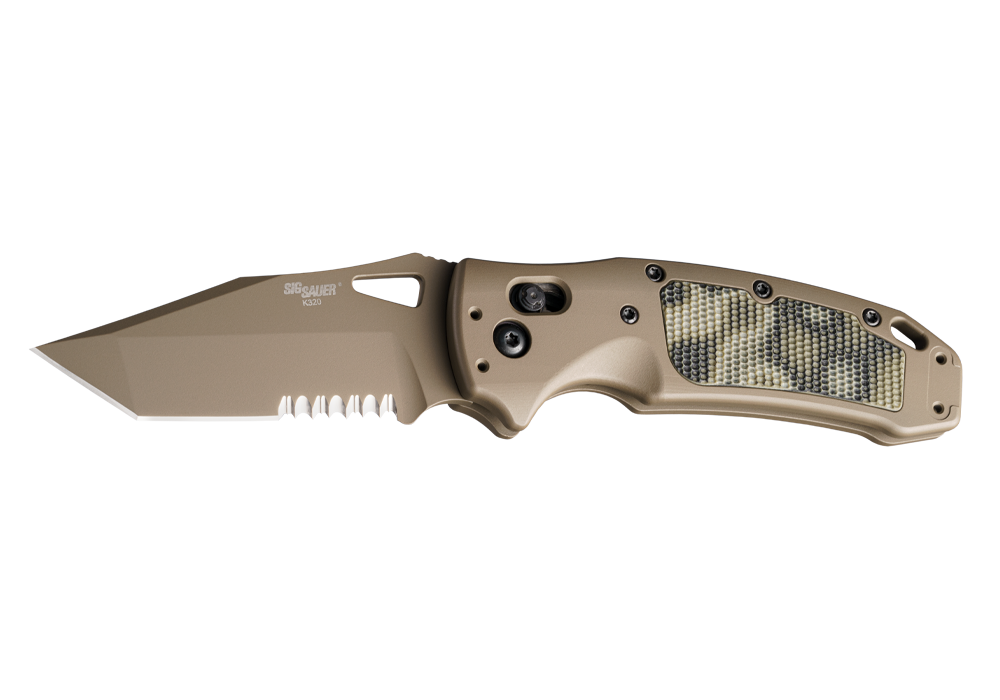
Knives for hiking are practical tools for the small, unexpected jobs that come with time outdoors. A compact knife can trim cord, open food packaging, cut tape, remove a stubborn thread, prepare kindling for a permitted campfire, or handle simple repairs to a pack or shelter. For many hikers, the ideal trail knife is lightweight enough to disappear in a pocket or pack but substantial enough to provide a secure, controlled grip. Day hikers and backpackers often favor a folding knife because it takes up little room and protects the blade when stored, while campers, hunters, and those traveling farther from established trails may prefer a fixed blade for its strength and straightforward operation. A locking folding knife or fixed-blade knife is generally a better choice for outdoor utility than a non-locking slip-joint design, since a secure blade helps reduce the chance of accidental closure during use. Always keep the blade pointed away from your body, use deliberate pressure rather than forceful twisting, and close or sheath the knife before placing it back in a pocket or pack. Local laws can regulate blade length, locking mechanisms, concealed carry, or possession in certain parks and public spaces, so review applicable rules before heading out. A knife may also make a thoughtful gift for a new hiker, scout, camper, trail volunteer, or outdoor-minded friend. Paired with a first-aid kit, map, headlamp, or Hiking Hats, it becomes part of a useful kit for cool mornings, changing weather, and long days on the trail.
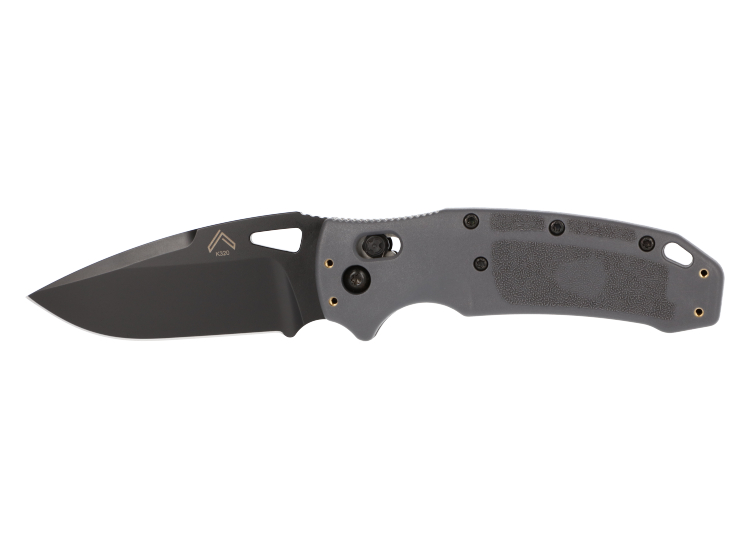
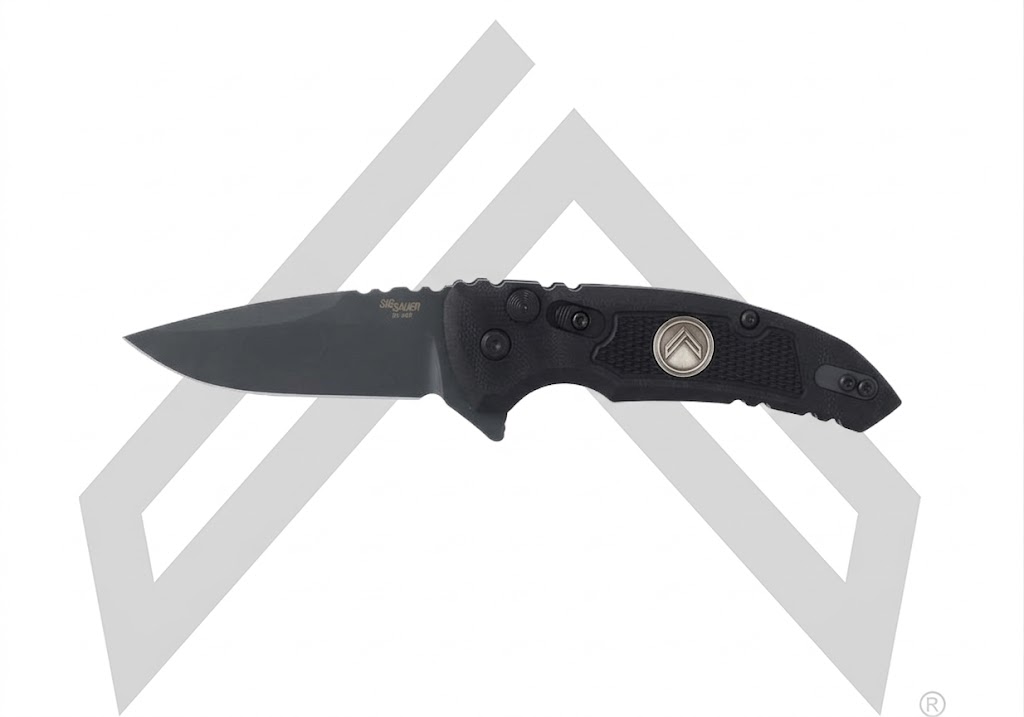
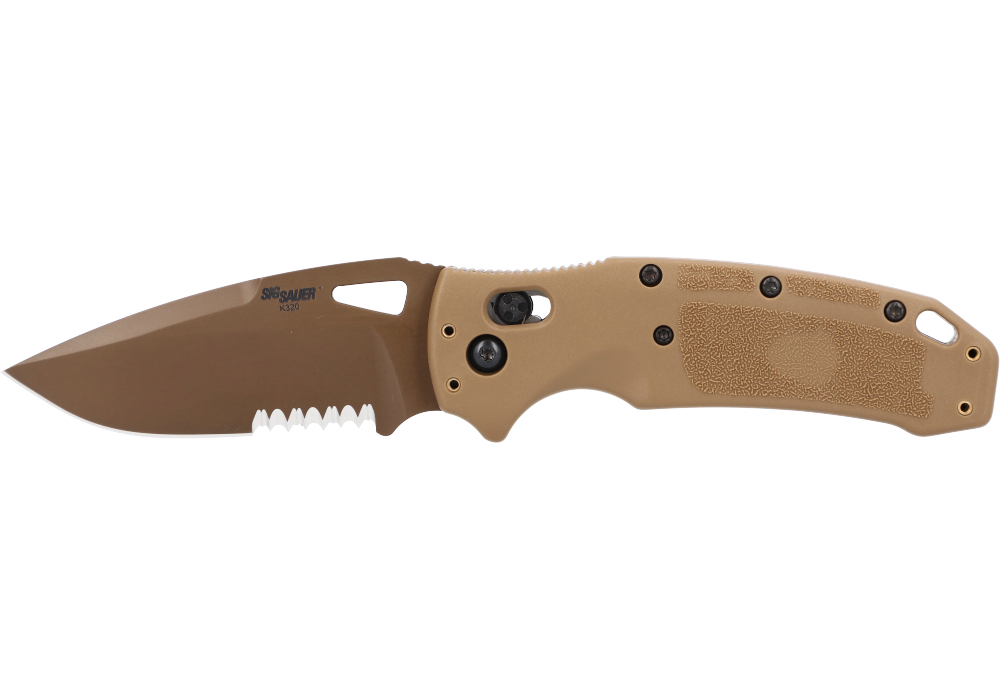
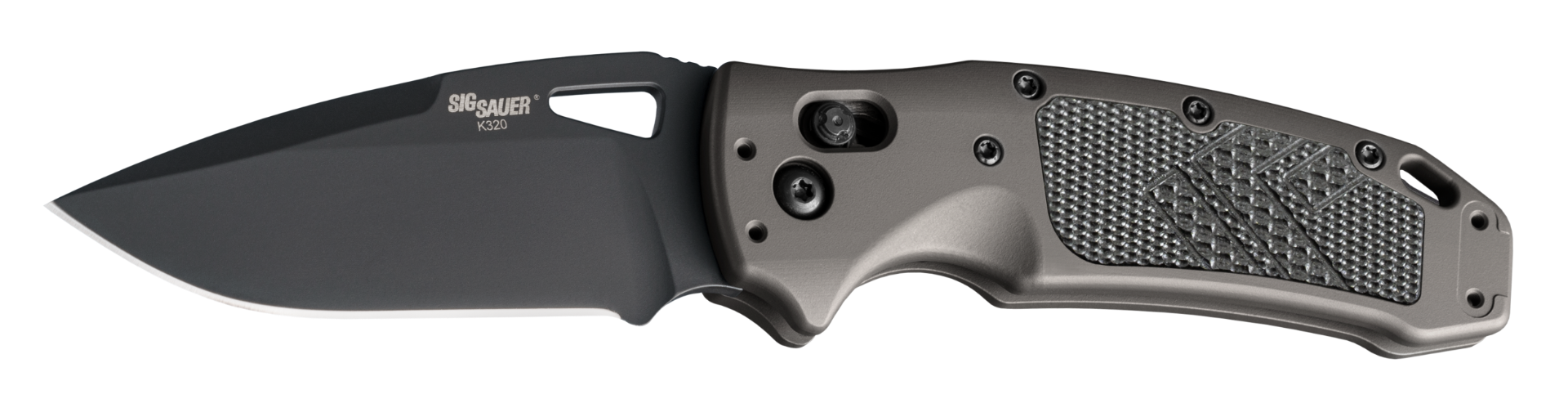
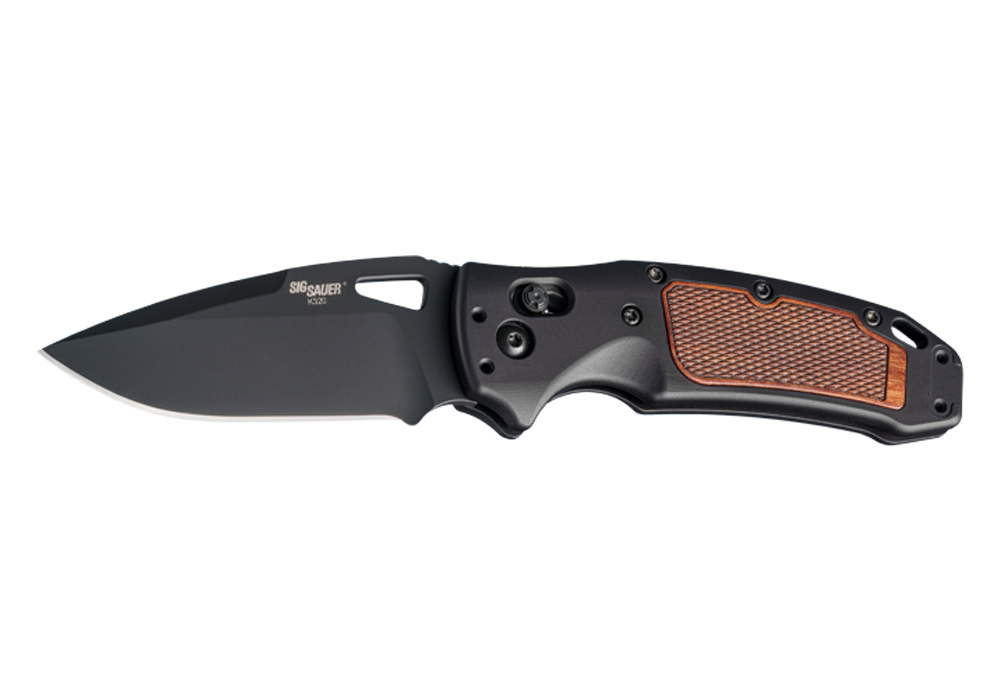
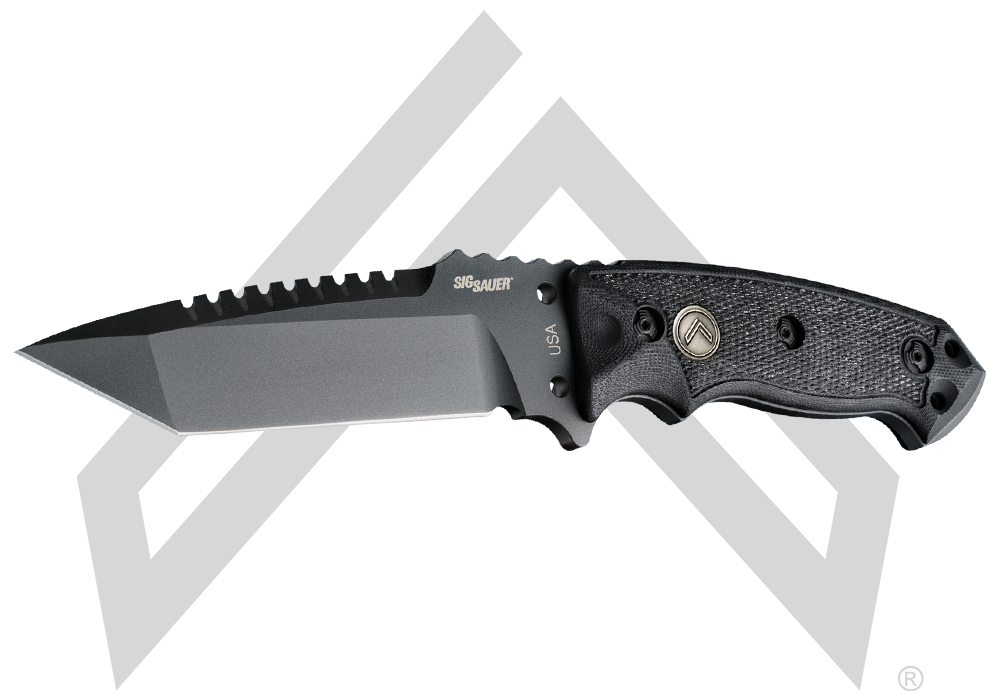
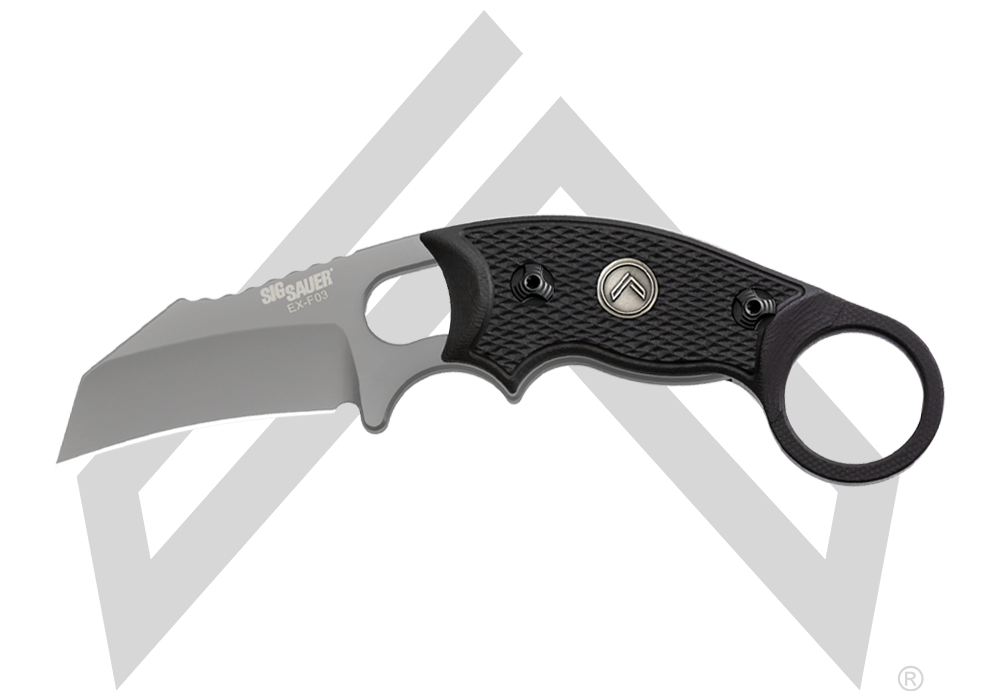
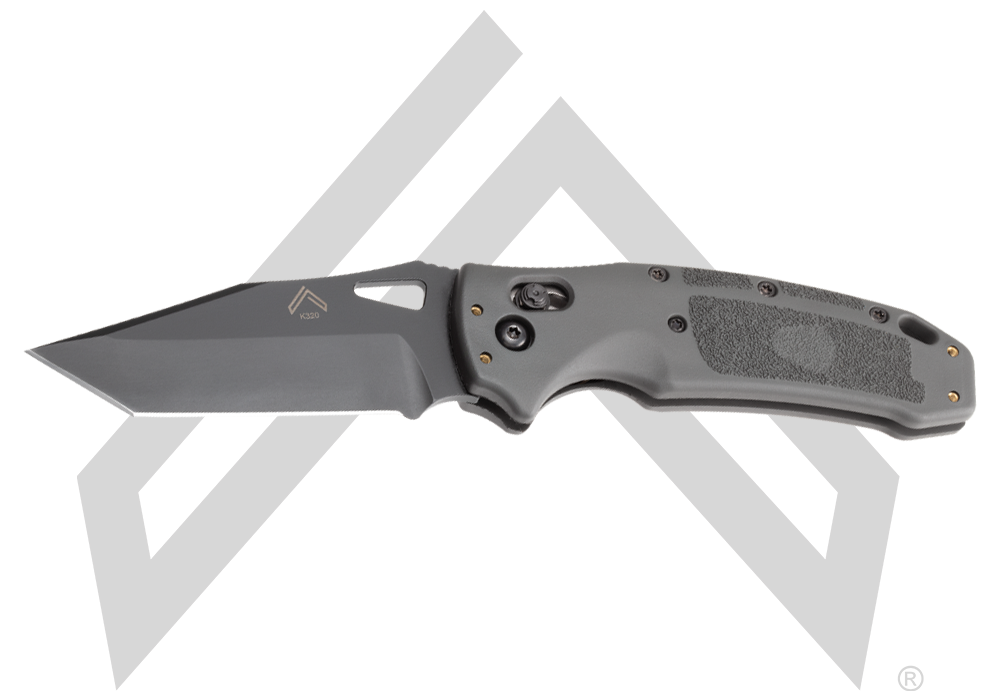
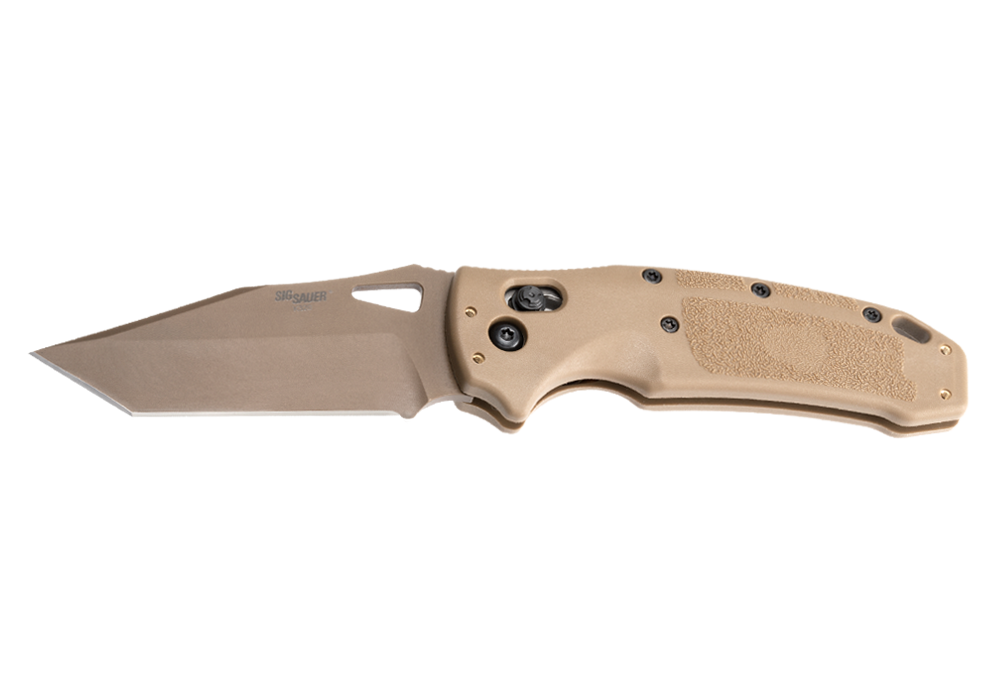
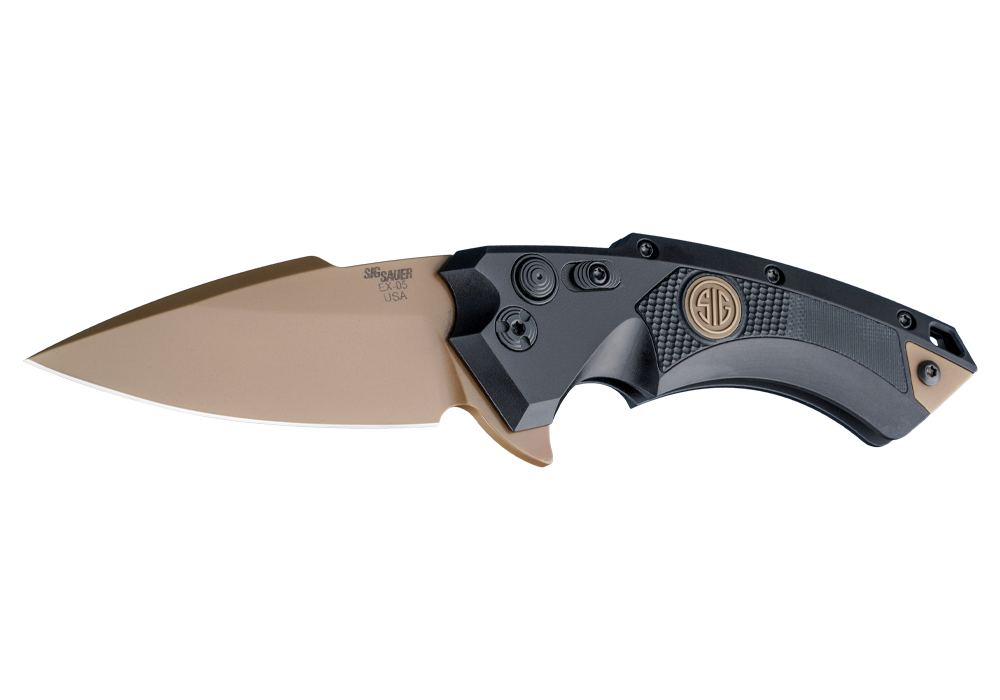
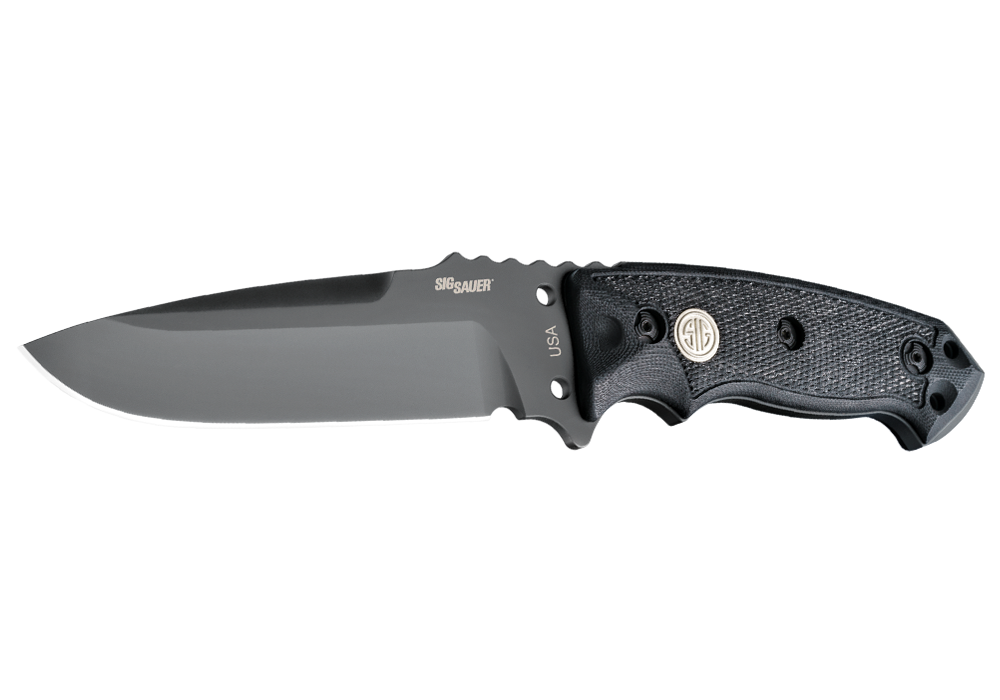
Blade shape is one of the most noticeable differences when comparing knives for hiking. A drop-point blade offers a strong, gently curved edge and a lowered point that works well for general slicing, trimming, food preparation, and camp chores. A spear-point profile can provide a balanced point and useful edge geometry, while other shapes may be suited to more specialized cutting tasks. For a general-purpose trail knife, look for a blade that matches the work you realistically expect to perform rather than choosing the most aggressive or elaborate design. Stainless steel is popular for hiking because it resists corrosion from rain, damp packs, sweat, and changing temperatures, although every blade benefits from basic care. Wipe away moisture and dirt after use, dry the knife before storage, and apply the manufacturer’s recommended lubricant to moving parts when needed. A plain edge is often simple to sharpen and versatile for everyday trail chores; a partially serrated edge can be useful for cutting fibrous material, webbing, or rope, though sharpening it may require a compatible tool. Handle texture matters as much as blade steel. A secure, comfortable grip is especially valuable when hands are cold, wet, or tired, and a visible lanyard hole can make the knife easier to retrieve from a pocket or pack. Weight deserves equal attention. For general day hiking and backpacking, many people prefer a knife under about three ounces, particularly when every item in a lightweight kit has to justify its place. Heavier options may be appropriate for demanding camp work or extended backcountry travel, but added weight should serve a clear purpose. Consider the packed size, pocket clip, sheath, opening method, and whether the knife can be operated safely with one hand without sacrificing control.
The best hiking knife is the one that fits the trip, the user, and the tasks at hand. A casual walker on maintained paths may need only a small folding knife for packaging, loose gear, and minor repairs, while a backpacker may prioritize low weight, corrosion resistance, and a dependable locking mechanism. Someone building a wilderness kit may value a fixed blade with a protective sheath, a comfortable handle, and enough strength for careful camp utility, but a knife should not be treated as a substitute for an axe, saw, first-aid supplies, navigation tools, or proper fire equipment. Avoid using a hiking knife to pry, chop, baton, or cut materials beyond its intended purpose, since misuse can damage the blade or cause injury. Keep it accessible but secured, particularly when sharing a campsite or packing with children, and store it closed or sheathed when traveling. During the cooler months, gloves can reduce dexterity, so practice safe handling before a trip and choose a grip that remains easy to control with colder hands. A small sharpening stone or field sharpener can help maintain an edge, but sharpen away from your body and follow the knife’s care instructions. Whether selected as a dependable addition to a personal hiking kit or given as an outdoor gift, a well-chosen knife can earn its place through quiet usefulness: slicing cord at a windy overlook, opening a meal beside a trail shelter, or making a quick gear repair before the temperature drops. Look for a design that balances portability, safety, durability, and comfort, then carry it responsibly and maintain it so it is ready whenever the trail calls.