Prepper supplies are products that support everyday readiness when familiar routines are interrupted, helping households meet essential needs during power outages, utility interruptions, evacuation, or an unexpected stretch away from home. The category commonly includes emergency food and water storage, water treatment, first-aid supplies, portable lighting, communication equipment, sanitation essentials, and practical tools. Each serves a different purpose, but the strongest connection between them is usability: equipment should suit the people relying on it and the space where it will be kept. A compact setup for an apartment has different storage requirements from supplies organized for a household with children, older adults, or pets. Someone who travels frequently may value portable essentials that move easily between a closet and a vehicle, while a household preparing for utility interruptions may prioritize accessible storage and familiar controls. Long shelf life, clear labeling, understandable operating instructions, and manageable package weight all contribute to practical preparedness. For consumable supplies, packaging integrity and expiration dates matter just as much as the amount set aside. Food selections should account for dietary restrictions, preparation requirements, and whether clean water or a separate cooking source is necessary. Water storage and treatment serve related but distinct roles; a container holds water, while a treatment method addresses particular contaminants according to its documented specifications. Neither should be assumed to replace the other. Lighting and communication equipment bring their own considerations, including runtime, battery type, charging requirements, and the ability to function without household electricity or cellular service. These details help distinguish useful emergency supplies from equipment that adds bulk without meeting a clear need. Good organization also keeps routine household essentials from becoming difficult to locate when the lights go out. A clearly labeled container within reach of an adult can be more practical than a larger assortment buried behind luggage. Prepper supplies are most useful when their purpose is clear, their condition is known, and the intended users can handle them comfortably.
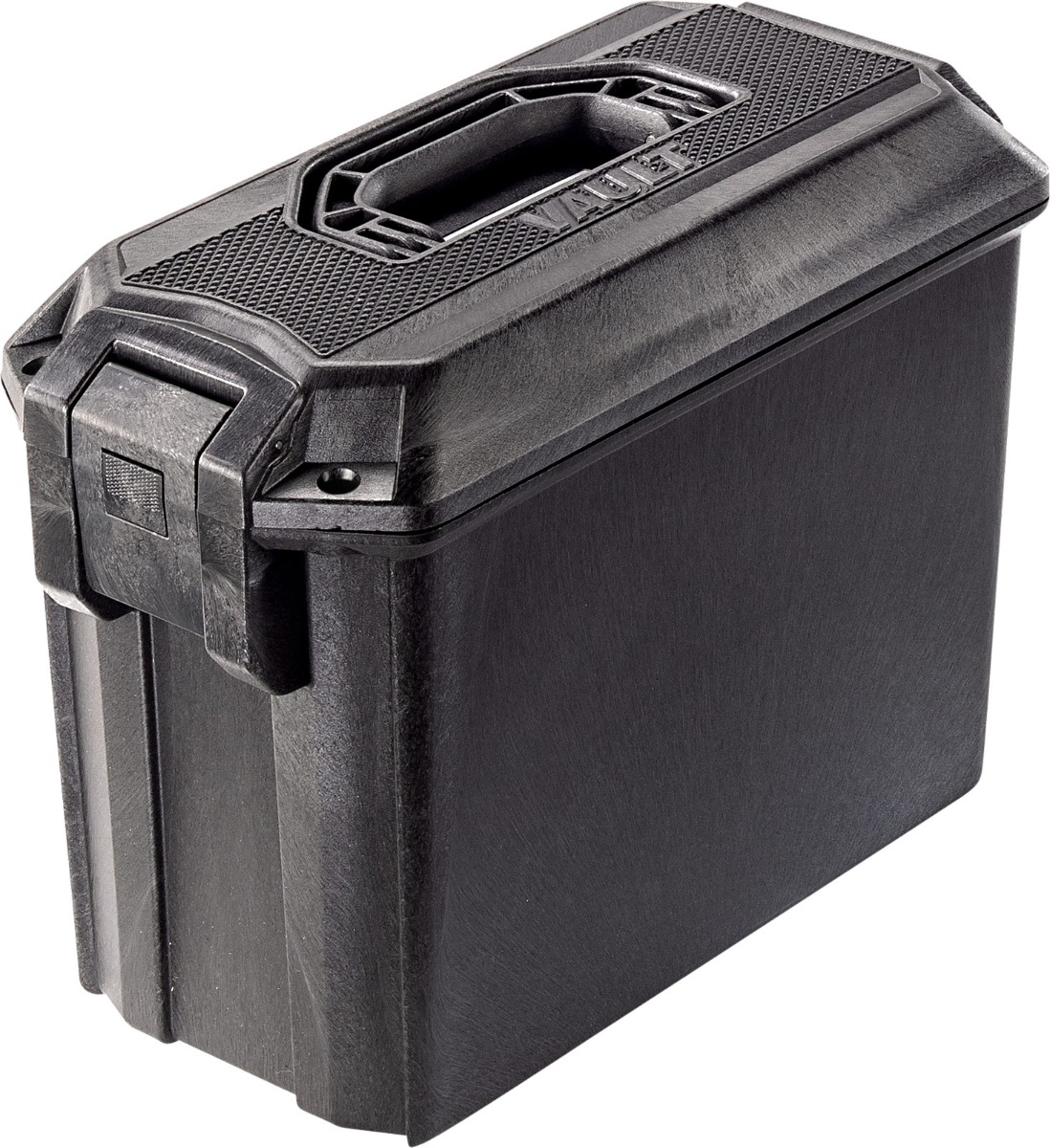
Materials, fit, and construction influence how preparedness equipment holds up through storage, transport, and repeated handling. Woven fabrics vary in abrasion resistance, while reinforced seams, secure closures, and sturdy attachment points help bags and organizers withstand regular use. Rigid containers can protect their contents from crushing, although their weight and dimensions may limit where they fit. A water-resistant exterior offers a different level of protection from a sealed enclosure with a documented ingress rating, so those descriptions deserve close attention when sensitive contents are involved. Metal components, protective finishes, and durable polymers each have advantages, but material names alone do not establish overall quality. The interaction between parts often matters more: a latch should close cleanly, a handle should feel secure under the intended load, and a zipper should move without catching its lining. Fit extends beyond clothing or wearable equipment. It also includes whether a storage case clears a shelf, whether an organizer fits inside an existing bag, and whether controls remain easy to identify in limited light. For carried supplies, adjustable straps and balanced weight distribution can improve comfort, especially when different adults may need to carry the same bag. Smaller compartments help separate frequently used essentials from reserve supplies, but excessive subdivision can make contents harder to find. Care requirements are another part of long-term value. Washable surfaces, accessible battery compartments, and straightforward inspection points simplify upkeep. Manufacturer instructions establish appropriate cleaning methods, storage conditions, and replacement intervals; harsh cleaners or unsuitable lubricants can damage materials even when the exterior still looks sound. Moisture, leaking batteries, worn seals, and damaged packaging can compromise equipment left untouched for long periods. A dependable collection therefore benefits from periodic checks rather than indefinite storage. Supplies intended for first aid also need clean, intact packaging and suitability for the user's level of training. Equipment should support familiar tasks, not create a new learning curve at the moment it becomes necessary. Thoughtful construction and manageable maintenance make preparedness gear easier to keep in service.
Intended use gives a collection of prepper supplies its direction. Household readiness, vehicle preparedness, outdoor recreation, and practice equipment overlap in some respects, but they are not interchangeable. A household collection may emphasize sanitation, lighting, and access to essential information, while a portable setup places greater importance on weight, secure packing, and ease of movement. Outdoor users often appreciate equipment that performs a familiar task without a complicated setup, and caregivers may need labels or organization that make sense to several people sharing responsibility. Gifts in this category are most appropriate when they match the recipient's actual needs, experience, and storage space. Practical, easy-to-maintain equipment can be a thoughtful choice for someone establishing a household or organizing a travel kit; specialized equipment is better suited to a recipient who understands its requirements. For shoppers whose preparedness interests also include recreational airgun practice, Airgun Magazines For Prepping Supplies represents a separate accessory category where compatibility is essential. Airgun magazines must match the designated platform and ammunition type; similar appearance does not establish a proper fit. Their role is supporting appropriate practice equipment, not replacing core emergency essentials such as drinking water, food, sanitation, and first aid. Airguns require responsible handling, suitable eye protection, a secure target area, and storage that prevents unauthorized access. Applicable laws and manufacturer instructions remain important for ownership, transport, and use. Across the broader preparedness category, compatibility deserves the same attention, whether it involves batteries, charging connections, replacement components, or storage dimensions. Standardizing compatible consumables where practical can reduce the number of separate parts a household needs to track. Clear ownership of maintenance tasks helps as well: supplies are easier to trust when someone knows which packages need replacement and which devices have been checked. A well-considered assortment does not need to be elaborate. It needs to cover genuine priorities, remain accessible to the appropriate users, and work within the household's established routines. That balance of purpose, durability, and familiarity gives prepper supplies lasting value beyond the moment they are first put away.