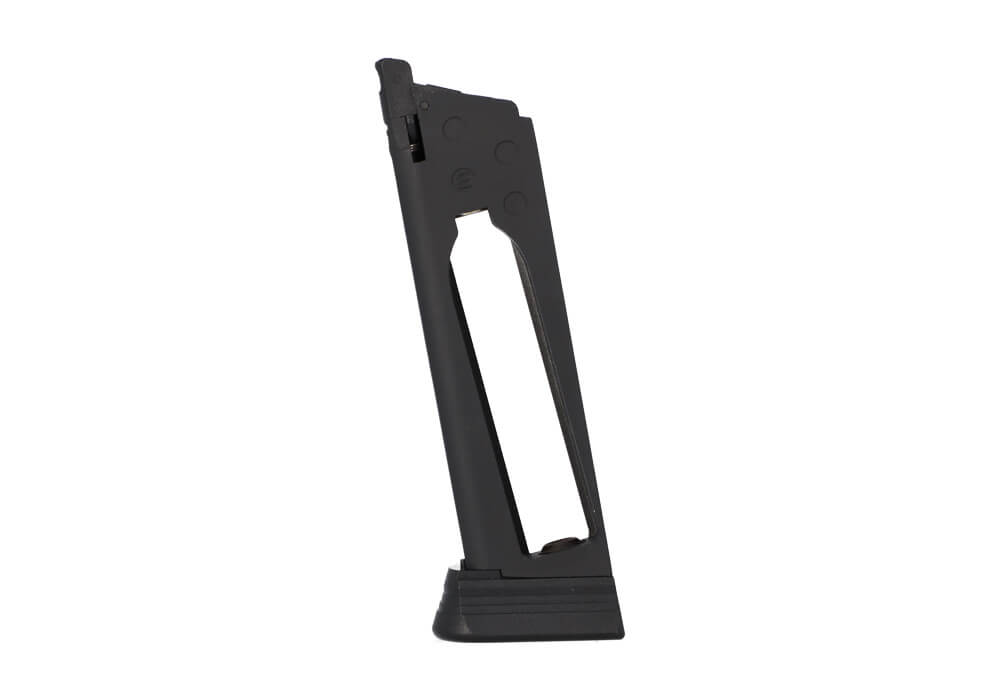
Airgun magazines are a practical addition to a well-rounded prepping supply plan, particularly for people who keep an air rifle or air pistol for training, small-game practice where lawful, backyard target work, or general preparedness. An extra magazine helps keep pellets or BBs organized and ready to load instead of scattered through a pouch, coat pocket, or workbench drawer. During a long practice session, the benefit is simple: one magazine can be in use while another is being loaded, inspected, or kept protected in a case. For a preparedness setup, that small convenience can make equipment easier to manage when conditions are less than ideal. Spare airgun magazines can also be useful for farm and acreage owners, recreational shooters, instructors, and families who want dependable accessories on hand for shared equipment. They make thoughtful gifts for an airgun enthusiast when the recipient’s exact platform and caliber are known, although compatibility should always be confirmed before purchasing. A magazine is not a universal accessory; its shape, indexing system, pellet orientation, retention method, and loading interface are designed around a specific airgun. Check the owner’s manual and the markings on the original magazine, paying close attention to caliber, action type, and model designation. Even airguns with a similar appearance may require different magazine dimensions or feeding systems. For anyone building a reserve of prepping supplies, matching several spare magazines to the airgun already in use is usually more useful than collecting assorted accessories that may not fit. Keeping the magazines together with the airgun’s documentation, appropriate pellets or BBs, and a small maintenance kit creates a straightforward system that is easier to inventory before a range trip or during a seasonal equipment check.
Material and construction deserve close attention when selecting airgun magazines for preparedness. A durable polymer magazine can offer light weight and resistance to ordinary handling, while a machined metal design may provide a more solid feel and additional rigidity. The best choice depends on the airgun, the way it is carried, and the environment in which it will be used. Look for clean molding or machining, smooth edges, a secure cover or retaining feature, and a mechanism that rotates, indexes, or presents each projectile consistently. A positive-lock system can help prevent the magazine from opening as it moves through a range bag or field pouch, while properly fitted seals and O-rings can help hold pellets in position and reduce unwanted movement. Avoid treating a spare magazine as a loose consumable. Keep it in a compartment where it will not be crushed beneath heavier equipment, and use a small pouch or protective case when carrying several. During the warmer part of the year, a shaded storage area helps limit unnecessary exposure to heat; through cooler months, protecting magazines from condensation and damp storage is equally important. Before placing a magazine into long-term rotation, examine the spring, retaining surfaces, seals, and feed path. Load it according to the manufacturer’s instructions rather than forcing pellets into place, and test it with the airgun in a controlled setting. A few minutes of inspection can reveal a weak spring, damaged seal, stiff indexing wheel, or pellet fit issue before it becomes a frustrating interruption. Many experienced shooters keep a proven magazine reserved for serious practice and use another for routine handling, which helps extend service life and makes it easier to identify whether a feeding problem comes from the magazine or the airgun. For additional options organized around a different shooting purpose, browse Airgun Magazines For Precision Shooting while still confirming that any selection matches the exact equipment in your collection.
Long-term readiness is built through simple habits rather than complicated storage plans. Labeling each magazine with its caliber and compatible airgun can prevent mix-ups when several people share a storage cabinet, and keeping a written count makes it easier to replace a misplaced or worn accessory. Store magazines unloaded unless the manufacturer specifically provides different guidance, and avoid leaving pellets or BBs under spring tension for extended periods when that could affect feeding performance. A dry, clean container with modest protection from dust, moisture, and temperature swings is generally preferable to an open shelf near solvents, lubricants, or direct sunlight. It is also wise to keep a small supply of replacement seals, springs, and other manufacturer-approved maintenance parts with the rest of the airgun accessories, especially when the equipment is intended for use over many seasons. These components are compact, inexpensive compared with replacing an entire setup, and helpful when an aging magazine begins to show fatigue after repeated loading cycles. Periodic function checks during broader household or range-gear inspections can be as simple as examining the magazine, loading the recommended number of projectiles, and confirming smooth operation according to the owner’s manual. Do not mix calibers, use damaged projectiles, or rely on a magazine that has cracked, warped, or lost its ability to retain ammunition securely. Preparedness also includes responsible handling: airguns should be stored unloaded and secured from unauthorized access, and shooting should take place only where permitted with an appropriate backstop and eye protection. As the weather warms and outdoor practice becomes more convenient, spare magazines can keep training organized; during the cooler months, they remain useful as protected replacement accessories ready for the next range session. Whether purchased to support a personal emergency kit, maintain a recreational airgun, or give an enthusiast a practical accessory, correctly matched airgun magazines provide a compact, orderly way to keep essential equipment ready for use.