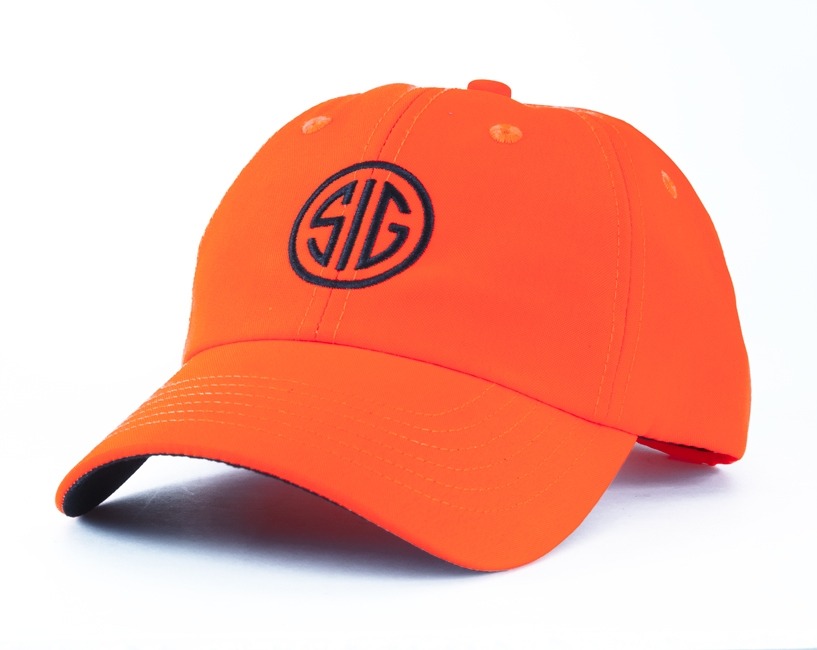
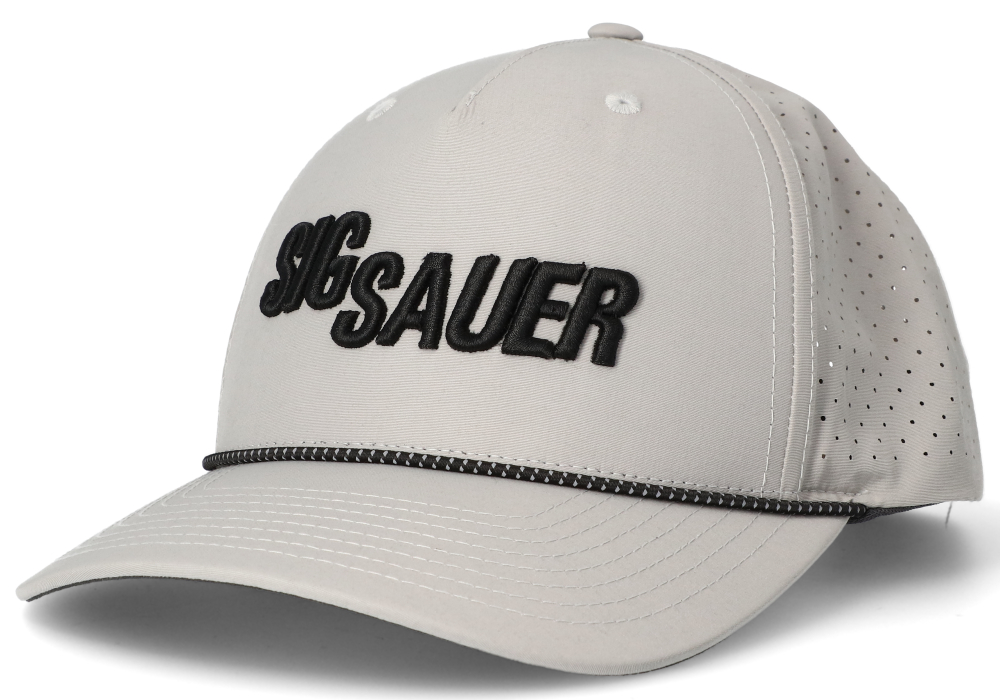
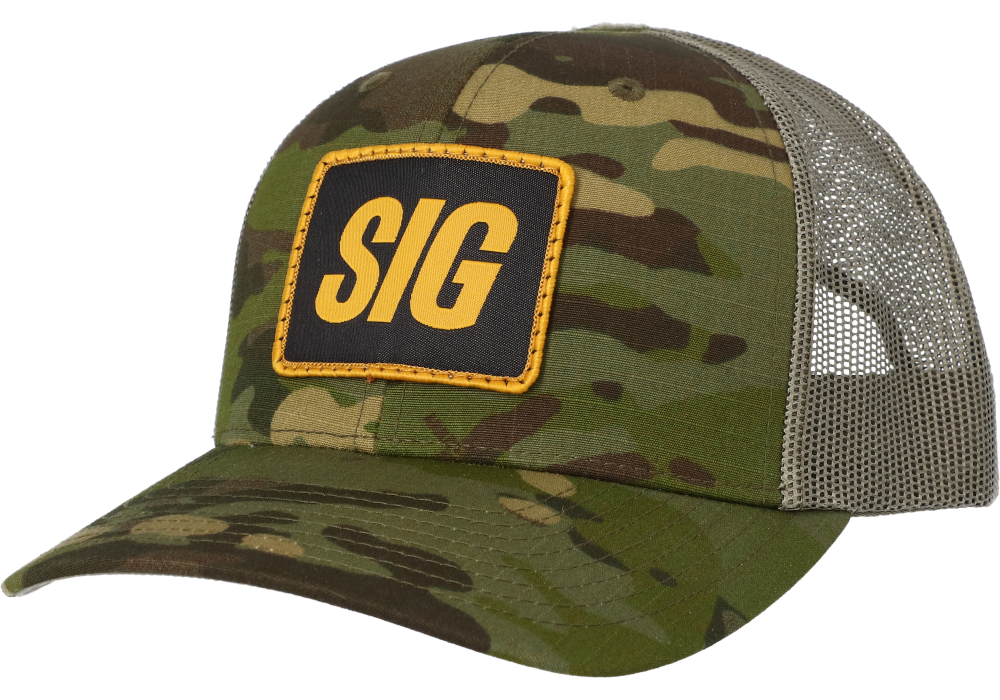
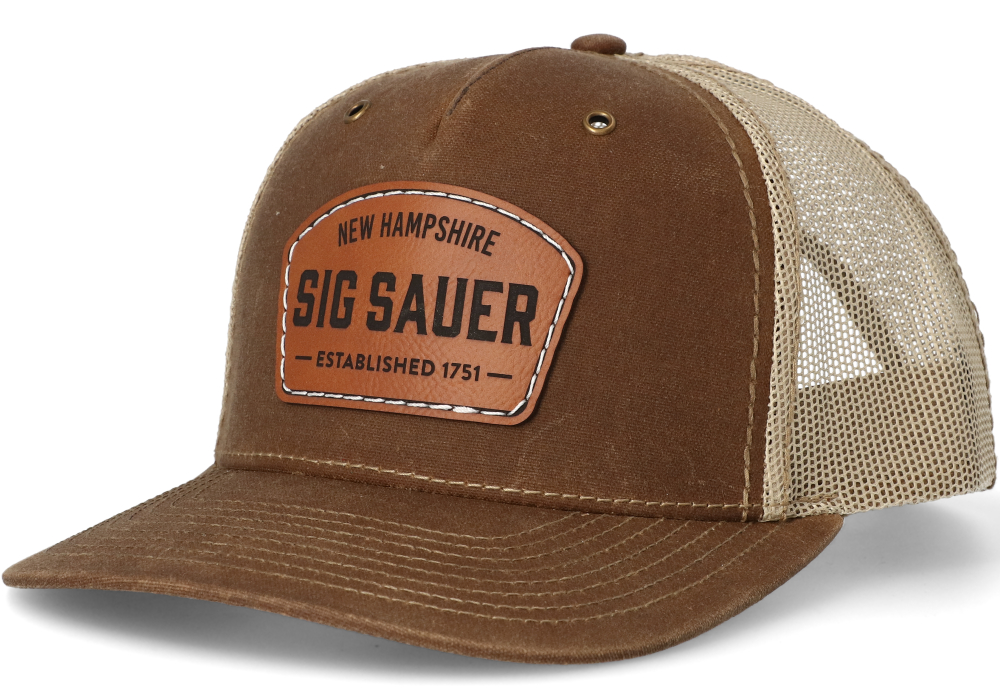
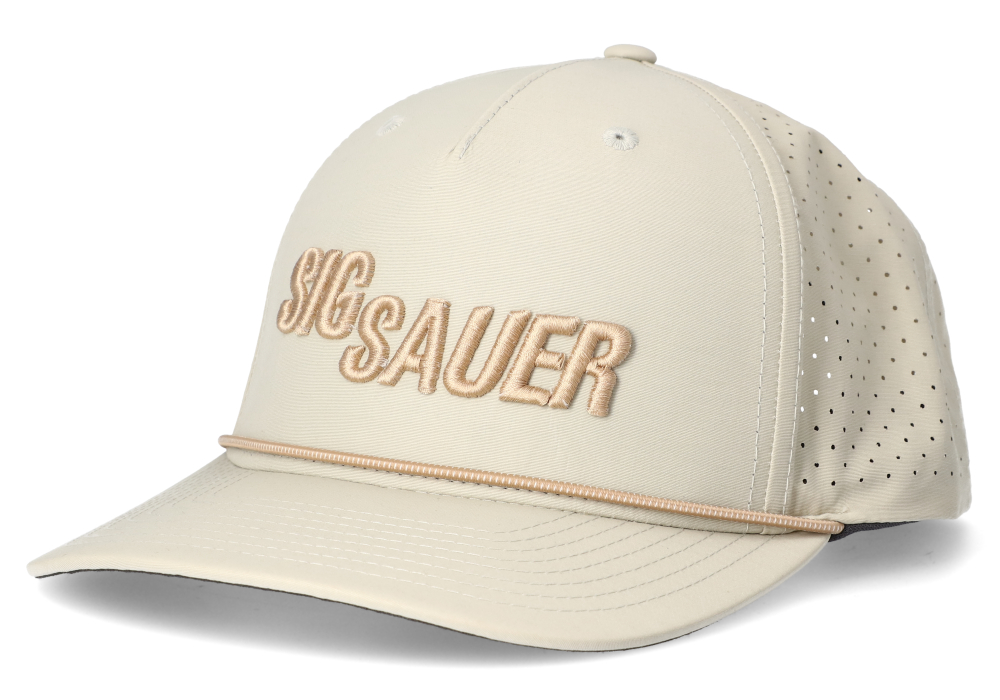
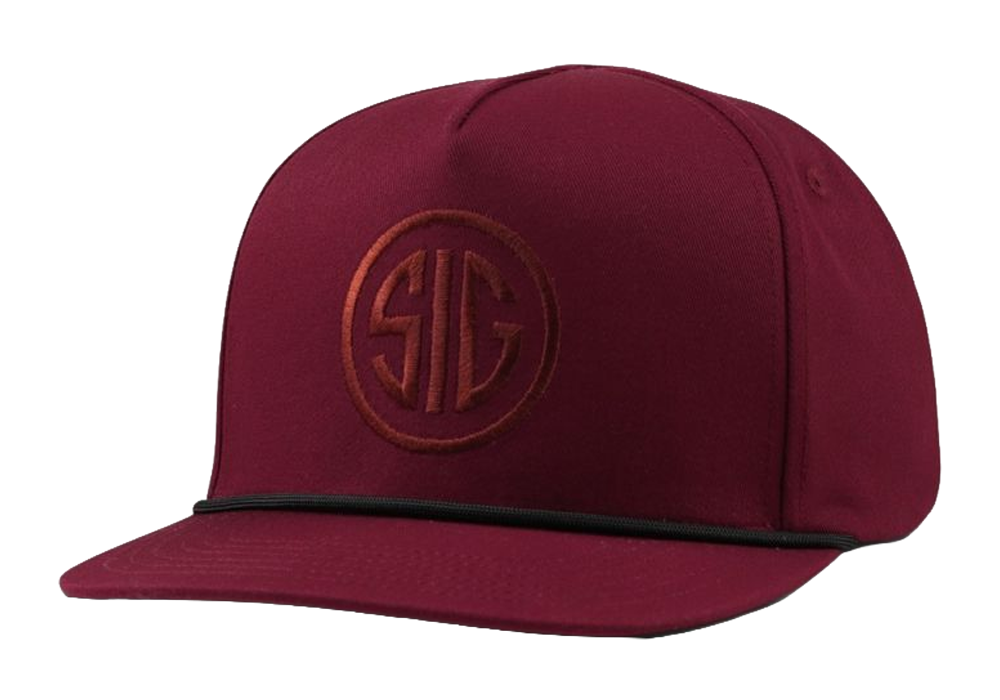
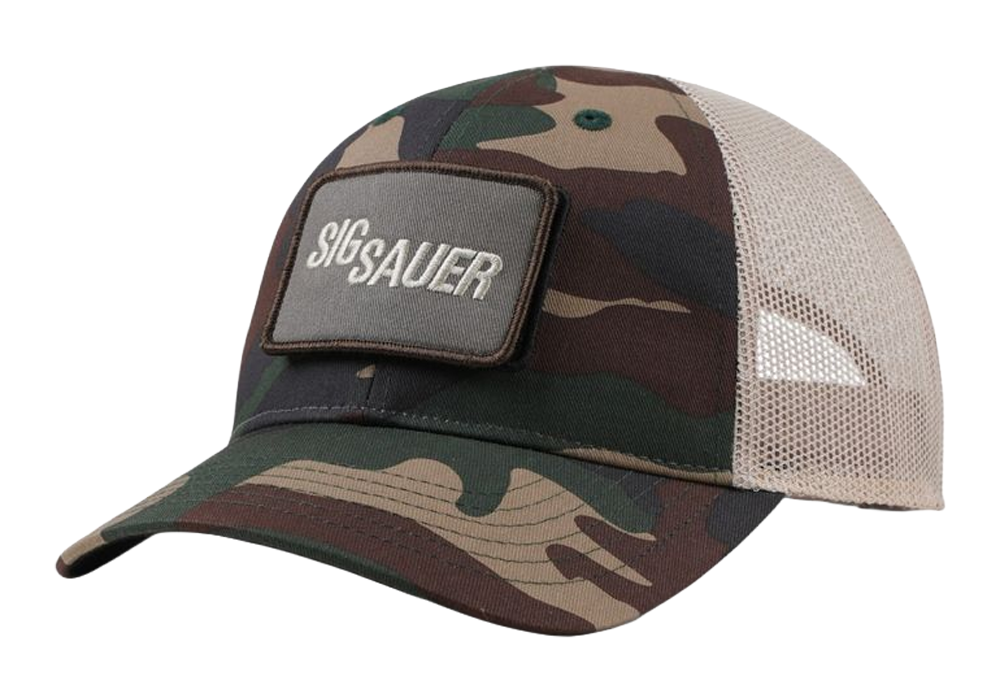
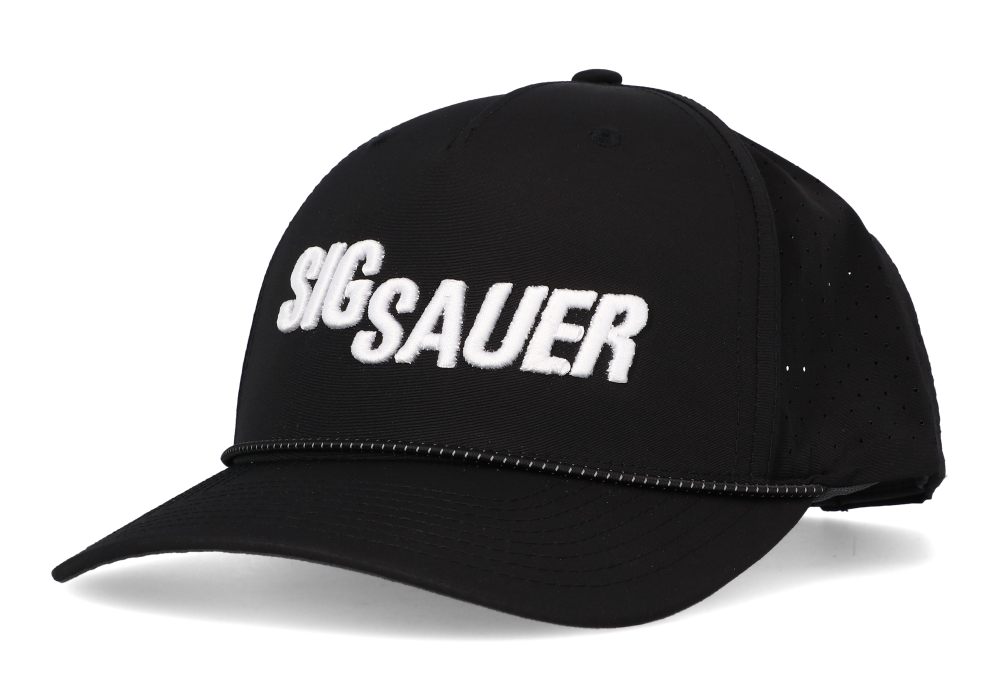
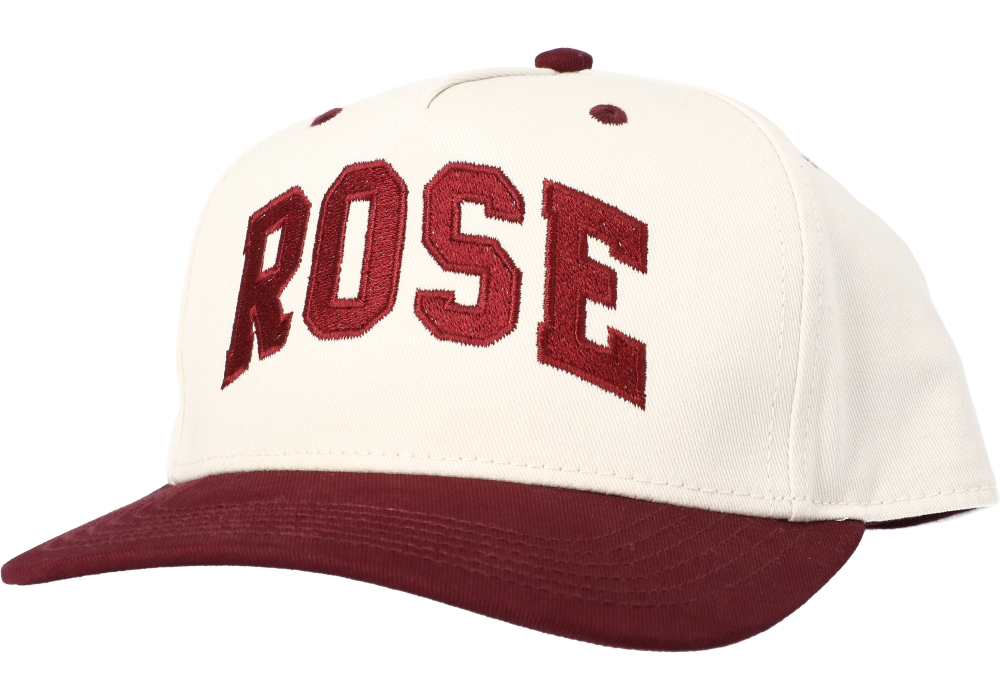
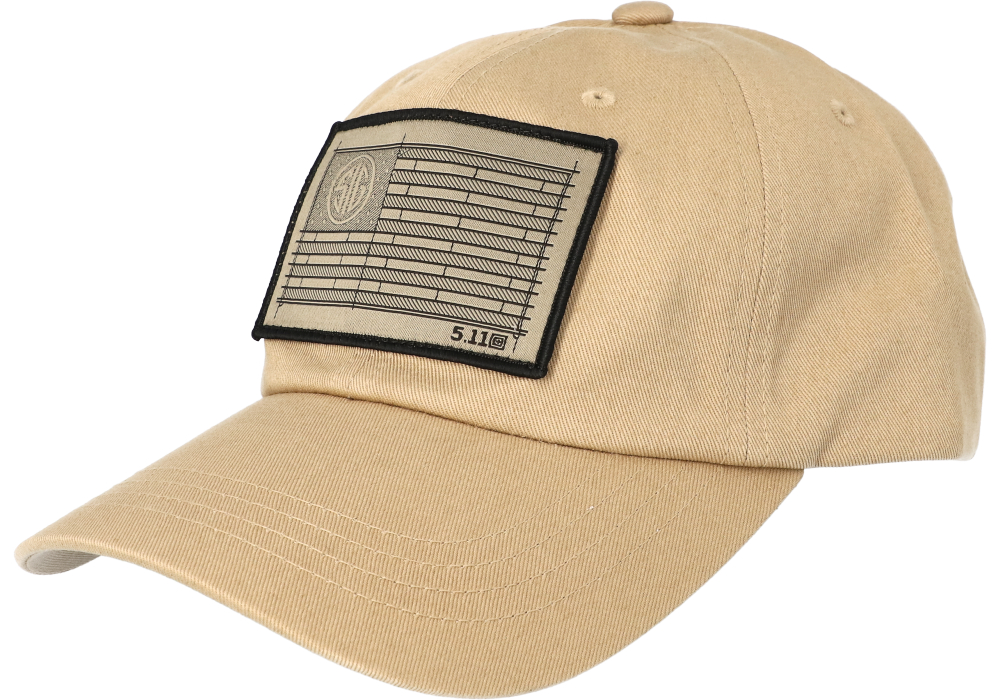
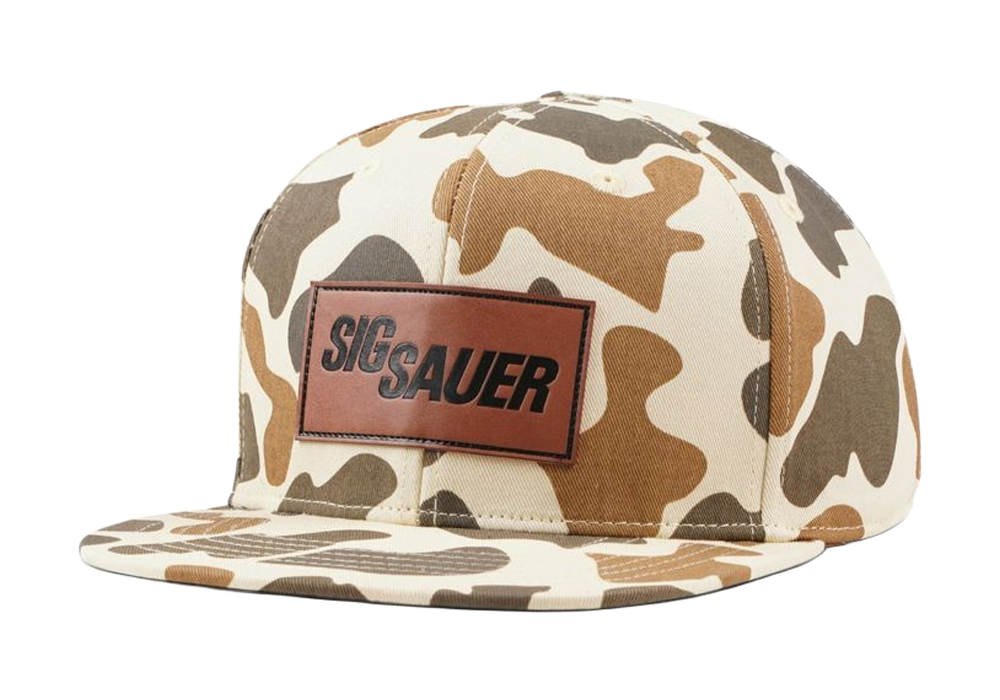
Hunting hats bring together field-ready function, a comfortable fit, and a familiar style that works beyond the hunt. Common styles include structured ball caps, breathable mesh-back caps, flexible boonie hats with wider brims, and close-fitting knit beanies. Each shape serves a different purpose: a ball cap keeps its brim forward and leaves the sides of the head relatively open, a boonie offers coverage around the face and neck, and a knit hat keeps the profile simple without a projecting bill. The right choice depends on how the hat will be worn, what other equipment accompanies it, and how much coverage feels comfortable. A hunter walking narrow trails may prefer a compact brim that stays clear of branches, while someone spending hours observing a distant tree line may appreciate a bill that helps limit overhead glare. Camouflage patterns can help break up a visible outline against vegetation, while solid colors offer an understated look for travel, camp chores, and everyday wear. Blaze orange serves a different role by increasing visual visibility to other hunters, but color, coverage, and garment requirements vary by location and type of hunt. A hat alone may not satisfy those requirements, so applicable hunting regulations remain the reference for the full outfit. Brim shape also deserves attention. A curved bill frames the face differently from a flatter profile, and a broad brim can interact with a backpack, collar, or shoulder strap when the head turns. These small details become noticeable when following tracks, checking a map, or settling into a place to watch an opening. Useful hunting headwear should feel like part of the rest of the kit rather than something that needs constant adjustment. For many hunters, the most practical hat is one that transitions naturally from the trailhead to camp and stays comfortable through repeated movement, focused observation, and the ordinary tasks surrounding a hunt.
Fabric and construction have as much influence on comfort as the silhouette. Cotton twill has a familiar texture and a substantial feel, while polyester and nylon fabrics can offer a lighter profile and relatively quick drying after washing or heavy perspiration. Blends combine different fiber characteristics, so the care label and fabric description provide a better picture than appearance alone. Mesh panels allow airflow through the back or sides of a cap, while a full-fabric crown provides continuous coverage and a more uniform surface. Knit construction stretches around the head, with comfort depending on the fiber blend, the amount of stretch, and the placement of seams. Inside any style, a smooth sweatband helps manage moisture and reduces the distraction of a rough edge against the forehead. Seams, crown panels, and the point where the brim joins the body are useful indicators of construction quality. Even stitching, securely attached adjustment hardware, and neatly finished interior edges support repeated wear without unnecessary bulk. Fit should be secure enough for active movement without creating pressure at the temples or leaving a pronounced band across the forehead. Adjustable straps, snap closures, hook-and-loop tabs, and stretch-fit designs achieve that balance in different ways. Crown depth matters, too: a shallow cap sits higher, while a deeper crown extends farther down the head and can change how the hat rests near the ears. Anyone wearing glasses, hearing protection, or other head-worn equipment should consider the full combination. A thick seam or adjustment buckle can create pressure beneath an earmuff headband, and a stiff brim can interfere with the position of protective eyewear. A comfortable setup leaves the eyewear in place and allows hearing protection to fit according to its manufacturer’s directions. Bending to lace a boot, looking over a shoulder, or lifting binoculars can reveal fit issues that are easy to miss while standing still. The goal is dependable comfort throughout normal movement, not simply a good fit in a mirror.
Regular care helps hunting hats retain their shape, feel, and usefulness. Fabric type, brim construction, decorative stitching, and adjustment hardware all affect the appropriate cleaning method, so the attached care instructions should come first. A mesh-backed cap, a densely woven cotton hat, and a knit beanie may need different treatment even when they share the same general purpose. Removing loose dirt with a soft brush and addressing perspiration marks before they become deeply set can reduce the need for aggressive cleaning. When the label permits hand washing, gentle handling helps protect the crown and bill; thorough rinsing removes detergent residue that can leave fabric feeling stiff. Air drying away from direct heat is often preferable when recommended, with the hat supported in its natural shape rather than folded or flattened. A brim that has been crushed beneath other gear may never sit quite the same way, so storage matters between outings as well. Letting a hat dry fully before putting it in a pack or enclosed compartment helps keep it fresh, and checking seams and closures periodically can reveal wear before it becomes a nuisance in the field. These practical details also make hunting hats thoughtful gifts for people who spend time scouting, hunting, or helping around camp. An adjustable fit can simplify gift selection, while a familiar crown shape or preferred color shows attention to how the recipient actually dresses. For someone who already has a favorite cap, a different silhouette can suit another use without trying to replace a trusted staple. A hat can also complement Hunting Accessories For Men when building a coordinated set of practical field essentials. Whether chosen for personal use or as a gift, hunting headwear earns its place through straightforward details: comfortable fabric, a secure fit, suitable coverage, and construction that stands up to regular handling. Those qualities matter long after the first impression, through packed gear bags, familiar trails, and the small routines that bookend a day afield.