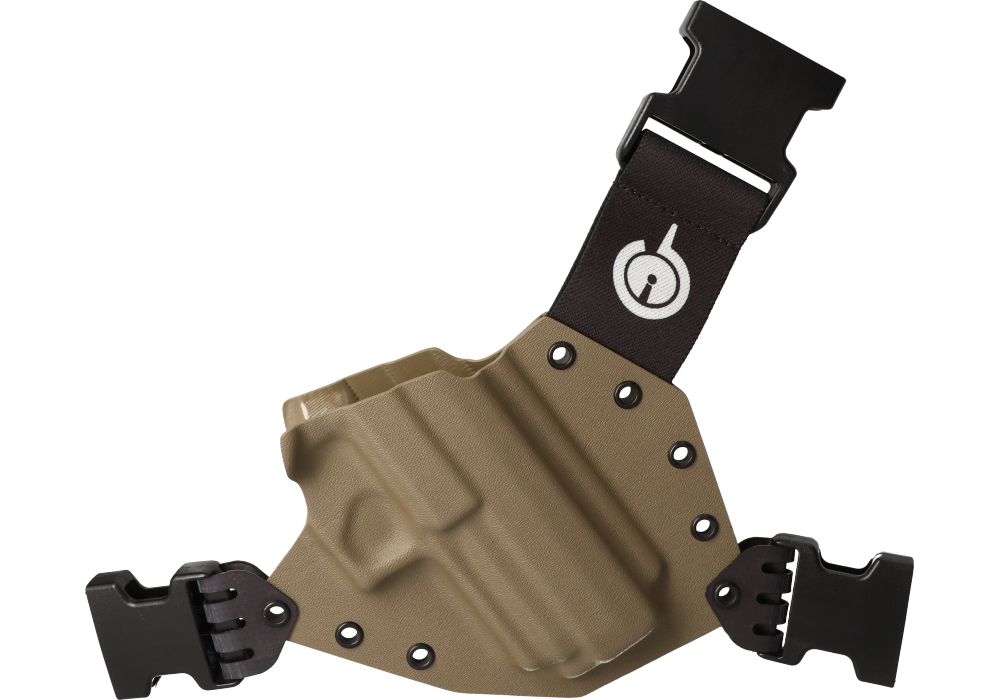
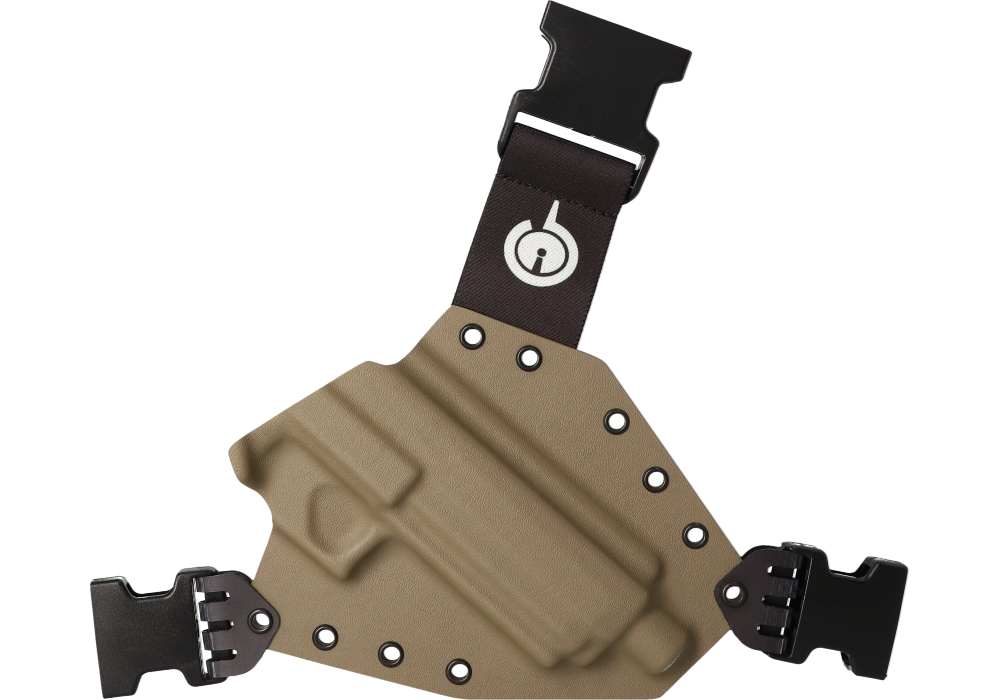
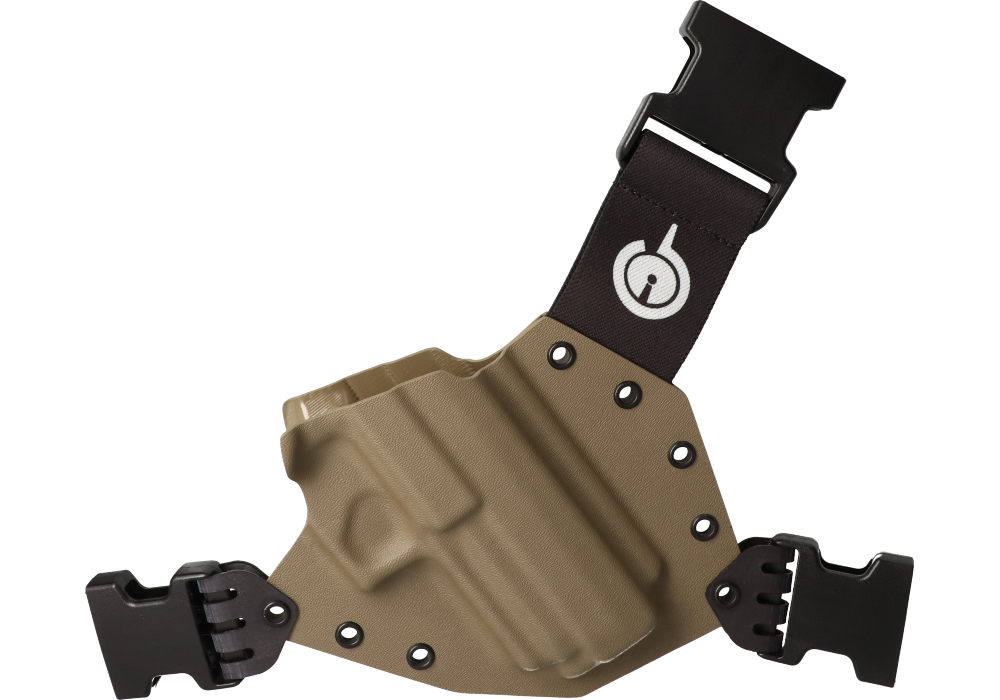
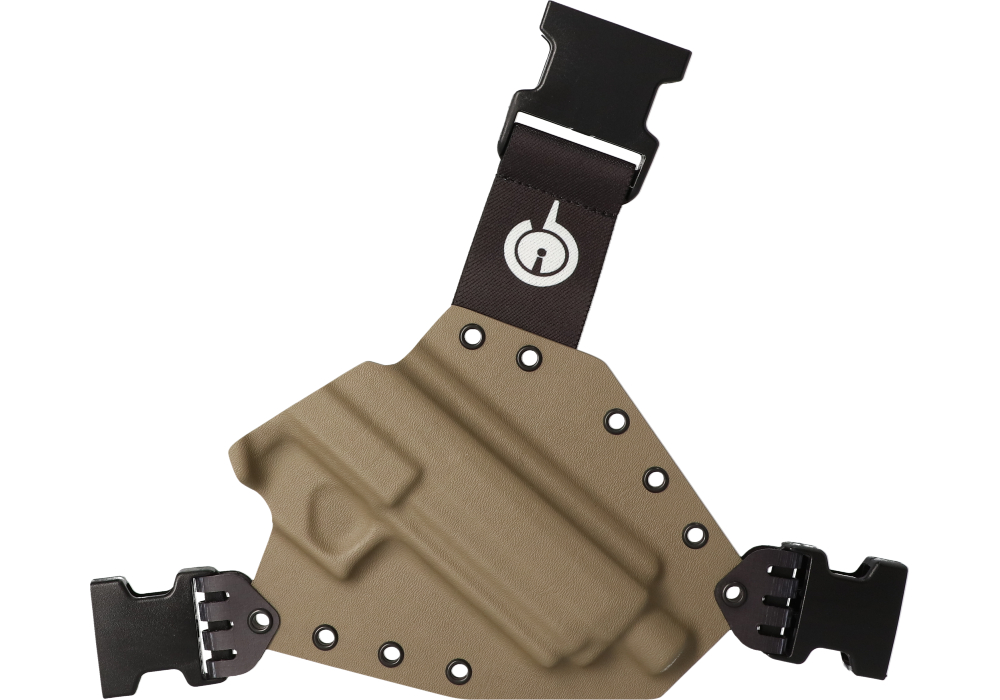
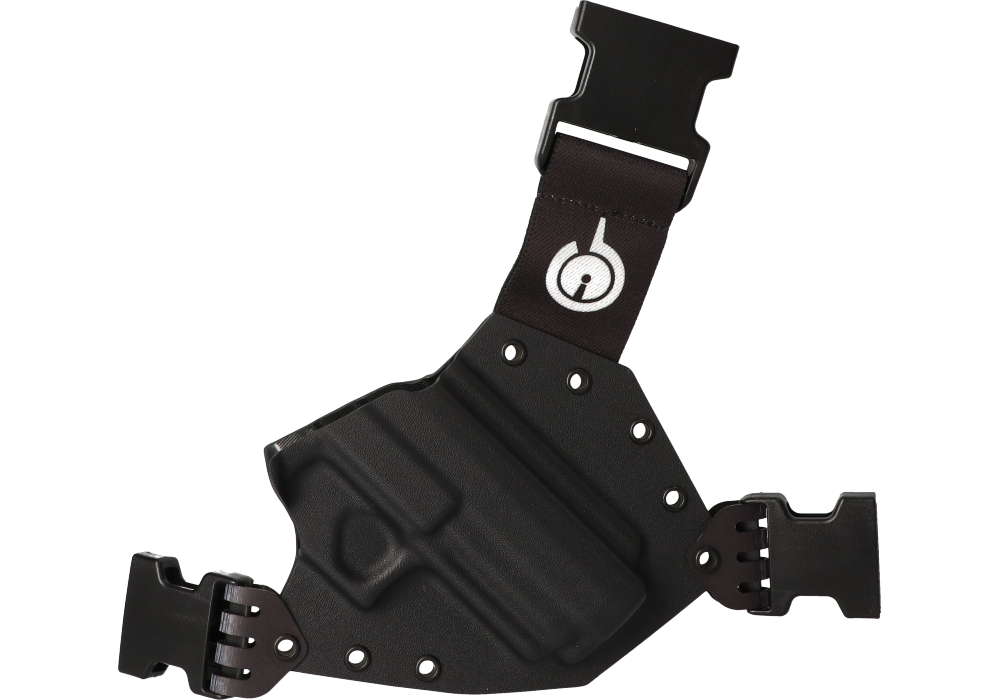
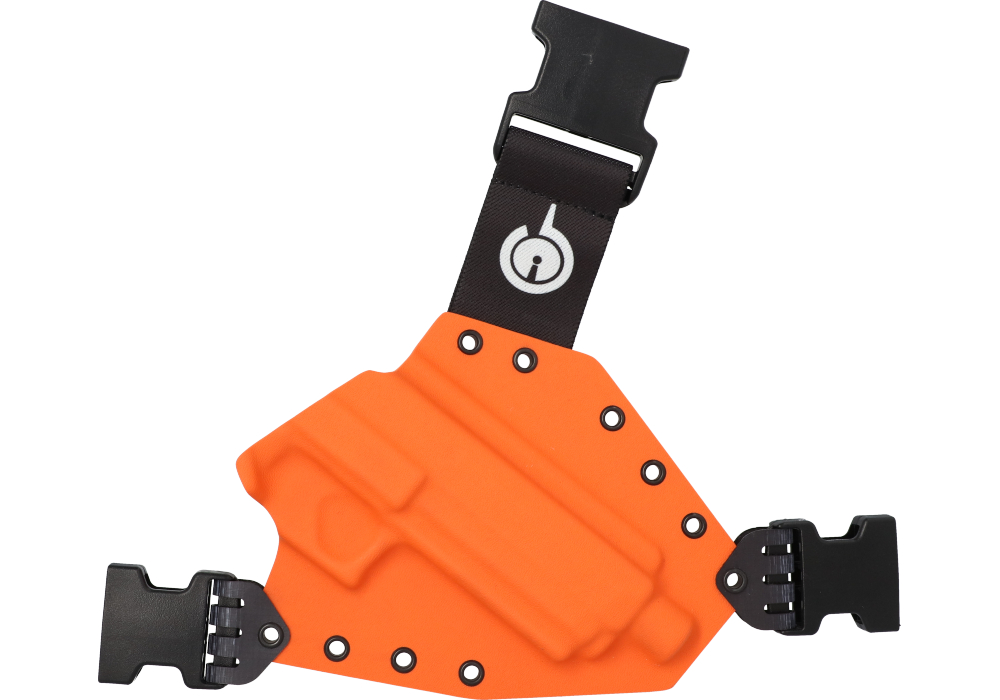
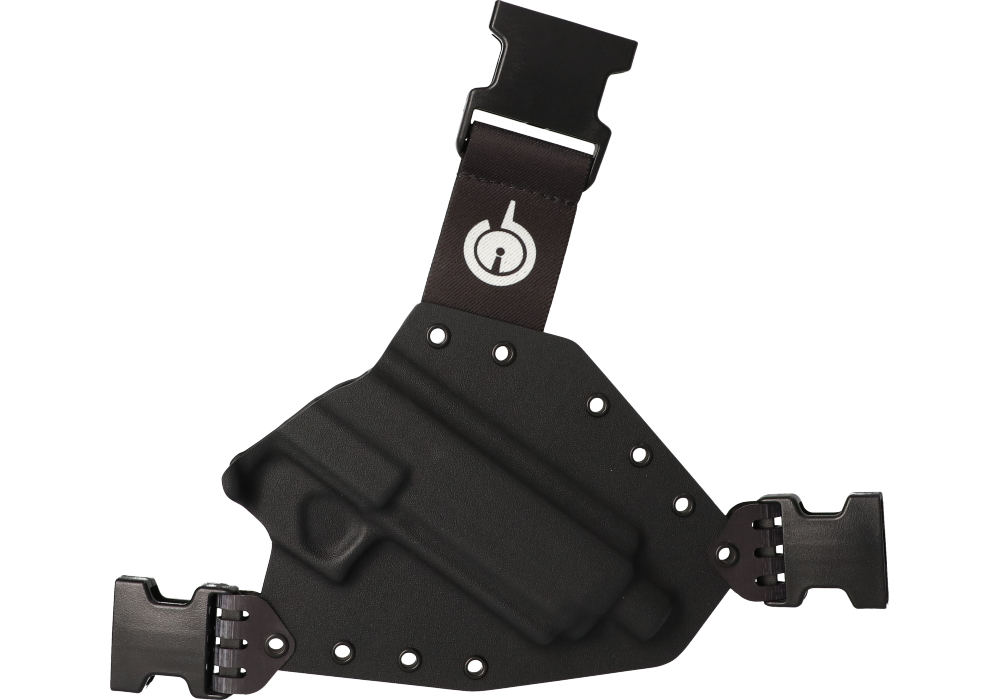
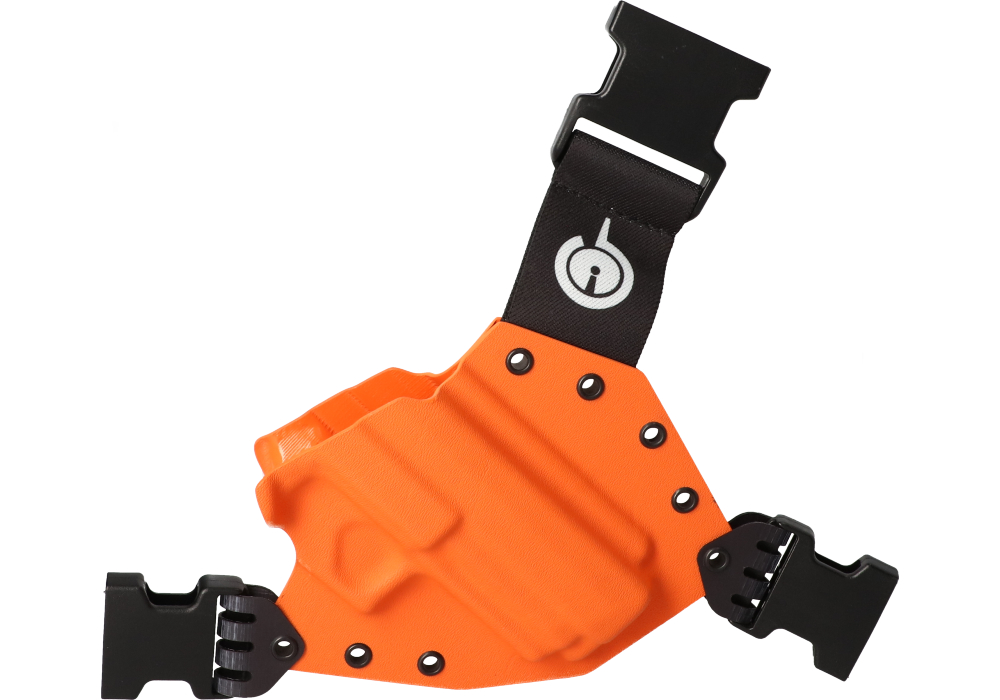
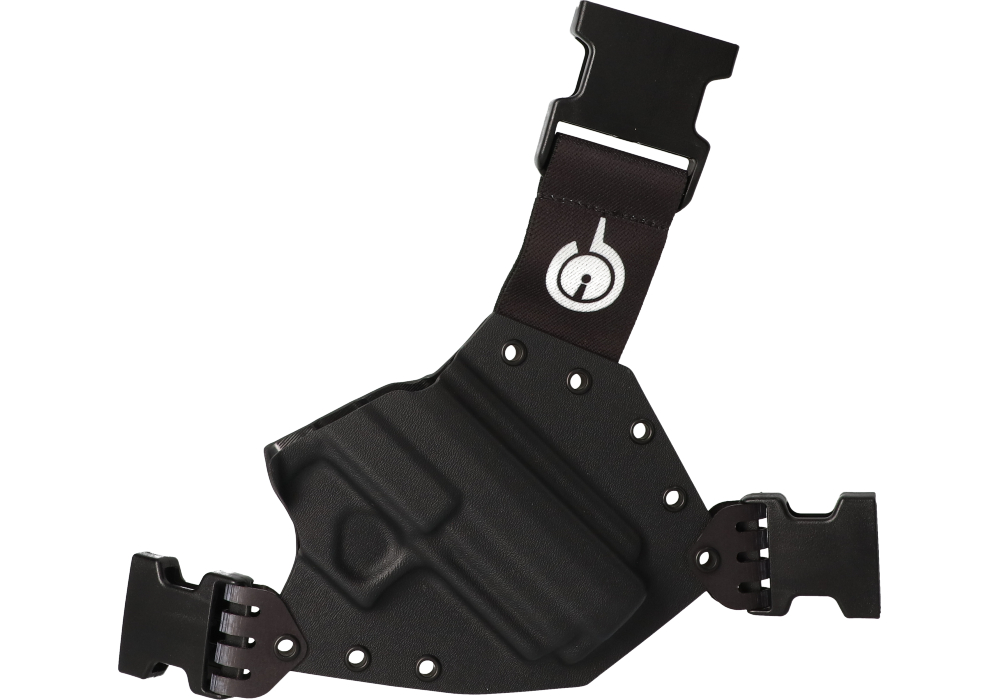
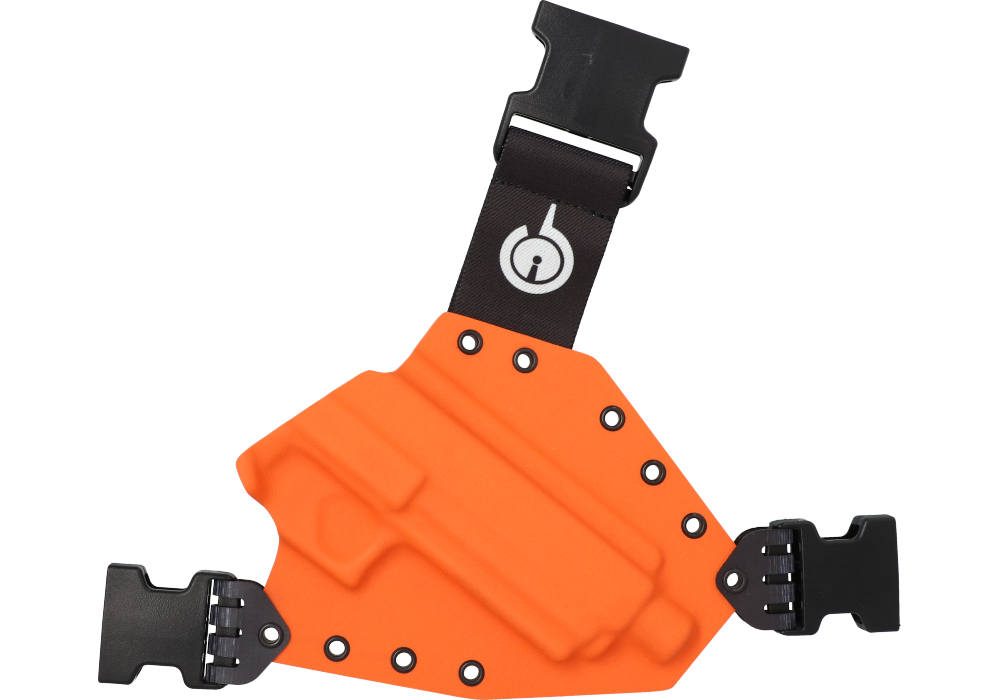
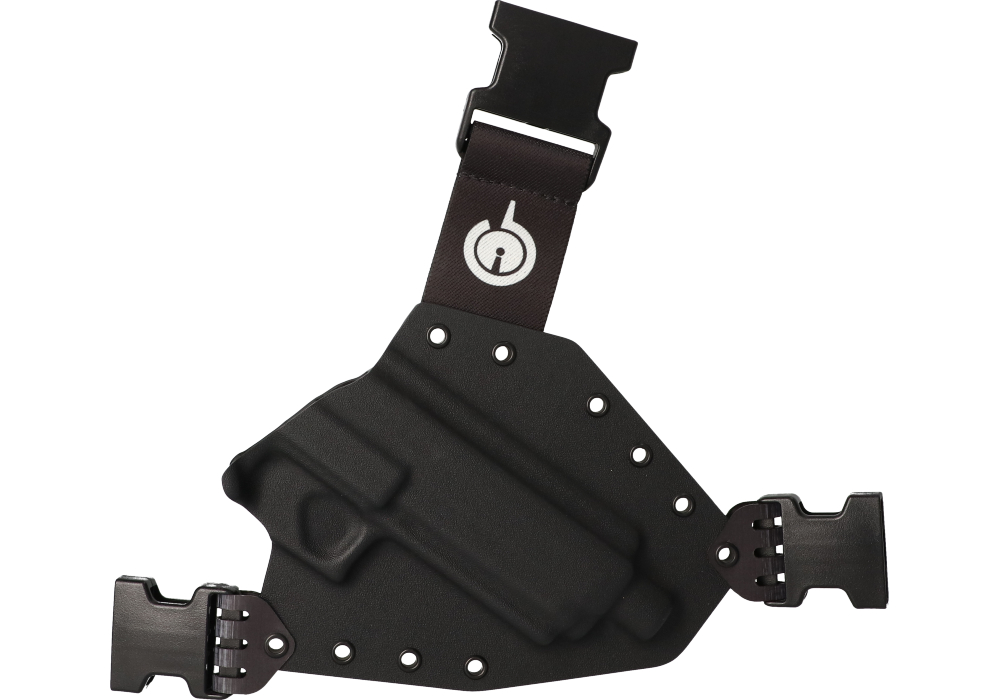
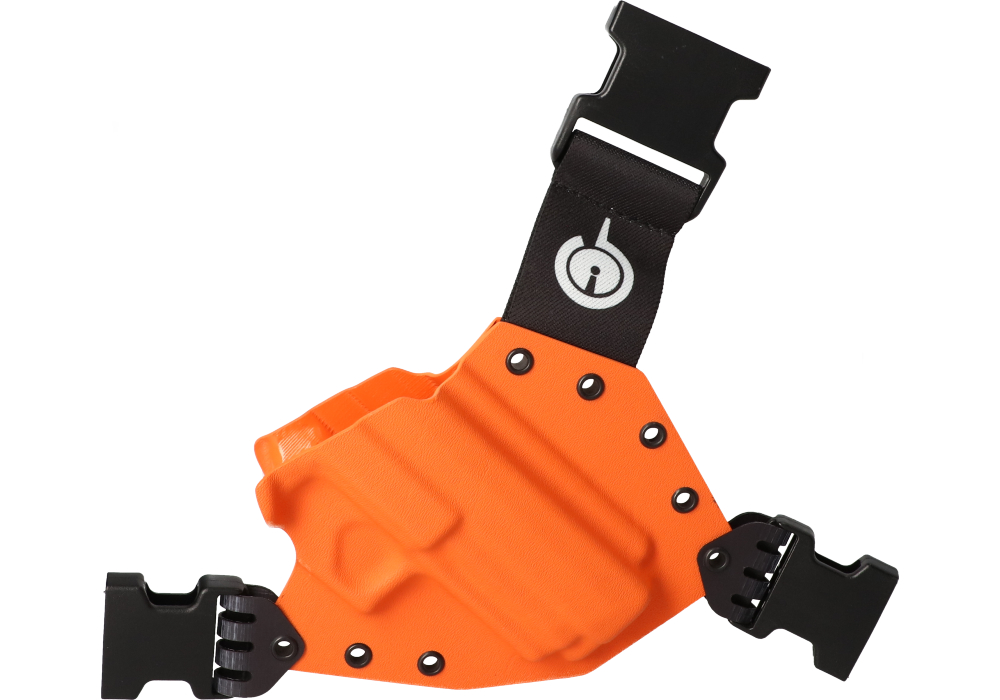
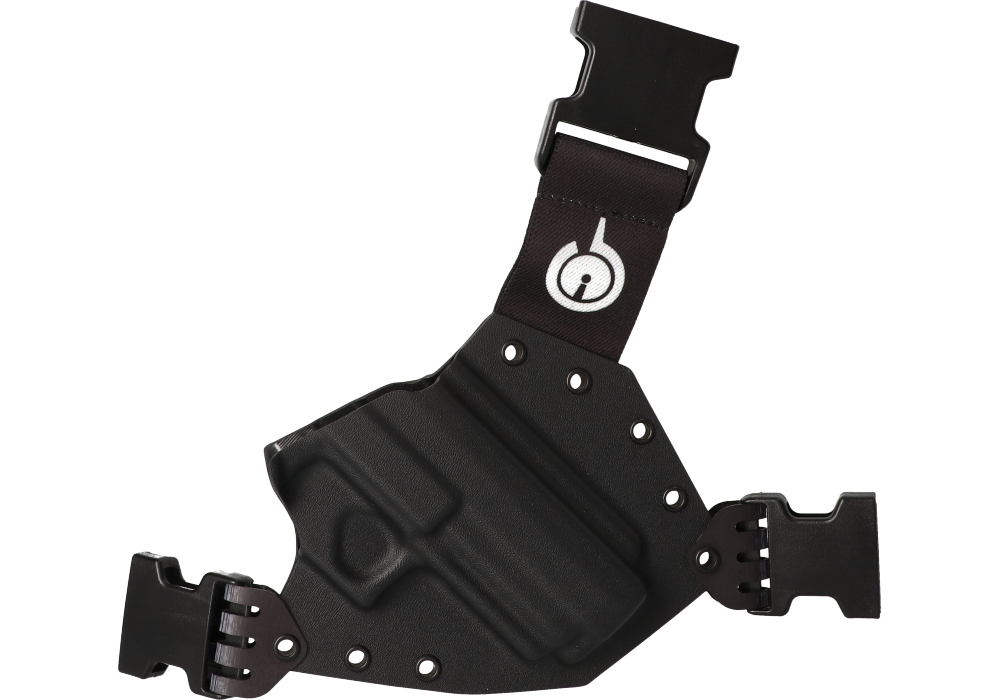
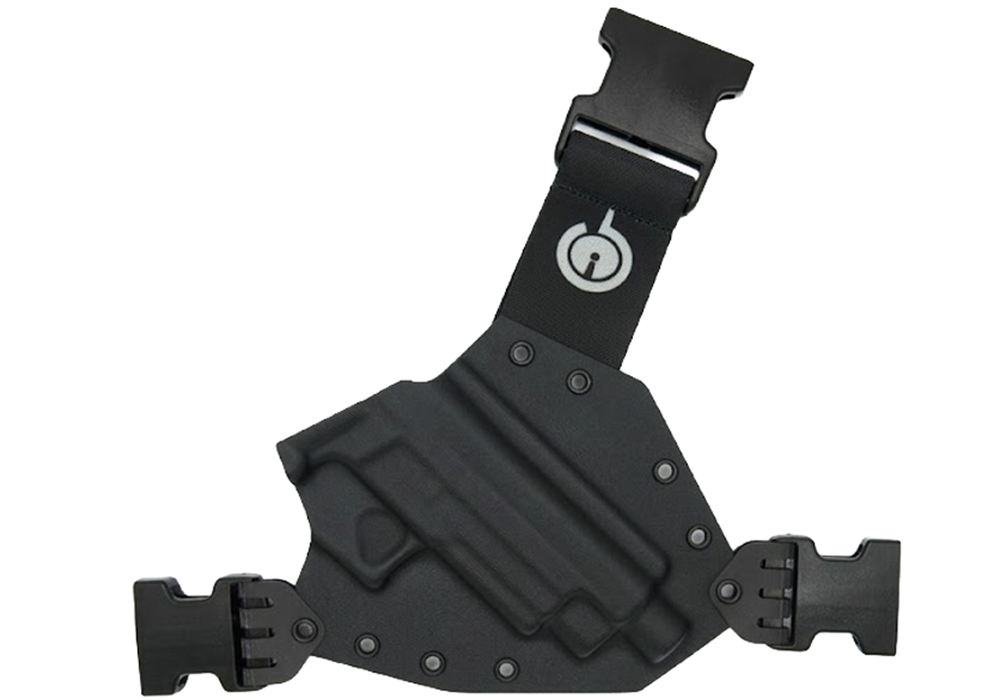
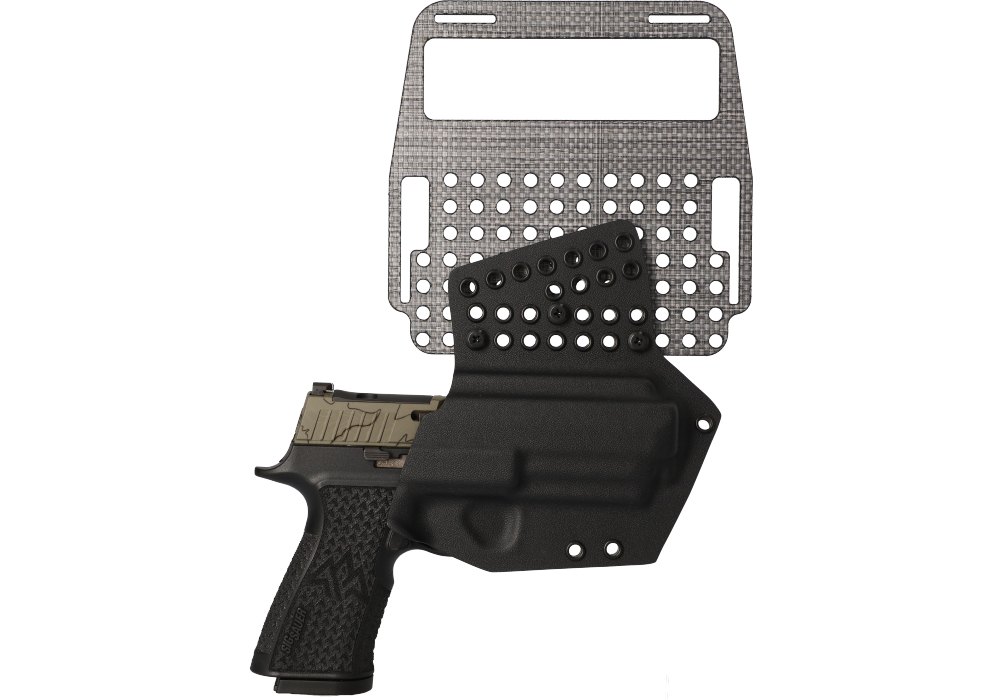
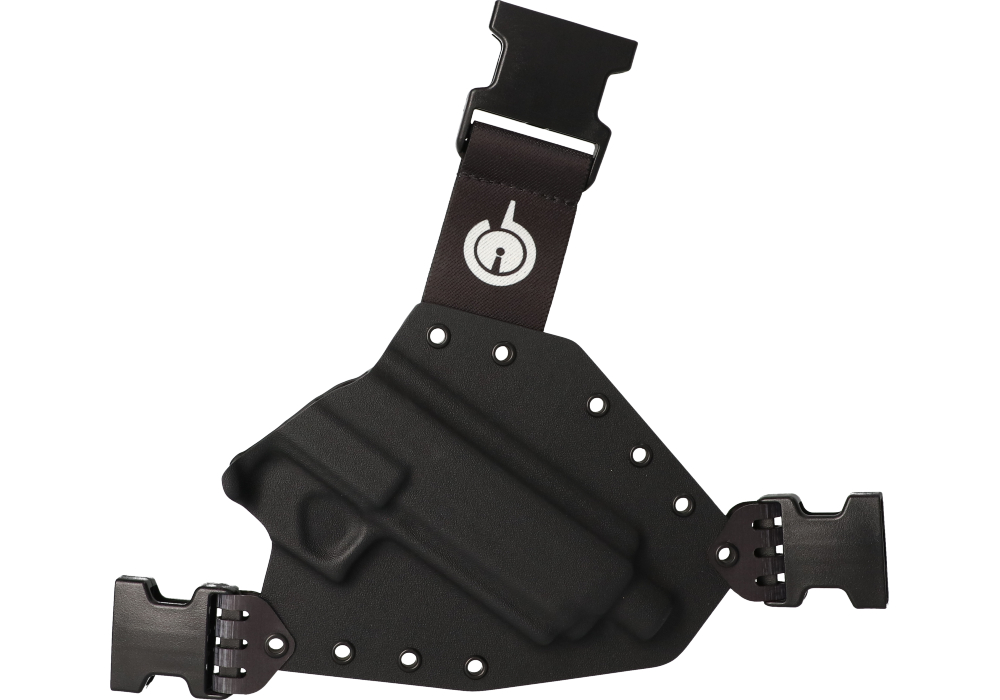
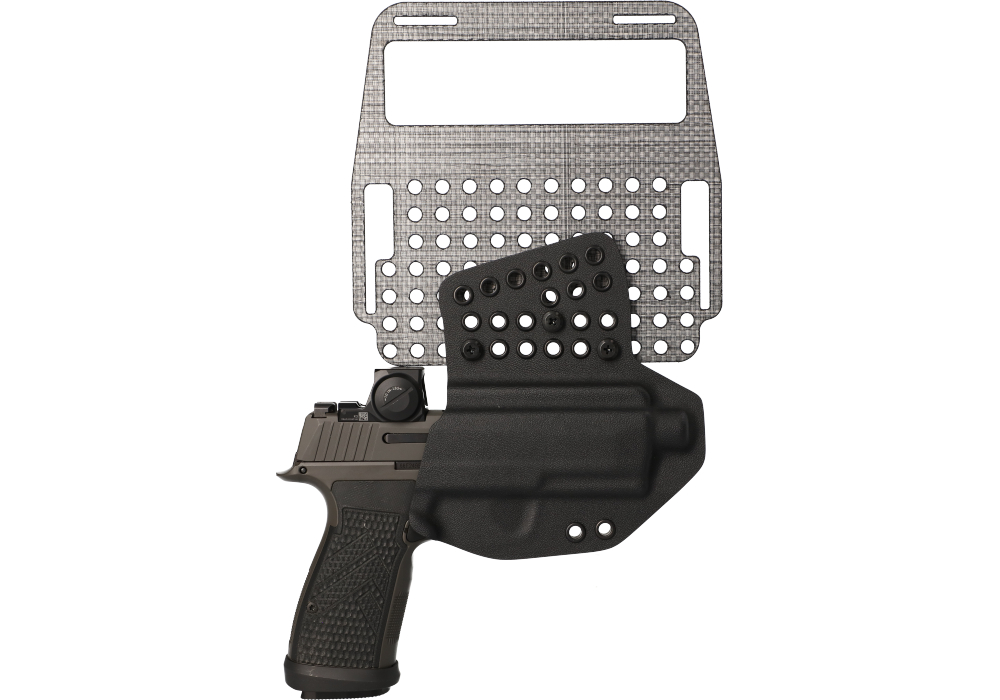
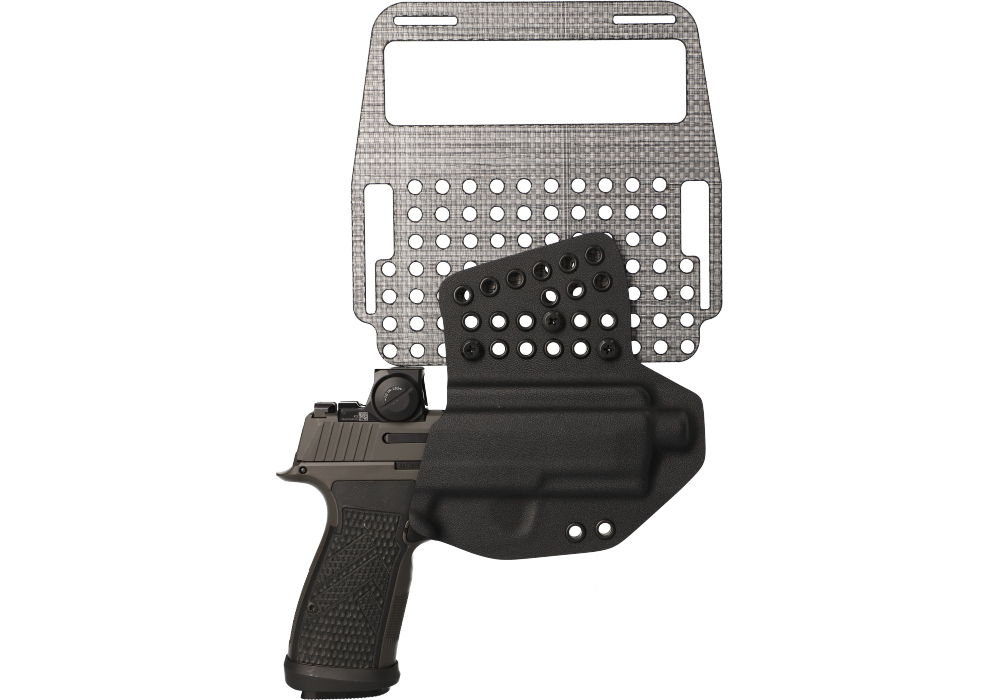
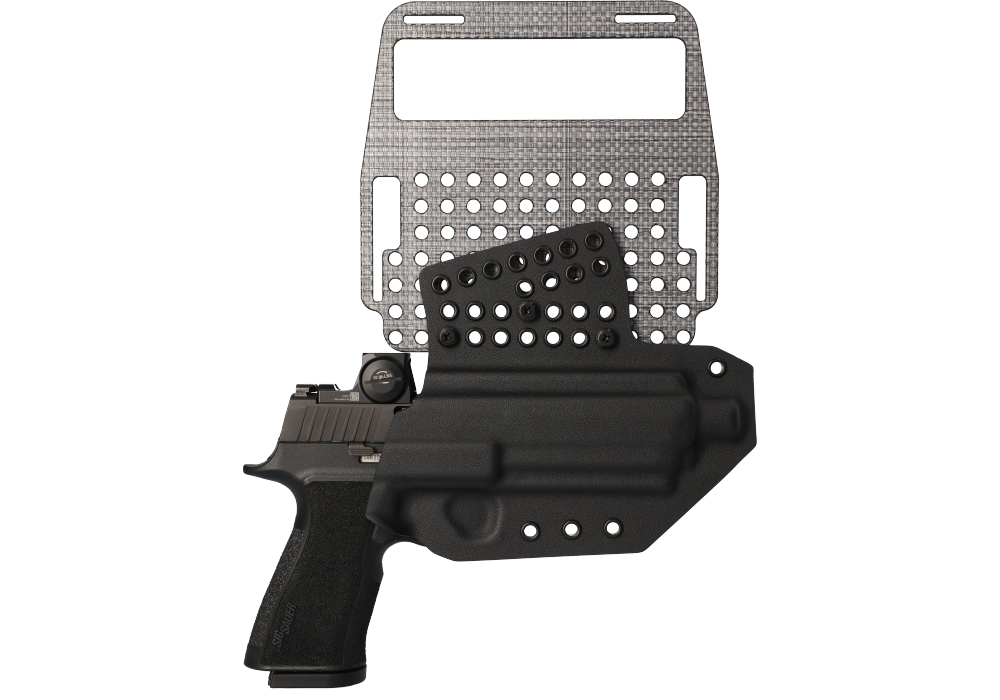
Hunting holsters secure a handgun during travel through the field, helping protect it from abrasion while keeping its position consistent alongside a hunter’s other equipment. Their usefulness depends on more than a sturdy shell or a comfortable strap. A holster needs to match the firearm, remain stable during movement, and work with the clothing, pack, and accessories carried on a hunt. A short walk to a ground blind places different demands on a carry setup than a long approach through brush or an afternoon spent glassing from uneven terrain. Belt holsters position the handgun at the waist and can suit hunters who prefer a familiar carry location with relatively little equipment across the torso. Their comfort depends partly on the supporting belt, the weight of the handgun, and whether a backpack’s hip belt occupies the same space. Chest holsters place the handgun on the front of the torso, where a properly fitted harness can keep it separate from a loaded waist belt. That arrangement still needs to leave room for binoculars, pack straps, and other equipment worn across the chest. Shoulder holsters offer another configuration, although harness fit, firearm orientation, and compatibility with outer garments remain important distinctions between designs. No single carry position works equally well for every hunter or every outing. Sitting against a tree, kneeling beside a pack, or stepping over deadfall can reveal pressure points and interference that are easy to miss when standing upright. A stable holster should not swing freely, rotate around its attachment, or require repeated adjustment during ordinary movement. Weight distribution matters as well: a substantial handgun may feel manageable for a few minutes but become distracting over several miles. Hunting holsters are most useful when they function as part of the complete field setup rather than as an isolated accessory, supporting secure carry without crowding the equipment needed for navigation, observation, and other routine tasks. The best match reflects both the firearm’s dimensions and the way its owner actually spends time outdoors.
Materials influence how a hunting holster feels, holds its shape, and responds to repeated contact with clothing and equipment. Leather offers a traditional appearance and can develop a distinctive surface character with use. Its thickness, molding, edge finishing, and stitching all contribute to support and longevity. A well-formed leather holster should retain the structure necessary for its intended firearm rather than becoming loose or collapsing around the opening. For hunters who favor that traditional look, black leather holsters provide a restrained finish that pairs naturally with leather belts and other field accessories. Rigid polymer holsters offer a different feel, with defined contours and a surface that is generally straightforward to wipe clean. Their performance depends on the complete design, including attachment hardware, retention components, and the quality of the molding, not simply on the material’s hardness. Textile holsters can offer flexibility and a softer feel against the body, but reinforcement, seam construction, and the shape of the opening deserve close attention. Soft fabric alone does not provide the same structure as a rigid shell. Across materials, durability is often easiest to judge at the stress points: belt loops, harness connections, strap anchors, reinforced seams, and areas where hardware bears against the holster body. Smooth edges and protected fasteners also help limit rubbing against clothing and equipment. Care requirements vary, so the manufacturer’s instructions remain the appropriate reference for cleaning products, leather treatments, and hardware maintenance. Dirt and grit trapped inside a holster can abrade a firearm’s finish, while moisture left against leather or metal components can contribute to deterioration. Cleaning and drying should preserve the holster’s shape and retention characteristics; excessive heat, heavy conditioning, or unsuitable solvents can interfere with those qualities. Periodic inspection is especially valuable after extended field use. Frayed stitching, cracked material, loose attachments, or a changing fit are functional concerns rather than cosmetic details. Thoughtful care helps preserve both the holster and the equipment it carries without assuming that any material is maintenance-free.
Fit is the foundation of a dependable hunting holster. Compatibility involves more than a general handgun size: frame dimensions, barrel length, slide profile, sights, and any mounted accessories can affect whether a firearm seats correctly. A holster intended for one configuration should not be assumed to fit another simply because the two look similar. The trigger guard should remain fully covered when the handgun is properly holstered, with material and construction that resist intrusion into that area. Retention should hold the firearm securely during ordinary field movement without depending on an improvised strap arrangement or an unsuitable fit. Some designs use molded friction, while others incorporate a strap or another retention mechanism; each system has its own fit requirements and inspection points. Adjustable retention, where provided, is useful only within the manufacturer’s intended range and does not turn a mismatched holster into a compatible one. Sight channels and clearance for mounted optics also deserve attention, since contact in the wrong place can prevent complete seating or place pressure on an accessory. Fit assessments and maintenance should follow the firearm and holster manufacturers’ safety instructions, with the firearm unloaded. Comfort is equally specific to the wearer. Harness adjustment, belt width, attachment spacing, and the position of buckles can determine whether a holster remains comfortable beneath pack straps or becomes a persistent distraction. Hunters who spend substantial time seated may prioritize clearance around the waist, while those covering longer distances may place greater emphasis on stability and balanced support. These distinctions also make hunting holsters a thoughtful but highly personal gift. Knowing the recipient’s exact firearm configuration, preferred carry position, and existing belt or pack setup is more useful than choosing by appearance alone. An experienced hunter may value construction details that complement an established routine, while someone assembling a first field setup may benefit most from straightforward compatibility and clearly documented care requirements. A well-chosen holster brings those considerations together: appropriate protection, dependable retention, durable construction, and a fit that remains comfortable throughout the outing.