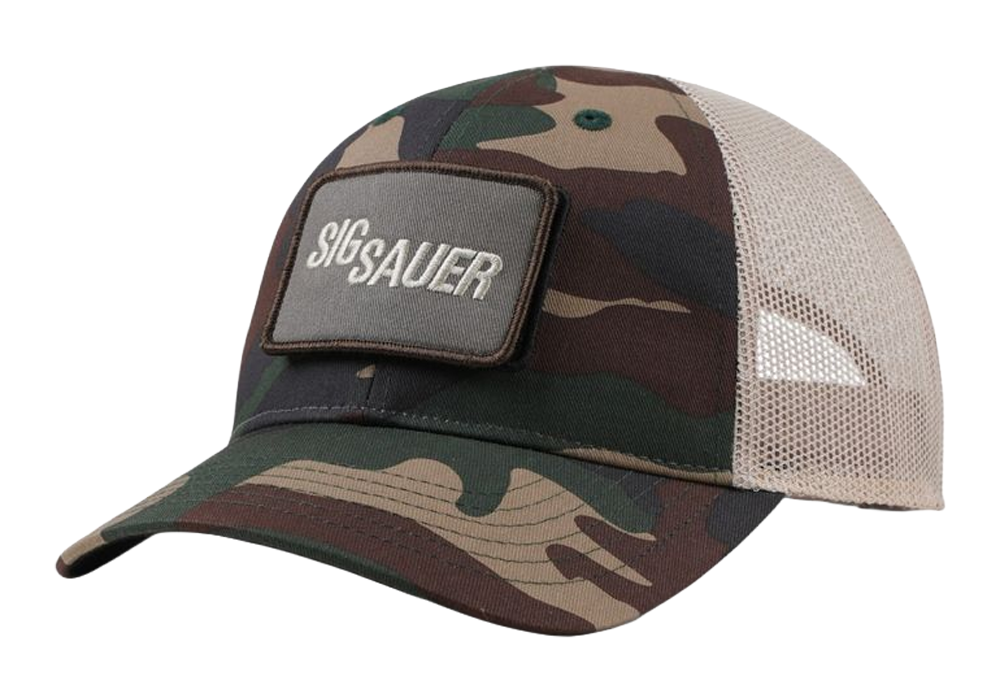
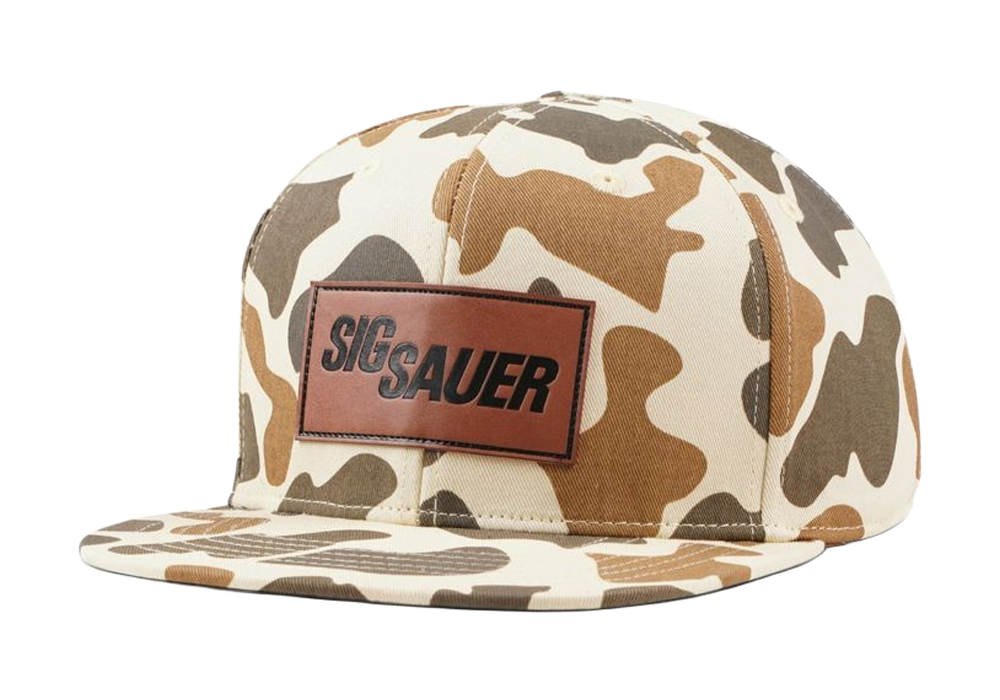
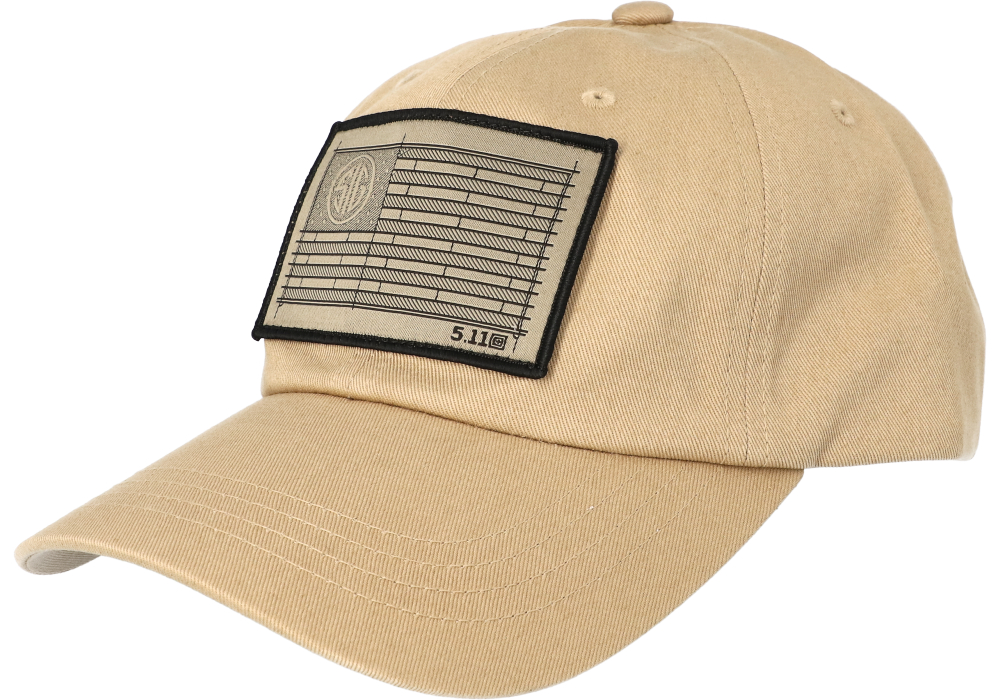
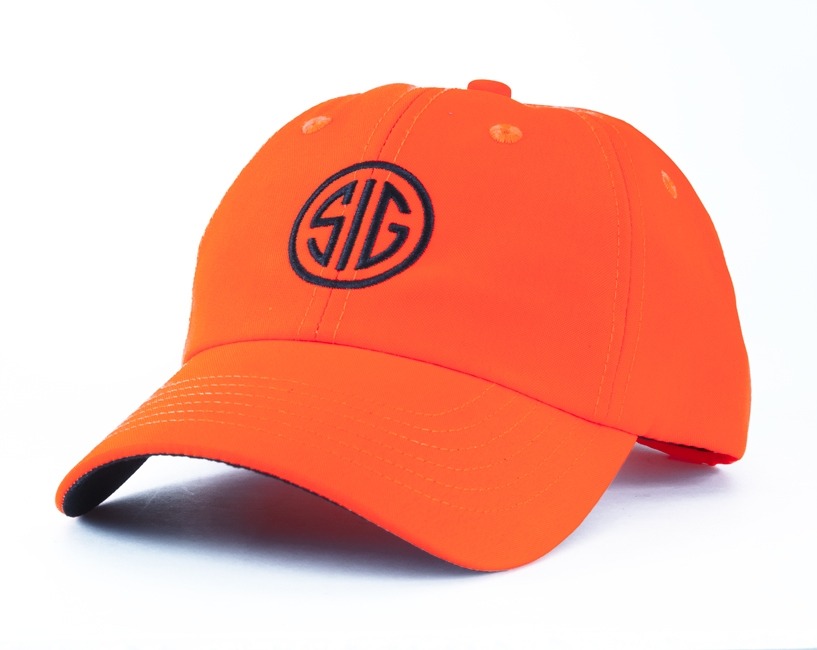
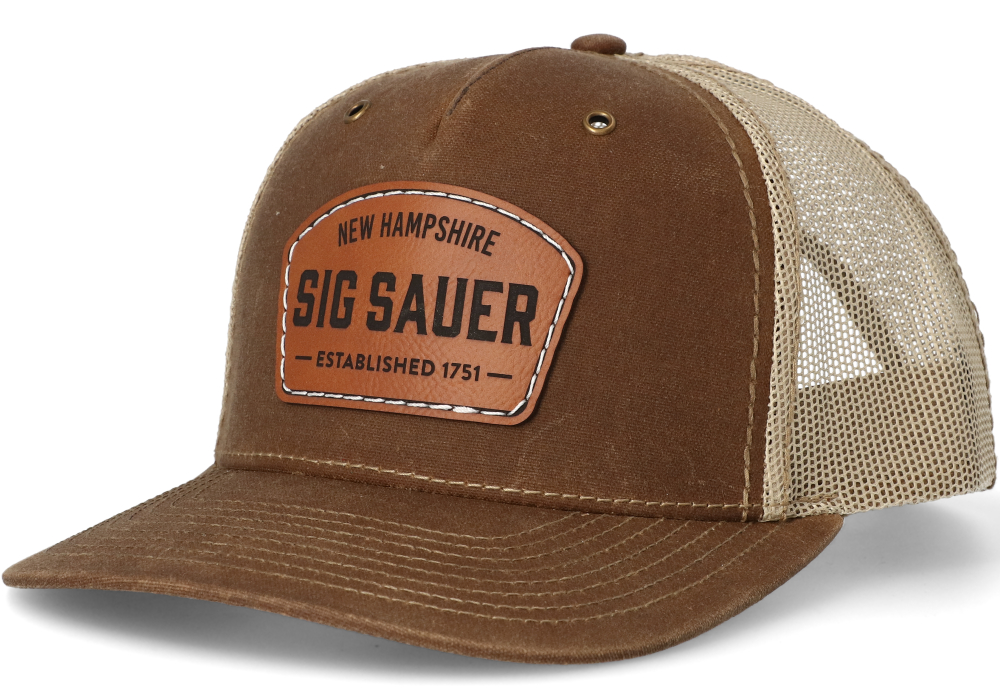
Men's camo hunting hats pair landscape-inspired patterns with practical coverage for scouting, sitting in a blind, and moving between hunting areas. Their value comes from how well the pattern, shape, and fit suit the person wearing them and the setting where they will be used. A camouflage print with narrow branches and leaf shapes creates a different visual effect from one built around larger patches of contrasting color. Woodland backgrounds, open grass, brushy field edges, and rocky ground each present different combinations of texture and shade. Matching the general character of that background is more useful than choosing a pattern solely because it looks detailed up close. No camouflage pattern guarantees concealment, and a hat is only one part of an overall approach that includes thoughtful movement and awareness of surroundings. The crown and bill also influence comfort and convenience. A structured crown holds a defined shape, while an unstructured crown generally feels more flexible and packs more easily into a bag. A curved bill provides coverage above the eyes without the broader footprint of a full brim, although the best shape depends on personal preference and the equipment worn alongside it. Someone spending long stretches looking through binoculars may value a flexible bill, while a hunter navigating thick brush may prefer a cap that sits securely and has few projecting details. Low-contrast stitching and subdued decoration can preserve the visual consistency of a camouflage pattern, though appearance should never take priority over required visibility. Camouflage does not replace hunter-orange clothing or headwear where those are required. Rules can vary by location, species, and hunting method, making those requirements an essential consideration before selecting headwear for a particular outing. Beyond active hunting, camo caps have a practical place during trail-camera checks, habitat work, trips to camp, and everyday outdoor tasks. The most useful choice is one that feels comfortable enough to wear throughout the activity, rather than a hat that needs constant repositioning.
Fabric and construction help determine how a camo hunting hat feels after hours of wear. Cotton commonly has a soft, familiar feel and absorbs perspiration, while polyester and nylon generally absorb less moisture and can dry more quickly. Blended fabrics balance different characteristics, but the fiber content alone does not tell the whole story: fabric weight, weave, lining, and sweatband construction also matter. Mesh panels permit airflow through part of the crown, whereas a fully fabric-covered crown provides more continuous coverage. Neither design is automatically better for every hunting situation. A soft inner band, smooth seams, and a crown with enough depth can be more noticeable in daily use than a long list of fabric claims. Durability deserves the same close attention. Even stitching, reinforced adjustment points, and a securely attached bill help a hat withstand repeated handling, packing, and cleaning. Examine where the closure meets the crown, since that area receives regular tension whenever the fit is adjusted. Fit should feel secure without creating pressure across the forehead or leaving the hat perched too high on the head. An adjustable closure can accommodate modest changes in fit, but it cannot fully compensate for a crown that is too shallow, too deep, or poorly shaped for the wearer. Measuring head circumference and checking the relevant sizing information provides a better starting point than relying on an everyday cap that has stretched with use. For someone who wears glasses, the side panels and sweatband should sit comfortably around the frames. When hearing protection is part of the activity, bulky seams, top buttons, or stiff adjustment hardware may create pressure points, so consider the complete combination rather than the hat alone. A useful fit check includes looking down, turning the head, and leaning forward. The hat should stay in place without repeated tightening, and the bill should not obstruct normal vision or interfere with nearby equipment. Small comfort issues become distracting over a long outing, especially when both hands are occupied carrying other gear.
Straightforward care helps preserve a hunting hat's shape, finish, and everyday comfort. Begin with the care label, since similar-looking caps can use different fabrics, internal supports, and decorative treatments. Brush away loose dirt before cleaning, and address marks with the gentlest method the label permits. A mild detergent and careful rinsing can help prevent residue from collecting in the sweatband, but machine washing is not appropriate for every construction. Avoid assuming that a dishwasher is a suitable substitute for the recommended cleaning method; its detergent and cleaning cycle may be too harsh for fabrics, closures, and bill components. After washing, gently reshape the crown and bill and allow the hat to dry as directed rather than twisting it to remove moisture. Store it where the crown will not be crushed under heavier gear, and give a hat that is damp with perspiration time to dry before enclosing it in a pack. Periodic checks of seams, adjustment tabs, and the inner band can reveal wear before it becomes uncomfortable. These details matter for frequent hunters, occasional participants, and anyone who wants one familiar cap for scouting trips and routine outdoor work. Men's camouflage hats can also be thoughtful gifts when the recipient's preferences are known. The shape of a favorite everyday cap often provides useful clues: a person who consistently wears a low-profile, curved-bill style may not enjoy a taller, more rigid crown. Head size, preferred closure, and the balance between bold and subtle patterns are worth considering alongside the camouflage itself. For a related look at field-inspired headwear, explore Military Camo Hats while keeping the intended activity and any hunting visibility requirements in mind. Whether chosen for personal use or as a gift, a dependable camo hunting hat earns its place through a comfortable fit, appropriate construction, and simple upkeep. Those practical qualities are what keep it within easy reach when it is time to head out.