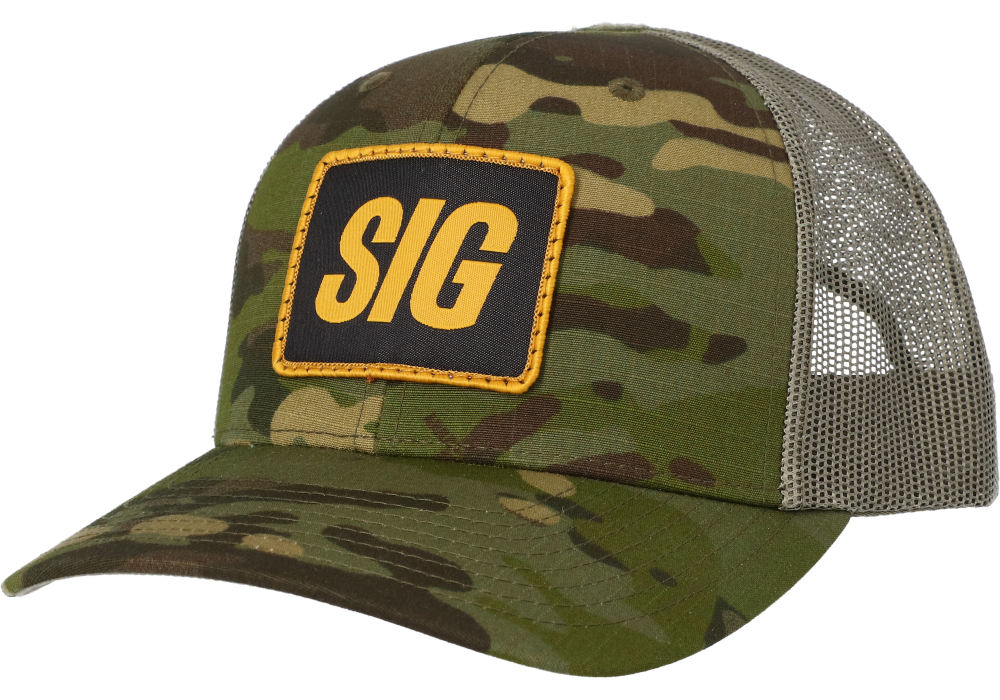
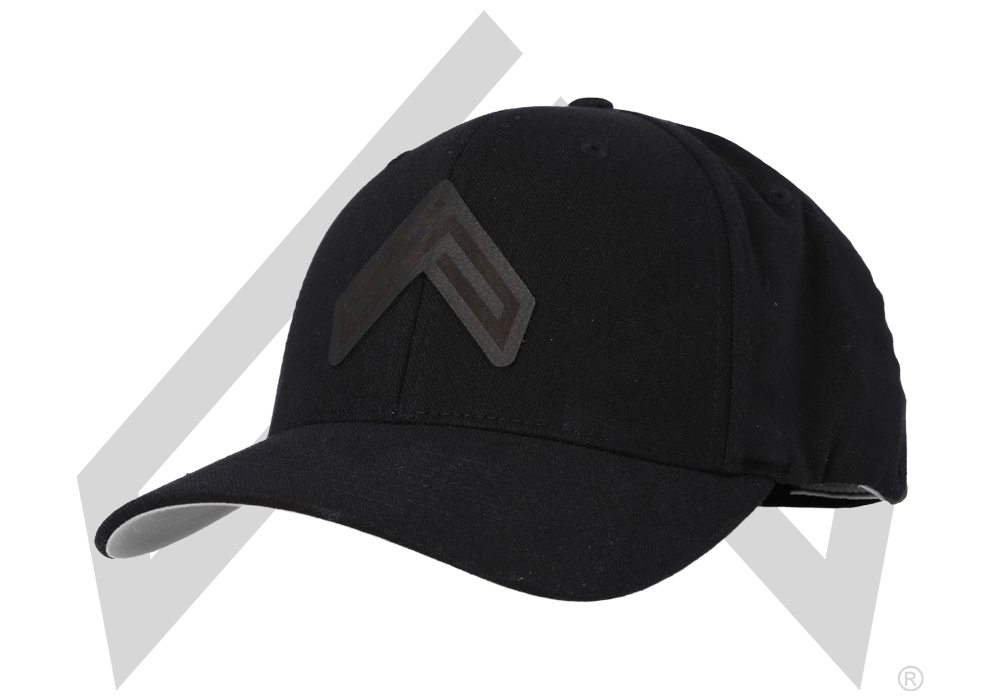
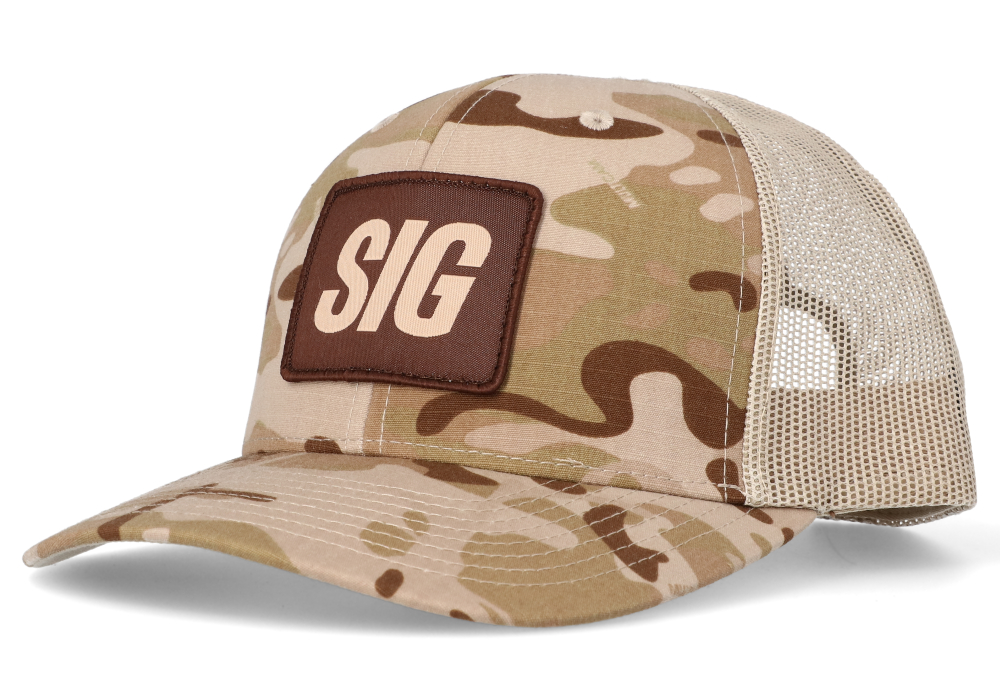
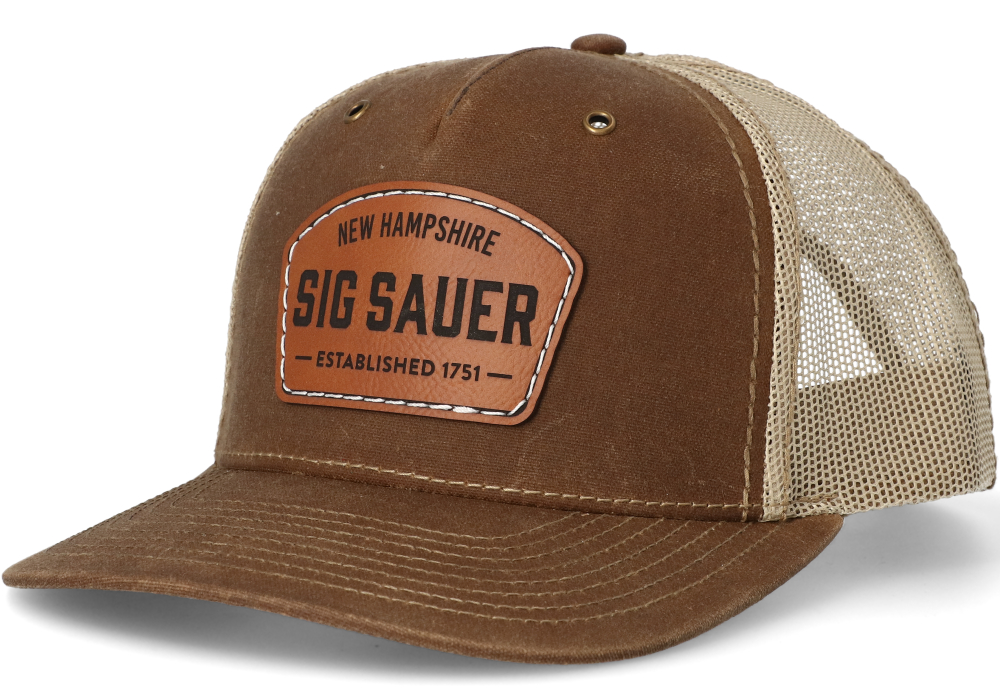
Men’s caps are close-fitting headwear with a shaped crown and, in many styles, a projecting bill or short brim. They bring a familiar finishing touch to casual clothing while offering practical comfort for everyday routines, travel, outdoor recreation, and time at the range. Baseball caps are among the most recognizable styles, with paneled crowns and bills that frame the face without the all-around brim of a traditional hat. Snapbacks are baseball-style caps defined by an adjustable snap closure, while fitted caps use a set size and stretch-fit designs rely on flexible fabric or an elasticized band. Trucker caps typically pair a fabric front with mesh back panels. Unstructured caps have softer crowns that settle closer to the head, whereas structured versions use reinforcement to maintain a more defined profile. Flat caps take a different approach, with a low crown and a short brim; newsboy styles generally have a fuller, paneled shape. These distinctions matter more than the broad label alone because two caps with similar colors can feel quite different when worn. A low-profile crown often suits someone who prefers a subtle silhouette, while a taller front panel gives embroidery or a patch more visual presence. Curved bills create a familiar sporting look, and flatter bills offer a more angular outline. Neither shape determines comfort on its own; crown depth, headband construction, and closure placement all contribute. For everyday outfits built around denim, T-shirts, and casual jackets, Casual Caps offer a related category to explore. Neutral colors tend to coordinate easily with an established wardrobe, while contrasting panels, textured fabrics, or prominent decoration make headwear a more noticeable part of an outfit. Someone who wears a cap from the morning commute through errands may value a different balance of softness and structure than someone choosing headwear for a weekend outing. The most useful style is the one that feels natural enough to wear repeatedly, rather than one that looks right only when resting on a shelf.
Materials and construction help explain how men’s caps feel, hold their shape, and respond to regular wear. Cotton twill has a familiar woven texture and a substantial feel, though its softness and weight vary with the fabric. Polyester is often selected for its resilience and relatively quick drying, while blended fabrics can combine different handling characteristics. Mesh panels allow more airflow through the back of a cap, but the front panel and interior band still influence overall comfort. Wool and tweed lend texture to traditional cap shapes, and leather brings a distinct surface that calls for its own care routine. Fabric names alone do not establish performance: weave, lining, reinforcement, and finishing all affect the result. Inside the crown, covered seams and neatly finished edges help limit rough contact against the scalp. A sweatband should lie smoothly rather than bunch near the temples, and the underside of the bill should feel secure without exposed edges or loose stitching. Fit begins with head circumference, measured around the area where the band will sit, then compared with the relevant sizing information. An adjustable closure offers flexibility, but it cannot fully compensate for a crown that is too shallow or too deep. A comfortable cap rests securely without leaving persistent pressure at the forehead or pinching above the ears. It should stay in place during ordinary movement without requiring an overly tight adjustment. Hair length and hairstyle can also change how a familiar size feels. For someone who wears glasses, the space between the band, bill, and frame arms deserves attention; pressure that seems minor at first can become distracting after several hours. Range use introduces another fit consideration, since the crown, top button, or rear closure may press beneath hearing protection. A cap is not a substitute for protective equipment, and its position should not interfere with the fit of eyewear or earmuffs. Trying those pieces together gives a more realistic sense of comfort than assessing headwear alone.
Durability often comes down to small construction details and everyday habits. Even stitching around the bill, secure panel seams, and a firmly attached closure support repeated use. Embroidery should sit cleanly against the fabric, while patches should have well-secured edges that resist catching on other belongings. A firm crown can preserve a crisp silhouette, but it may need more room in a bag; a softer crown is generally easier to pack, though the bill still deserves protection from crushing or sharp bends. Repeatedly forcing a brim into a different curve can strain its internal support, so choosing a preferred shape at the outset is usually more practical than heavily reshaping it later. Care should follow the label because fabrics, dyes, decoration, and brim inserts do not all tolerate the same treatment. Spot cleaning with a soft cloth and an appropriate mild cleaner can address small marks without saturating the whole cap, provided the care directions permit it. Testing an inconspicuous area first helps reveal color transfer or changes to the finish. Machine washing, prolonged soaking, harsh scrubbing, and heated drying are not suitable for every construction. After permitted cleaning, gently restoring the crown’s shape and allowing it to air-dry away from direct heat can help preserve its appearance. Putting a cap away only once it is fully dry also keeps enclosed storage from trapping moisture. A shelf, dedicated compartment, or roomy hook can keep the brim from being bent beneath heavier belongings. For frequent wearers, rotating between caps gives each one time for cleaning and airing between uses. As gifts, men’s caps work especially well when the recipient’s habits are familiar: a traveler may appreciate packability, a regular range visitor may prioritize compatibility with hearing protection, and someone devoted to a particular everyday look may care most about crown height and bill shape. An adjustable design allows some sizing flexibility, but personal preferences still matter. Matching the recipient’s usual colors, preferred level of decoration, and favored fit makes the choice feel thoughtful and increases the likelihood that the cap becomes part of an ordinary day.