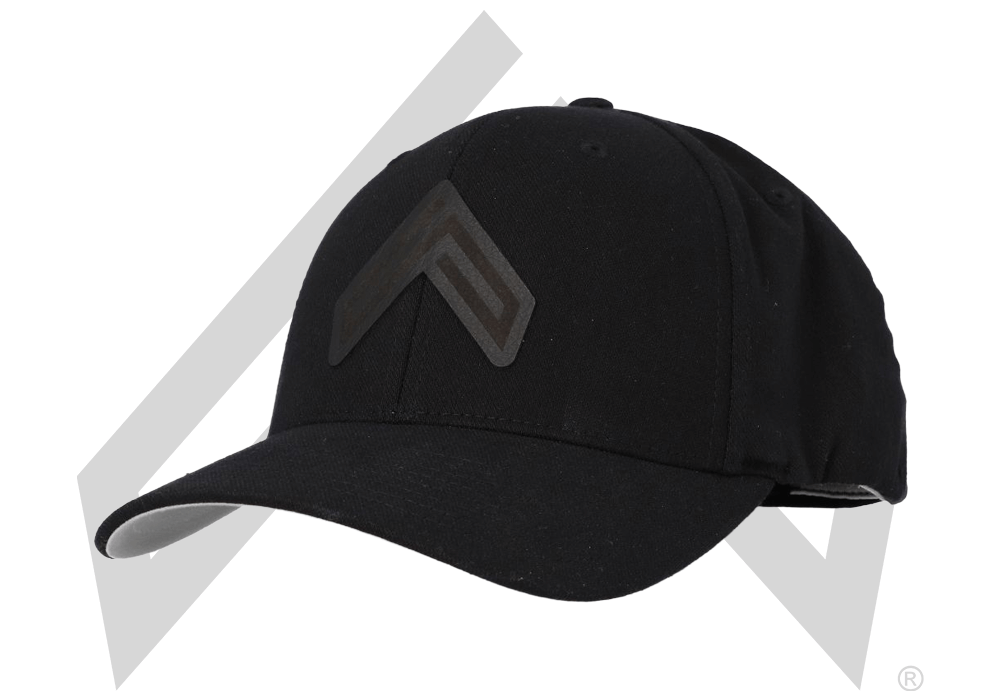
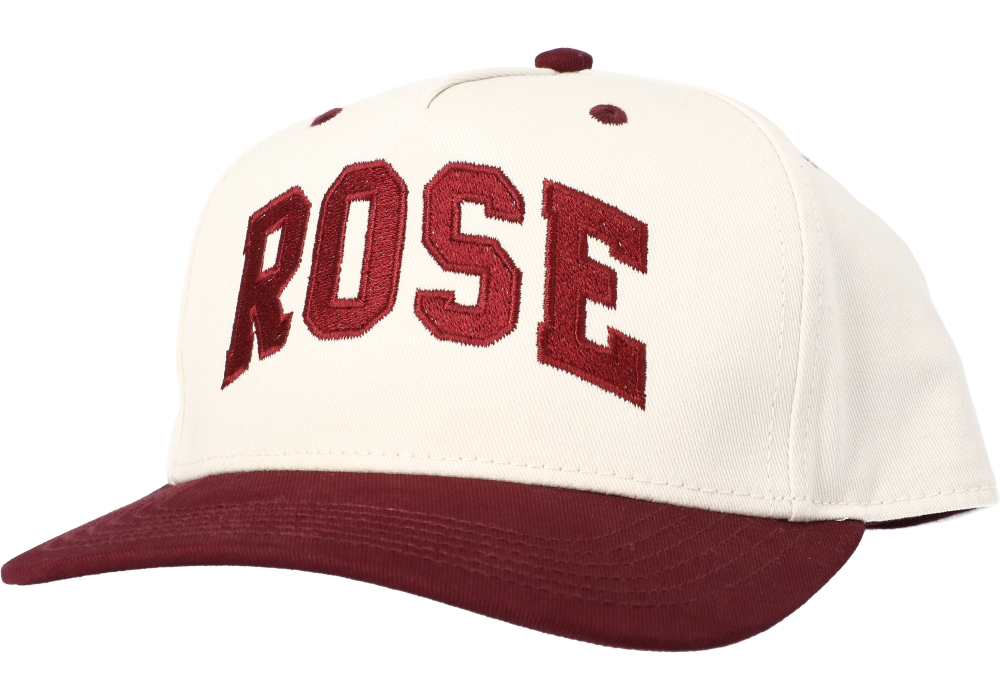
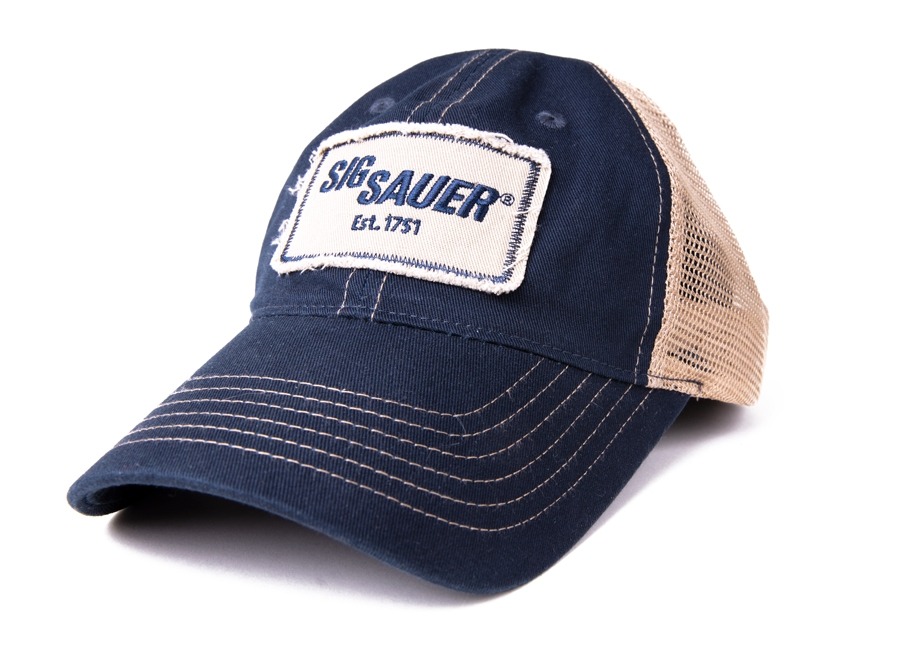
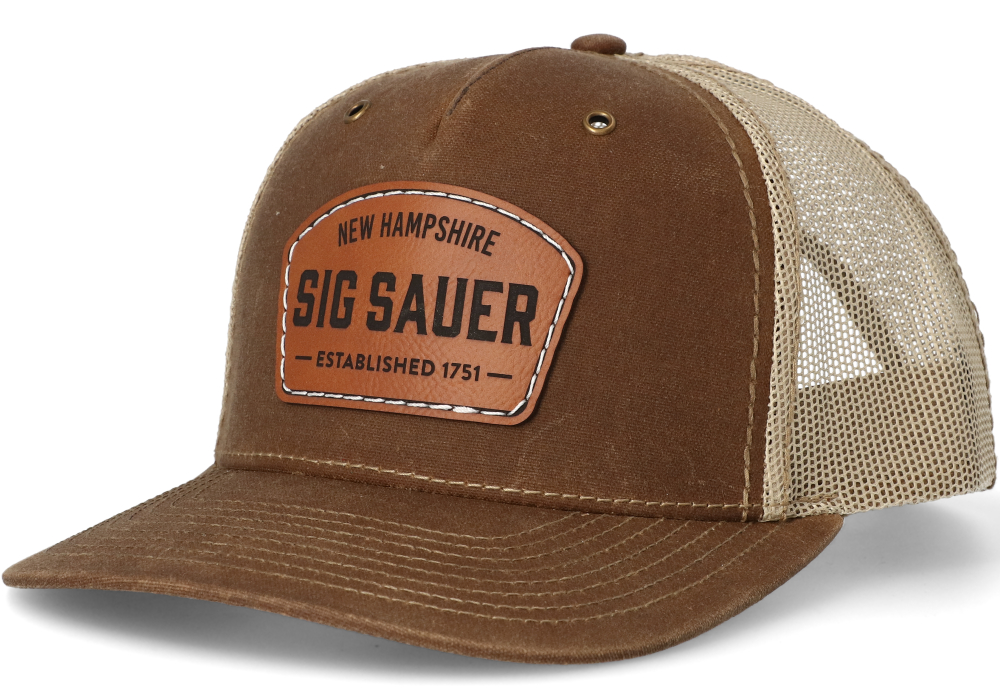
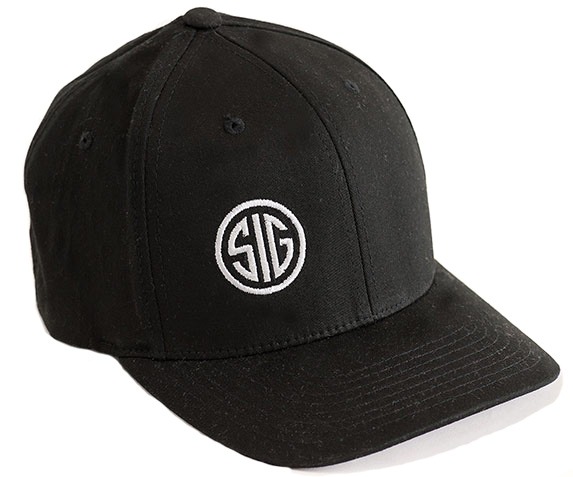
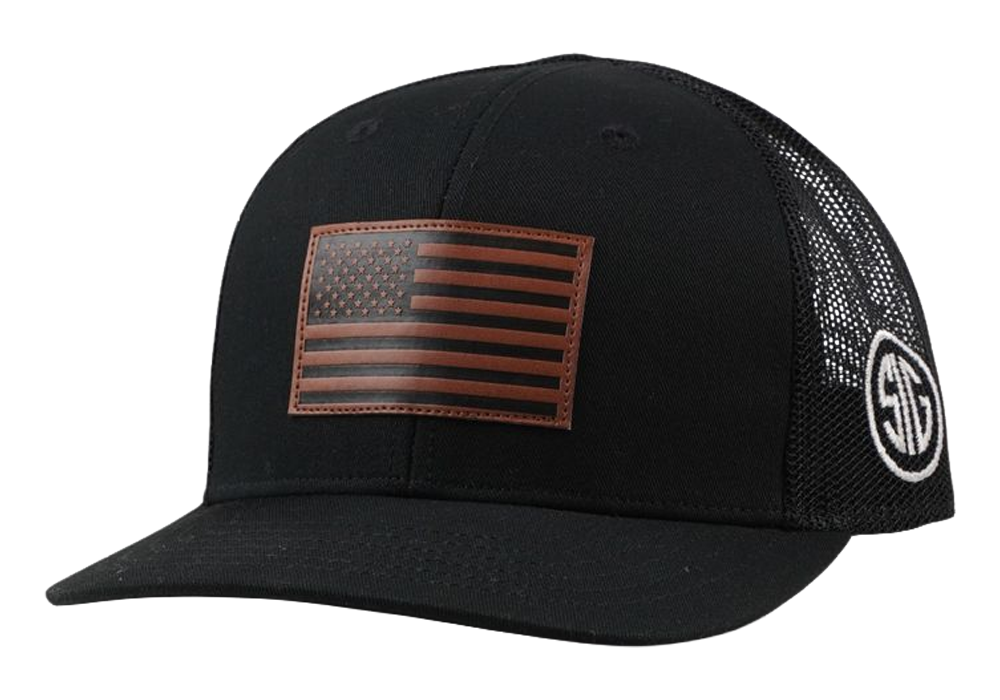
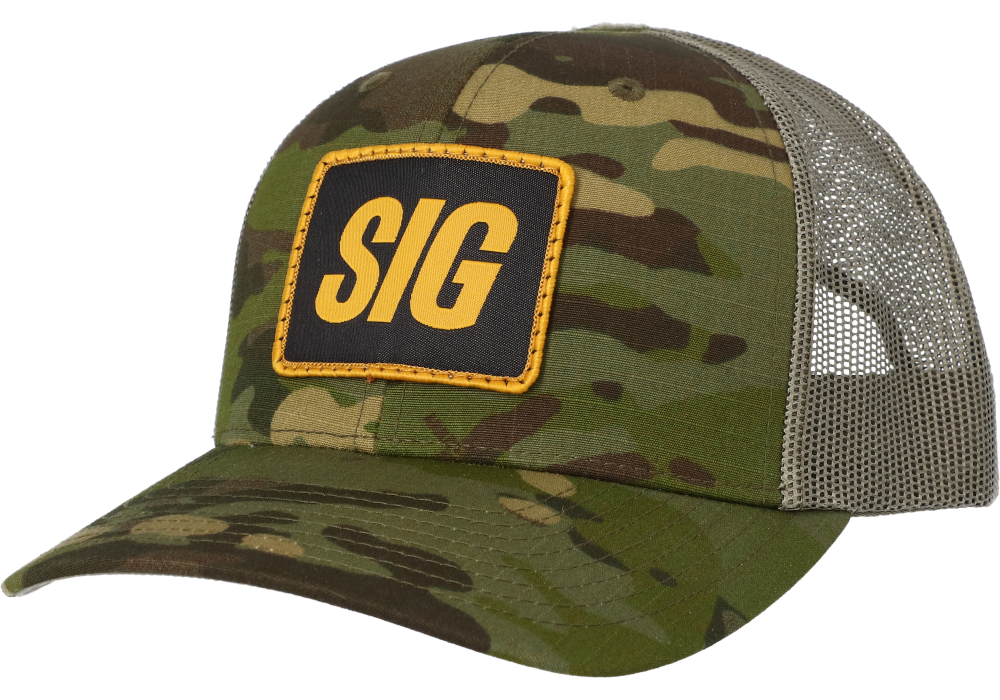
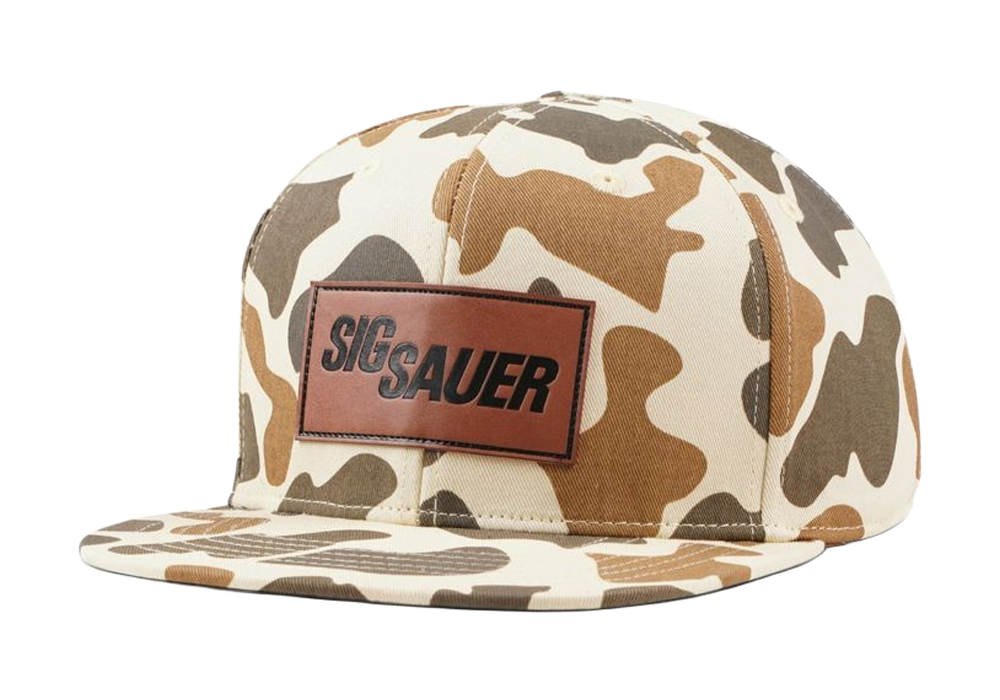
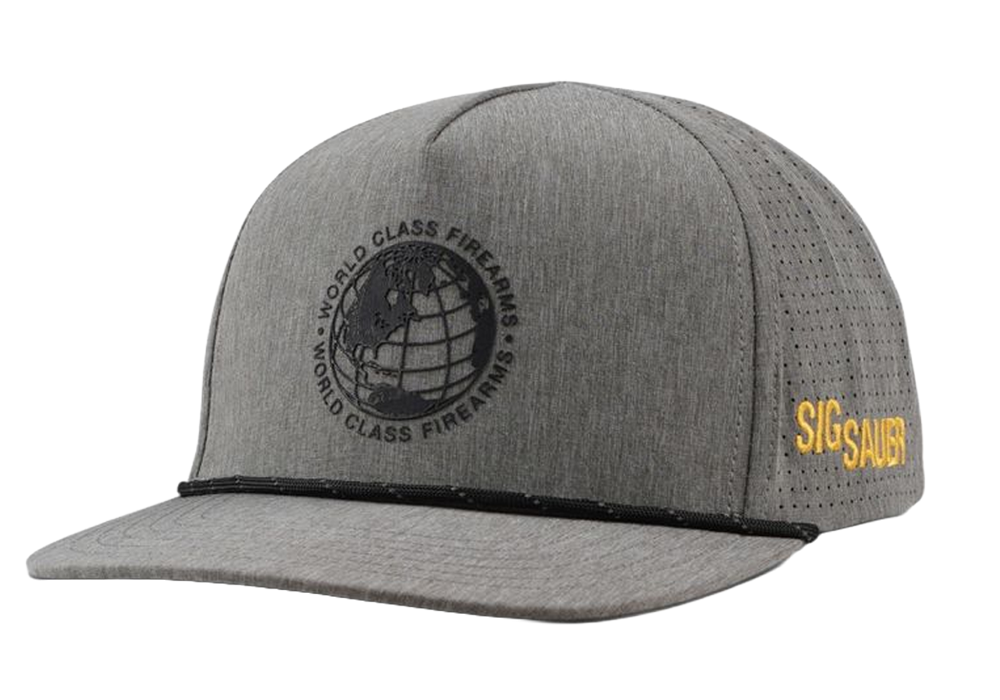
Casual caps are everyday headwear with a brim, a shaped crown, and a fit that feels comfortable through familiar routines, from morning errands to a weekend road trip. Their appeal is straightforward: a cap adds a finishing touch without requiring a carefully coordinated outfit. It works with a plain T-shirt and jeans, a polo and casual pants, or the clothes already set aside for a day at the range. Differences in crown shape, fabric, and construction give this simple accessory plenty of character. An unstructured crown has a relaxed feel and can settle closer to the head, while a structured front holds a more defined silhouette. Lower-profile shapes tend to look understated; taller crowns create more room and a more pronounced outline. Neither shape is inherently better, but each changes how the cap sits and how its proportions work with the wearer’s face. Brim shape matters, too. A curved bill creates a familiar, easygoing profile, while a flatter bill gives a more angular appearance. Graphics, embroidery, patches, and restrained lettering offer different levels of visual emphasis. For someone who usually wears solid colors, a textured fabric or a small embroidered detail can add interest without dominating the outfit. Someone who favors a more expressive look may prefer a prominent front graphic or contrasting panels. Looking at Casual Headwear can help put those preferences into a broader everyday wardrobe context. The most useful cap is often the one that feels natural enough to become part of the routine rather than something reserved for a particular occasion. Think about the clothes it will accompany, whether a subtle or distinctive appearance feels more personal, and how much crown structure feels comfortable. Those details do more to establish an easy, repeatable look than matching every color exactly.
Materials and fit have the greatest influence on how a casual cap feels after several hours of wear. Cotton twill has a familiar textile feel, with a diagonal weave that adds subtle surface texture. Canvas generally has a firmer hand, while polyester and blended fabrics can offer different combinations of shape retention, flexibility, and drying characteristics. Mesh panels provide a more open construction, although the front panels, inner band, and closure still contribute to the overall feel. Fabric names alone do not tell the whole story: a dense weave, stiff backing, or substantial inner band can change the experience noticeably. For adjustable caps, the closure determines how precisely the fit can be tuned. Snap closures use fixed adjustment points, sliding straps allow smaller changes, and hook-and-loop closures offer another way to secure the opening. A fitted style relies more directly on accurate sizing, so a head measurement and the relevant size chart are more useful than guessing from a previous hat. Measure around the area where the cap will sit, keeping the tape level and comfortably snug rather than tight. A good fit should feel secure without leaving persistent pressure at the forehead or temples. Crown depth deserves equal attention: a cap can have the correct circumference yet sit too low against the ears or feel too shallow at the back. Glasses add another consideration, since bulky seams or a low side profile may press against the arms. For range visits, check that the crown and brim work comfortably with properly fitted eye and hearing protection rather than forcing either out of position. During ordinary use, bending to tie a shoe, looking over a shoulder, or settling into a vehicle can reveal fit issues that are less obvious in a mirror. Smooth interior seams, a comfortable sweatband, and a closure that lies flat help keep those small distractions from becoming the defining feature of the cap.
Durability comes from the whole construction, not simply a heavy fabric. Even stitching, secure panel joins, neatly finished edges, and firmly attached decorative details all contribute to a cap that holds up to repeated handling. The brim should retain its intended shape during normal wear, while the adjustment hardware should operate without snagging the surrounding fabric. Taking the cap off by the crown rather than repeatedly tugging at one edge of the bill can help reduce unnecessary strain. Care should follow the label, particularly when embroidery, patches, contrasting fabrics, or internal shaping components are involved. A gentle surface clean may be suitable for a small mark, but soaking, machine washing, and machine drying are not interchangeable options for every construction. Test any cleaning method in an inconspicuous area, use the recommended detergent, and avoid aggressive scrubbing over raised stitching. After cleaning, reshape the crown gently and let it dry as directed without crushing the front panels. Putting a cap away while damp can encourage lingering odors, and pushing it into a tightly packed bag can leave creases that are difficult to smooth out. A shelf, roomy compartment, or other clean storage space helps preserve its shape between outings. These practical details also matter when choosing a cap as a gift. Everyday headwear can suit a frequent traveler, a recreational shooter, a friend who lives in jeans and T-shirts, or someone who appreciates a useful accessory with a recognizable personal style. An adjustable fit can offer flexibility, but crown depth, closure preference, and graphic placement are still worth considering. Notice whether the recipient favors softer hats or sharply defined fronts, neutral shades or contrasting colors, and subtle details or prominent designs. A cap that reflects those habits feels more thoughtful than one chosen for a graphic alone. With the right balance of fabric, proportions, and comfortable construction, casual caps earn their place through regular use: easy to pair, simple to care for, and familiar enough to reach for on the way out the door.