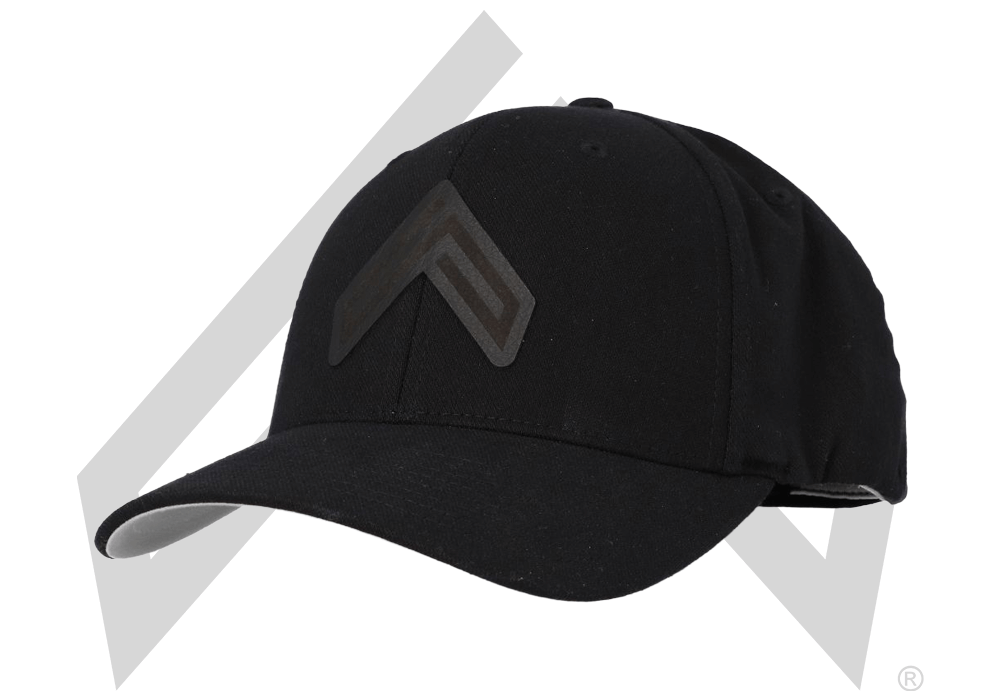
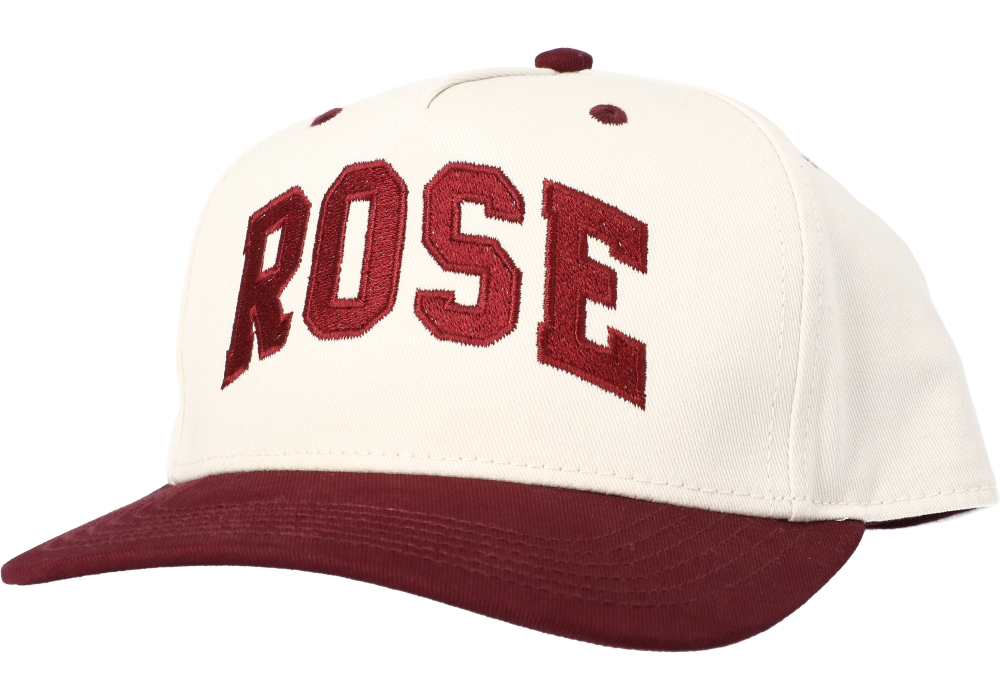
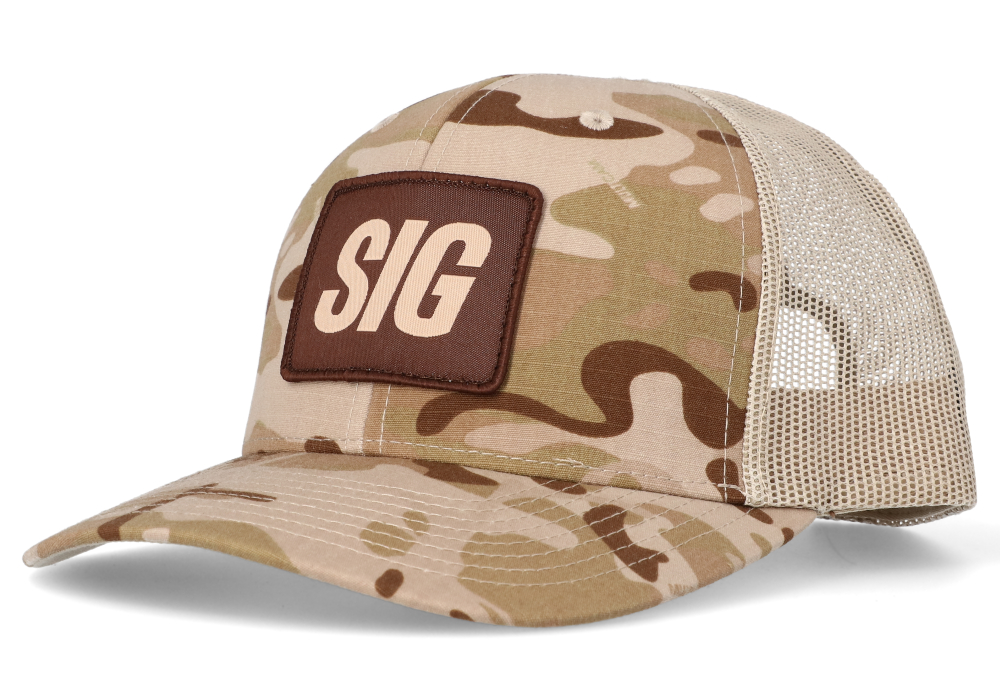
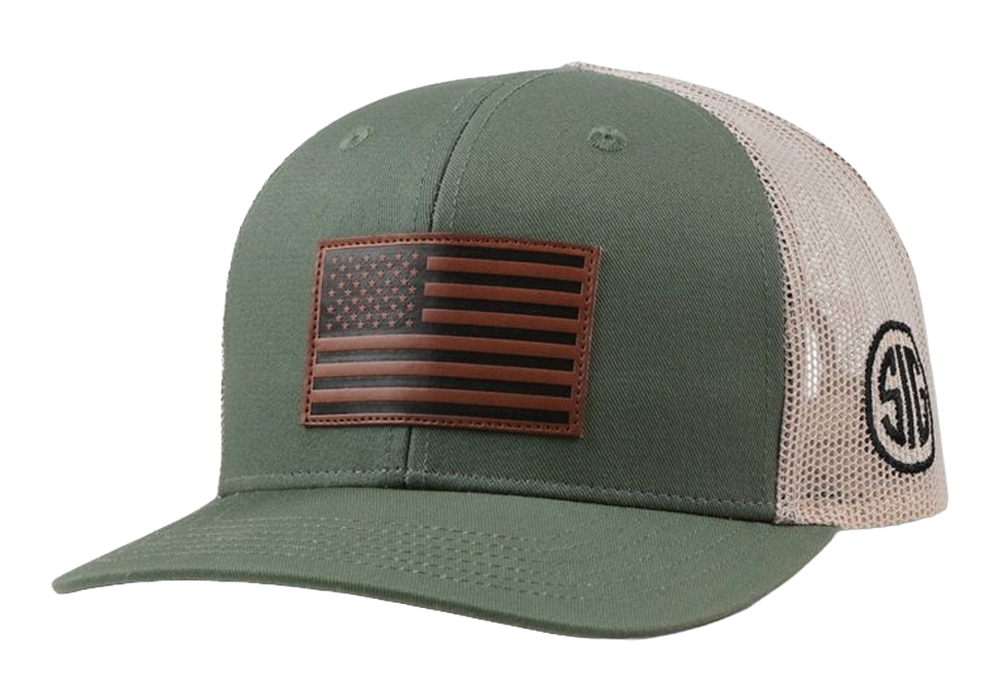
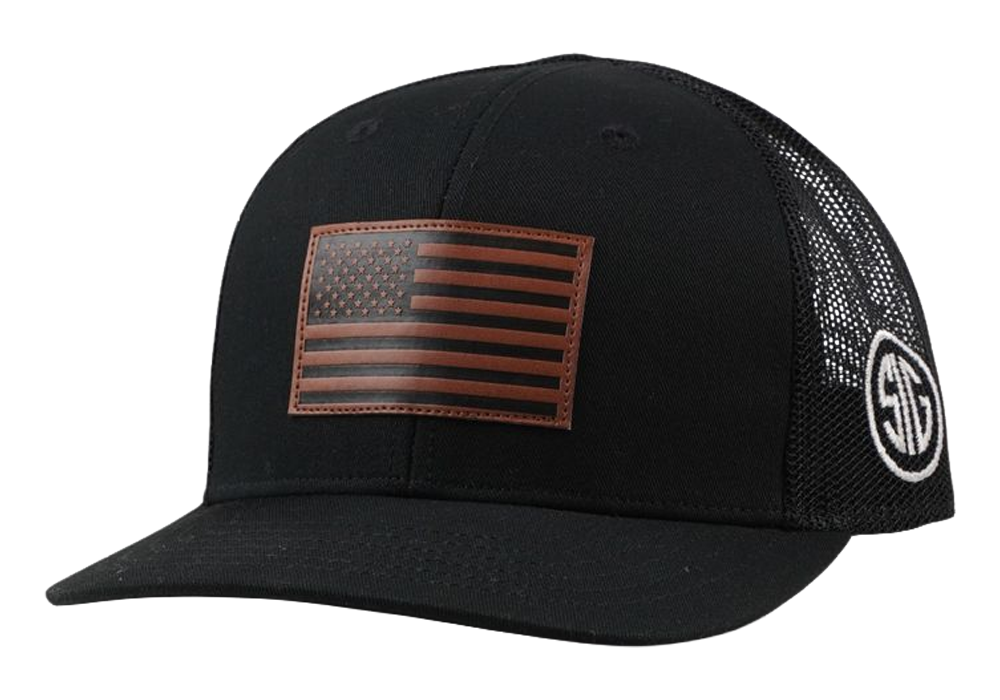
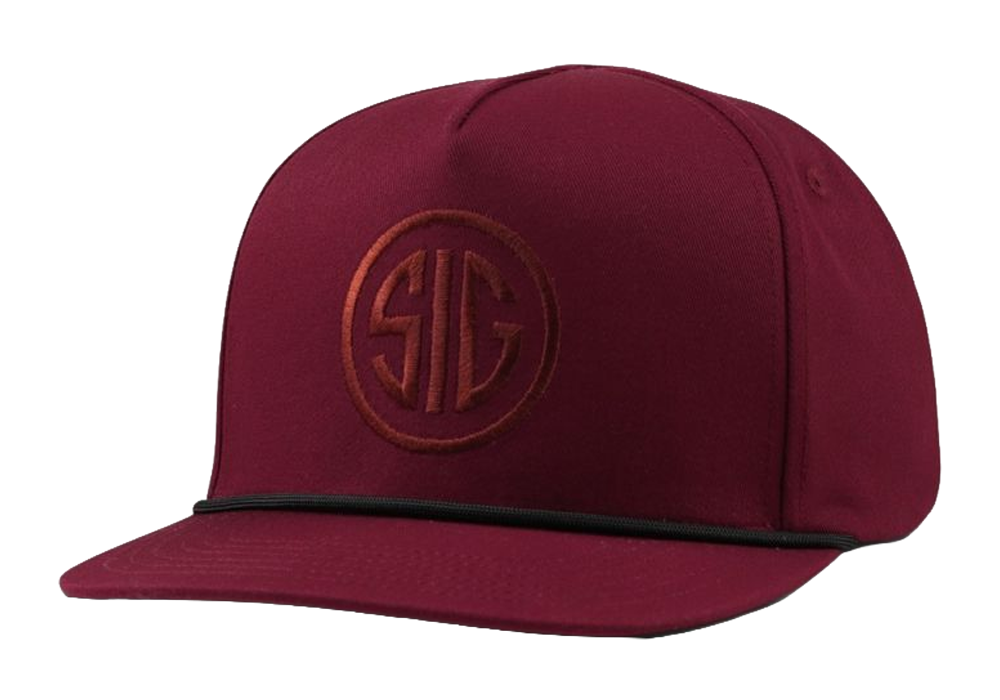
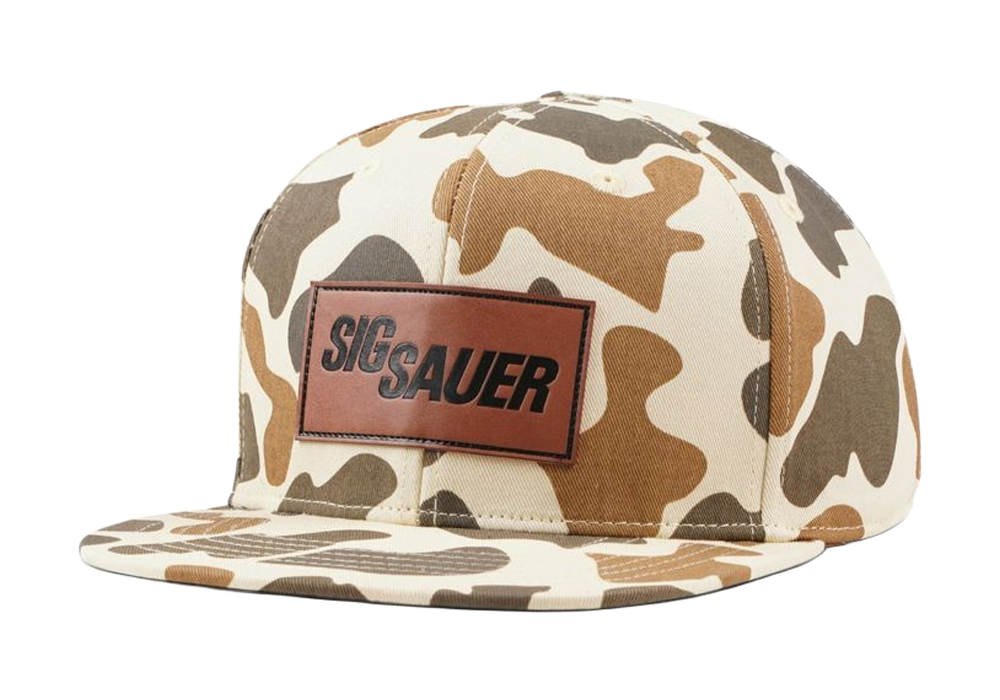
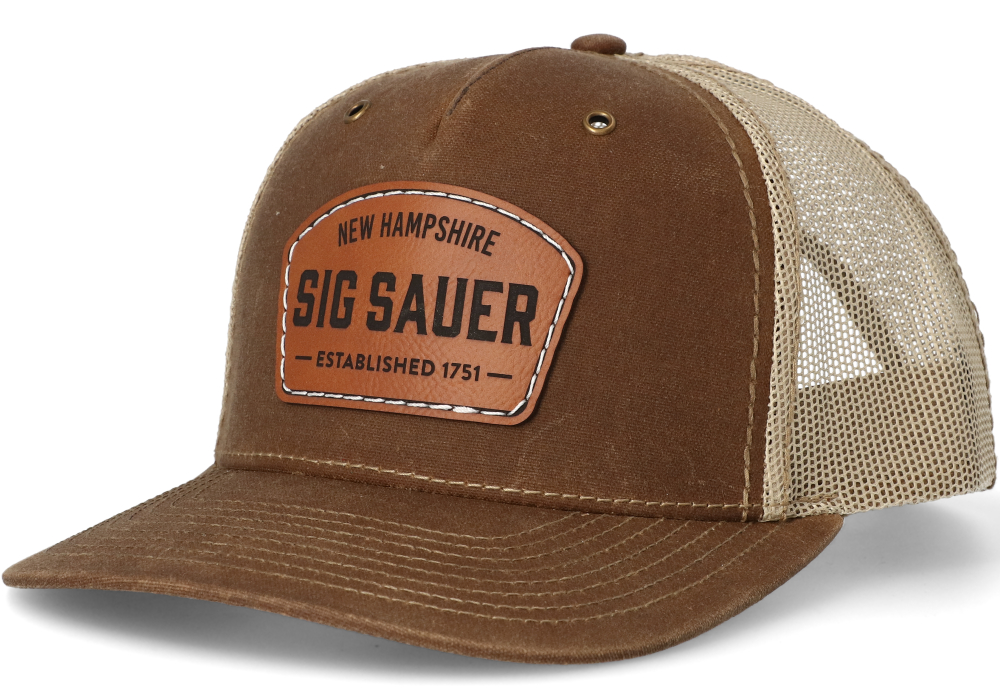
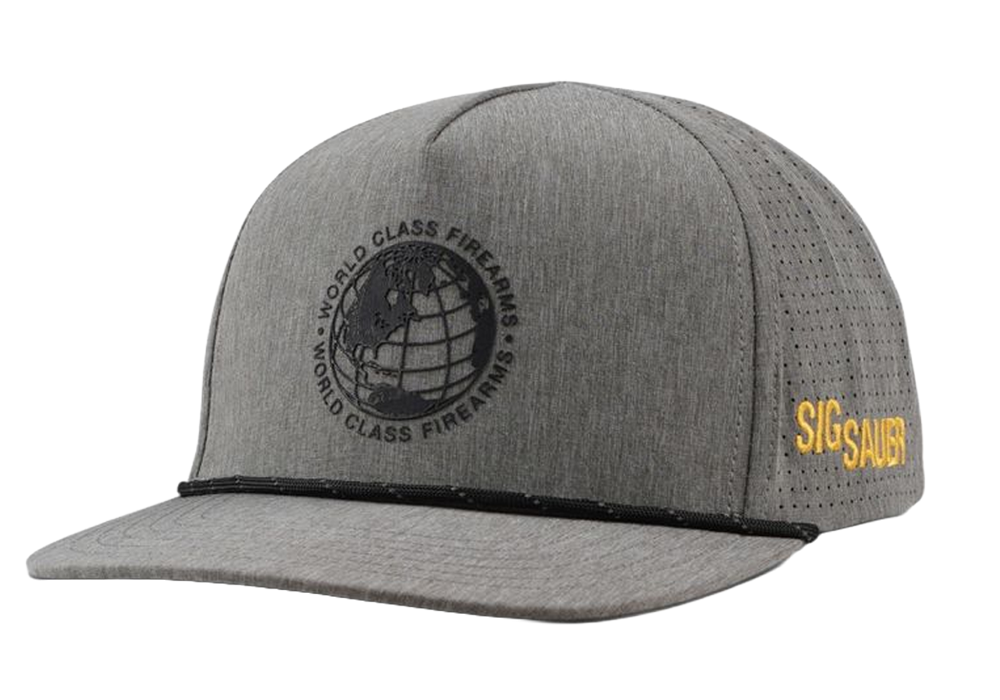
Casual headwear includes everyday hats and caps chosen for a relaxed appearance, comfortable fit, and easy coordination with familiar clothing. Baseball caps, low-profile caps, and mesh-back styles share that everyday role, but their shapes create noticeably different looks. A structured crown holds a defined silhouette, while an unstructured crown settles closer to the head and has a softer, less rigid feel. A curved bill gives a cap a familiar profile; a flatter bill creates a more angular outline. Neither shape is inherently more comfortable, so personal preference and the way the crown sits matter more than following a particular look. For errands, travel, a casual gathering, or time spent watching a game, a hat should feel like a natural part of the outfit rather than something that needs constant adjustment. Neutral colors pair easily with denim, work pants, tees, and overshirts, while contrasting panels, embroidery, or a patch can give a simple outfit a distinct focal point. Subtle decoration tends to blend into a varied wardrobe; bolder graphics suit someone who wants the hat to stand out. Proportion also affects the overall impression. A taller crown has more presence, while a shallow crown sits closer to the top of the head. The width and curve of the bill influence how the cap frames the face, especially when worn with glasses. Someone who regularly tucks a hat into a bag may appreciate a flexible crown, while someone who prefers a consistent silhouette may favor more structure. Consider where the hat will spend most of its time: beside the keys for daily errands, in a travel bag for weekends away, or on a hook near the door. Those ordinary routines help distinguish an everyday favorite from a style that looks appealing but rarely feels right when getting dressed.
Materials and construction help determine how casual headwear feels after several hours of wear and how well it holds its shape over time. Cotton twill has a familiar fabric texture and a substantial feel without necessarily being stiff. Canvas generally has a more pronounced, sturdy character, although fabric weight and finishing vary. Polyester and nylon fabrics can offer lightness and resistance to everyday abrasion, while blends combine different fiber characteristics. Mesh panels create a more open construction, but the front panel, internal band, and closure still play important roles in comfort. The fabric name alone does not tell the whole story: a coarse seam or rigid edge can be more noticeable against the head than the outer material. Look for evenly finished seams, secure stitching around the bill, and an interior band that lies smoothly rather than twisting or bunching. Fit deserves the same attention as fabric. A cap should sit securely without leaving persistent pressure across the forehead or pressing against the tops of the ears. Tightening the closure cannot fully correct a crown that is too deep or too shallow. Adjustable straps and snap closures allow changes in circumference, but their adjustment ranges differ, so measurements are more useful than assumptions about a universal fit. When a size chart is provided, measure around the head where the hat will sit and compare that measurement with the stated range. Leave room for the hairstyle normally worn beneath the cap. People who wear glasses should also consider whether the crown or side panels press the frames inward. For longer outings, small details become especially noticeable: a smooth inner band, a closure that stays put, and a bill that does not interfere with the usual line of sight. Durability comes from the combination of fabric, stitching, reinforcement, and sensible handling, not from a single material or a heavier feel.
Regular care helps casual hats retain their appearance without turning upkeep into a project. Start with the care label, since the fabric, bill insert, decoration, and closure may require different treatment. A hat with embroidered details or a fabric patch may need gentler cleaning than its plain exterior suggests. For routine maintenance, a soft brush or clean cloth can lift surface dust before it settles into the weave. Address marks on the interior band promptly, using a cleaning method suitable for the material and testing an inconspicuous area first. If hand washing is permitted, use a mild detergent, rinse thoroughly, and reshape the crown before allowing it to air-dry. Avoid twisting the bill or wringing the entire hat, which can distort its outline. Machine washing is appropriate only when the care instructions allow it, and concentrated heat can affect fit, adhesives, and some decorative elements. Storage matters, too. A crowded drawer can flatten a structured crown, while a bag packed tightly around a cap can crease the front panel. Give a favorite hat enough space to keep its intended shape, and let it dry completely after cleaning before putting it away. For gifting, casual headwear works best when the recipient’s habits guide the choice. Notice whether that person favors a shallow or tall crown, a curved or flatter bill, understated decoration or a prominent graphic. An adjustable closure can provide useful flexibility, but checking the fit range is still worthwhile. A familiar color often earns more wear than a statement shade chosen without a clear sense of the recipient’s wardrobe. Birthdays, graduations, and simple thank-you gifts are all natural occasions for an everyday accessory with a personal feel. For a recipient who also enjoys season-specific styles, explore the related Winter Headwear category. The most useful casual headwear is ultimately the kind that fits comfortably, suits the wearer’s routine, and is easy to reach for again.