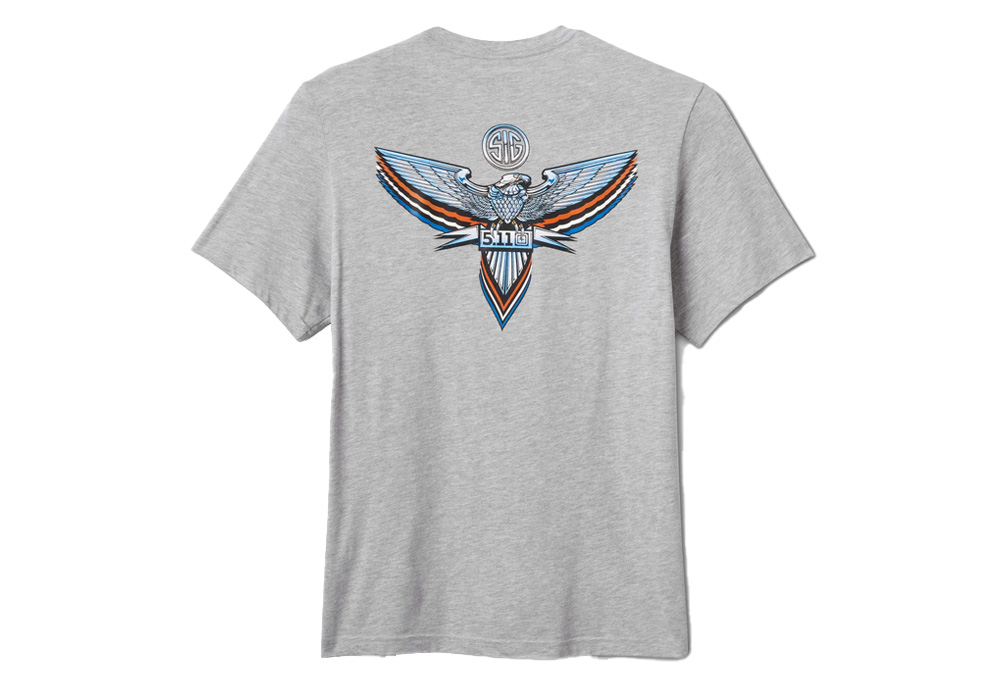
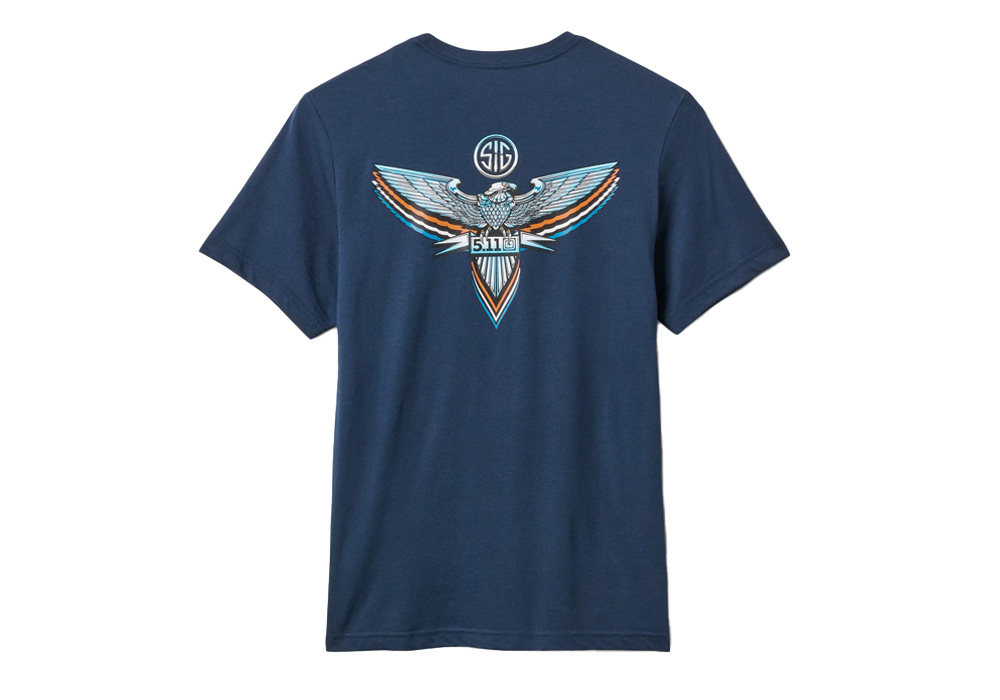
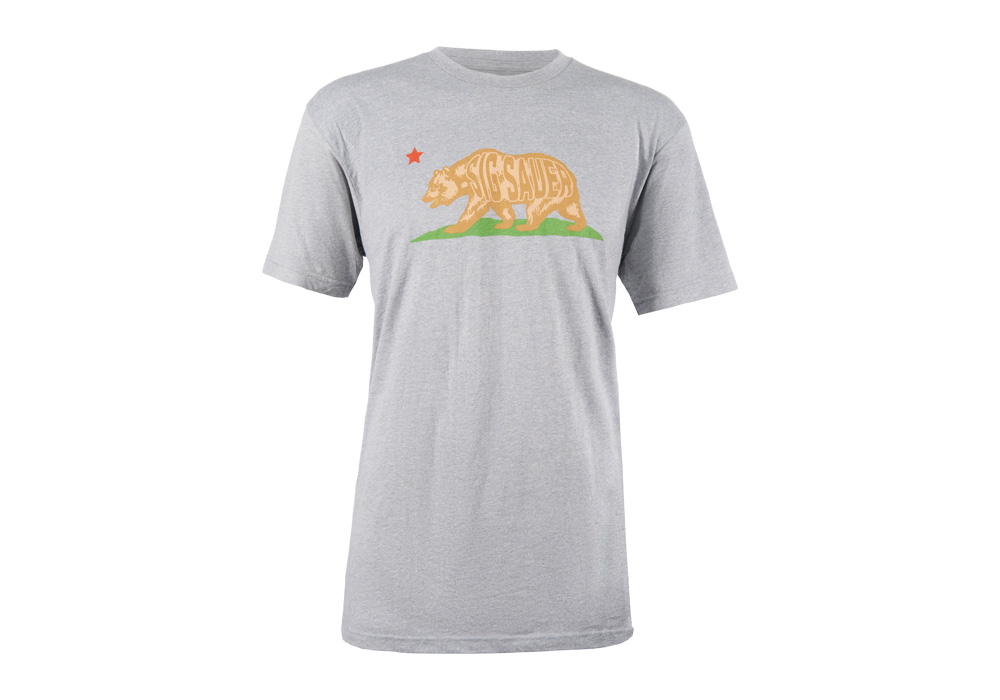
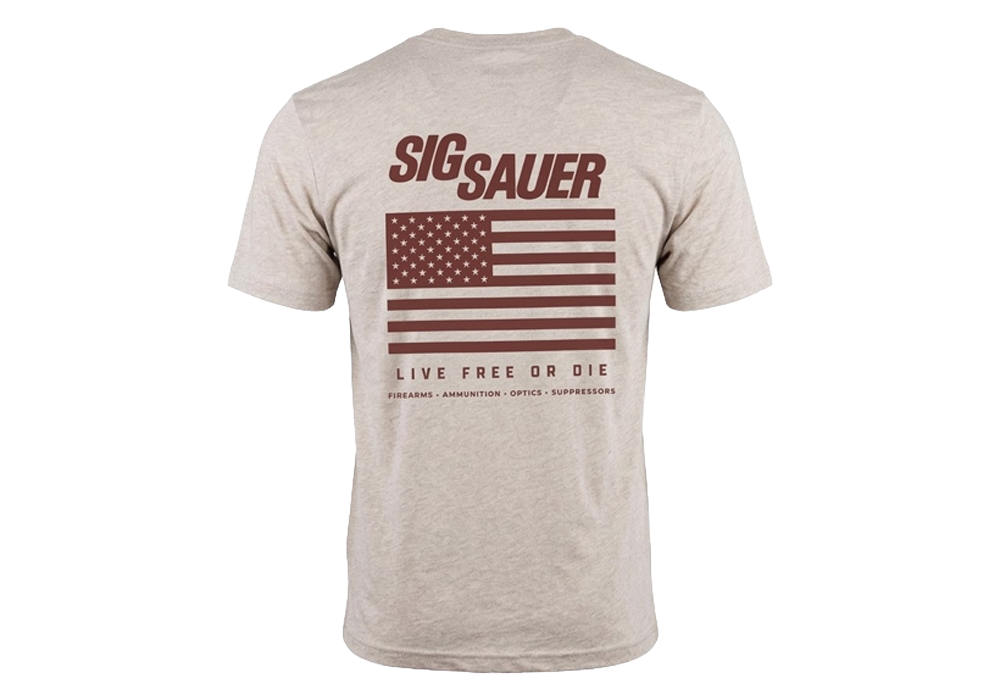
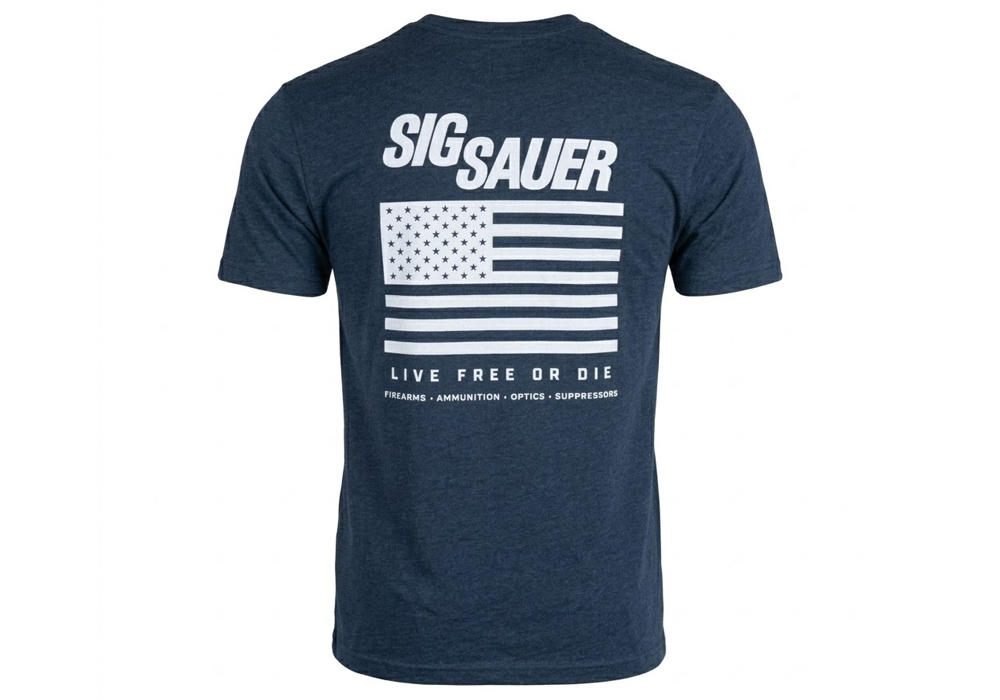
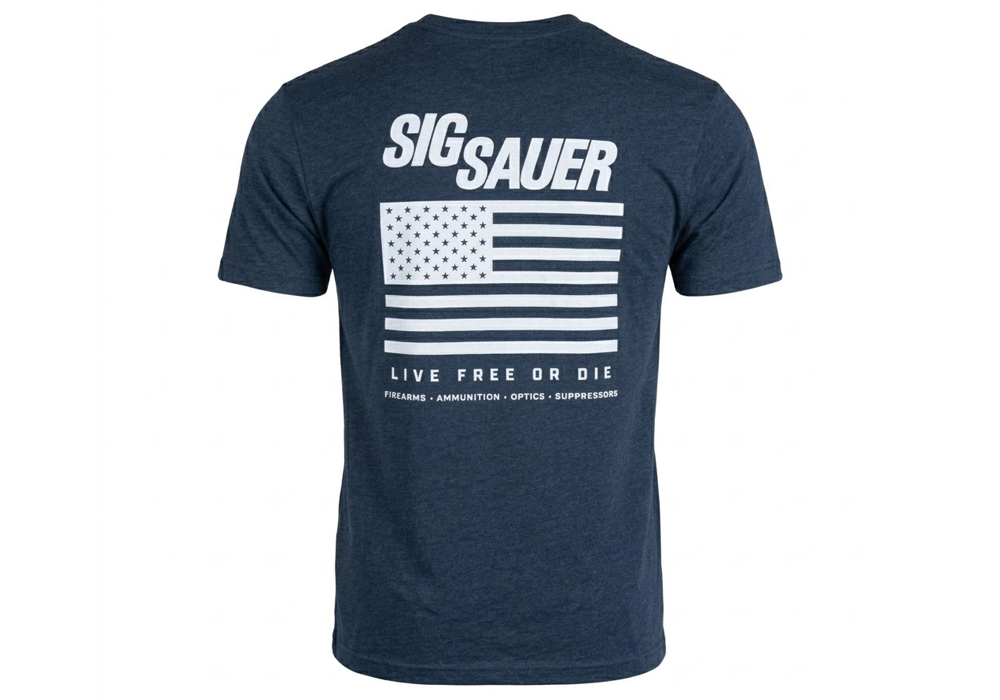
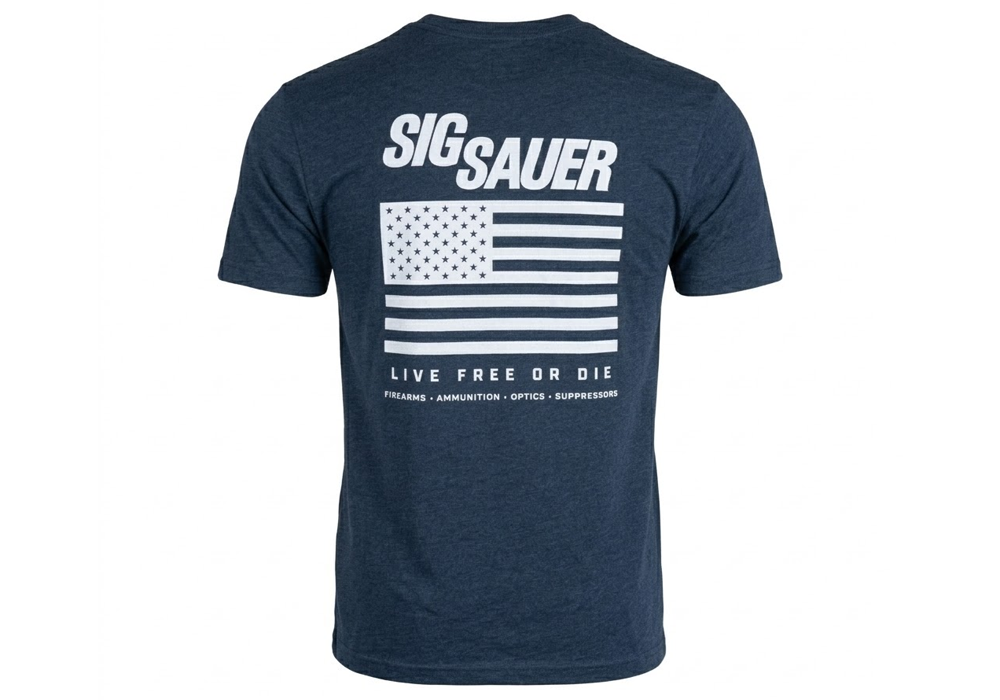
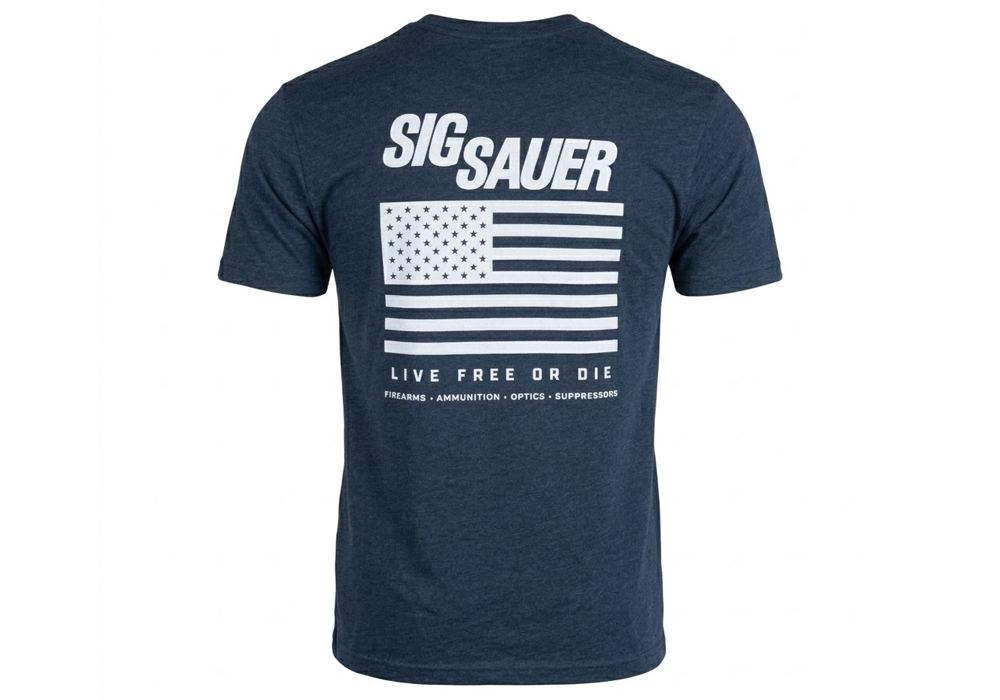
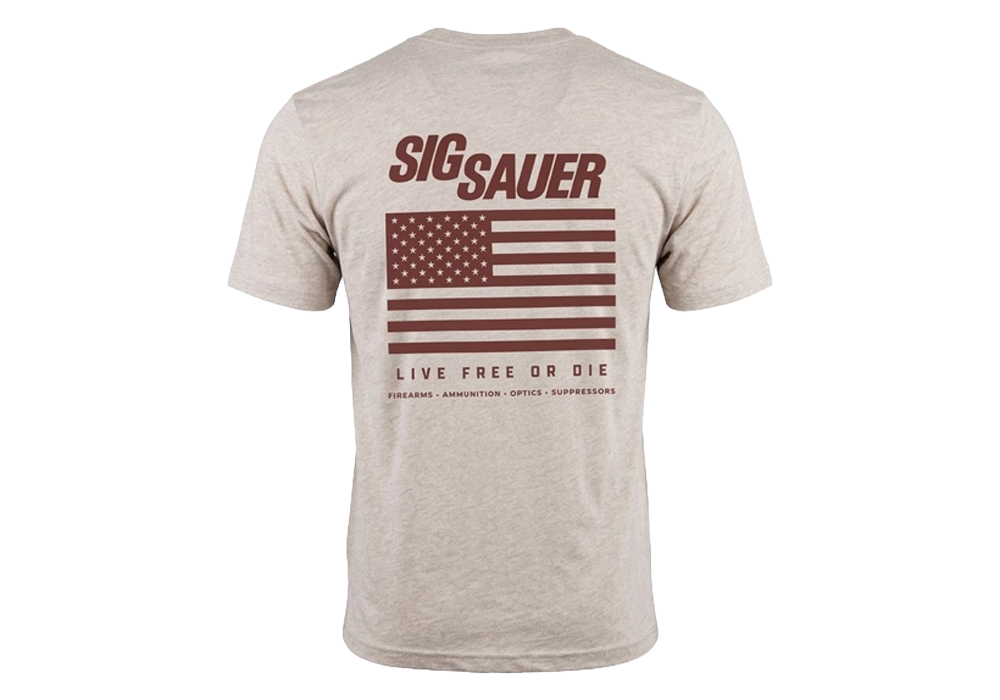
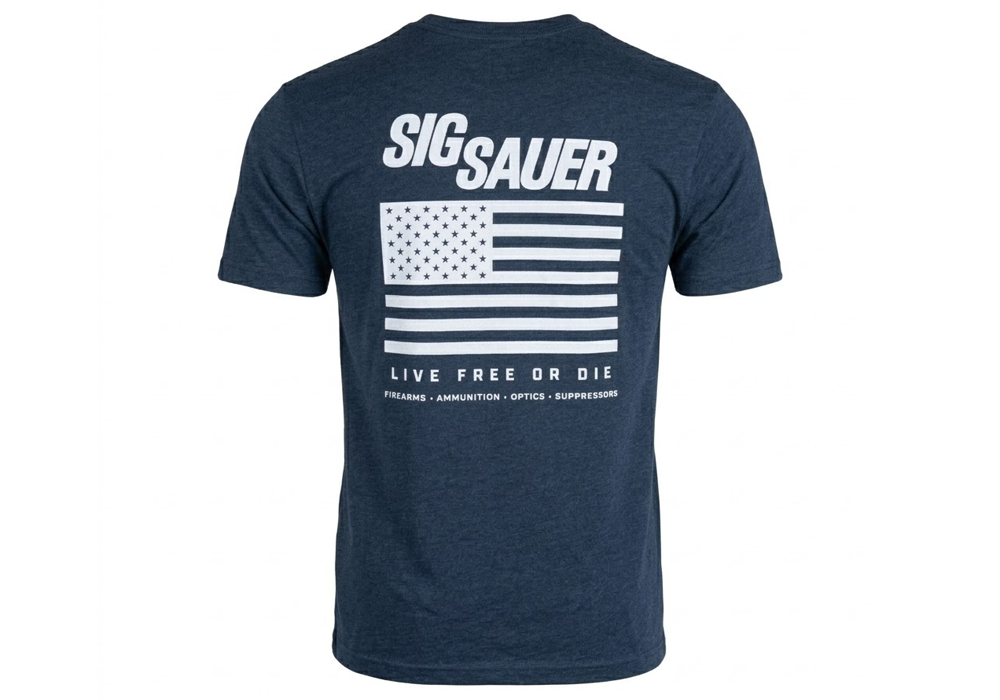
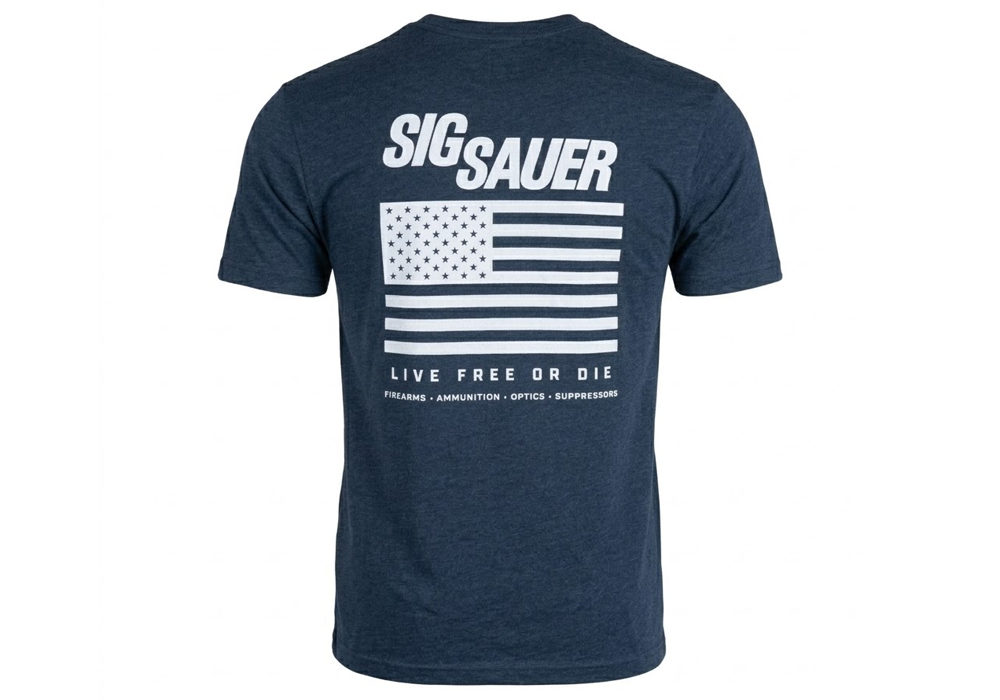
Men's Labor Day patriotic shirts combine national pride with the easy wear of casual clothing, from flag graphic tees to shirts with stars, stripes, and red, white, and blue patterns. Labor Day honors workers and their contributions, giving the holiday a distinct connection to everyday effort, skilled trades, and time spent with family and friends. A patriotic shirt can suit a backyard cookout, a neighborhood gathering, a road trip, or a relaxed afternoon around the picnic table without calling for an elaborate outfit. The visual character varies considerably: a small chest graphic feels understated, a larger back print creates a stronger statement, and an allover pattern brings the design across the entire shirt. Navy, charcoal, and black backgrounds can give flag artwork a grounded appearance, while lighter backgrounds create a brighter contrast. Distressed graphics have a deliberately worn-in look; crisp lines and solid colors feel cleaner and more graphic. Neither approach needs complicated styling. Jeans, simple shorts, or casual trousers give the artwork room to stand on its own, especially when the rest of the outfit uses solid colors. For a look centered on printed artwork, Men's Labor Day Graphic T-Shirts connects the holiday theme with a familiar casual silhouette. Crewneck tees work naturally with sneakers and everyday denim, while a collared or button-front style offers a slightly more structured alternative for a family meal or gathering with coworkers. The strongest choice is usually a shirt that suits the wearer's regular wardrobe, rather than one that feels useful for only a single celebration. A restrained flag detail can remain part of an everyday rotation, while a bold stars-and-stripes design may appeal to someone who enjoys clothing with a clear focal point. Graphic placement matters, too: an open overshirt can frame a front print, but it will conceal artwork across the back.
Fabric and fit determine how a patriotic shirt feels long after the first impression of its artwork. Cotton is a familiar option for casual tees because of its softness and absorbency, though the texture depends on the yarn, knit, fabric weight, and finishing. Combed or ring-spun cotton can have a smoother hand, while a heavier knit may feel more substantial without necessarily being softer. Cotton-polyester blends can offer a balance of softness, shape retention, and relatively quick drying; blends containing stretch fibers may provide additional flexibility. Actual performance depends on the fabric composition and construction, so a fiber label is more useful than assumptions based on appearance. Woven shirts have a different feel from knit tees, often holding a more defined shape through the collar, placket, and body. For men's Labor Day patriotic shirts, the right fit leaves enough room for ordinary movement, whether that means reaching across a picnic table, carrying a folding chair, or settling into a seat for a long drive. Shoulder seams that sit near the shoulder's edge generally create a conventional fit, while extra width through the chest and body creates a more relaxed outline. A close-fitting shirt should still allow comfortable movement across the upper back and under the arms. Body length deserves attention as well: a hem that looks balanced while standing can ride higher when the wearer reaches overhead. Comparing garment measurements with a favorite shirt helps account for differences between cuts, especially when shopping for someone else. Sleeve length, collar shape, and torso proportions can matter as much as the size printed on the label. Construction details also affect everyday comfort and durability. Even seams, a neckline that lies flat, and a smooth interior finish can make a shirt easier to wear repeatedly. On button-front styles, secure buttons and a placket that rests smoothly help maintain a neat appearance. Printed areas deserve equal consideration, since a large, dense graphic can feel less flexible than a smaller design, even when both shirts use similar fabric.
Care plays a practical role in keeping patriotic colors, fabric texture, and printed details looking their best. The garment's care label takes priority because cotton tees, stretch blends, and woven shirts can require different treatment. Where the label permits, washing printed shirts inside out with similar colors can reduce surface friction against the artwork. Excessive heat can affect fabric dimensions, elastic fibers, and some print finishes, so the recommended drying method matters as much as the wash cycle. Promptly removing a shirt from the washer or dryer can also help limit creasing, particularly around hems and button plackets. Printed graphics generally should not have direct contact with a hot iron unless the care instructions specifically allow it. A shirt intended for repeated wear benefits from a routine that is easy to maintain; an especially delicate fabric or finish may be less convenient for someone who prefers straightforward laundry care. Intended use helps put those details in perspective. A tee for relaxed gatherings may prioritize softness and an easy fit, while a shirt worn beneath an overshirt needs enough room through the sleeves and shoulders to avoid bunching. Someone who spends much of a gathering moving between the kitchen, patio, and picnic table may appreciate an unrestricted cut more than a sharply fitted silhouette. For gifting, familiar preferences are often more useful than guessing which graphic will attract the most attention. A recipient who usually wears muted colors may get more use from a subtle flag motif than a full-shirt pattern; someone with a wardrobe of bold graphic tees may welcome larger artwork. Checking a favorite shirt's size and measurements, along with its neckline and sleeve shape, gives a gift a better chance of becoming a regular choice. Men's Labor Day patriotic shirts are most useful when holiday meaning, comfortable construction, and personal style work together—clothing that feels appropriate for the celebration and still feels like the wearer afterward.