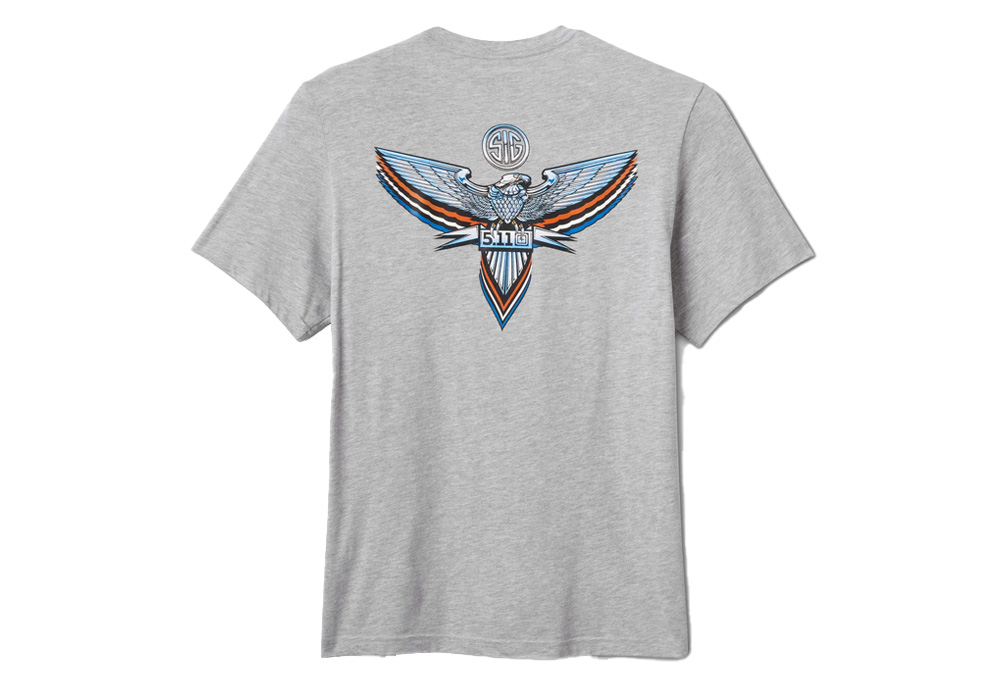
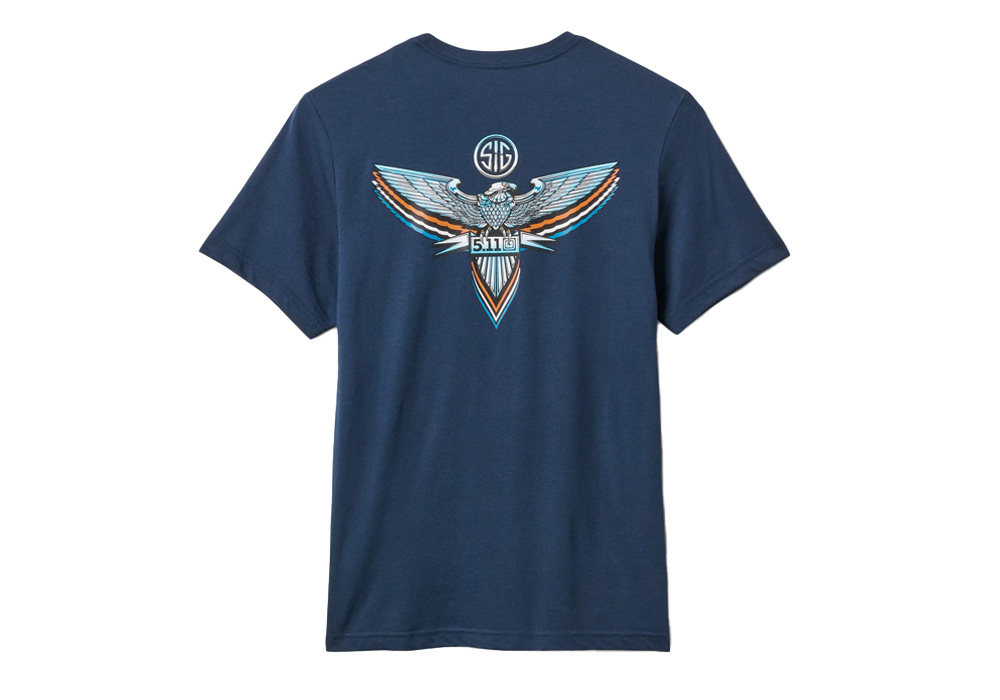
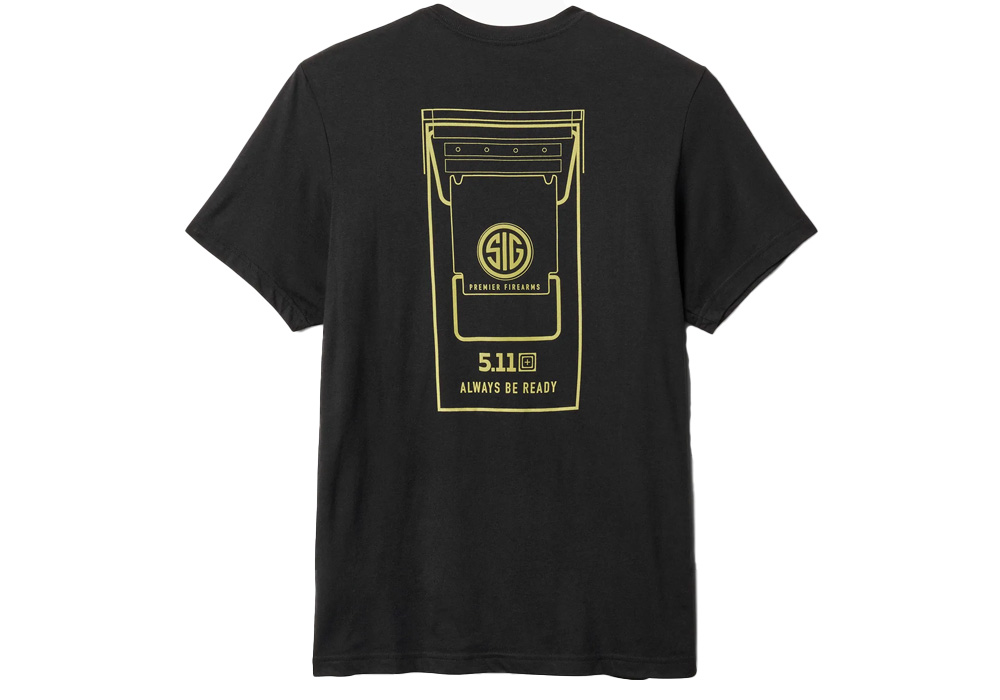
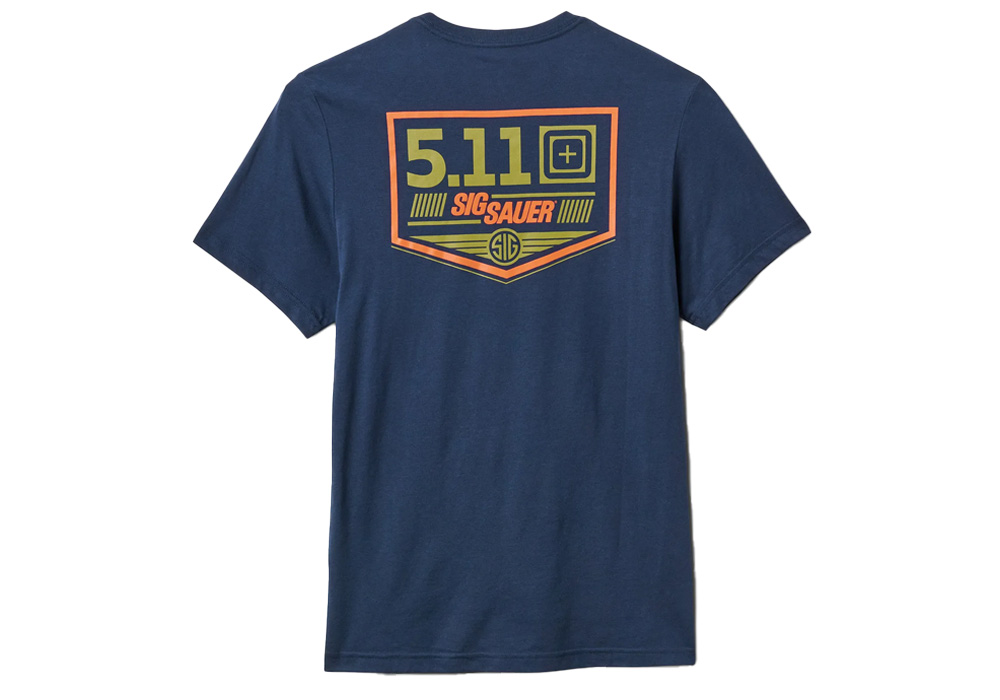
Men's shirts for Labor Day barbecues combine breathable fabrics, a comfortable fit, and relaxed style that works around the grill, at the picnic table, and throughout a long afternoon with friends. The occasion calls for clothing that feels casual without looking careless: a shirt that sits comfortably across the shoulders, moves easily when carrying a platter, and still looks neat in a group photo. Late-summer gatherings can mean bright sunshine, a shaded porch, or an evening that stretches well past dinner, so fabric weight and texture matter as much as color. Cotton jersey has a familiar softness and a casual appearance that pairs naturally with shorts or jeans. Cotton blends can bring a different balance of softness, shape retention, and drying time, depending on their composition and construction. Lightweight performance fabrics may suit an active afternoon of lawn games or helping the host, particularly when moisture management is a stated feature. No single material feels the same in every setting, and a dense knit can wear differently from a lighter fabric even when both share similar fiber content. Breathability comes from the fabric's structure as well as its ingredients; an open, airy feel can be more useful for a backyard gathering than a heavy shirt with a sporty appearance. Smooth jersey offers a clean surface, while textured knits add visual interest without requiring a bold pattern. A slightly substantial fabric can provide more coverage and a firmer drape, whereas a lighter shirt tends to feel less bulky under an extra layer. Those differences help define the character of a barbecue outfit, from an easy T-shirt with broken-in denim to a collared shirt worn with simple chino shorts. The most useful choice is one that suits the gathering and feels comfortable through the ordinary movements of the day, rather than one that looks good only while standing still.
Fit gives a casual shirt its shape, and a few small details can determine how comfortable it feels over several hours. Shoulder seams that sit near the edge of the shoulder generally create a clean outline without pulling across the upper back. Enough room through the chest and midsection allows for sitting, reaching across a table, and joining a game without fabric binding at the underarms. An especially loose shirt can bunch beneath an overshirt or hang into the way while serving food, while a very close fit may feel restrictive after a full meal. Sleeve length and opening also affect the overall impression: a sleeve that rests comfortably around the upper arm often looks neater than one that grips or flares sharply. For untucked wear, the hem should offer comfortable coverage when bending or reaching without extending so far that the shirt overwhelms the rest of the outfit. Exact proportions vary with height and build, which makes garment measurements more useful than relying on a size letter alone. Comparing those measurements with a shirt that already fits well can clarify the difference between a trim silhouette and a roomier one. Styling can stay straightforward. Solid colors work easily with patterned shorts, while a graphic shirt usually looks more intentional alongside simpler pants. Darker shades offer a strong visual contrast with light chinos; heathered fabrics bring texture to an otherwise plain outfit. A crew neck keeps the mood informal, a henley adds detail at the neckline, and a polo introduces a collar without feeling dressed for a formal event. For a collared alternative, Men's Polos for Labor Day Sales connects the holiday theme with an easy, pulled-together look. Across these styles, comfortable proportions and uncomplicated pairings help a shirt transition from a family cookout to a casual dinner afterward without requiring a complete change.
Durability and care matter because a good barbecue shirt should have a life beyond one holiday gathering. Repeated washing, contact with chair backs, and the everyday friction of regular wear all put fabric and stitching to work. Even seams, a neckline that lies flat, and a hem that hangs straight are useful construction details to consider. Ribbed collars and cuffs should feel comfortable rather than stiff, and decorative details should not create scratchy areas against the skin. Care requirements deserve the same attention as appearance, especially for shirts likely to encounter barbecue sauce, cooking oil, sunscreen, or grass. The care label provides the right starting point because fiber blends, dyes, and printed designs can require different treatment. Prompt attention to stains is generally easier on a shirt than leaving them until the next laundry day, and checking a treated area before machine drying can help prevent a lingering mark from becoming harder to remove. Turning printed shirts inside out may reduce surface abrasion when the care instructions allow it; appropriate wash temperatures and drying methods can also help preserve fit and color. A shirt that requires more attention is not necessarily unsuitable, but its upkeep should match the wearer's routine. These practical considerations also make men's casual shirts thoughtful gifts for a Labor Day host, a partner who enjoys backyard cooking, or a friend whose weekends often include family gatherings. Familiar sizing, preferred sleeve length, and the colors already worn most often are better clues than choosing a style solely for the occasion. Subtle graphics can suit someone who likes understated clothing, while a more expressive design may fit a recipient with an established taste for statement tees. Comfortable fabric, reliable construction, and a familiar silhouette give the gift usefulness after the cookout ends. The lasting appeal is straightforward: a shirt that feels right during a relaxed holiday gathering and remains an easy choice for everyday casual wear.