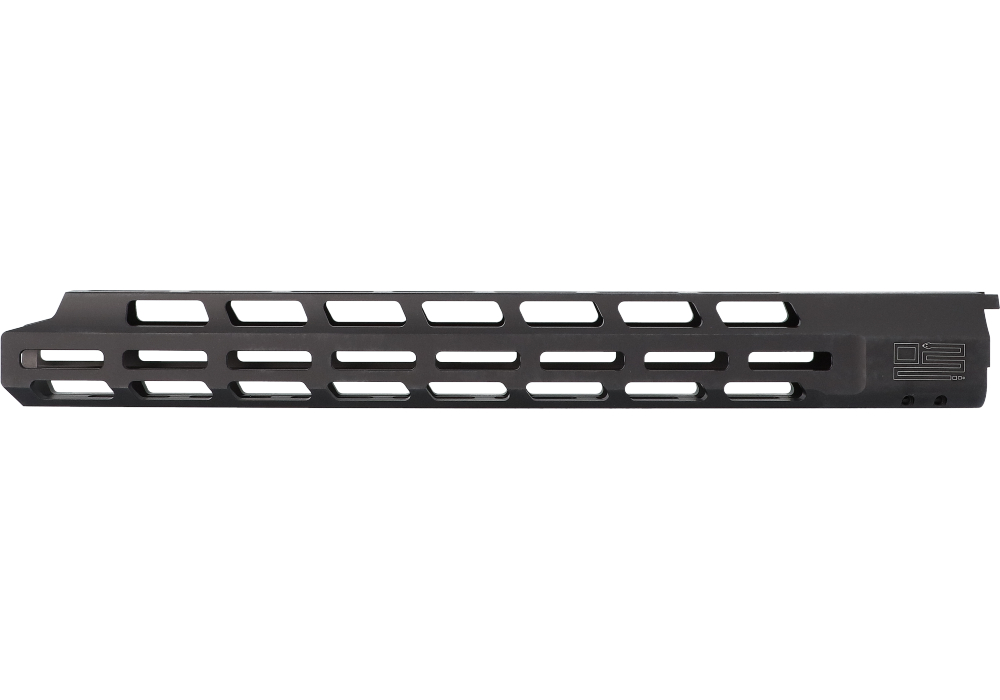
Building a practical AR-15 setup starts with accessories that improve control, visibility, reliability, and safe handling rather than simply adding visual flair. A quality optic is often the first priority for a rifle used at the range, for training, or for defensive readiness. A red dot sight can provide a clear aiming reference and quick target acquisition, while a magnified optic may suit users who spend more time shooting at greater distances. Select an optic that is durable, easy to adjust, compatible with the rifle’s mounting system, and suited to the lighting conditions where it will be used. A secure mount is just as important as the sight itself, since a loose connection can affect consistency from one session to the next. A weapon-mounted light is another practical addition, particularly for anyone who may need to identify objects or navigate unfamiliar spaces in low light. Look for a bright, dependable light with controls that are easy to reach while maintaining a firm firing grip. A light should support positive identification and careful decision-making; it should never be treated as a substitute for safe handling, training, or awareness of what lies beyond a target. A sturdy two-point sling helps keep the rifle close to the body when moving, climbing, using both hands, or transitioning between positions. Adjustable models can be fitted to different users and layers of clothing, and a sling with secure attachment points can help prevent the rifle from swinging into furniture, gear, or the ground. For families or groups who train together, a sling can be a thoughtful gift because it supports safer transport and more comfortable practice without requiring changes to the rifle’s internal components. Browse the broader selection of Ar 15 Accessories to compare equipment for range sessions, storage, transport, and responsible ownership.
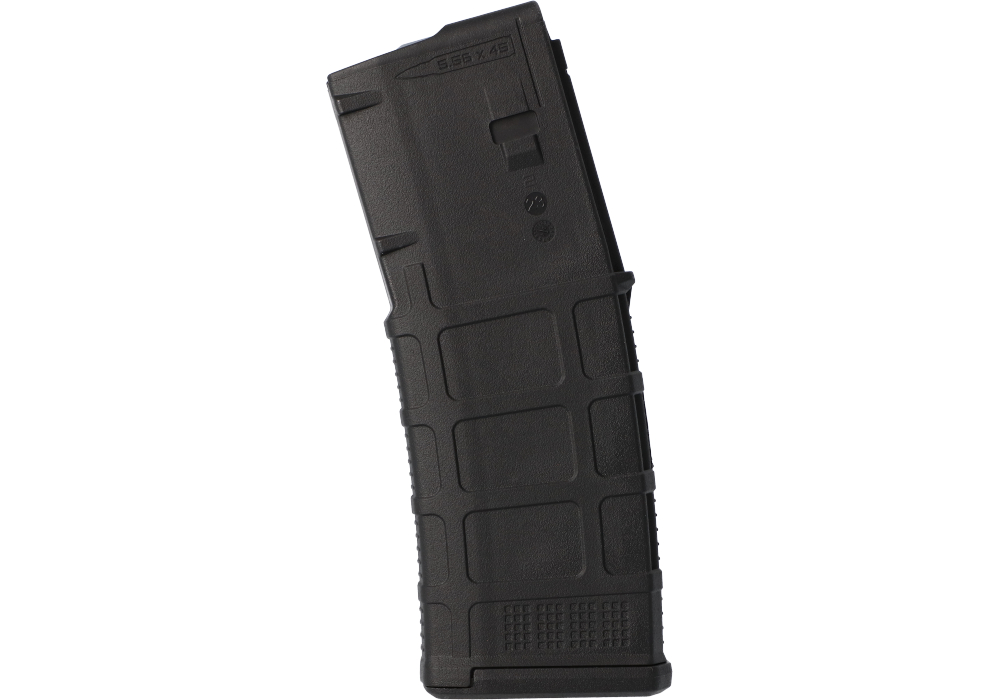
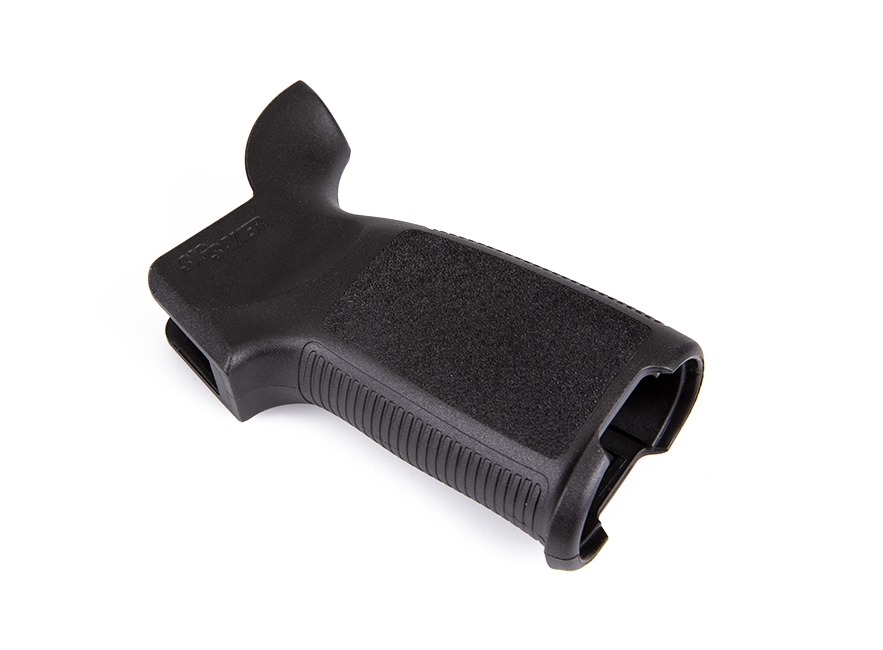
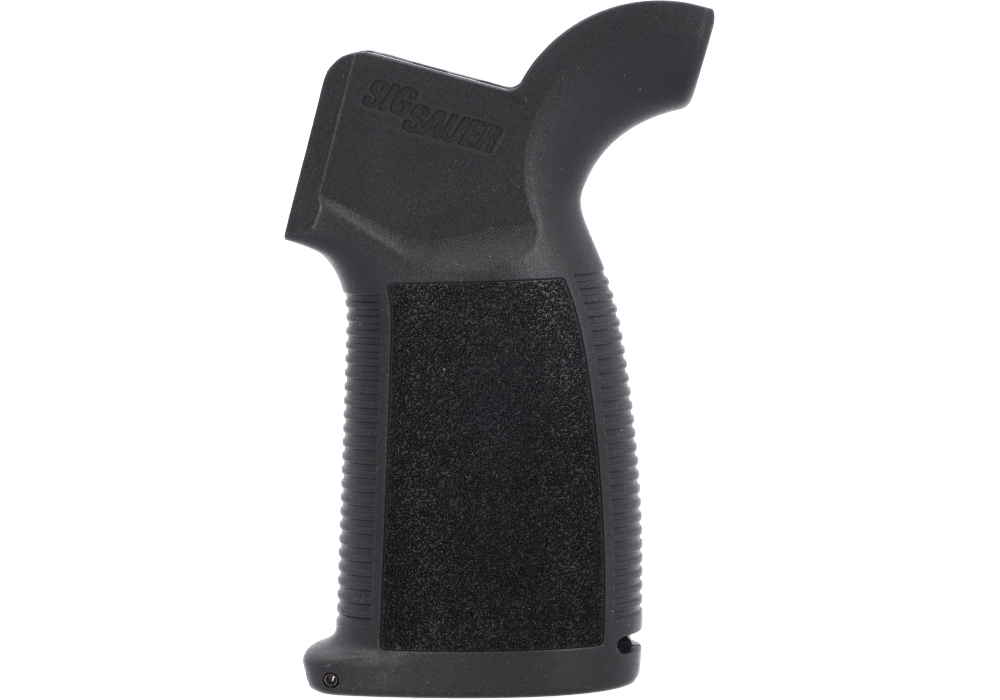
Reliable magazines are another essential part of a well-organized rifle setup. Keeping several dependable magazines on hand allows a shooter to spend more time practicing and less time pausing to reload, while standard and extended magazine options can support different range routines and equipment preferences where permitted by local law. Magazines should fit securely, feed smoothly, and receive regular inspection for worn springs, damaged feed lips, or debris. A simple magazine pouch or range bag compartment keeps loaded and unloaded magazines separated and easier to access. The charging handle is a small component that receives frequent use, so an ambidextrous design may be helpful for left-handed shooters, instructors, or anyone practicing from varied positions. An improved grip can change the way the rifle sits in the hand, offering a more comfortable angle and a steadier hold during longer sessions. Trigger upgrades are often selected by experienced owners who want a more predictable break and reset, but any internal change should be matched to the rifle’s intended use and installed or inspected by a qualified professional when appropriate. Maintenance tools are equally valuable. A compact armorer’s tool or cleaning kit can help with routine inspection, lubrication, and carbon removal at the bench or during a range outing. Keeping a chamber flag, eye and ear protection, spare batteries, lubricant, and a small supply of approved cleaning materials in the same bag creates a dependable routine before and after every session. These accessories can suit new owners building a first kit, experienced shooters refining a familiar rifle, or gift-givers looking for useful equipment that supports practice instead of guessing at personal style. Before purchasing, confirm rail dimensions, mounting standards, sling attachment points, fitment, local regulations, and compatibility with the specific AR-15 platform. Prioritize secure installation, comfortable handling, dependable operation, and a clear purpose for every addition. A carefully selected combination of optic, light, sling, magazines, controls, grip, trigger, and maintenance equipment can help an AR-15 feel more organized and easier to handle through the cooler months, whether it is stored for occasional range use, carried during supervised training, or kept as part of a thoughtfully prepared home-defense plan.