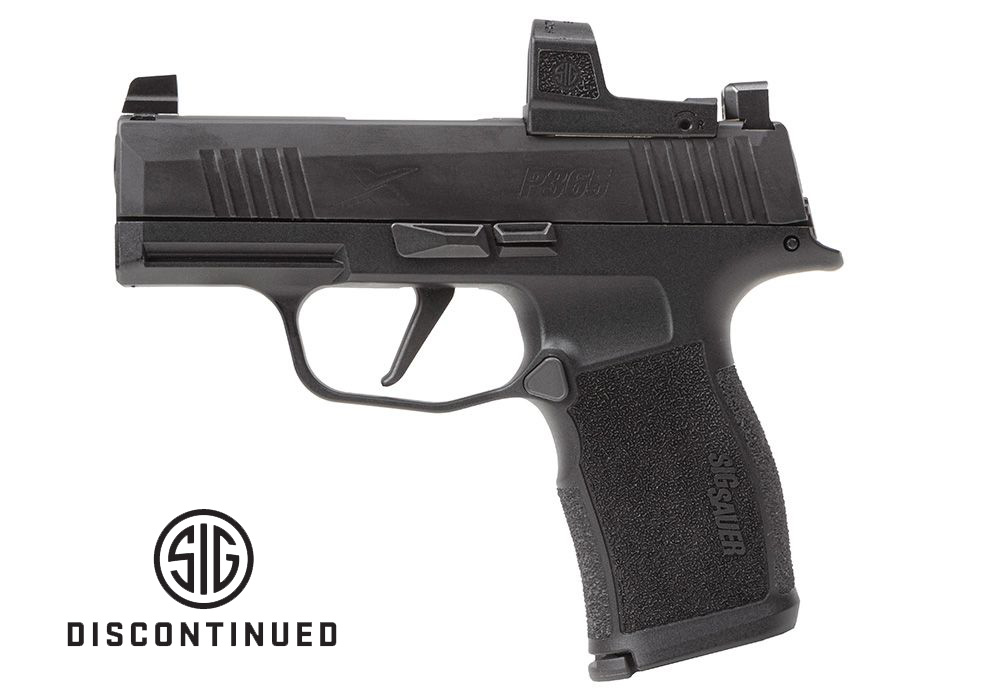
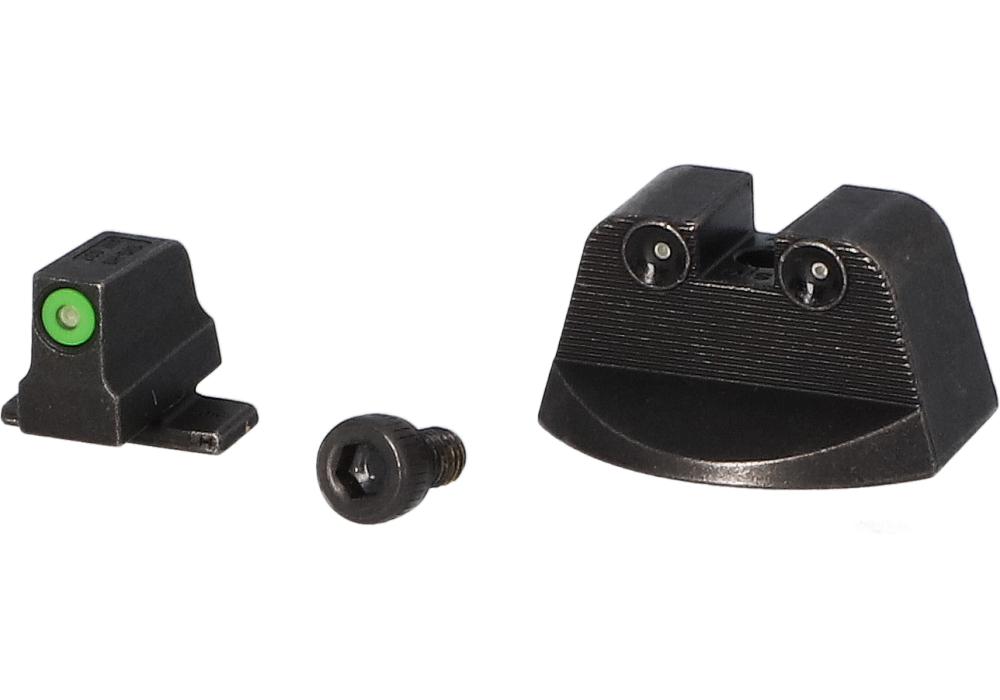
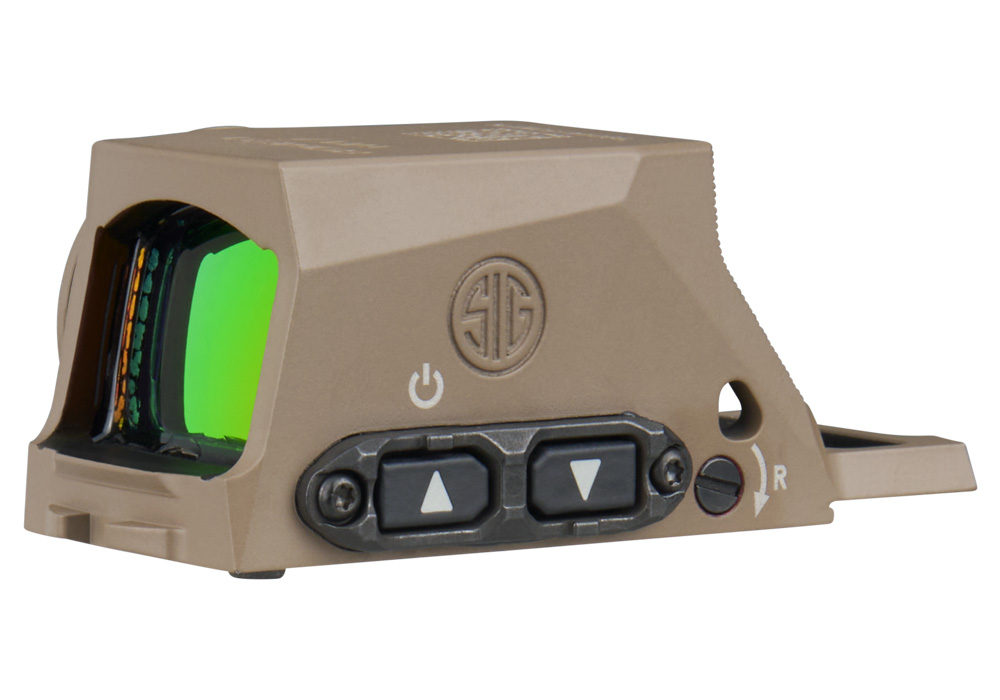
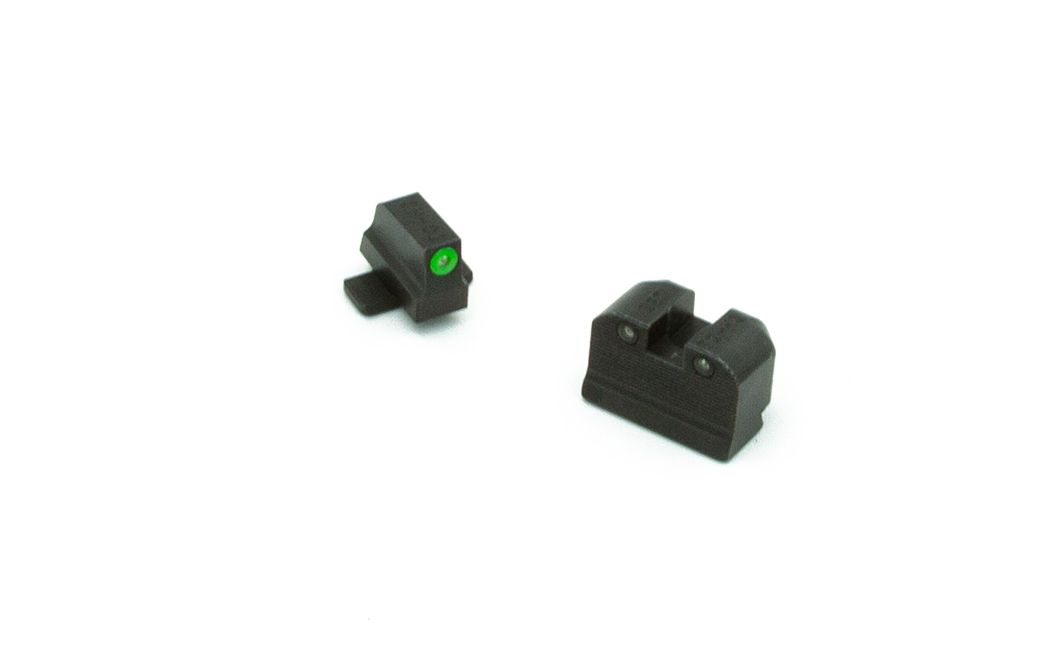
Optics with co-witness capability are designed to work alongside a firearm’s backup iron sights, giving the shooter an aiming system that combines the speed of a red dot or holographic reticle with the dependable reference of mechanical sights. When the optic and iron sights are properly matched, the front sight post and rear sight can be viewed through the optic window and used as an alternate aiming method if the electronic sight loses power, becomes damaged, or is difficult to use in changing conditions. This arrangement is especially useful on defensive carbines, patrol rifles, competition platforms, and other firearms where maintaining a backup sight picture matters. Co-witness alignment is determined by the relationship between the optic, its mounting system, the firearm’s rail or slide, and the height of the iron sights. An absolute co-witness places the iron sights and the optic’s reticle on the same central aiming plane, with the reticle appearing directly over the front sight when the sights are aligned. This setup offers a consistent height-over-bore reference and can feel intuitive for shooters who prefer a direct, unified sight picture. A lower 1/3 co-witness places the iron sights in the lower portion of the optic window while leaving the reticle centered above them. The result is often a less obstructed primary view, particularly when using fixed backup sights, although the shooter must learn to shift slightly to the appropriate sight plane when transitioning to irons. Neither configuration is universally better; the right choice depends on the firearm, the type of backup sights, the optic mount, the shooter’s preferred presentation, and the intended use. A product listing for optics with co-witness compatibility can help narrow the selection, but the final setup should always be confirmed against the manufacturer’s mounting specifications and the exact firearm configuration.
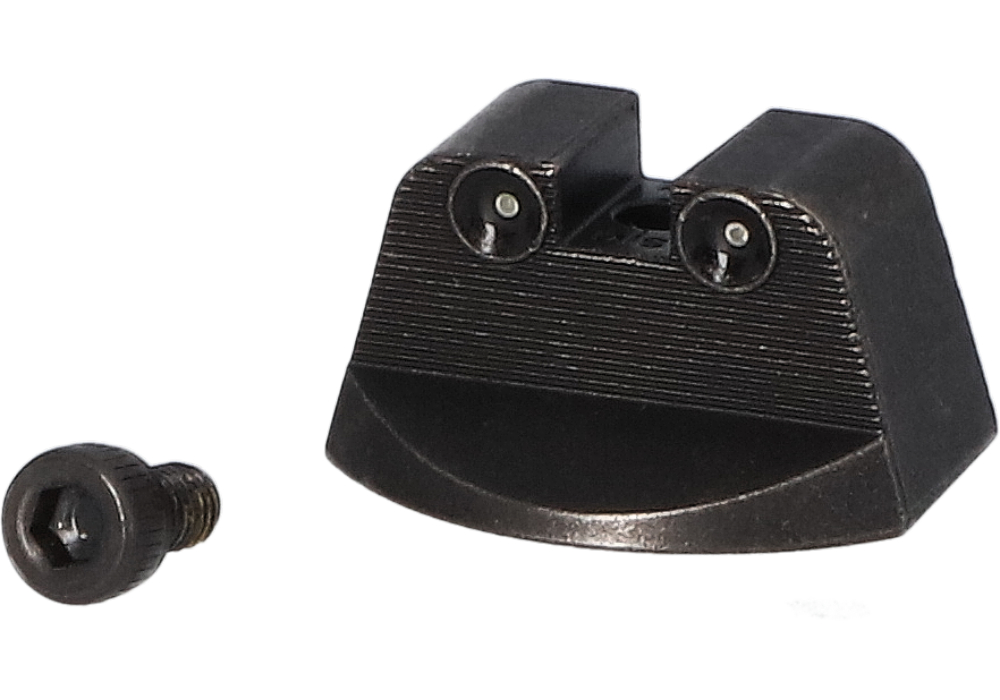
When selecting an optic for co-witness use, begin with compatibility rather than appearance. Check the optic footprint, mounting pattern, rail interface, required fasteners, and overall height above the bore. On a rifle or carbine, folding or flip-up backup sights may pair naturally with an absolute co-witness arrangement, while fixed sights are often more comfortable with a lower 1/3 setup that keeps their profile below the center of the viewing window. On a pistol, the relationship is different because a slide-mounted optic must sit low enough for the sights to remain visible. Many pistol configurations require taller backup sights, often called suppressor-height or optic-height sights, to appear through or alongside the optic window. Some low-mounted optic systems may align with standard-height sights, but that depends on the specific slide cut, mounting plate, optic body, and sight dimensions. A clear, usable window is also important. Consider the reticle size and shape, brightness controls, daylight visibility, night-compatible settings where appropriate, battery access, automatic brightness features, and whether the optic includes a solar or auxiliary power system. Examine the housing and lens protection as well, especially if the firearm may be carried in a duty holster, transported in a case, used around dust and moisture, or handled during colder months when gloves can affect controls. A compact sight may be ideal for a pistol or a streamlined carbine, while a larger viewing window can make reticle acquisition feel more forgiving during movement. The best fit is the one that supports a repeatable presentation without forcing the shooter to change an established grip, cheek weld, or stance.
Co-witness optics are often chosen by experienced shooters who want an immediate backup reference, but they can also help newer users build a consistent presentation by providing the familiar outline of the front sight as they learn to find the illuminated reticle. The tradeoff is that the iron sights remain visible in the window, which may make the sight picture appear busy, particularly with an absolute co-witness arrangement. A lower 1/3 configuration can reduce that visual clutter during normal optic use, but it introduces two distinct sight planes that should be practiced before the firearm is relied upon for serious purposes. Dry practice with an unloaded firearm, followed by supervised live-fire training, can help the shooter learn to present the firearm, locate the reticle, confirm the backup sight picture, and transition between them without hesitation. Keep both the optic and iron sights properly secured, inspect the mounting hardware according to the manufacturer’s instructions, and confirm zero after installation, transport, or any change in the mounting system. A co-witness setup may be a thoughtful gift for a responsible firearm owner, competitive shooter, trained professional, or outdoors enthusiast, provided the recipient’s firearm model, mounting system, and sight height are known and all applicable laws and transfer requirements are followed. Those selecting equipment for professional applications can also explore Optics For Law Enforcement for solutions suited to duty-oriented use. During the cooler months, when heavier clothing and gloves can change how a firearm is shouldered or drawn, practicing with the chosen optic and backup sights helps preserve a familiar sight picture. With the right combination of optic height, iron sight dimensions, mounting hardware, and training, co-witnessing provides a practical balance of rapid target acquisition and mechanical redundancy.