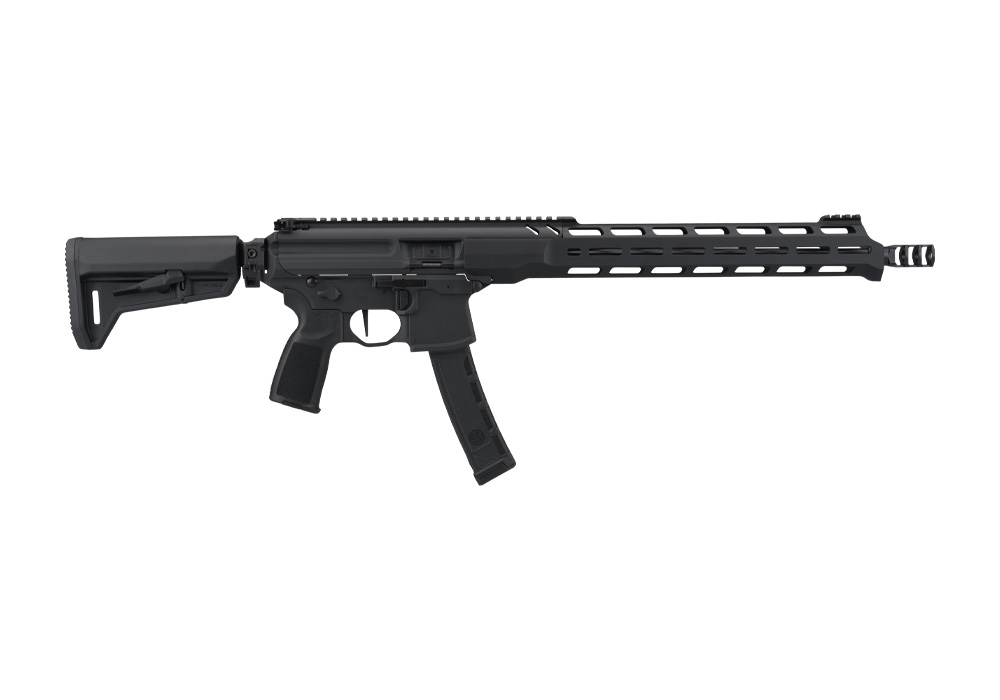
P Series trigger upgrades are selected by owners who want to refine the feel, control, and consistency of a classic double-action/single-action pistol without changing the qualities that make the platform dependable and familiar. The right upgrade can give the trigger a cleaner first press, a more defined single-action break, a shorter reset, or a more comfortable relationship between the trigger face and the shooter’s finger. These improvements can be useful for a range pistol that sees regular practice, a training handgun used to build consistent fundamentals, or a carefully configured firearm kept for duty or personal protection. They may also be a thoughtful gift for an experienced shooter who enjoys maintaining and fine-tuning a favorite P Series model, particularly when the recipient already knows whether they prefer a curved or straight trigger face. Before choosing parts, confirm the exact pistol configuration, including the model, generation, action type, and existing trigger components. P226, P229, and P220 variants can differ in compatibility, and double-action/single-action and single-action-only configurations may require different parts or installation procedures. It is also important to consider the intended role of the firearm. A range-focused setup may prioritize a lighter, smoother pull and a faster reset, while a carry or duty setup should place equal emphasis on positive control, reliable ignition, appropriate pull weight, and safe operation under stress. A trigger that feels excellent during a slow, deliberate session may not be the best match for every application, so compatibility and purpose should guide the selection.
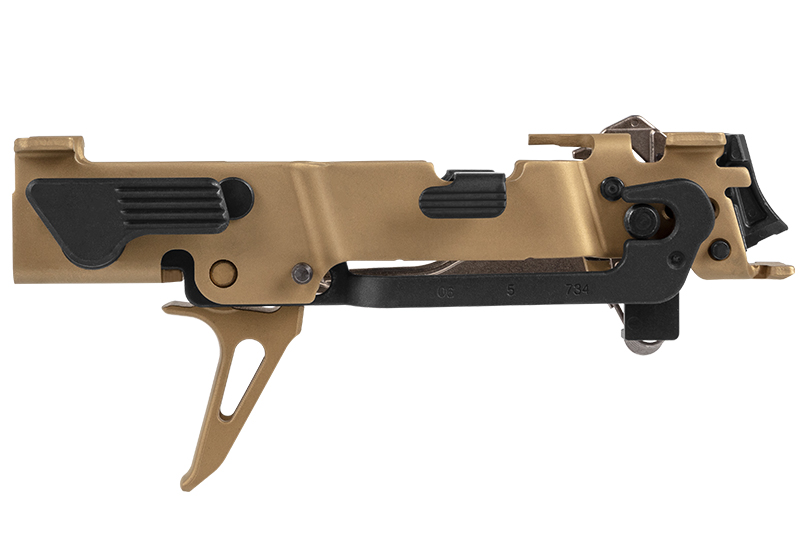
Short reset trigger kits are among the most recognizable options in this category because they reduce the amount of forward movement needed to reset the trigger after a shot. A shorter, more distinct reset can make controlled pairs and follow-up shots feel more natural, especially when the shooter is practicing from the ready position or working through structured drills. The benefit is not simply speed; a positive reset can also help the shooter maintain a consistent rhythm and avoid releasing the trigger farther than necessary. Enhanced leverage components address a different part of the experience by refining the relationship between the trigger, sear, and associated control surfaces. These systems can make the double-action stroke feel smoother and more manageable while giving the single-action press a more deliberate character. Adjustable trigger shoes allow some users to fine-tune pre-travel and over-travel, helping place the trigger face where it best meets the pad of the index finger. A straight trigger may provide a more uniform contact surface for one shooter, while another may prefer the familiar contour of a curved design. Spring kits can alter pull weight and perceived smoothness, but they should be chosen with care because a trigger system must continue to provide dependable ignition and proper function. In practical terms, a well-matched upgrade should feel predictable from the first press through the reset, with no distracting grittiness, excessive movement, or abrupt transition between double-action and single-action operation. Small supporting components can also matter during a complete refresh, and High Performance Trigger Pin Kits may be considered when inspecting or replacing compatible trigger-control hardware.
Installation and final evaluation deserve as much attention as the part itself. Trigger components work together as a system, and changing one piece can affect engagement, reset, travel, pull weight, or the way controls interact with the frame and slide. Some owners prefer to have upgrades installed by a qualified armorer or gunsmith, especially when the work involves springs, sear engagement, leverage geometry, or internal fitting. After installation, the pistol should be checked for proper function in a controlled setting before it is used for defensive, duty, or competition purposes. Confirm that the trigger resets correctly, the action cycles as intended, the safety features operate normally where applicable, and the firearm remains reliable with the ammunition selected for its role. Regular dry practice with an unloaded firearm, performed according to the owner’s manual and in a safe environment, can help a shooter become familiar with a new trigger’s take-up, break, reset, and return. Live-fire practice should then focus on smooth trigger movement rather than simply chasing a lighter pull or faster split time. During the cooler months, when range sessions may be shorter or maintenance routines move indoors, a trigger upgrade can be an approachable way to make each practice session more deliberate and productive. Whether the goal is a cleaner double-action press, a more distinct reset, improved finger placement, or a refreshed set of internal components, selecting parts that match the exact P Series configuration and the shooter’s intended use is the foundation for a dependable upgrade.