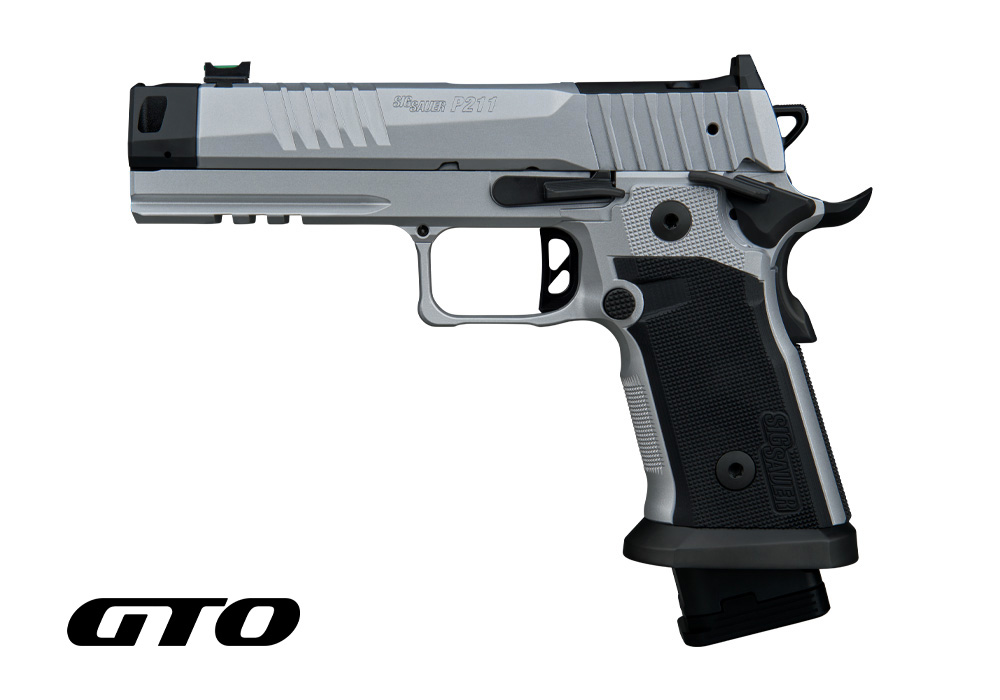
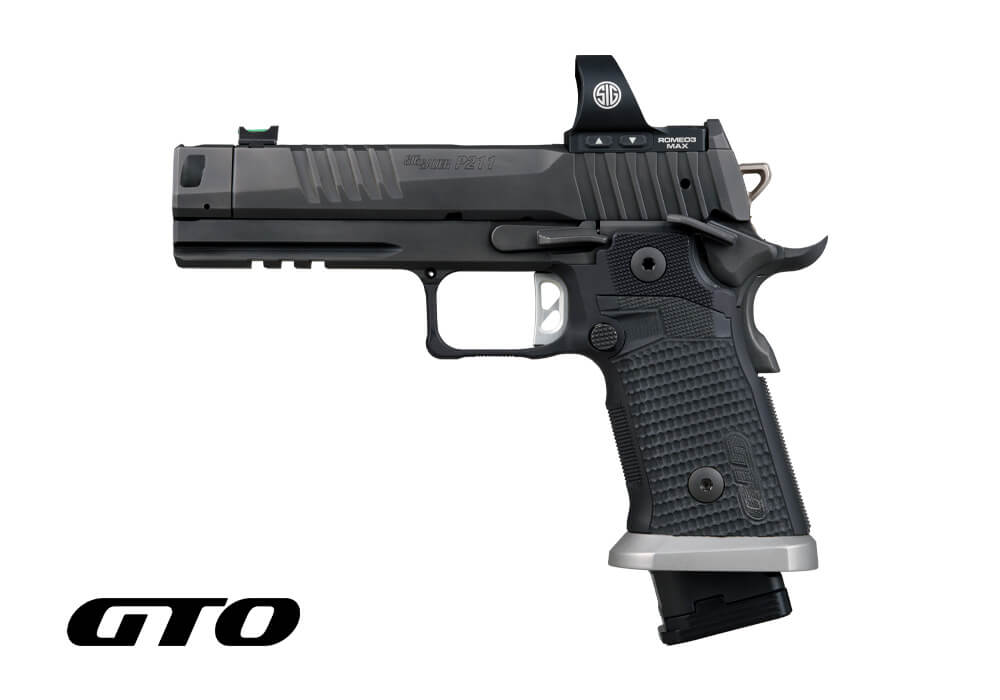
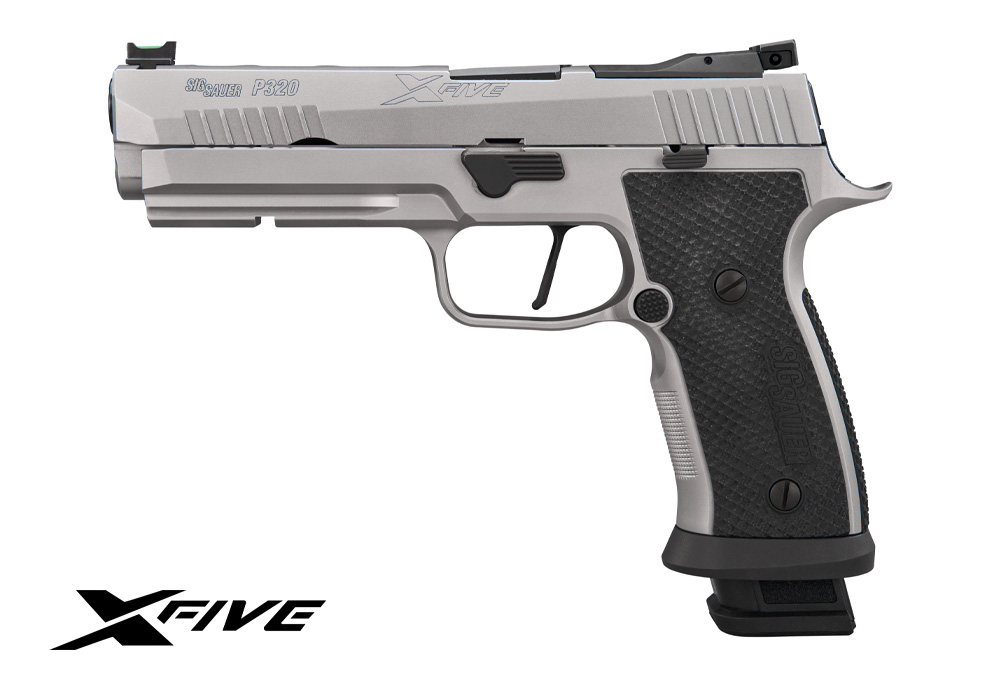
When selecting a competition pistol, the most useful comparison begins with the shooter rather than the product. Competitive handguns can share a similar purpose while offering very different handling characteristics, trigger systems, controls, and paths for personalization. A hammer-fired, metal-frame platform often appeals to competitors who value a defined trigger wall, a short reset, substantial weight, and a traditional grip angle. A striker-fired, modular platform may suit shooters who prefer consistent controls, a familiar trigger stroke, lighter overall handling, and the ability to adapt the grip, slide, sights, or internal configuration over time. Neither approach is automatically right for every range session. The better fit depends on the division you plan to enter, the rules for equipment in that division, your hand size, your experience with thumb safeties or striker controls, and the way the pistol tracks between targets. A heavy competition pistol can feel steady during rapid strings, especially when paired with a balanced frame, a bull barrel, or a compensator that helps manage muzzle movement. That extra mass may also feel reassuring during long practice sessions, though some shooters prefer a more streamlined setup for transitions and movement. Grip texture deserves equal attention. Aggressive panels can keep the pistol planted when palms are warm or damp, while a less pronounced texture may feel better during extended training. Ambidextrous controls, a flared magwell, a removable magwell, and a flat trigger can all contribute to faster, more consistent handling, but only when they align with the shooter’s technique and division requirements.
Trigger feel is one of the clearest differences between these two broad designs. A hammer-fired competition pistol commonly provides a crisp break with a distinct wall and a short reset, giving experienced shooters a clear point of reference as they press through each shot. A striker-fired competition pistol generally offers a consistent trigger system from the first shot through the rest of the string, with controls that many competitors find straightforward and easy to learn. The ideal trigger is not simply the lightest or shortest; it should support precise preparation without encouraging rushed movement. During practice, pay attention to how naturally your finger finds the trigger, how quickly the sights return after recoil, and whether the grip remains secure as you increase pace. Recoil management is equally personal. An integrated compensator, a heavier slide, tungsten-infused grip components, or a carefully tuned guide rod system may help keep the front sight closer to the target during fast follow-up shots. A modular platform can provide a practical route for refining balance and fit as your skills develop, while a dedicated performance build may deliver a more focused experience from the beginning. Magazine fit, reliable feeding, base-pad options, and the availability of compliant magazines are important considerations, particularly when match rules or local requirements affect equipment choices. Shooters who already train with a modular striker system may appreciate the familiarity of shared controls and accessories, while those who spend their range time with 1911-style pistols may prefer a hammer-fired layout that feels immediately natural.
Recommended competition products can serve several kinds of shooters. A new competitor may benefit from a dependable platform with uncomplicated controls, accessible maintenance, and room to grow without replacing the entire setup after a season of practice. An experienced match shooter may prioritize a refined trigger, rapid sight recovery, a secure grip, and compatibility with optics or competition holsters. In either case, the complete system matters more than the pistol alone. Confirm that the holster supports the exact configuration, that magazine pouches hold the selected magazines securely, and that the sights or optic provide a clear aiming reference in bright sun, shaded bays, and indoor lighting. For shoppers comparing modular striker-fired options, the P320 Full Size Pistol Competition Upgrades collection can provide useful context when considering grip modules, triggers, guide rods, sights, and other competition-oriented components. Maintenance habits should also influence the decision. Wipe down contact surfaces after training, inspect screws and fasteners, lubricate according to the manufacturer’s instructions, and check magazines for smooth insertion and reliable feeding. A dedicated competition pistol can be a thoughtful gift for a qualified adult who already participates in organized shooting and understands safe storage, range etiquette, and applicable laws; for many gift shoppers, accessories such as eye protection, electronic hearing protection, a range bag, or a secure lockable case may be simpler choices. During the cooler months, indoor practice and structured dry-fire sessions can help reinforce grip pressure, sight alignment, and trigger control, while outdoor matches offer valuable experience with movement, changing light, and varied target distances. The strongest selection is the one that fits the shooter’s hands, division, training habits, and long-term goals, then continues to feel predictable every time the timer starts.