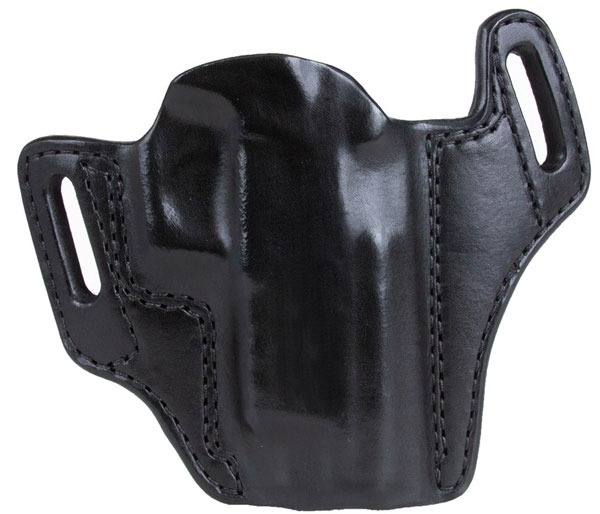
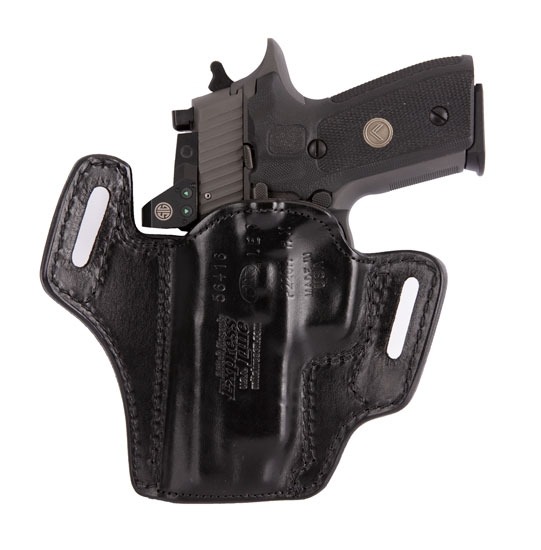
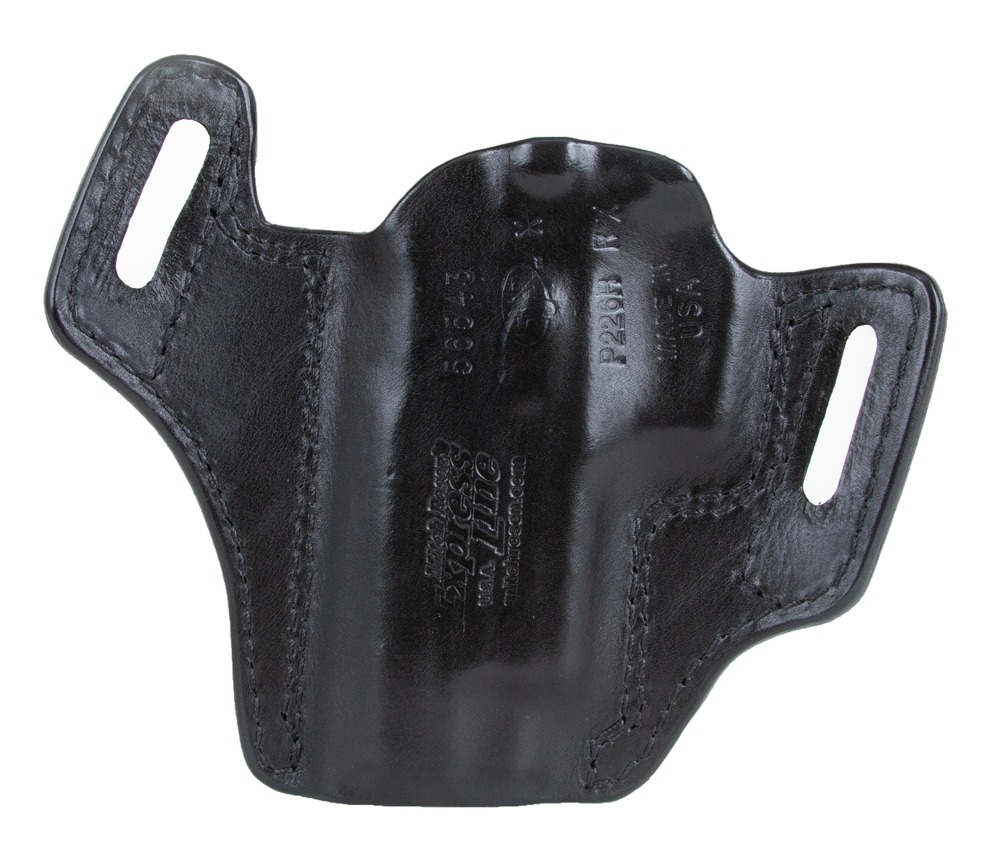
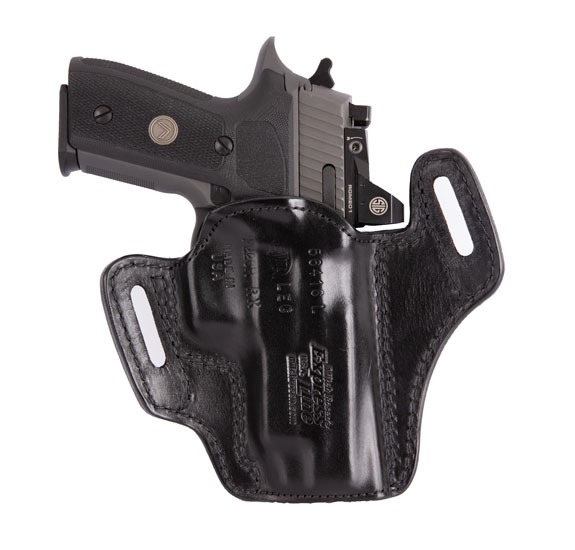
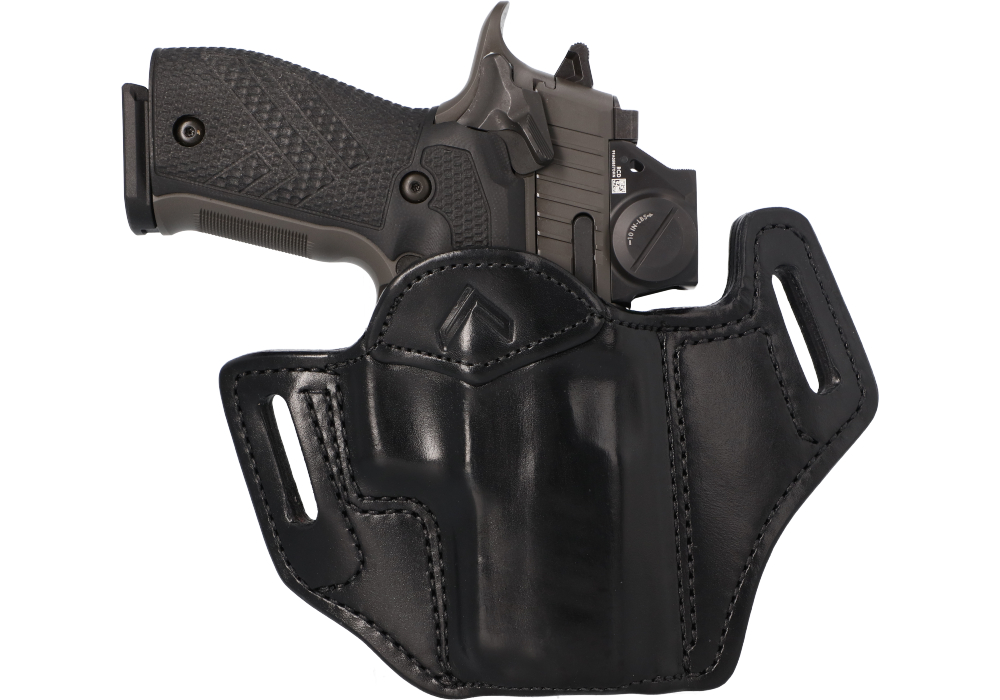
P220 holsters provide a fitted connection between a full-size handgun and the way its owner carries it, whether that means a belt-mounted setup for range visits or a more discreet option for lawful everyday carry. The most important distinction is compatibility with the exact pistol configuration, not simply a familiar model name on the packaging. Barrel and slide length, frame profile, accessory rail, sight height, and attached accessories can all affect how a handgun seats inside a holster. A holster listed for one P220 configuration should not be assumed to fit every version, even when the pistols look similar. Manufacturer fit information is the best starting point, particularly for owners comparing railed and non-railed frames or different slide lengths. Light-bearing holsters require additional attention because their internal shape and retention may depend on a particular light being attached. A holster intended for a pistol with a light may not secure the same pistol properly without it. Likewise, clearance for an optic or taller sights should be explicitly supported rather than inferred from an open-looking design. Beyond dimensional fit, a suitable holster should fully cover the trigger guard, hold the handgun securely, and keep its shape during normal use. Smooth internal surfaces and properly finished edges help limit unnecessary abrasion, although repeated contact can still leave wear on a firearm’s finish over time. Right- or left-hand orientation, attachment style, and compatibility with the intended belt also belong in the fit assessment. These details matter as much to an experienced owner replacing a worn holster as they do to someone choosing a first dedicated setup. For households with more than one handgun, keeping model-specific equipment clearly separated helps prevent mix-ups. The related collection of P226-XCarry Legion Holsters addresses a different fit requirement; compatibility should be verified independently rather than assumed across handgun families. A well-matched P220 holster begins with that level of specificity and then balances comfort, construction, and intended use.
Material and construction influence how a P220 holster feels against the body, supports the handgun, and holds up to repeated wear. Molded polymer offers a defined shape, a relatively straightforward cleaning routine, and consistent structure around the pistol. Its rigidity can help preserve the holster opening, while rounded edges and thoughtful attachment placement affect comfort along the beltline. Leather brings a different feel, with a surface that can become more supple through normal use while retaining the structure needed for secure support. Quality stitching, reinforced areas where appropriate, and carefully finished edges are useful details to evaluate. Leather should remain firm enough to protect the trigger area rather than folding inward or becoming excessively soft. Hybrid construction combines a rigid shell with a separate backing, often intended to spread contact across a broader area of the body. That larger footprint may feel comfortable to one wearer and cumbersome to another, especially when sitting for extended periods. Inside-the-waistband holsters sit between the body and waistband, so clothing room, shell thickness, backing size, and hardware placement all contribute to everyday comfort. Outside-the-waistband holsters sit outside the waistband and can offer a less crowded feel, though concealment depends on the holster profile, clothing, and individual build. Neither style is automatically the better choice for every owner. Someone spending much of the day seated may notice pressure points that are less apparent while standing at a range bench. Belt loops and clips should match the belt’s width and thickness, and the belt itself should provide enough support to prevent excessive sagging or shifting. Where offered, ride-height and cant adjustments provide ways to refine positioning, but any adjustment should stay within the manufacturer’s specifications. Retention systems also vary: some rely on molded fit or tension, while others incorporate a separate securing mechanism. The appropriate choice depends on the intended activity, applicable rules, and the owner’s familiarity with that system. Across these differences, dependable support and complete trigger-guard coverage remain more important than a particular material or silhouette.
Long-term satisfaction with P220 holsters often comes down to the details that become apparent after repeated use: whether an edge rubs at the hip, whether a belt attachment stays secure, and whether the holster remains structurally sound after regular handling. Range users may prioritize a stable belt connection and construction that tolerates frequent practice sessions, while people who carry lawfully throughout the day may place greater emphasis on bulk, body contact, and how the setup works with ordinary clothing. Organized shooting activities can have equipment requirements of their own, so a holster’s suitability should be checked against the venue or event rules rather than judged by appearance. Specialized carry arrangements introduce other considerations, including interference with pack straps, seating, or additional equipment, and deserve the same careful compatibility review as a conventional belt holster. Care should follow the material and the manufacturer’s directions. Polymer surfaces generally benefit from removing dust and grit with an appropriate cloth and, when permitted, mild soap and water, followed by thorough drying. Leather requires products specifically recommended for that holster; heavy oils, prolonged soaking, or excessive conditioning can alter its structure and fit. Hardware, stitching, clips, loops, and retention components should be inspected periodically for loosening, cracking, distortion, or wear. Embedded debris deserves attention because it can act as an abrasive between the holster and the handgun. A damaged attachment or a softened area near the trigger guard is a reason to stop using the holster until the issue is resolved, not simply a cosmetic concern. Any fit assessment should involve an unloaded firearm and follow the firearm and holster manufacturers’ safety instructions. A holster can also be a practical gift for a responsible handgun owner, but exact configuration, handedness, and preferred carry style need to be confirmed beforehand. Those personal details are difficult to guess from the handgun model alone. Whether selected for regular range visits or daily use, the strongest choice is one that combines verified fit, durable materials, secure attachment, and comfort suited to the person wearing it.