P226 Mounts
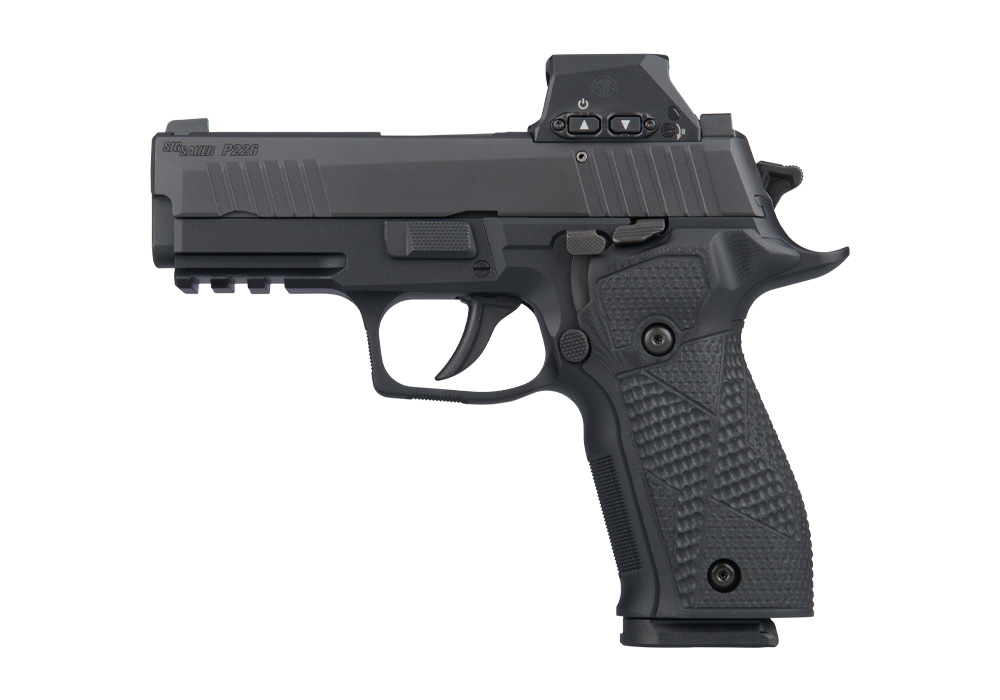
P226 mounts provide a practical way to configure a trusted pistol for a modern optic while preserving the handling qualities that make the platform familiar to so many owners. The right mounting solution depends first on the slide and sight arrangement of the specific pistol. Older, non-optics-ready slides may accept a dovetail mount that occupies the rear sight channel, allowing an optic to be installed without permanent slide milling. Optics-ready slides, including versions with an established factory cut, generally use an adapter plate selected for the optic’s mounting footprint. These two approaches serve different needs, and confirming the slide type before ordering helps prevent compatibility problems. It is also important to match the plate or mount to the optic pattern rather than relying only on the optic’s general size or appearance. Screw spacing, locating lugs, plate thickness, and the position of the rear sight can all affect installation and sight picture. A mount should sit securely and evenly, with no rocking, visible gap, or interference with the slide’s movement. Owners who are setting up a pistol for range practice may value a simple configuration that keeps the optic close to the slide and maintains a familiar draw stroke. Others may be preparing a sidearm for training classes, duty-style practice, or careful home-storage readiness and may place greater emphasis on rugged construction, repeatable zero, and easy access to the optic’s controls. A mount can also be a thoughtful gift for a responsible pistol owner, particularly when paired with a gift receipt or a chance to confirm the recipient’s exact slide version and optic footprint before purchase. Browsing related components through P220 Accessories can help shoppers compare accessory categories while keeping the P226’s specific mounting requirements in view.
Installation details deserve the same attention as product selection. Dovetail solutions often require removal of the factory rear sight, and a sight pusher is usually preferable to improvised tools that can mar the slide or place uneven force on the sight channel. Adapter plates typically use existing mounting points, but the original screws should not be assumed to work with every plate and optic combination. Screw length must be checked carefully: hardware that is too short may not provide reliable engagement, while hardware that is too long can interfere with internal components or slide movement. A calibrated torque driver helps apply consistent pressure, and a small amount of suitable blue thread-locking compound may help keep screws secure when applied according to the mount and optic instructions. Excess compound, over-tightening, or uneven screw tension can create its own problems, so the installation sequence and torque specifications supplied with the chosen components should guide the work. After installation, inspect the optic and mount for movement, confirm that the slide cycles freely, and verify that the optic remains clear of the ejection path and controls. A careful owner may begin with a close-range function check, then confirm zero from a stable bench before moving into supported and unsupported practice. During cooler months, gloves, heavier clothing, and changing outdoor light can reveal small differences in access to controls or visibility through the optic, making a thoughtful setup even more valuable. Regular inspection is worthwhile after transport, extended range sessions, or any hard use; check screw heads, plate edges, lens condition, and the relationship between the optic and iron sights. Keep the pistol unloaded during installation and inspection, follow all applicable laws and the firearm’s instructions, and have a qualified gunsmith handle work that requires specialized fitting or permanent alteration. With the correct mount, compatible hardware, and a careful installation process, a P226 can gain a stable optic platform that supports consistent practice while retaining the balanced feel and familiar controls owners expect from the pistol.