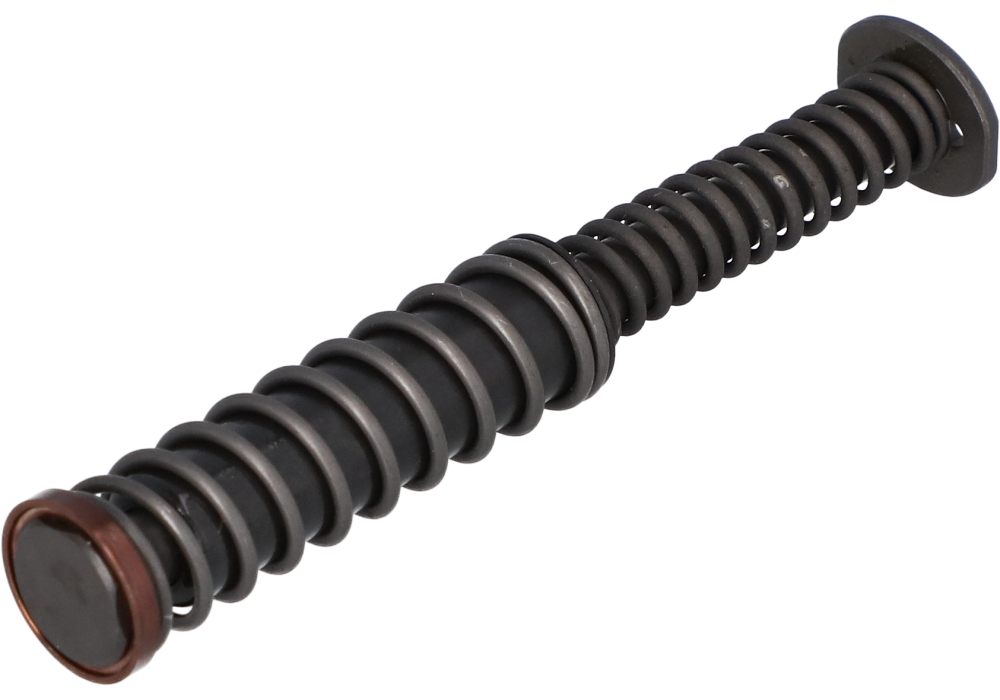
P320 parts give owners a practical way to refine the feel, fit, and function of a modular pistol without replacing the complete firearm. Because the platform is built around a removable fire control chassis, many compatible components can be exchanged as part of a careful configuration process, allowing the same foundation to serve different roles over time. A shooter who spends cooler months practicing at the range may prefer a setup with a more substantial grip, a pronounced texture, and controls that are easy to reach while wearing gloves. Someone focused on concealed carry may instead favor a slimmer profile, smooth edges, and a balanced arrangement that sits comfortably beneath everyday clothing. Competitive shooters often look for features that support a consistent grip and efficient reloads, while duty users may prioritize durability, familiar handling, and reliable operation under demanding conditions. These parts can also be a thoughtful gift for an experienced owner who already understands the platform and has a clear sense of what they want to improve. The best choice begins with identifying the exact P320 configuration, including its size, grip style, slide dimensions, and intended role. Compatibility deserves close attention, since a component suited to a compact setup may not be appropriate for a full-size or X-series configuration. Before purchasing, review the listed specifications, confirm the correct generation and interface, and consider how the change will affect holster fit, magazine fit, sight alignment, and overall balance. A small alteration at the grip or controls can change the way the pistol settles into the hand, much like changing the shape of a tool handle can influence comfort during a long day of work.
Common upgrade categories include grip modules, trigger components, control levers, magazine funnels, base pads, and replacement barrels, each serving a different purpose in the overall setup. A grip module can influence reach to the trigger, palm swell, texture, and the position of the support hand, which may be especially helpful for shooters with smaller or larger hands. Trigger components can alter the shape and tactile experience of the trigger shoe, but they should be evaluated with care rather than selected by appearance alone. Controls with a different profile may help a shooter operate the pistol without shifting the firing grip, while a magazine funnel or base pad may support smoother reload practice when paired with compatible magazines and equipment. Replacement barrels can be selected for a particular slide configuration or shooting purpose, with attention to length, finish, threading, and fit. For owners exploring the internal setup, P320 Tuning Springs offer another way to review the platform’s operating components and consider how spring selection relates to maintenance and handling. Any internal change should be approached with patience, a clear understanding of the manufacturer’s specifications, and a commitment to safe function testing. Components should fit correctly, move as intended, and remain secure through repeated handling. A clean work surface, suitable tools, good lighting, and the correct reference information can make the process more orderly. Keep ammunition stored separately while inspecting or installing parts, verify the pistol is unloaded, and follow all applicable laws and safety procedures. When a change involves critical operating components or when fit is uncertain, qualified professional service is the prudent choice. After installation, inspect the pistol carefully and confirm that controls, safeties, slide movement, and magazine engagement function as intended before returning to regular practice.
The most useful P320 configuration is the one that supports consistent, confident handling across the situations in which the owner actually trains and carries. Changes should be evaluated as part of the complete system rather than as isolated additions. A new grip can affect the way a holster retains the pistol; a different trigger profile can change finger placement; a base pad can influence how a magazine seats; and a threaded barrel may require compatible accessories and a suitable storage plan. These details matter during the cooler months, when heavier clothing, gloves, and altered range routines can reveal comfort or access issues that are less noticeable in warmer conditions. A sensible approach is to make one change at a time, record what was installed, and spend enough supervised range time observing control, comfort, accuracy, and reliability. Notes about ammunition, magazines, environmental conditions, and cleaning intervals can be useful when comparing results over several sessions. Owners who share a firearm with a household member should also consider whether the revised grip dimensions and control placement remain appropriate for every authorized user. For a gift, a carefully chosen component can be more meaningful than a generic accessory when it reflects the recipient’s established training habits, preferred P320 size, and plans for the platform. It is wise to pair any gift with a compatibility check or gift receipt rather than guessing at a specification. Whether the goal is improved ergonomics, a more personalized appearance, a smoother practice routine, or a configuration better suited to a particular holster and range bag, quality P320 parts are best selected with restraint and a clear purpose. Thoughtful setup, proper installation, and regular inspection help preserve the dependable handling that owners expect while allowing the platform to feel more natural in the hand.