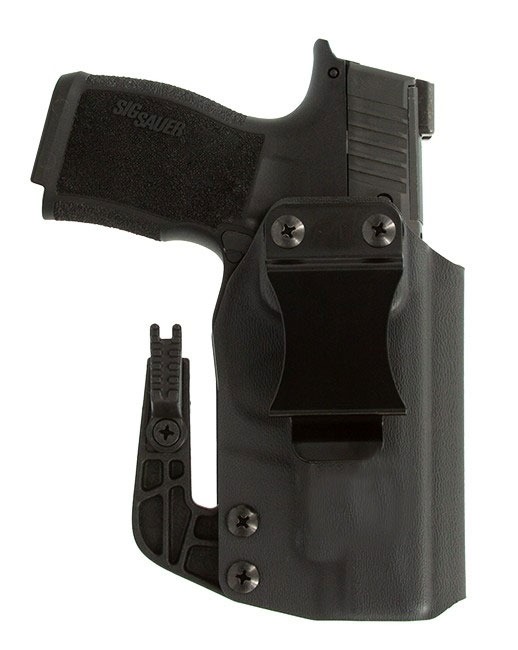
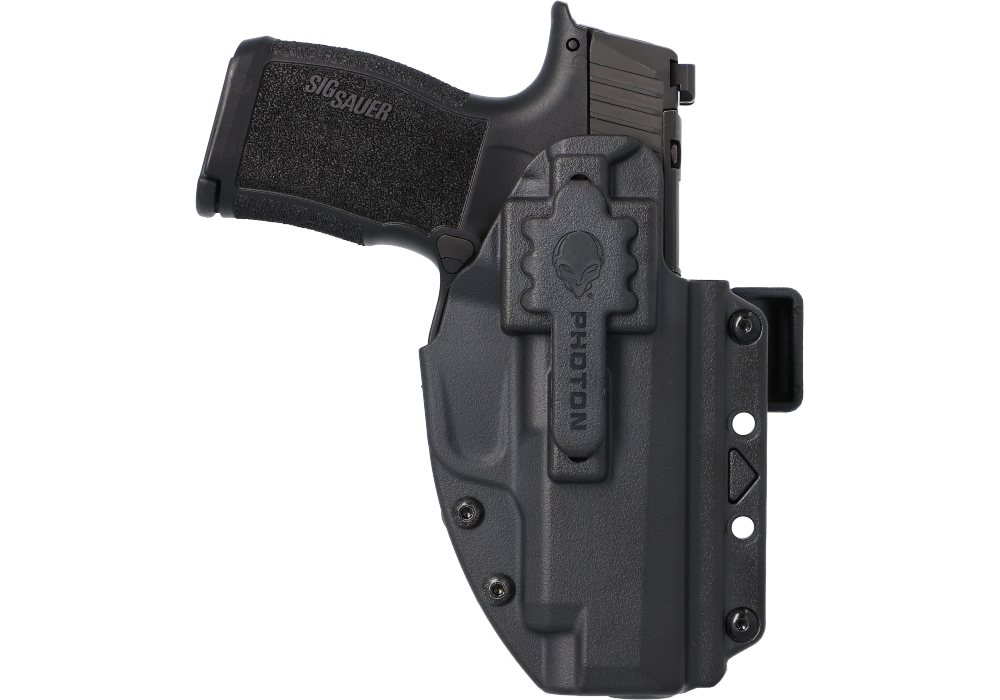
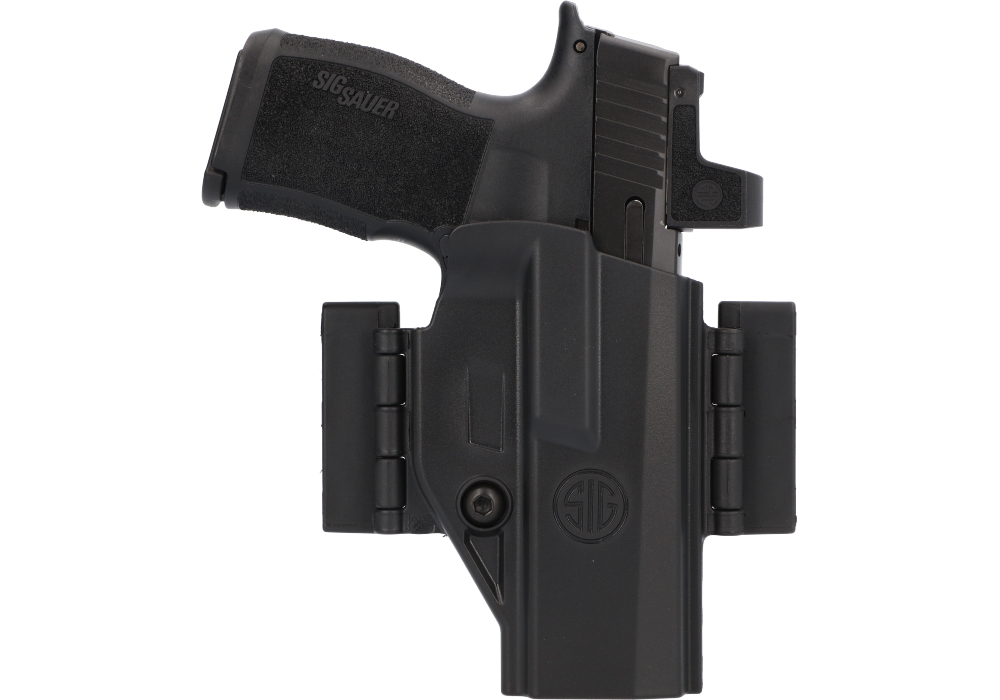
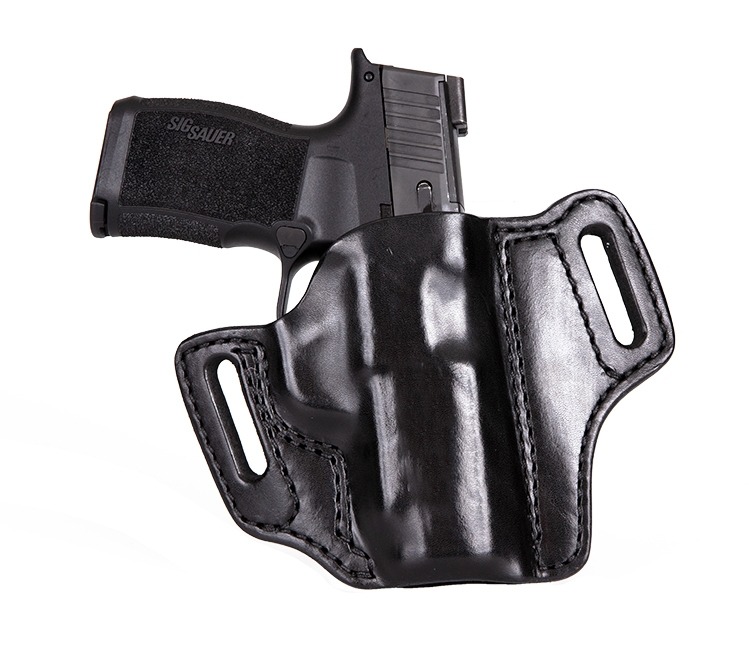
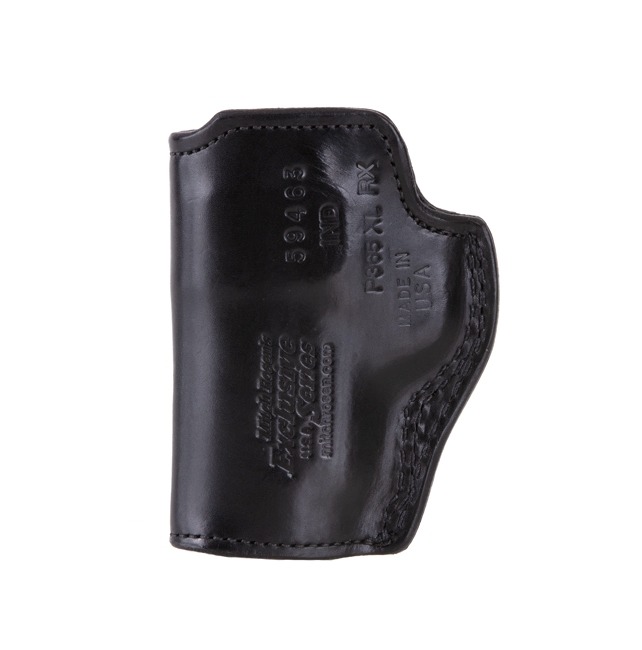
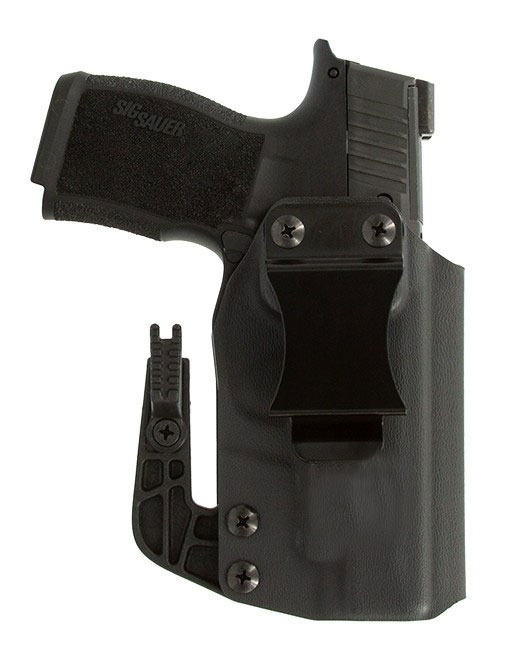
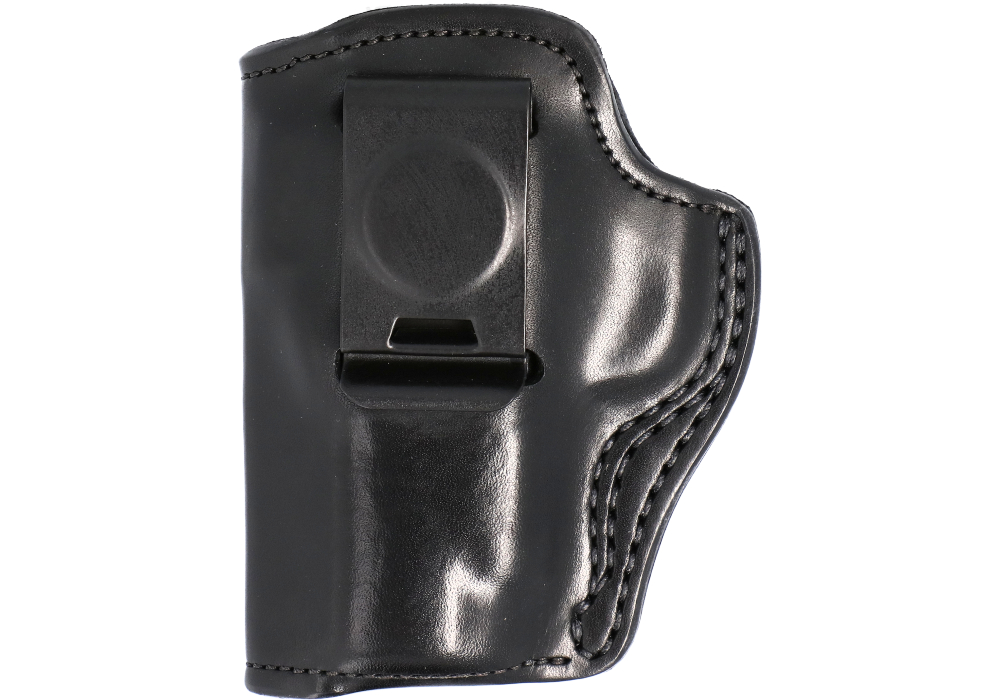
A durable holster for the SIG Sauer P365XL should provide a dependable interface between the pistol, the belt, and the person carrying it. Whether the intended use is concealed carry, range transport, training, or secure storage while moving around the property, the holster should fully cover the trigger guard and hold the firearm securely until a deliberate draw is made. Rigid thermoplastics such as Kydex and Boltaron are popular choices because they resist moisture, everyday abrasion, and the occasional bump against a vehicle seat, door frame, or range-bag zipper. A shell formed from material around 0.08 inches thick can offer a useful balance of durability and a slim profile, helping prevent unwanted flexing while keeping bulk manageable. Look for clear, consistent retention, ideally with an audible click when the pistol is seated, and verify that the retention can be adjusted without making the draw uncomfortably tight. Edge finishing also matters. Smooth, rounded edges are more comfortable against clothing and skin than sharp, unfinished edges, especially when a holster is worn for several hours. For inside-the-waistband carry, a full or raised sweat shield can help keep perspiration away from the slide while adding a layer of separation between the pistol and the body. During the cooler months, when heavier shirts, jackets, and layered clothing become part of a daily wardrobe, a properly shaped holster can help prevent garments from bunching around the grip or snagging during a deliberate presentation. Those considering P365XL IWB Holsters may also want to compare how different shells, clips, and ride heights work with their usual clothing and carry position.
The right configuration depends on the P365XL setup and the way it will be carried. Appendix inside-the-waistband carry often benefits from a compact shell, a stable attachment point, and a carefully chosen ride height that balances concealment with a consistent grip. An adjustable cant, commonly ranging from neutral to a modest forward angle, lets the wearer fine-tune how the grip sits against the body and how the draw path feels. Strong-side inside-the-waistband carry may call for a different cant and a comfortable sweat shield, particularly for someone who spends long periods seated at a desk, behind the wheel, or walking through a busy workday. Outside-the-waistband designs can be useful for range sessions, training, field use, or open carry where permitted, and they typically place greater emphasis on belt compatibility and positive attachment. Before selecting a holster, confirm whether the pistol has a mounted red-dot sight, taller sights, or a weapon-mounted light. An optic-ready shell should include an appropriate raised sight channel or optic cut, while a light-bearing configuration must be molded for the exact light model rather than relying on a close approximation. An open-ended muzzle can provide clearance for longer barrels or threaded configurations, but every dimension should still be checked against the actual firearm. A holster made for a standard P365XL configuration may not accommodate an optic, light, or other added component, and forcing a modified pistol into an incompatible shell can compromise retention or damage equipment. It is also worth checking whether the design leaves the magazine release protected from accidental contact and whether the mouth of the holster remains open enough for safe, controlled reholstering without removing the holster from the belt. A secure belt clip or loop is just as important as the shell itself; rust-resistant steel or coated-metal hardware generally stands up better to sweat, rain, repeated attachment, and daily friction than thin, easily flexed plastic. A sturdy clip should stay engaged with the belt during normal movement while still allowing intentional removal when the day is over.
Durable P365XL holsters can serve experienced carriers, new owners building a responsible carry setup, and anyone looking for a practical accessory to accompany a pistol purchase. They can also make a thoughtful gift for a qualified firearm owner when the recipient’s carry position, pistol configuration, and belt type are known in advance. A holster chosen for an appendix carrier may not suit someone who prefers strong-side hip carry, and a light-bearing shell will not be useful to someone carrying the pistol without a light. When the details are uncertain, it is better to confirm the exact configuration before purchasing rather than assume that all P365XL models and accessories share the same fit. Everyday durability is found in the small details: reinforced attachment points, secure hardware, a cleanly molded trigger-guard area, adjustable retention, and a profile that stays close to the body without creating pressure points. Imagine stepping out of a vehicle after a long drive, walking across a damp parking lot, and reaching for a jacket without the holster shifting, catching on fabric, or allowing the grip to tip outward. That quiet consistency is the practical value of a well-fitted design. Users should inspect the holster regularly for cracks, loose screws, worn clips, or changes in retention, and any adjustment should be tested with an unloaded firearm in a controlled setting before normal use. Carrying responsibly also means following all applicable laws, using a compatible belt, keeping the trigger area covered, and practicing safe handling and reholstering habits. With the correct fit and hardware, a durable holster can help protect the P365XL from daily wear while making carry more secure, comfortable, and repeatable through changing routines and cooler-weather layers.