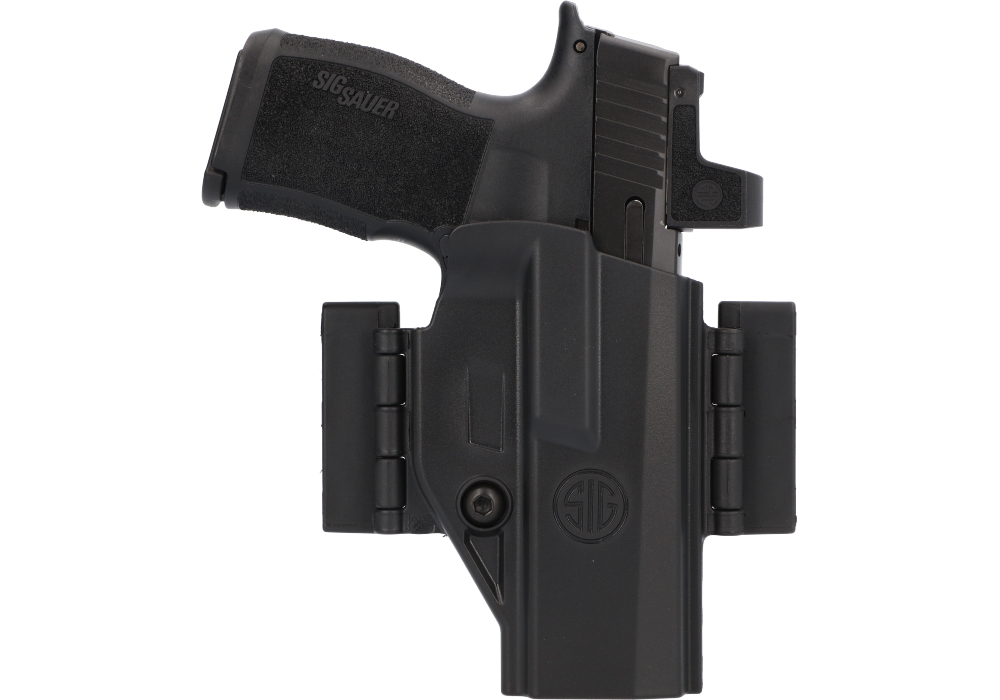
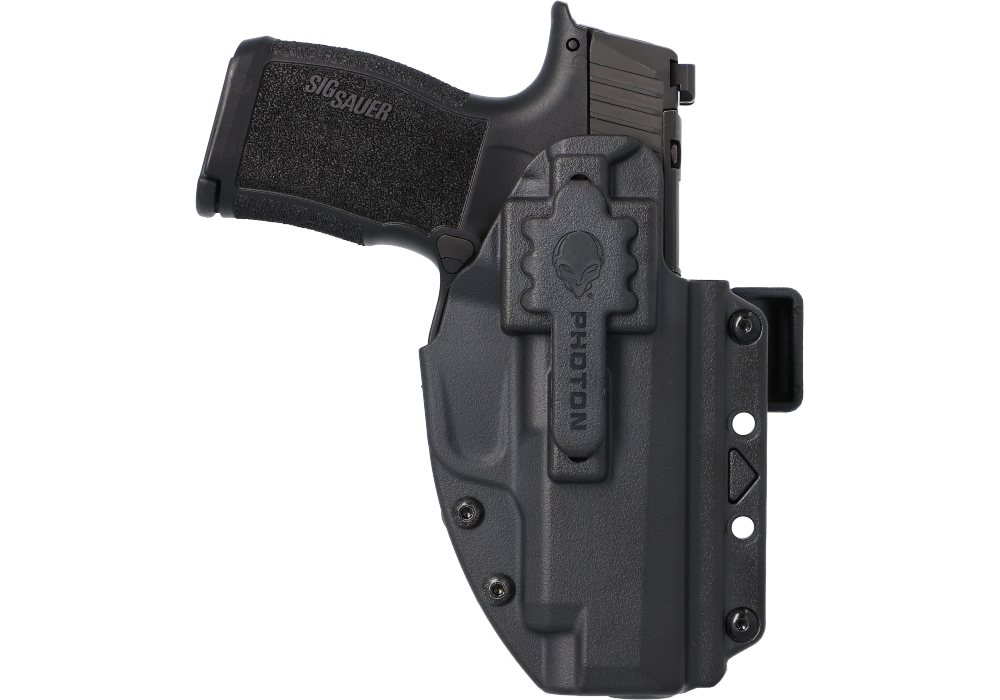
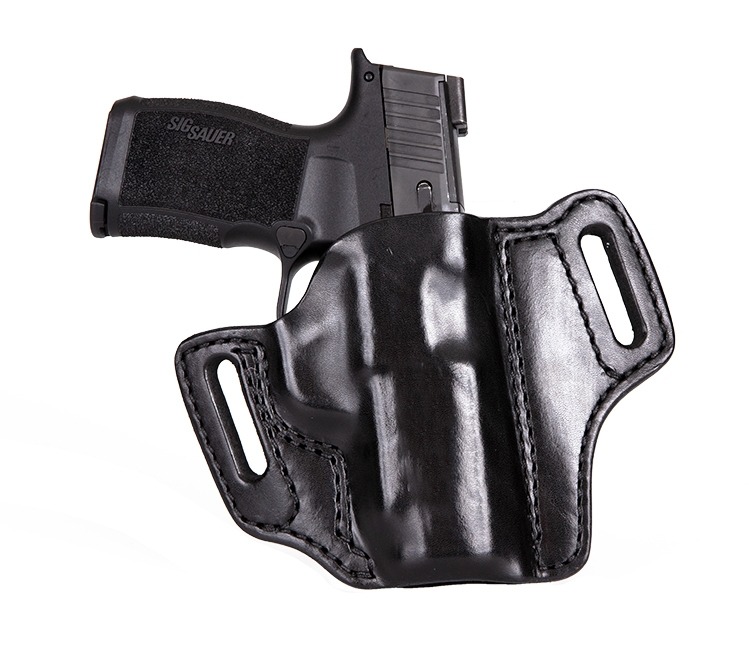
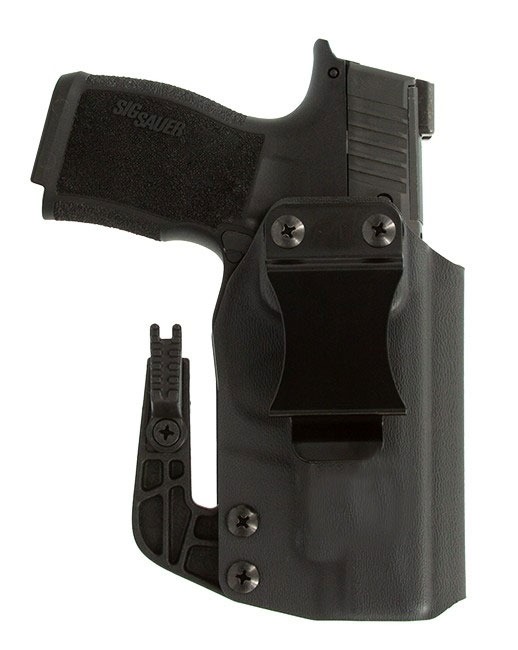
P365XL OWB holsters provide a practical way to carry a compact pistol outside the waistband while keeping the firearm secured, accessible, and positioned for a consistent draw. This style is popular with range-goers, instructors, outdoorsmen, uniformed professionals, and concealed carriers who prefer the comfort and straightforward access of an outside-the-waistband setup. Unlike an inside-the-waistband holster, an OWB design places the holster between the body and the belt, which can make it easier to put on and remove, especially when spending long hours at the range or moving through changing conditions during the cooler months. A well-designed P365XL OWB holster should closely match the pistol’s frame and trigger guard, provide dependable retention, and remain stable as the wearer walks, sits, bends, or reaches. Product listings may include options with a close-to-body profile for discreet wear beneath a loose overshirt or jacket, as well as more open configurations intended for range practice, training, hiking, or property use. The right choice depends on the entire carry setup, including the belt, clothing, shooting environment, and personal preference for ride height and positioning. A dedicated gun belt or other rigid, supportive belt generally helps prevent sagging and keeps the holster from shifting, while a properly adjusted cant can change the angle of the grip and affect how naturally the hand meets the pistol. Reviewing each listing for P365XL compatibility is an important first step, since holsters molded for a different frame size or configuration may not provide the intended fit.
Many P365XL OWB holsters use formed polymer or other structured materials that hold their shape when the pistol is drawn, making reholstering more controlled than with a soft, collapsing pouch. Retention may be passive, using pressure around the trigger guard or slide, and some designs allow the user to fine-tune that pressure with an adjustment screw. An audible or tactile indication that the pistol is seated can be useful during training, though every carrier should still verify the fit manually and follow safe handling practices. Sweat shields or raised rear sections can help separate the firearm from the body, while rounded edges and polished contact surfaces may improve comfort against clothing during extended wear. Open-muzzle designs can accommodate certain longer configurations and allow debris or moisture to pass through rather than collecting at the bottom, but the exact compatibility should always be confirmed against the pistol’s barrel, slide, and any attached accessories. Owners who use a compact weapon-mounted light should select a holster specifically molded for that light and firearm combination; a standard P365XL holster is not automatically compatible with a light-bearing setup. The same careful check applies to a slide-mounted red dot sight. An optic-ready cut can provide clearance for a properly installed sight, but the height, footprint, and overall configuration still matter. Some listings may also offer adjustable belt loops, clips, paddle-style attachments, or mounting patterns that work with interchangeable belt systems. These details affect how securely the holster rides and how easily it can be repositioned for strong-side, cross-draw, or other carry preferences. Before placing a P365XL in any new holster, inspect the shell, hardware, and attachment points, confirm that the pistol seats fully, and check that the trigger is completely covered when holstered.
An OWB holster can be a thoughtful gift for a P365XL owner who spends time practicing at an indoor or outdoor range, participating in professional training, maintaining equipment for outdoor activities, or refining a daily carry arrangement. It is also a useful addition for someone who already owns an inside-the-waistband holster and wants a separate option for training days, colder-weather clothing, or situations where a belt-mounted setup is more comfortable. During the transition between warmer and cooler conditions, an OWB holster can pair naturally with a jacket, overshirt, or heavier layer while still keeping the pistol in a familiar position. For range use, a stable platform with adjustable retention and a secure belt attachment can make repeated drawing and reholstering more consistent, helping the user concentrate on safe technique rather than equipment movement. For discreet everyday carry, a slim profile, rounded edges, and a ride height that keeps the grip close to the body may reduce printing beneath an outer layer, although local laws, workplace rules, and property restrictions should always be reviewed before carrying. Left-handed and right-handed users should confirm the orientation before ordering, and those who share equipment should pay attention to belt width, mounting hardware, and the ease of adjusting the holster without tools. Buyers should also consider whether the holster will be used with a bare pistol or with an optic, light, threaded barrel, or other modification, since even small changes can affect fit. For shoppers comparing P365XL OWB holsters, the most useful details are generally the listed firearm and accessory compatibility, retention method, belt attachment style, cant and ride-height adjustment, material thickness, sweat protection, optic clearance, and overall profile. Selecting those features with the intended clothing and routine in mind helps create a setup that feels natural from the first practice session through regular use. For carriers who prefer a different position against the body, explore P365 Appendix Holsters for additional carry configurations designed around the P365 platform.