Performance parts for pistols give shooters practical ways to refine the way a compatible handgun feels, cycles, and handles. Rather than treating every pistol the same, these aftermarket components can be selected around a specific purpose, shooting style, and level of experience. Trigger assemblies may provide a cleaner break, a more defined reset, or a different pull profile, while grip modules and backstraps can change how naturally the pistol settles into the hand. Extended controls, including slide stops and magazine releases, may make common manipulations easier for shooters with different hand sizes or preferences. Magwells can help guide a magazine into place during practice or competition, and upgraded guide rods and recoil springs allow careful tuning for a particular pistol and ammunition combination. For shooters who spend time on the range, these changes can make a familiar handgun feel more refined without replacing the entire firearm. For those building a dedicated competition setup, performance parts for pistols can support faster transitions, more consistent handling, and a more personalized fit. Every component should be matched to the exact firearm model and generation, since parts that appear similar may use different dimensions, attachment methods, or compatibility requirements. Reviewing manufacturer specifications and consulting a qualified gunsmith are important steps before ordering or installing any upgrade.
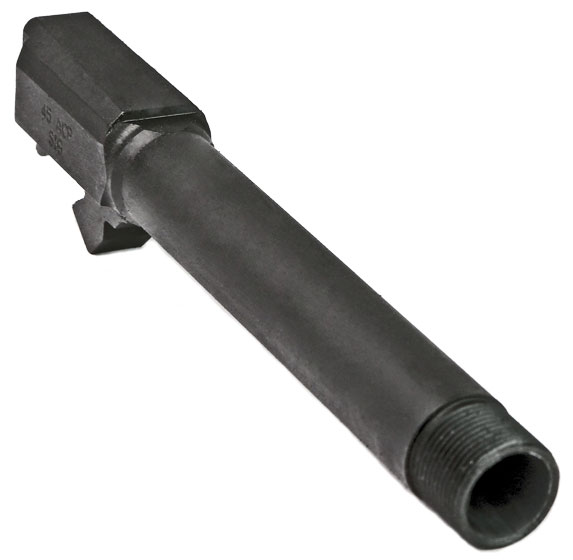
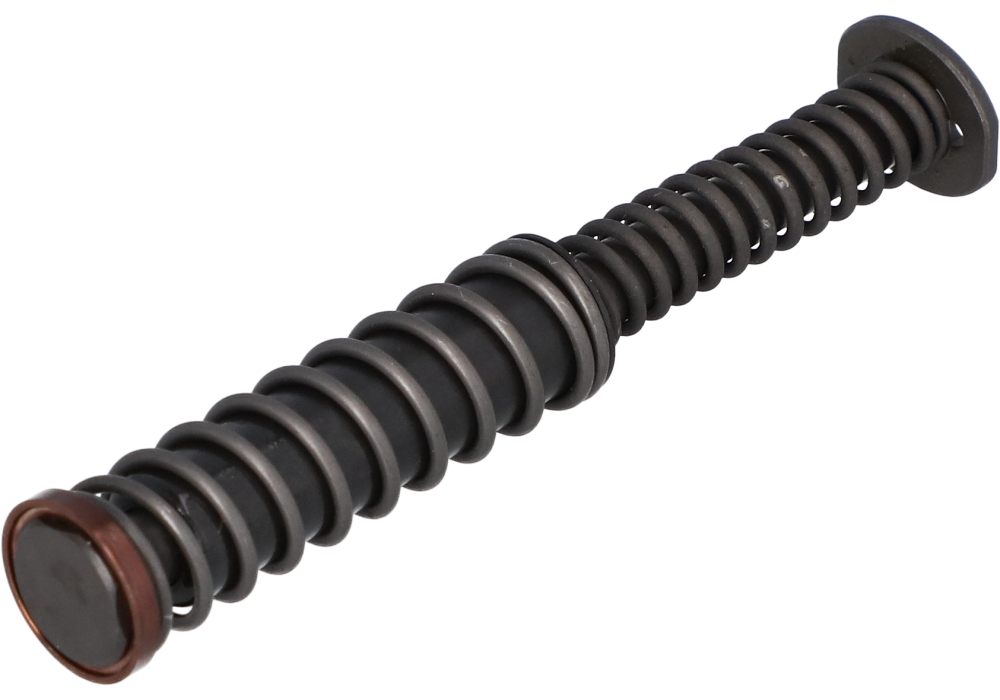
Barrels, compensators, and sighting components are among the most visible ways to customize a pistol’s performance. A precision-oriented barrel may help a properly maintained handgun take advantage of consistent ammunition and careful shooting fundamentals, while a threaded barrel can provide the mounting interface required for certain compatible muzzle accessories. Compensators redirect expanding gases to help manage muzzle movement, which may support quicker sight recovery when the system is correctly configured. Because a compensator, barrel, recoil spring, and ammunition work together as a system, changes should be evaluated for reliable cycling and safe function rather than selected by appearance alone. Optic-ready slides, mounting plates, and reflex sight interfaces can support a more direct sight picture for shooters who prefer electronic aiming solutions, while traditional replacement sights remain a dependable choice for many setups. Slide components may also reduce unnecessary weight or offer a different balance, but fitment, optic footprint, holster clearance, and durability all deserve attention. Buyers should confirm whether installation requires slide milling, specialized tools, or professional fitting. The same care applies to recoil springs and guide rods: a spring selected for one ammunition load or configuration may not be appropriate for another. When exploring Pistol Customization Parts, consider the complete setup, including the pistol’s intended role, the shooter’s training habits, storage arrangements, and any range or competition rules that may apply.
These upgrades can be useful for experienced pistol owners, competitive shooters, instructors, recreational range users, and anyone looking for a thoughtful accessory for a firearm enthusiast. A trigger component, grip module, upgraded control, or sighting accessory may make a practical gift when the recipient’s exact pistol model and preferences are known, although a gift card or shared shopping trip can be the better choice when compatibility is uncertain. A shooter who practices during the warmer seasons may appreciate a setup that remains comfortable through longer range sessions, while during the cooler months, textured grips and easily operated controls can be especially helpful when wearing gloves or heavier clothing. Personal fit is often as important as mechanical performance: a grip that fills the hand comfortably, a control that can be reached without shifting position, and a sighting system that matches the shooter’s visual habits can build confidence over time. Before use, inspect every installed component, confirm that controls move as intended, and follow the firearm and part manufacturer’s instructions. A qualified gunsmith can verify fit, address installation concerns, and help evaluate reliability after modifications. New configurations should be tested at a safe, approved range with appropriate eye and ear protection, using the ammunition and maintenance routine recommended for the firearm. With careful selection and responsible installation, performance parts for pistols can turn a familiar handgun into a more comfortable, capable, and personalized platform for practice, competition, training, or responsible recreational shooting.