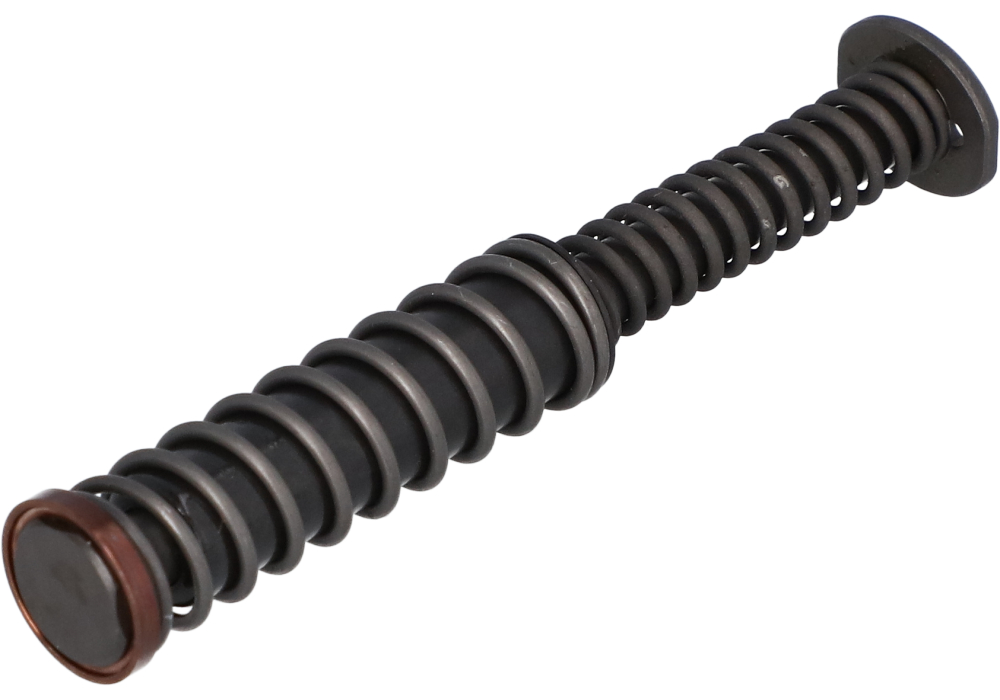
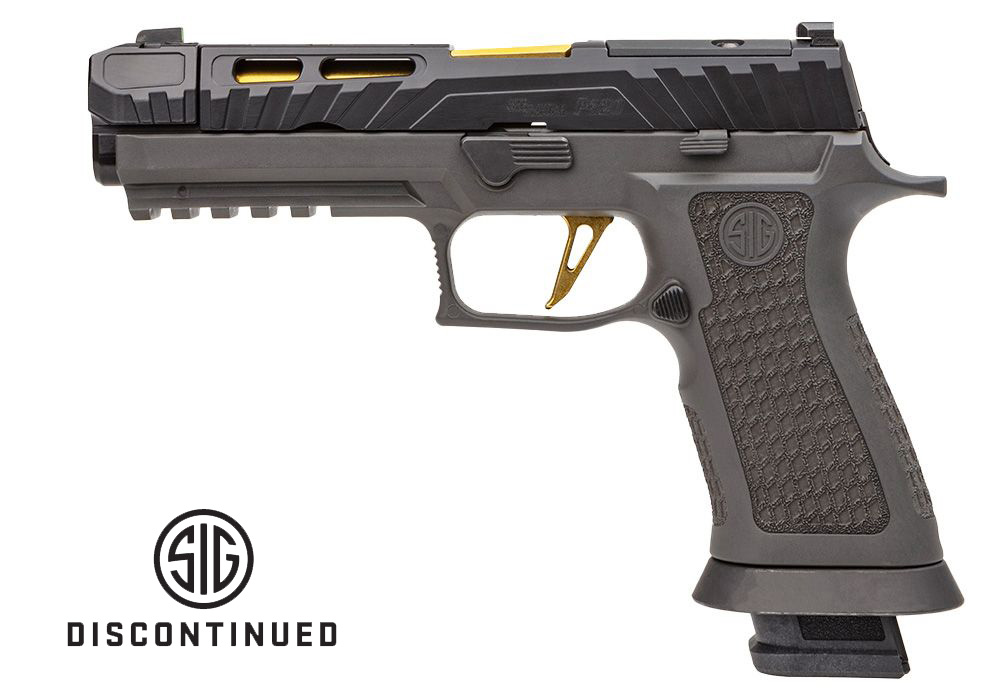
Pistol parts for professionals are replacement components and compatible assemblies selected to support the upkeep, fit, and dependable operation of pistols used for work, instruction, and regular range practice. The category spans internal service components, structural assemblies, grip components, and mounting interfaces, with each serving a different role in the firearm’s overall function. For law enforcement personnel, licensed security professionals, firearms instructors, and armorers, the priority is not simply a different appearance or feel. It is a component that matches the pistol’s specifications, suits its intended role, and can be maintained within a documented service routine. A pistol used throughout an instructor’s teaching schedule may accumulate wear differently from one carried regularly but fired less frequently. Both deserve parts selected with their actual use in mind. Fit begins with the exact firearm model, configuration, and manufacturer requirements; visual similarity alone does not establish compatibility. Differences in frame dimensions, slide configuration, mounting patterns, and component revisions can matter even within the same pistol family. A replacement should therefore be evaluated against the firearm’s documentation rather than assumptions based on appearance or a familiar model name. Professional use also brings practical requirements beyond the pistol itself. Grip dimensions and external controls need to remain suitable for the user, while changes to the firearm’s exterior must preserve compatibility with required holsters and other issued equipment. A component that suits a dedicated range pistol may not satisfy an employer’s requirements for a duty firearm. For organizations managing several pistols, consistent configurations can simplify inspections, recordkeeping, and equipment familiarization. For an individual professional, that same consistency helps preserve a familiar handling experience between practice and work. Replacement parts are most useful when their purpose is clear: addressing documented wear, restoring the specified configuration, or supporting a manufacturer-approved equipment setup. Internal work and any changes affecting firearm function belong with a qualified armorer or gunsmith, followed by the inspections and function checks required by the manufacturer and applicable workplace policy.
Materials and surface treatments help explain how pistol components handle repeated use, but they should be considered alongside fit and manufacturing specifications rather than treated as quality shortcuts. Steel is common where strength, wear resistance, and dimensional stability are important. Aluminum may be appropriate for certain external components where weight and rigidity matter, while engineered polymers can provide useful grip geometry and resilient exterior surfaces. The suitability of any material depends on the component’s job and the specifications of the firearm it supports. A metal component is not automatically preferable to a polymer one, and a more prominent finish does not establish better service life. Protective finishes can help resist surface wear and corrosion, but they do not eliminate the need for inspection and care. On a frequently handled pistol, contact surfaces, grip texture, and exposed edges can show the effects of repeated handling and holster use. Those signs deserve attention in context: a cosmetic mark and a condition affecting function are not the same thing. Maintenance practices should follow the firearm manufacturer’s directions, including approved cleaning products, lubrication requirements, and service intervals. Before cleaning or inspection, the firearm should be unloaded and ammunition kept separate from the work area. A clean bench, appropriate lighting, and organized component storage make professional servicing easier to document and review. For example, an armorer supporting several training pistols benefits from keeping removed components and service records associated with the correct firearm rather than mixing similar-looking parts in a common tray. Durable equipment also depends on recognizing when a component requires professional evaluation instead of assuming that an intact exterior means everything is within specification. Grip surfaces should remain secure and suitable for the user’s hand, mounting interfaces should meet the applicable equipment specifications, and replacement components should retain the dimensions required for proper fit. Detailed product documentation is especially valuable here because it connects material and finish descriptions to actual compatibility requirements. Appearance can help distinguish a configuration, but a professional purchasing decision rests on fit, documented suitability, and ongoing care.
Intended use gives professional pistol parts their context. A firearms instructor may need consistent equipment across demonstrations and supervised practice, while an agency armorer may be responsible for maintaining a group of pistols with different service histories. A security professional may place particular importance on preserving the approved configuration of a carry firearm, and a dedicated range user may prioritize straightforward maintenance over cosmetic changes. These needs overlap, but they are not interchangeable. Components selected for professional use should support the relevant equipment standards without introducing unnecessary differences in handling or maintenance. For teaching environments, Pistol Parts for Shooting Instructors offers a closely related focus for professionals considering components in the context of instructional equipment. Familiarity matters when a pistol moves between routine inspection, range practice, and a working assignment. A grip that feels secure during a brief handling check still needs to suit the user’s normal equipment and approved configuration. Likewise, a replacement assembly needs more than a matching description; its compatibility must be established for the particular firearm receiving it. Clear documentation, identifiable component specifications, and accessible care information help professionals keep those decisions grounded in evidence. For departments and training businesses, service records can also preserve the reasoning behind a replacement and make later inspections more efficient. Recording the component’s identity, the firearm it serves, and the date of professional installation creates a clearer maintenance history than relying on memory. For individual owners, retaining packaging and compatibility information provides a useful reference when arranging future service. The value of a professional pistol component is therefore broader than its finish or construction alone. It includes how well it fits the firearm, how clearly its intended application is documented, and how readily it supports responsible upkeep. Thoughtful selection favors parts that preserve familiar operation, meet the requirements of the working environment, and allow maintenance to remain consistent throughout the firearm’s service life. That is the practical foundation of a professional setup: appropriate components, verified fit, and care that reflects how the pistol is actually used.