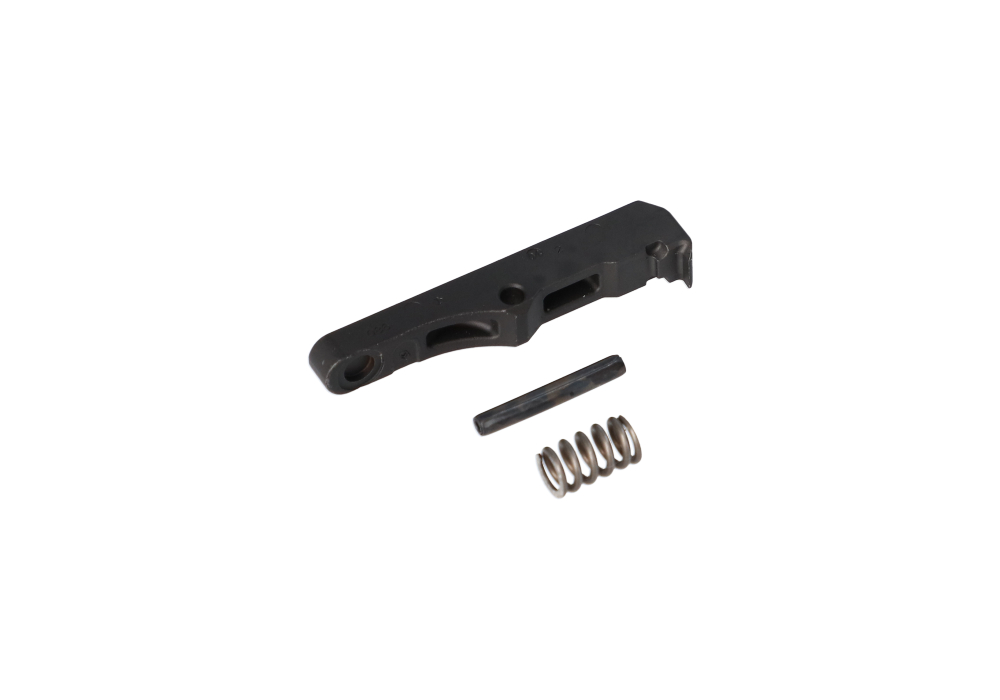
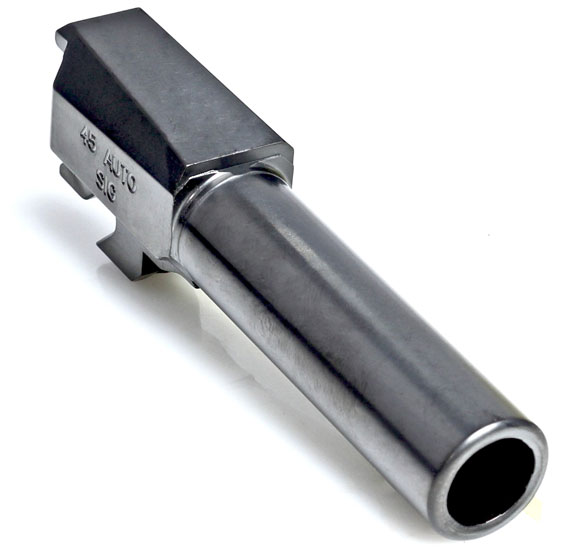
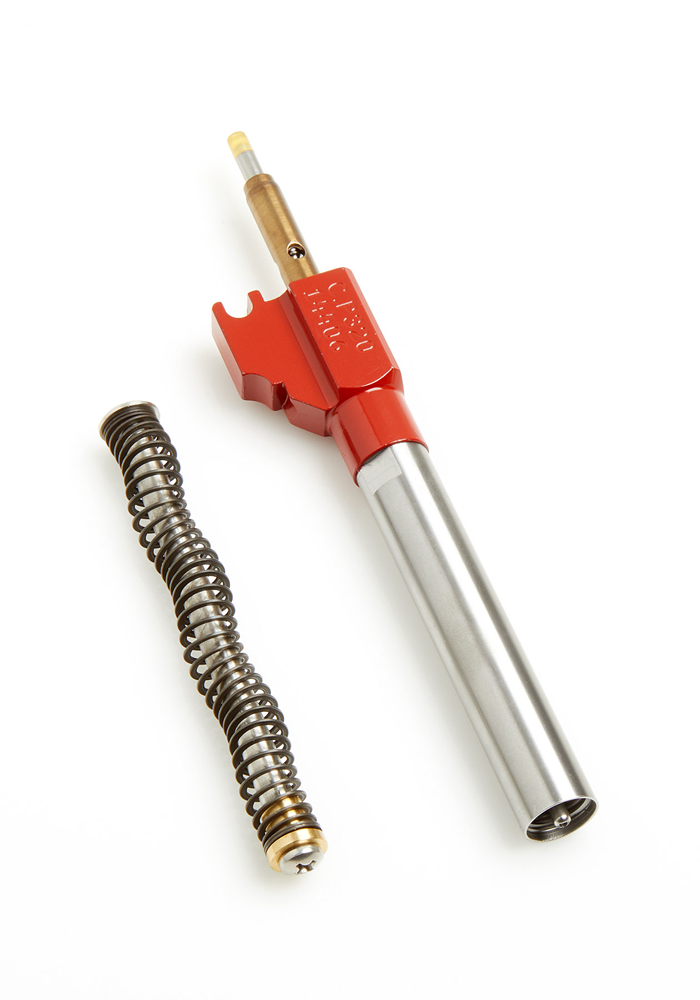
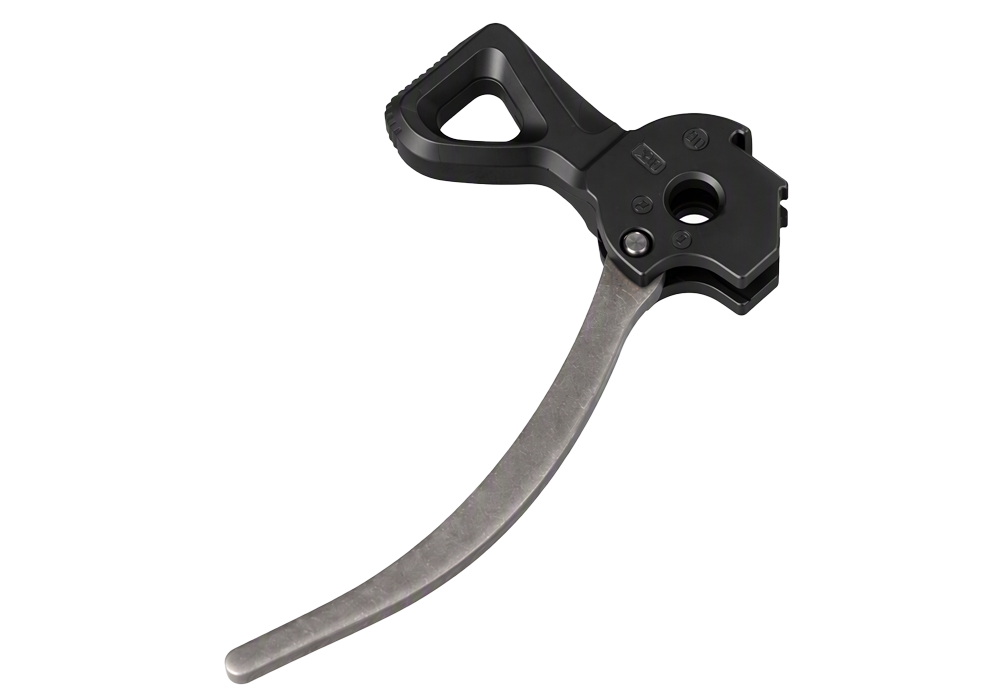
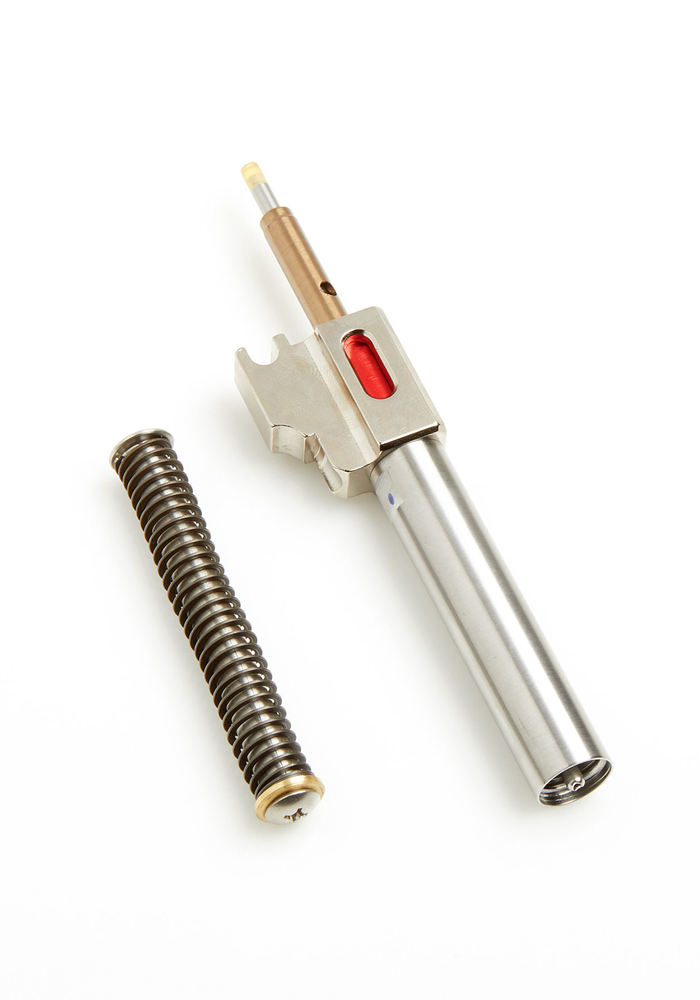
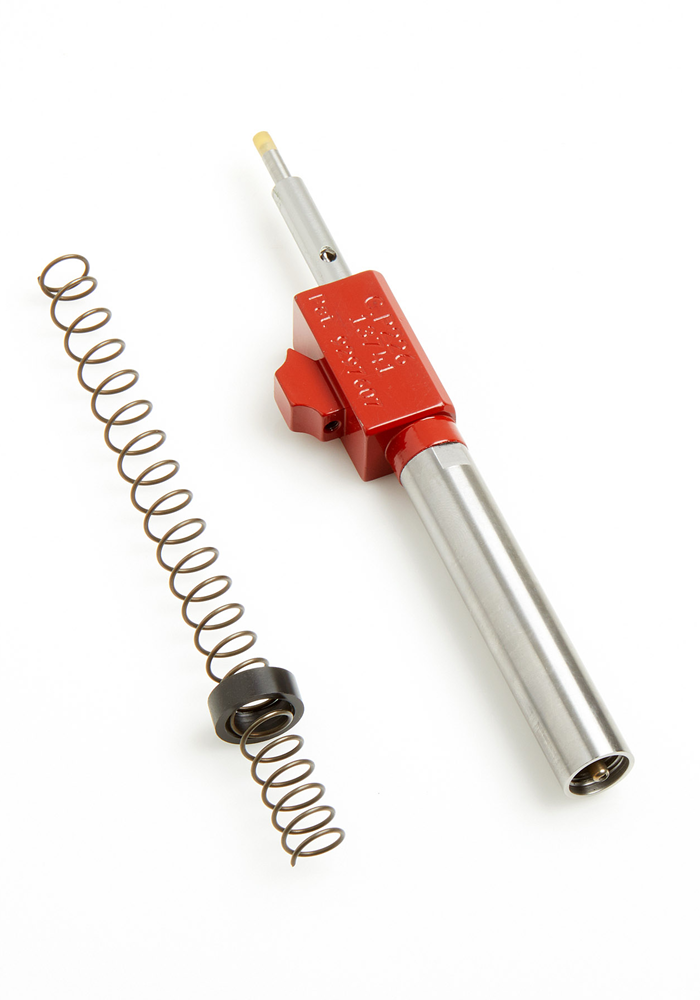
Pistol parts for shooting instructors are platform-specific replacement components that support the upkeep of handguns used for demonstrations, lessons, and supervised practice. An instructor’s pistol may move from a classroom explanation of basic handling to an extended range session, while training handguns can serve several students with different experience levels. Repeated use brings fit, wear, and maintenance into focus. Relevant component categories include recoil spring assemblies, small springs and pins, magazine components, and grip-related parts, with the appropriate selection determined by the firearm’s configuration and documented service requirements. Compatibility comes first: a component that looks familiar is not necessarily suitable, even when two pistols share a similar outline or belong to the same model family. Model designation, generation, configuration, and manufacturer part references provide a more dependable basis for selection than appearance alone. Instructors responsible for several training handguns benefit from understanding which components are shared across their equipment and which are specific to one configuration. Two pistols used in the same introductory course, for example, may require different assemblies despite fitting similar holsters. Clear identification helps prevent confusion when a handgun is scheduled for service. Manufacturer documentation should guide selection, and any required fitting or internal repair belongs with a qualified armorer or gunsmith. For an instructional setting, preserving the firearm’s specified operating condition generally matters more than pursuing unfamiliar alterations. Consistent equipment also supports clearer demonstrations, since students can concentrate on the lesson rather than differences introduced by unnecessary changes. This is relevant to independent instructors, range educators, and staff responsible for a larger training fleet. A well-maintained teaching pistol is not simply a convenience for the person carrying it; it is part of an organized learning environment where equipment condition receives deliberate attention. Choosing parts with a documented connection to the correct platform helps keep maintenance decisions grounded in the handgun’s actual requirements rather than assumptions about what might fit.
Materials and construction deserve the same attention as compatibility. Depending on the component, pistol parts may use steel, aluminum, polymer, or combinations selected for a particular mechanical role. Steel can provide wear resistance in contact areas, aluminum can serve applications where weight matters, and polymer can provide useful shaping and surface characteristics in grips and other components. No single material is the best choice for every location in a handgun. Dimensions, surface finish, heat treatment where applicable, and the relationship between adjoining components all influence suitability. A tough-looking finish is not a substitute for correct specifications, and a part’s appearance cannot establish its service life. For instructors whose equipment sees frequent handling, durability includes resistance to ordinary abrasion, cleaning exposure, and corrosion associated with perspiration and handling residue. Grip surfaces should remain suitable for their intended use without being selected solely for an aggressive appearance. A texture that feels comfortable during a brief inspection may feel different through repeated demonstrations and practice sessions. Similar care applies to visible controls: familiarity and compatibility matter more than cosmetic uniformity across unrelated platforms. Maintenance products and methods should follow the firearm and component manufacturers’ recommendations, particularly when coatings, polymer surfaces, or other material combinations are involved. Routine care provides opportunities to notice changes in condition, but appearance alone does not confirm that a component remains serviceable. Springs and other wear components have requirements that vary with design and use, so a universal replacement schedule is less useful than the applicable service guidance. If a part shows damage, unusual wear, or uncertain fit, the handgun should be set aside for professional evaluation rather than returned to student use on an assumption. Maintenance should take place with the firearm unloaded and ammunition separate from the work area. These habits support a practical distinction: routine cleaning preserves condition, while diagnosis, fitting, and repair call for the appropriate qualifications. Selecting suitable parts is only one part of maintaining dependable instructional equipment.
Organization makes replacement parts more useful to a working instructor. Clearly labeled packaging, readable part references, and a simple service record help connect each component to the correct handgun. Small pieces are easier to identify when kept in separate, protective compartments rather than mixed together in the bottom of a range bag. Original labels are especially valuable when several similar configurations are used in the same program. For a training business, records can also distinguish a pistol awaiting inspection from one cleared for instructional use. That separation matters during a busy class, when the priority is supervising students rather than diagnosing equipment at the firing line. A suitable spare component does not mean a repair should take place during a lesson, and having replacement parts does not replace access to qualified service. Instructors can plan around those realities by keeping maintenance responsibilities distinct from teaching responsibilities and establishing how an affected handgun will leave use for evaluation. The broader Pistol Parts For Professionals collection provides a related category to consider alongside the requirements of instructional work. Selection should still return to the same essentials: exact fit, intended function, material suitability, and the manufacturer’s service information. Instructors teaching introductory classes may value consistency across training handguns, while those overseeing repeated qualification sessions may place greater emphasis on documented wear and service history. Neither setting benefits from choosing a component solely because it resembles one used elsewhere. For someone selecting pistol parts as a gift for an instructor, confirmed compatibility and the recipient’s maintenance preferences are essential; guessing at a platform or configuration can leave even a thoughtfully chosen component unsuitable. Across these situations, useful parts are those that match an established need and support the equipment already in service. Careful identification, appropriate storage, and professional attention when necessary help keep the focus where it belongs: on clear instruction, responsible handling, and a well-run learning environment.