Picatinny Handguards
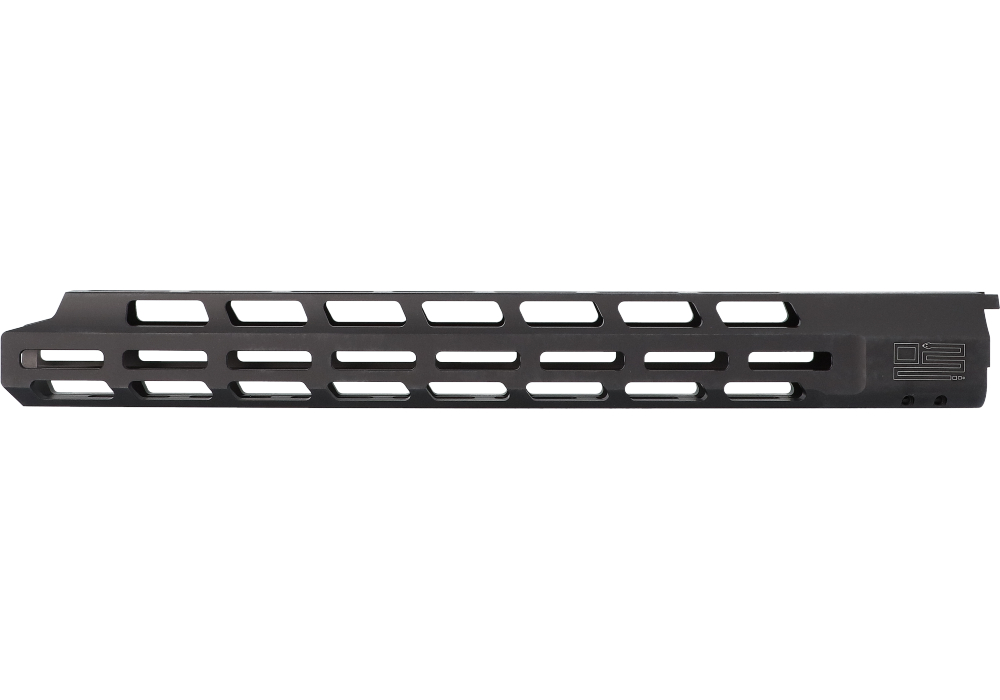
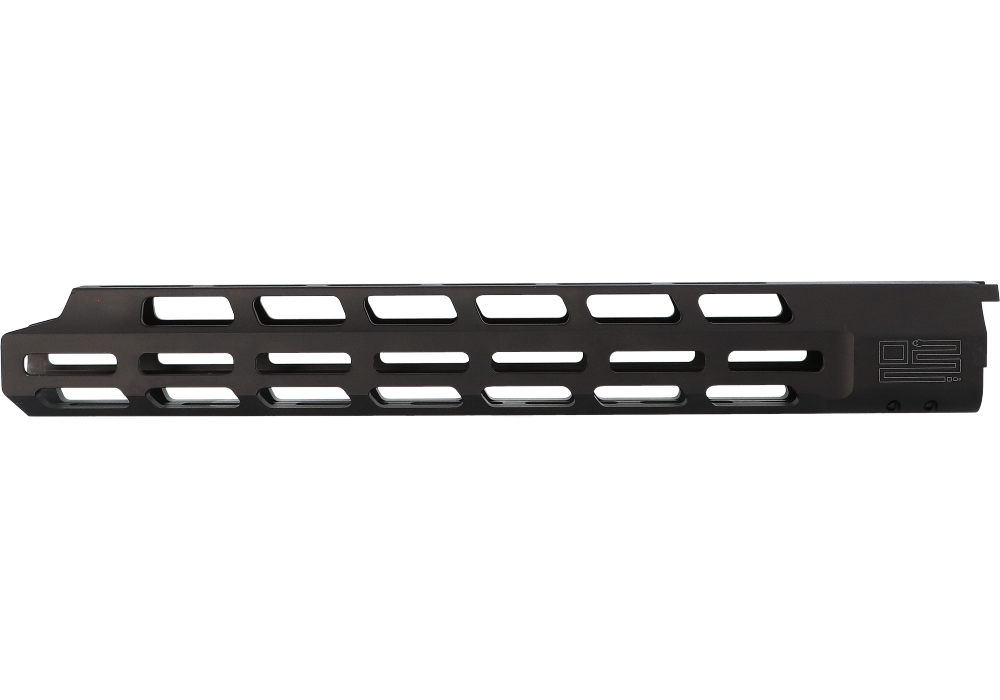
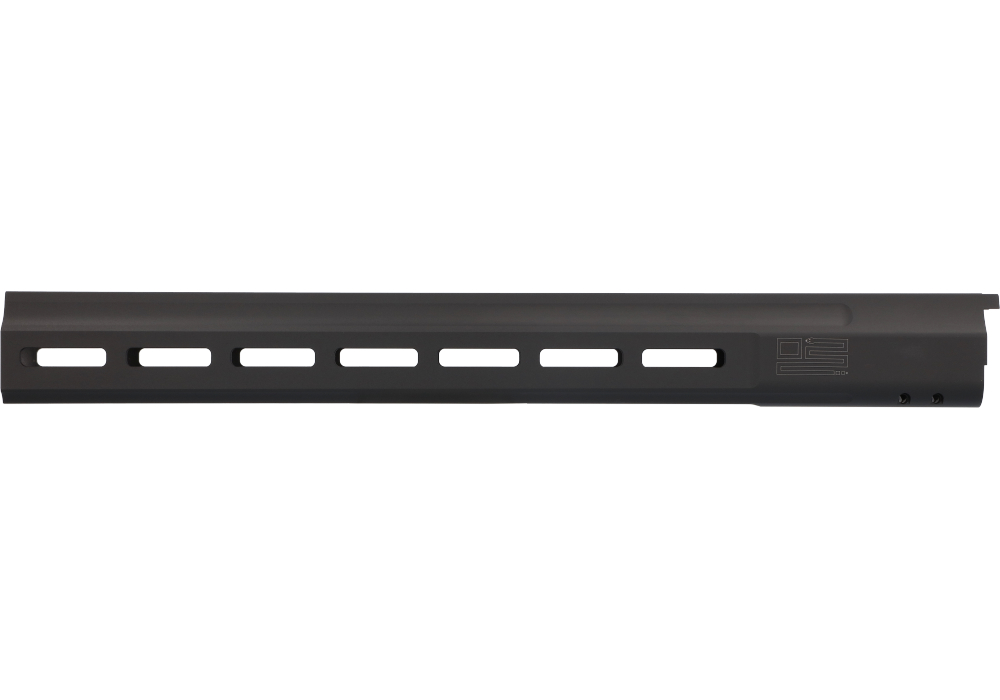
Picatinny handguards provide a practical foundation for configuring a compatible rifle with accessories that support a shooter’s preferred setup. Built around the familiar rail interface, these handguards offer a series of evenly spaced mounting slots that can accommodate compatible lights, sling attachments, vertical grips, hand stops, bipods and other equipment. That flexibility makes them useful for a wide range of applications, from recreational range sessions and organized competitions to training, varmint control and field use where a stable, adaptable platform is valuable. A well-chosen handguard can also improve the overall feel of a rifle by giving the support hand a consistent, comfortable contact point. Some shooters prefer a compact configuration that keeps the front end light and maneuverable, while others choose a longer handguard for additional mounting space and a more extended gripping surface. The right choice depends on the rifle’s intended role, the accessories that will be installed and the way the firearm naturally fits the shooter. When comparing options, begin with compatibility. Confirm the firearm’s upper receiver, barrel length, gas system arrangement and mounting requirements before placing an order, since handguards that appear similar may use different attachment methods or require specific clearance around the barrel and front sight components. It is also worth considering the rail’s overall length, the number and placement of available slots, and whether the handguard leaves sufficient room for the accessories you already use. Shooters who spend long stretches on the range may appreciate a design that balances rigidity with manageable weight, while those who carry a rifle through uneven terrain may place greater value on a streamlined profile that is less likely to catch on brush, gear or vehicle interiors.
Material and construction are equally important considerations. A handguard should feel secure in the hand and remain firmly mounted during normal use, with a finish that can withstand the handling, transport and cleaning that accompany regular shooting. Ventilation can help manage heat around the barrel during extended range sessions, while a textured or carefully shaped exterior can provide a more confident grip with or without gloves. Think about the accessories that will live on the rifle rather than selecting a rail by appearance alone. A light mounted near the front may benefit from a handguard with a clear, uninterrupted section of rail, while a bipod or sling attachment may require a particular position to keep the rifle balanced. Shooters who move between different configurations should pay attention to how easily accessories can be repositioned and whether the handguard’s dimensions allow comfortable access to controls. Weight distribution matters more than many new owners expect: adding several accessories toward the muzzle can make a rifle feel noticeably front-heavy, especially during unsupported shooting or when transitioning between targets. A thoughtful setup often begins with the essentials and adds equipment only when it serves a clear purpose. Those seeking a similar foundation for a different configuration can also explore AR15 Handguards to compare compatible options and mounting styles. Before installation, unload the firearm completely, separate ammunition from the work area and follow the firearm and handguard manufacturers’ instructions. If the installation involves components that require specialized tools, torque specifications or changes to the gas system, a qualified gunsmith can help ensure the work is completed safely and correctly.
Picatinny handguards can be a thoughtful gift for a shooting enthusiast, especially someone who is refining a range setup, replacing a worn component or building a rifle around a particular style of use. They are also a practical choice for experienced owners who enjoy fine-tuning the balance and handling of their equipment as the seasons change. During warmer weather, a ventilated handguard and a carefully placed support accessory can make long outdoor sessions more comfortable, while the cooler months often highlight the value of a secure grip that works naturally with gloves and layered clothing. Gift buyers should avoid guessing about fit; the recipient’s exact firearm configuration, preferred handguard length and current accessory arrangement are important details. A gift card or a conversation about compatibility may be more useful than selecting a handguard based only on appearance. For every buyer, the goal is a dependable interface between the shooter and the rifle—one that supports a comfortable hand position, keeps accessories organized and complements the firearm without unnecessary bulk. Review applicable federal, state and local laws before purchasing or installing firearm accessories, and store firearms and ammunition securely when not in use. With careful attention to fit, materials, mounting space, balance and intended use, a Picatinny handguard can become a durable part of a personalized setup that feels natural from the first trip to the range through many seasons of responsible ownership.