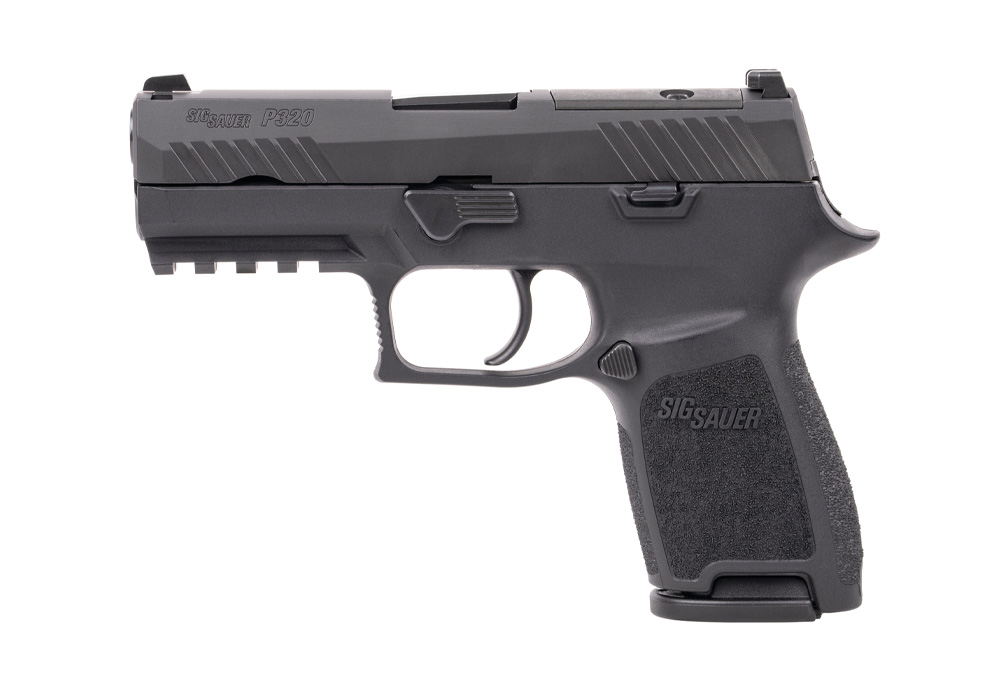
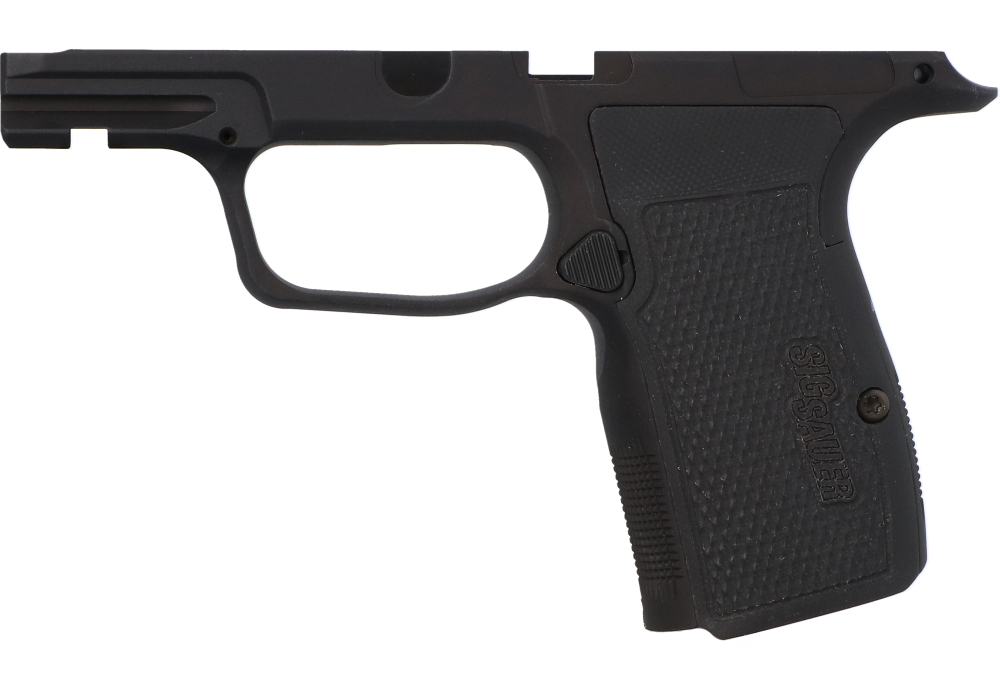
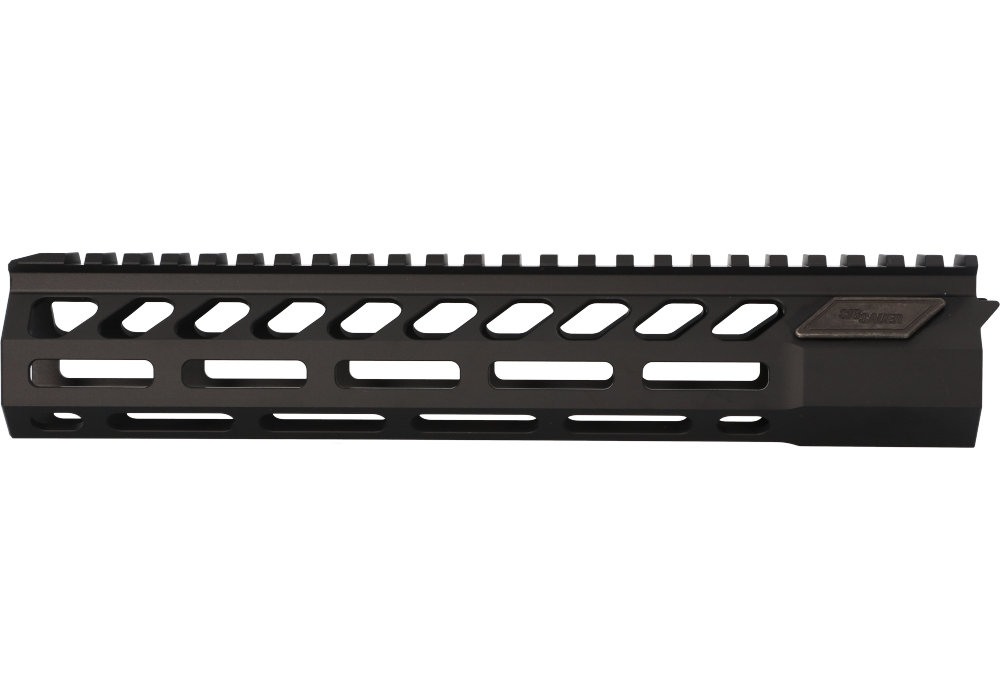
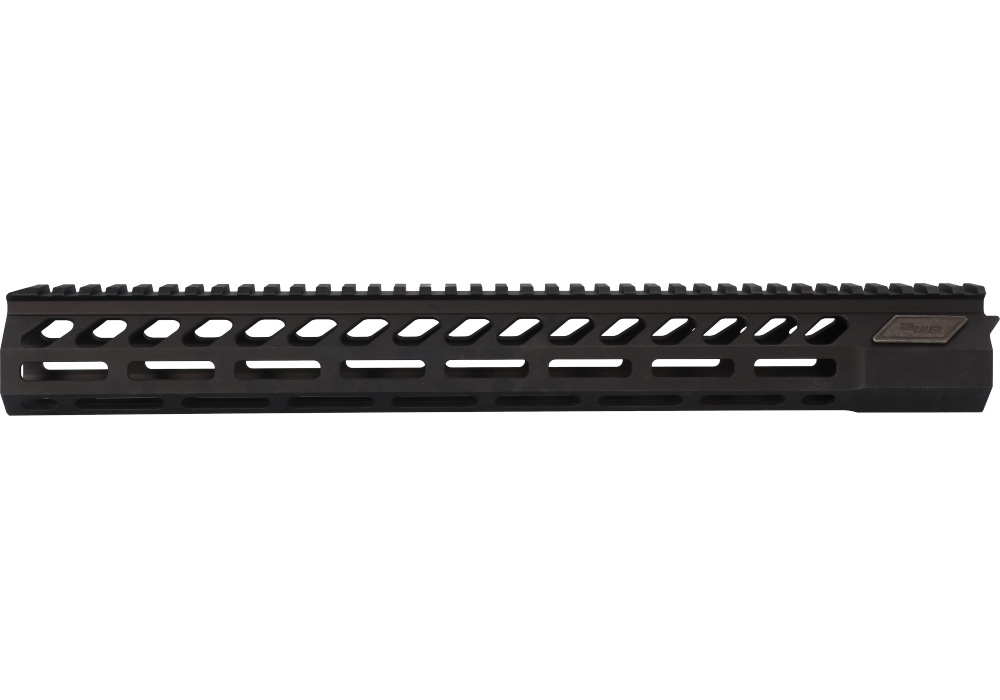
Picatinny rails for home defense provide a standardized mounting interface between a compatible firearm and accessories such as optics or firearm-mounted lights. Commonly associated with MIL-STD-1913, the Picatinny system uses a raised profile with transverse slots that accept compatible mounting hardware. Those slots give an accessory mount defined attachment positions, while the rail profile provides surfaces for its clamp to engage. The result is a practical interface shared across many firearm and accessory designs, though a shared standard does not make every combination compatible. The firearm attachment points, rail dimensions, mounting hardware, and accessory requirements all matter. A rail intended for a receiver is not interchangeable with a section intended for a handguard, and a handgun accessory interface can have its own dimensional requirements. Within this category, differences in length, height, construction, and attachment method serve different needs rather than representing a single best configuration. Short sections provide mounting space without extending across an entire surface; longer rails offer more positioning options where the host firearm supports them. For responsible owners considering equipment for home protection, the central value is a secure, compatible connection—not the number of accessories a firearm can carry. A modest rail with the correct fit can be more appropriate than a larger component that adds unnecessary bulk or interferes with existing features. The broader selection of Picatinny Rails provides context for comparing mounting formats, materials, and dimensions across different applications. Product specifications are especially important here: the accessory-facing interface may follow a familiar standard, while the underside of the rail is designed for a particular mounting surface. Understanding that distinction helps separate general Picatinny accessory compatibility from compatibility with the firearm itself. It also explains why outwardly similar rails can have very different fit requirements, even when their upper profiles look nearly identical in a photograph.
Materials and manufacturing details influence weight, durability, and the way a mounting interface holds up to repeated use. Aluminum is common because it combines relatively low weight with useful rigidity; alloy designation, heat treatment, and overall design give a more complete picture than a broad description such as aircraft grade. An anodized finish can help protect an aluminum surface against wear and corrosion, although contact marks may still appear where clamps engage. Steel components generally weigh more and can provide durable engagement surfaces, while polymer sections offer a lightweight alternative for applications their manufacturers specifically support. No material is automatically the right choice for every accessory or firearm. Intended use, attachment design, and the loads the component is rated to support remain more informative than appearance alone. Cleanly formed slots, consistent dimensions, and properly finished edges are meaningful details because a mounting interface depends on contact between several separate parts. A rail also becomes part of the firearm’s overall profile. Extra height can affect the relationship between an optic and existing sights, while added width or length may change compatibility with a fitted case, secure storage compartment, or holster. A handgun that fits a molded holster without an adapter, for example, may no longer fit it after an external rail component is attached. Likewise, a protective case with closely shaped foam may need a different layout to accommodate the assembled firearm without pressure on its accessories. These everyday considerations are easy to overlook when attention is focused only on slot count or finish. For equipment associated with home defense, durability includes maintaining a sound connection through ordinary handling, transport, and practice, not simply resisting visible scratches. Claims about recoil resistance or an optic retaining its zero should be understood in the context of the complete assembly: the firearm, rail, fasteners, accessory mount, and optic each contribute. A rail alone cannot guarantee that a sight’s alignment will remain unchanged.
Fit and care are closely connected because even a well-constructed rail depends on the correct hardware and an appropriate installation. Compatibility information should identify the supported firearm or mounting interface, the necessary fasteners, and any limitations affecting accessory use. A familiar slot pattern is not a substitute for that documentation, and accessories designed around other rail standards should not be assumed to fit without explicit confirmation. Manufacturer instructions govern installation requirements, including whether any thread treatment is appropriate; there is no single fastener setting or preparation method that applies to every rail assembly. Professional assistance is appropriate when fit is uncertain, hardware does not match the documentation, or installation would require altering the firearm. Routine care is generally about preserving the condition of the mounting surfaces and noticing changes before further use. With the firearm unloaded and handled according to its safety instructions, visible debris, damaged hardware, corrosion, or movement at an attachment point can be assessed without treating the rail as a maintenance-free component. Cleaning products should be compatible with the rail’s material and finish, and inspection or service should follow the relevant manufacturers’ recommendations. A mark in a finish is not necessarily a structural problem, but cracking, deformation, or persistent looseness warrants evaluation rather than an improvised repair. This category is relevant to experienced firearm owners, people evaluating their first accessory interface, and responsible household members seeking equipment that integrates with an established storage and training routine. As a gift, a rail is best considered when the recipient’s exact fit requirements are known; a close visual match is not enough for a component with a mechanical role. Accessories also do not replace safe handling, lawful ownership, or secure storage that prevents unauthorized access. For home defense applications, a suitable Picatinny rail is ultimately a supporting component: its purpose is to provide the specified mounting interface while respecting the firearm’s design and the accessory’s requirements. Clear specifications, suitable materials, sound construction, and manageable upkeep offer a more useful basis for comparison than sweeping promises about performance.