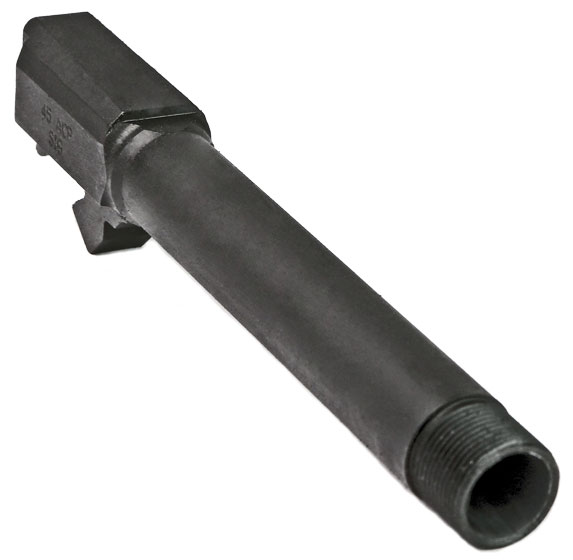
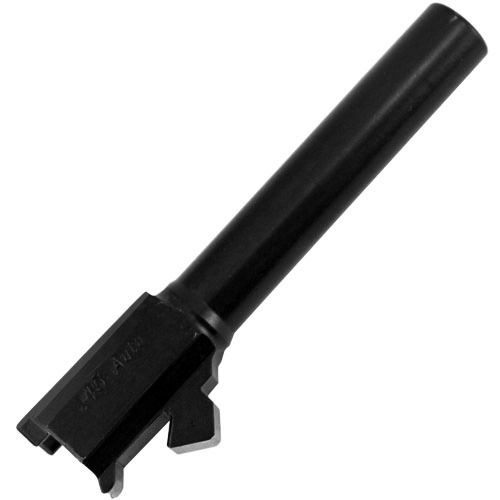
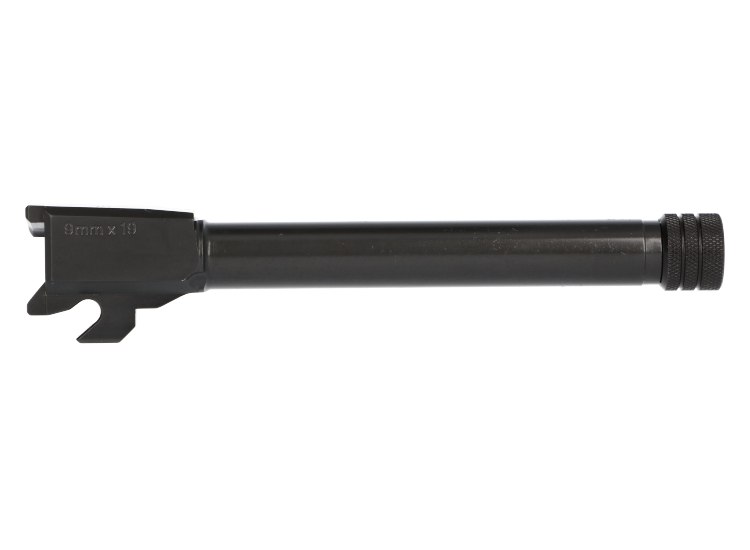
Pistol barrels are central to the fit, function, and shooting characteristics of a handgun, whether the goal is replacing a worn component or choosing a configuration suited to regular range use. For Independence Day upgrades, the most useful distinction is between a barrel that simply looks different and one that meets a clearly defined need. A replacement may help restore consistent performance when an existing barrel shows wear, while a different finish or profile may reflect a preference for appearance, upkeep, or intended use. A new barrel does not guarantee tighter groups, and there is no universal percentage improvement in accuracy. Ammunition consistency, sights, shooter technique, firearm condition, and barrel fit all influence results. Compatibility deserves particular attention because two barrels can share a caliber designation and still differ in important dimensions. The correct match depends on the pistol’s exact model, generation, slide configuration, and manufacturer specifications, not merely a familiar silhouette or similar overall length. Chamber dimensions, locking surfaces, and the relationship between the barrel and slide are functional details rather than cosmetic distinctions. Some replacement barrels are intended for installation without custom fitting; others require evaluation or fitting by a qualified gunsmith. Neither approach should be assumed from photographs alone. Clear compatibility information and documented specifications are more useful than broad promises about universal fit. For someone who practices regularly, replacing an aging barrel can be part of maintaining a familiar pistol rather than changing its character. For a recreational shooter preparing for a holiday range visit, the priority may be dependable function and straightforward care. A shooter keeping a practice log may value a consistent setup more than a noticeable visual change. Those different priorities give pistol barrel shopping its practical focus: the appropriate choice supports the firearm’s intended role without creating uncertainty about fit, ammunition compatibility, or maintenance. A barrel that suits one owner’s routine may offer little benefit to another, even when both pistols look similar from across the range.
Material and surface treatment shape how a pistol barrel holds up to repeated use and routine handling. Stainless steel and alloy steel are common barrel materials, but the material name alone does not establish quality or predict service life. Heat treatment, machining consistency, surface preparation, and the manufacturer’s quality controls also matter. Stainless steel can offer useful corrosion resistance, though it is not immune to rust or staining. Alloy steel barrels may use protective finishes or surface treatments that help resist wear and corrosion. Nitride treatments, for example, alter the surface characteristics of steel rather than functioning like a decorative layer of paint. Other finishes can change the barrel’s appearance while providing varying levels of surface protection. A bright finish may show fouling more readily, while a darker finish may make certain wear marks easier to notice; neither appearance, by itself, confirms how well a barrel will perform. The bore, chamber, and muzzle deserve as much attention as the visible exterior. Rifling geometry and chamber specifications are part of a barrel’s design, and ammunition suitability should follow the firearm and barrel manufacturers’ guidance. A polished appearance is not a substitute for sound dimensions or proper compatibility. Barrel length also belongs in the fit discussion rather than serving as a simple ranking of better and worse. Different lengths correspond to different firearm configurations, and a longer barrel is not automatically the right choice for a particular pistol. For caliber-specific browsing, 9mm Pistol Barrels for July 4th Sales offers a more focused starting point, with the exact firearm configuration still determining compatibility. Durable construction is most valuable when paired with realistic expectations: finishes can show contact marks, bores collect residue, and heavily used components need periodic professional assessment. Honest specifications and a clear maintenance routine tell more about long-term suitability than a dramatic finish name or an unsupported accuracy claim.
Intended use helps distinguish among barrel configurations without treating every feature as a necessity. A conventional, unthreaded barrel may suit an owner who wants a straightforward replacement that preserves the pistol’s familiar dimensions. Threaded barrels introduce additional compatibility considerations, including thread specifications, accessory clearance, and any applicable legal requirements. The presence of threads alone does not establish that a particular accessory is appropriate for a particular firearm. Manufacturer documentation and qualified professional evaluation remain important wherever components interface. Exterior profiles and visible finishes can also affect the overall appearance, but those preferences belong alongside functional requirements, not ahead of them. Care is similarly practical. A barrel benefits from cleaning products and tools suitable for its material and finish, with the firearm unloaded and all maintenance performed according to the manufacturer’s instructions. Residue should not be confused with permanent damage, and aggressive cleaning methods can create problems that routine care is meant to prevent. After a range visit, attention to moisture, fouling, and storage conditions helps preserve the component between outings. A pistol left untouched in a case still deserves inspection, especially when its maintenance history is uncertain. For frequent range visitors, a record of use and professional service can provide useful context when evaluating wear. Changes in function, unusual marks, or signs of damage warrant attention from a qualified gunsmith rather than assumptions based on appearance. As a gift for an experienced handgun owner, a replacement barrel requires more coordination than a general shooting accessory. Knowing the recipient’s exact firearm configuration and preferences helps avoid choosing a component that cannot serve its intended purpose. A conversation about compatibility is more valuable than guessing from caliber alone. Whether selected for routine practice, a commemorative holiday purchase, or the upkeep of a well-used pistol, a barrel earns its place through correct fit, suitable construction, and dependable service over time. Visual appeal can be part of that decision, but it is strongest when supported by clear specifications and responsible ownership.