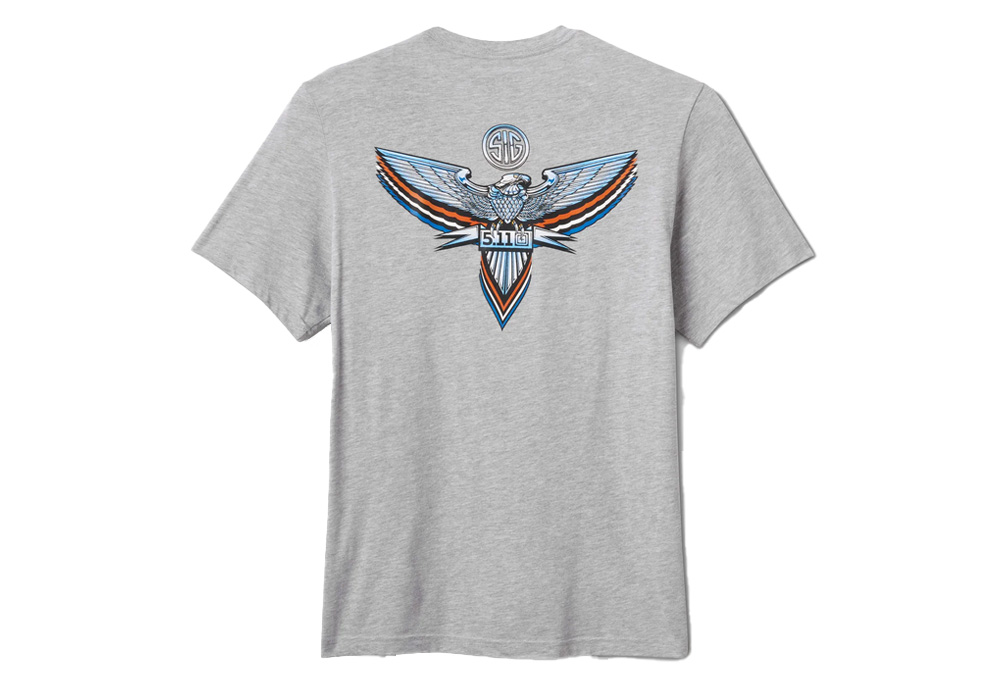
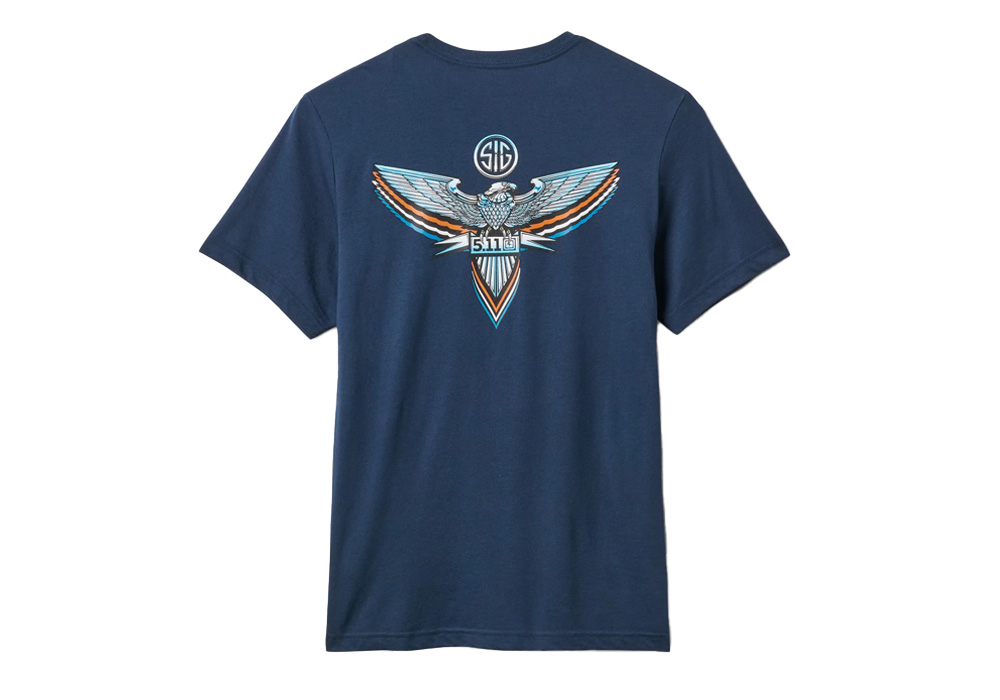
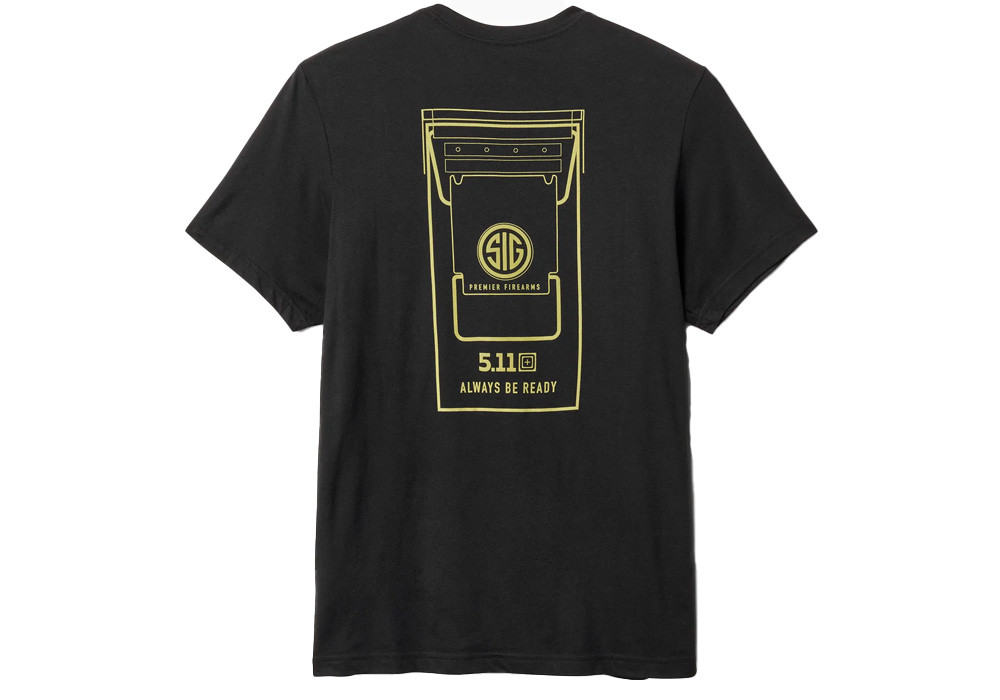
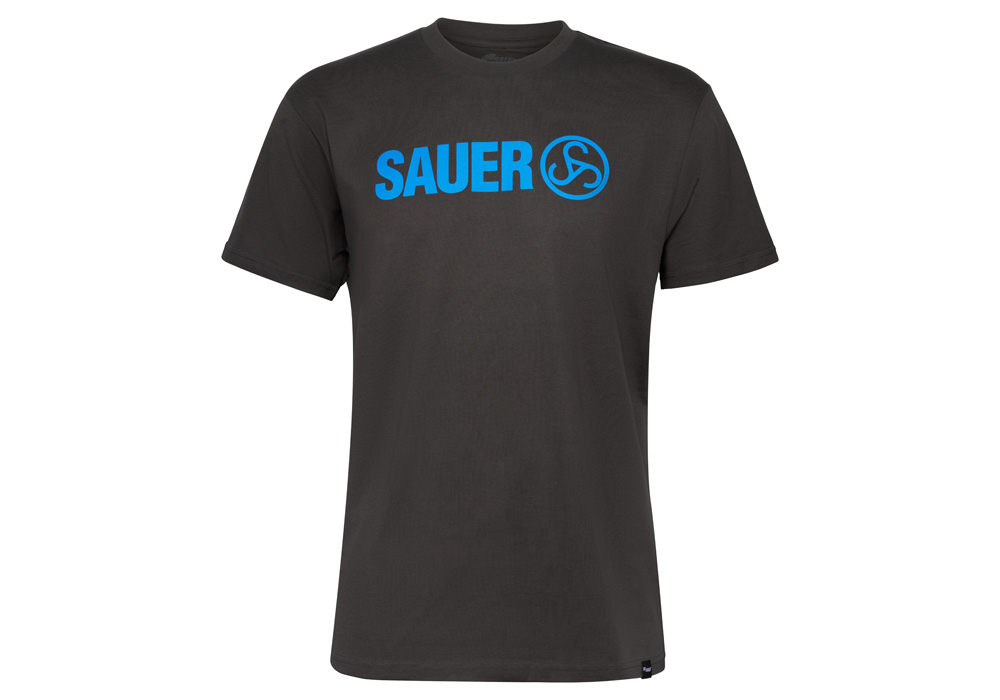
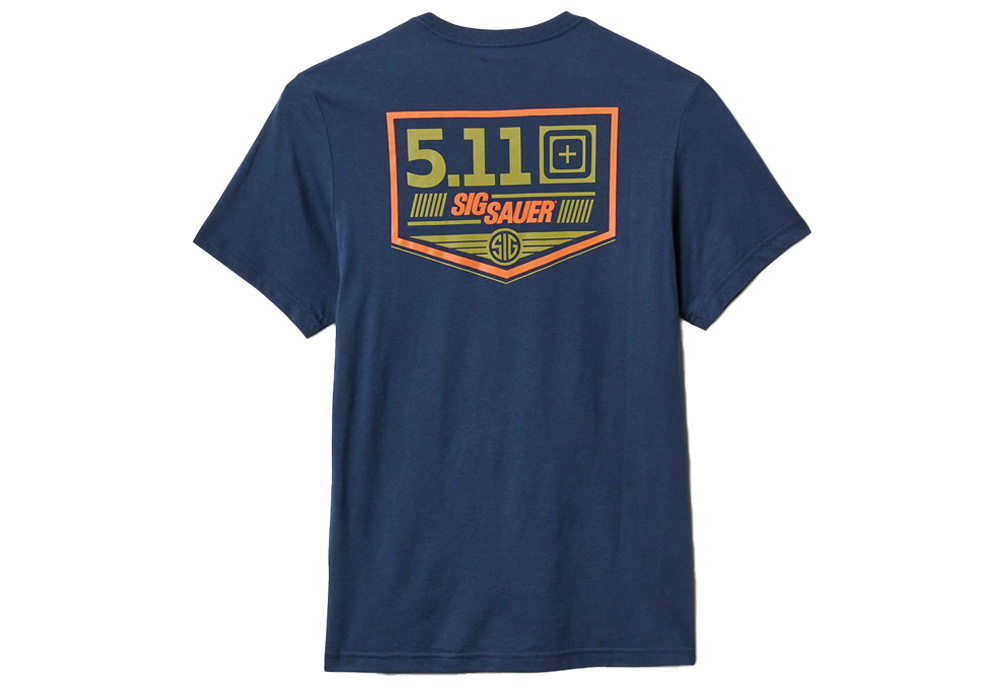
Pistol t-shirts are casual graphic tees that feature handgun-inspired artwork, shooting-sports themes, or visual details drawn from firearm design. The appeal can be as straightforward as a clean pistol silhouette or as particular as an illustration that highlights the lines of a slide, frame, and grip. In this apparel category, “pistol” refers to the firearm theme rather than music merchandise, and the shirts serve as everyday clothing for people who appreciate handguns, recreational shooting, and the details behind familiar designs. Some shoppers prefer understated artwork that takes a second look to recognize; others want a larger illustration with enough detail to become the focus of an outfit. Neither approach needs much styling. A graphic tee with jeans and a lightweight jacket feels comfortable at a weekend gathering, while a quieter design can work just as well beneath an open overshirt. The best choice usually starts with the artwork you would enjoy wearing beyond a single outing. Look at the proportions of the illustration, the placement of any lettering, and the balance between the graphic and the shirt’s base color. A small chest print creates a different impression from a full-front image, and a back graphic may be largely hidden when you add another layer. Muted colors let the shape and linework do the talking, while stronger contrast brings fine details into focus. For shoppers drawn to the visual character of handguns, the Pistol Design Enthusiasts page offers another place to explore that interest. Whether the attraction is mechanical detail, range-day memories, or a longstanding hobby, a pistol-themed tee works best when the design feels personal rather than simply filling space across the fabric. It can acknowledge a shared interest without requiring a head-to-toe themed outfit, which is part of what makes this style easy to wear.
Fabric, fit, and print construction deserve as much attention as the image itself when choosing pistol graphic tees. Cotton often appeals to shoppers who like a familiar, breathable feel, while cotton-blend fabrics can offer a different balance of softness, stretch, and shape retention depending on their composition. Fabric weight matters, too: a lighter shirt tends to layer easily, while a more substantial knit can feel less flimsy and provide a firmer backdrop for a graphic. Weight alone does not establish quality, so read the material description alongside the fit notes and care directions. If measurements are available, compare them with a shirt you already reach for regularly. Lay that shirt flat and check its chest width and length rather than relying only on the size printed inside the collar. A close fit can look tidy beneath a jacket, but it should still allow comfortable movement through the shoulders. A relaxed cut offers more room through the body, though going up a size is not always the same as choosing a genuinely relaxed pattern. Sleeve length, shoulder seams, and the way the hem sits can change the feel of two shirts labeled with the same size. Picture ordinary movements: reaching for a bag on a shelf, sitting through a long lunch, or pulling on a sweatshirt when the air turns cool. Those small moments reveal more about useful fit than a standing pose. For the print, study close-up images when provided. Fine linework benefits from clear edges, while a deliberately weathered illustration should still look intentional and legible. Large areas of ink may feel different against the fabric than a small, open-line drawing. Follow the garment’s care label, and check whether it recommends washing inside out, using cooler water, or limiting dryer heat. A few practical checks before ordering can help you find a shirt that feels good after repeated wear, not just one that looks appealing in a photograph.
Pistol t-shirts can suit recreational shooters, firearm collectors, design enthusiasts, and friends or family who recognize the hobby as an important part of someone’s life. Their usefulness extends well beyond a trip to the range: they are easy options for relaxed weekends, casual meetups, travel days, and time spent at home sorting equipment or planning the next outing. During the cooler months, a tee also becomes a dependable first layer beneath a flannel shirt, fleece, or jacket. Consider which part of the artwork remains visible under those layers if the graphic is central to your choice. For range use, prioritize an unrestricted fit and a comfortable neckline, and follow the facility’s clothing requirements; a themed shirt is casual apparel, not protective equipment. As a gift, this category works especially well when you know both the recipient’s interests and their everyday style. Someone who usually wears plain, dark clothing may appreciate a restrained illustration more than a bold statement graphic, even if they are deeply interested in handguns. A person who collects graphic tees might enjoy a larger composition or an unusual treatment of familiar shapes. Notice the shirts they actually wear, including their preferred colors, sleeve fit, and garment length. That is often more useful than guessing from the hobby alone. If the gift is a surprise, checking the size of a favorite tee and reviewing the return or exchange terms can prevent an otherwise thoughtful choice from sitting unworn in a drawer. Birthdays, seasonal gift exchanges, and a thank-you for a regular range companion are all natural occasions, but the strongest reason to choose one is a design that genuinely suits the person. There is a recognizable pleasure in finding a shirt that captures an interest without feeling like a costume: the graphic catches a friend’s eye, a conversation starts, and the rest of the outfit stays simple. Choose for that combination of recognizable subject matter, comfortable construction, and repeat wear. The result is a pistol tee with a place in an ordinary weekly rotation, rather than something reserved for one specific setting.
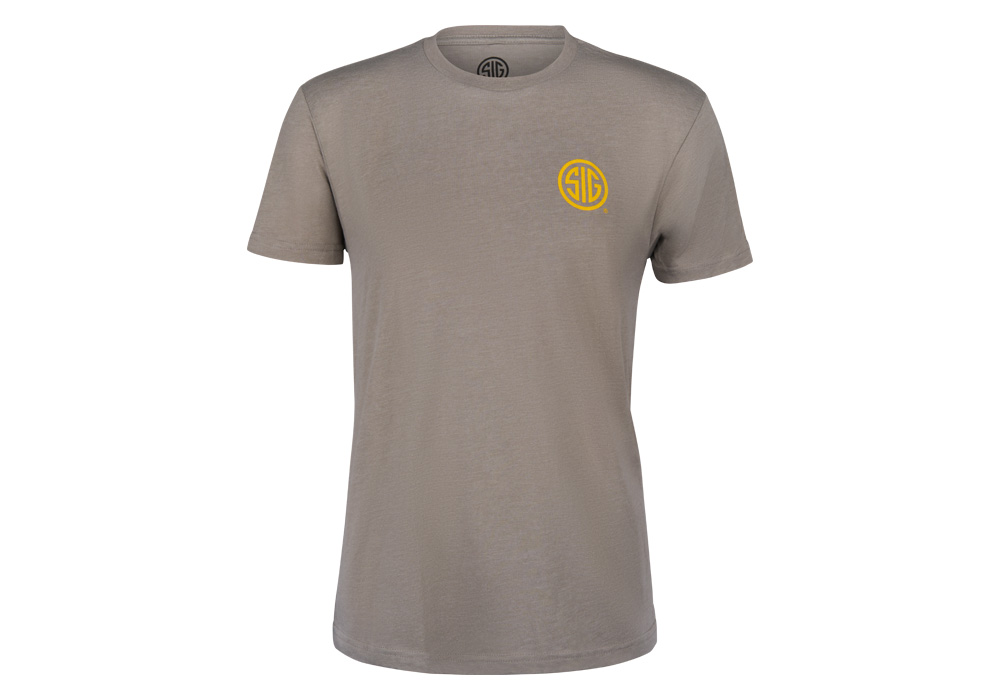
![5.11 SIG SAUER MCX-RATTLER - MEN'S BLACK T-SHIRT [MED LEFT]](http://www.sigsauer.com/media/catalog/product/8/3/8301176-web-rear.jpg)

![SIG NINE LINE GREY MARK - MEN'S TSHIRT - BLACK [SM LEFT]](http://www.sigsauer.com/media/catalog/product/8/3/8300870-web-front.jpg)
![SIG INK SKULL T-SHIRT - CHARCOAL HEATHER [LARGE LEFT]](http://www.sigsauer.com/media/catalog/product/8/3/8301285-web-front_2.jpg)
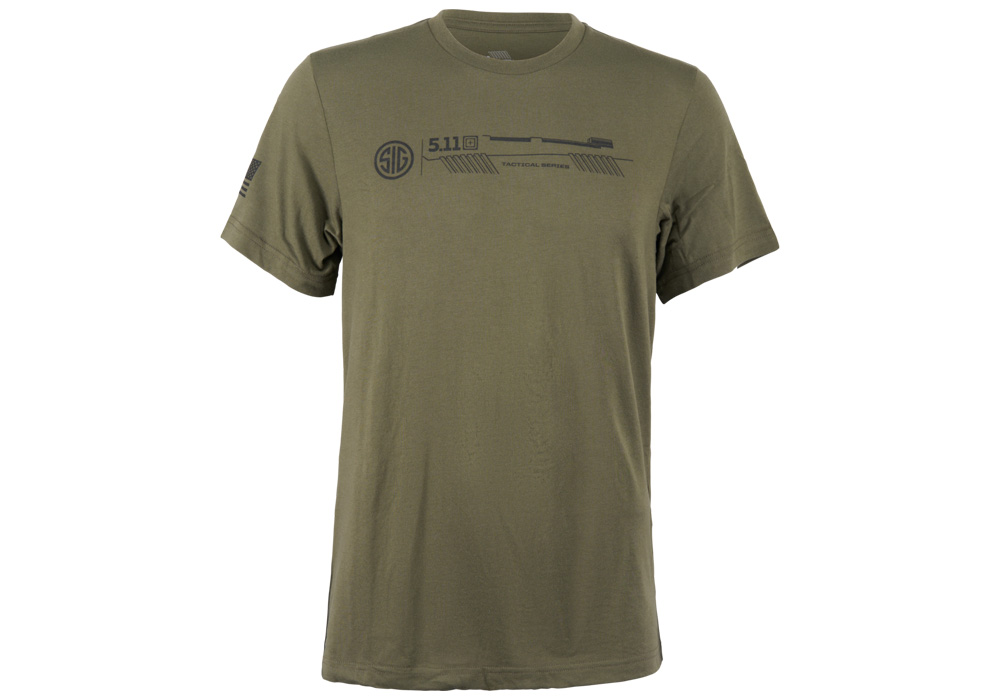
![SIG SAUER M17 ODG - MEN'S TSHIRT [SM LEFT]](http://www.sigsauer.com/media/catalog/product/m/1/m17-academy-front-green.jpg)

![SIG Nine Line Flag Tee [SM & MED LEFT]](http://www.sigsauer.com/media/catalog/product/8/3/8300868-web-front.jpg)
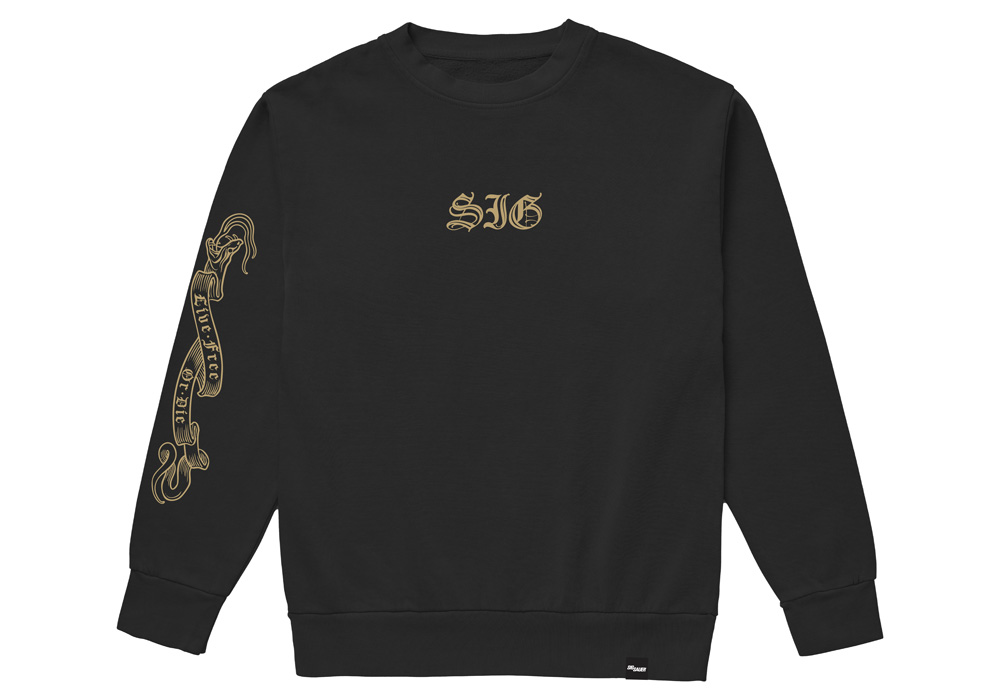
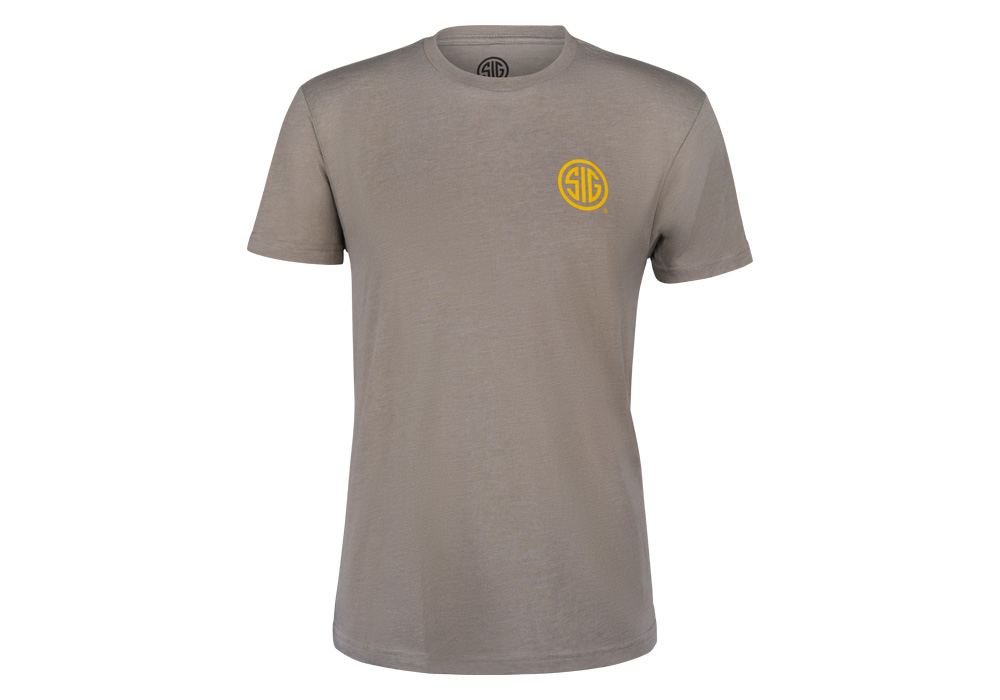
![SIG SAUER M18 RED - MEN'S TSHIRT [SM LEFT]](http://www.sigsauer.com/media/catalog/product/m/1/m18-academy-front-red_1.jpg)
![HUCKLEBERRY RATTLER MAROON MEN'S T-SHIRT [SM & 3XL LEFT]](http://www.sigsauer.com/media/catalog/product/8/3/8301015_2.jpeg)
![5.11 SIG SAUER TACTILE TACTICS SHORT SLEEVE TSHIRT - ODG [MED LEFT]](http://www.sigsauer.com/media/catalog/product/8/3/8301123-web-front.jpg)
![SIG SAUER CALIFORNIA BEAR - MEN'S TSHIRT [LG & 2XL LEFT]](http://www.sigsauer.com/media/catalog/product/8/3/8301131_-_web-_front_6.jpg)