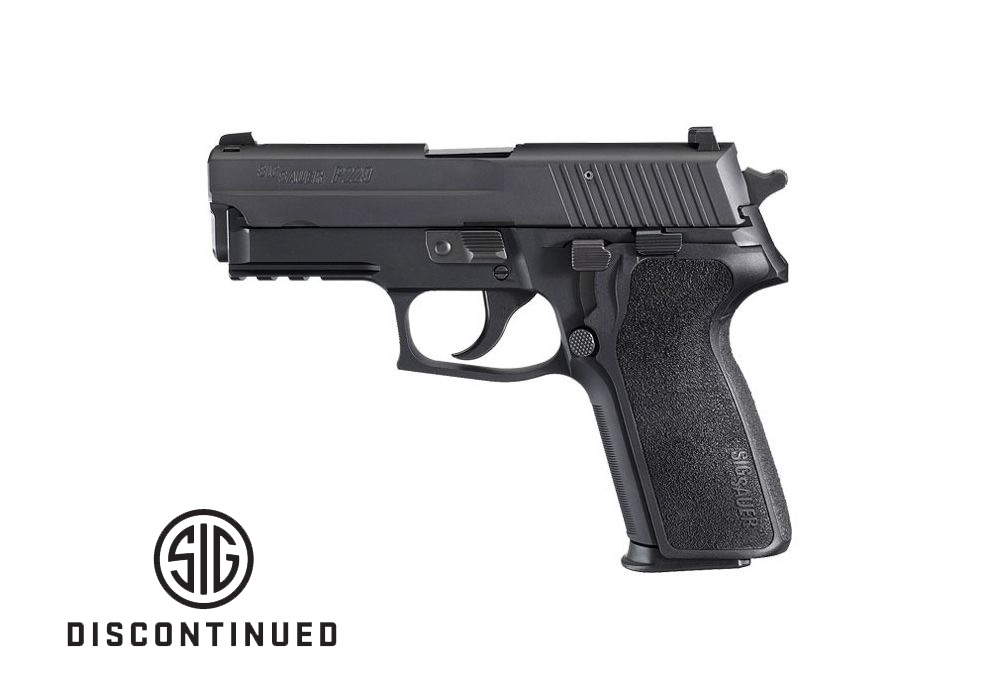
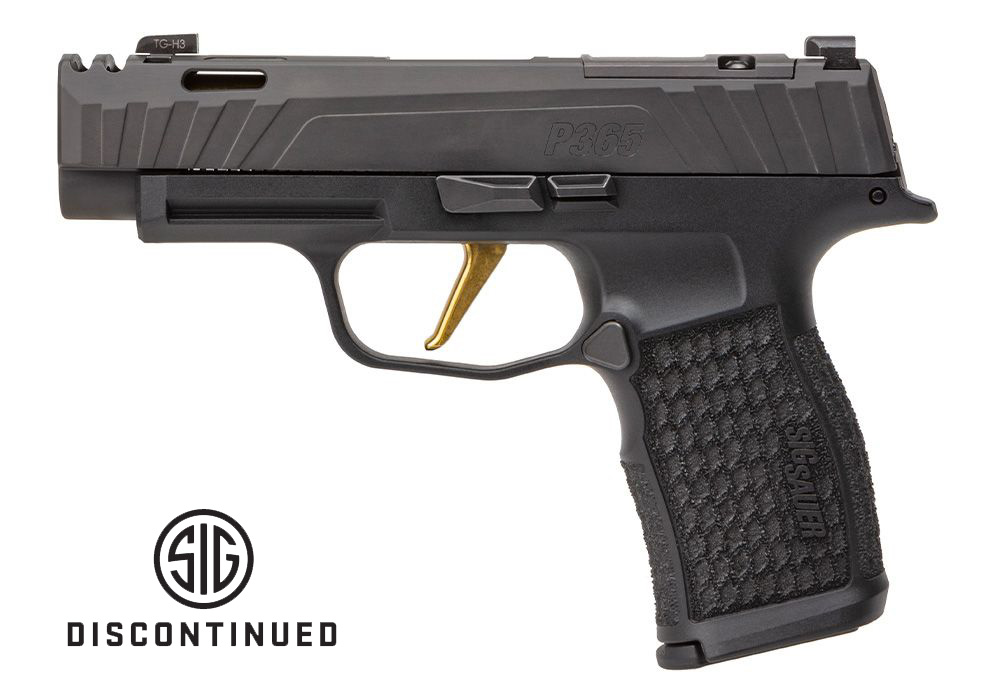
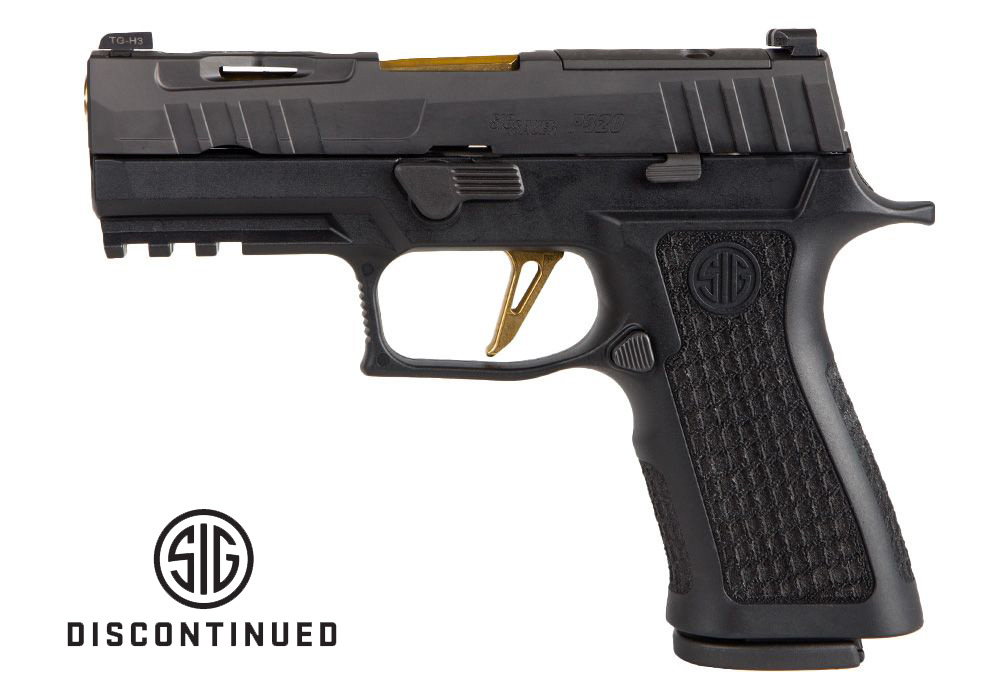
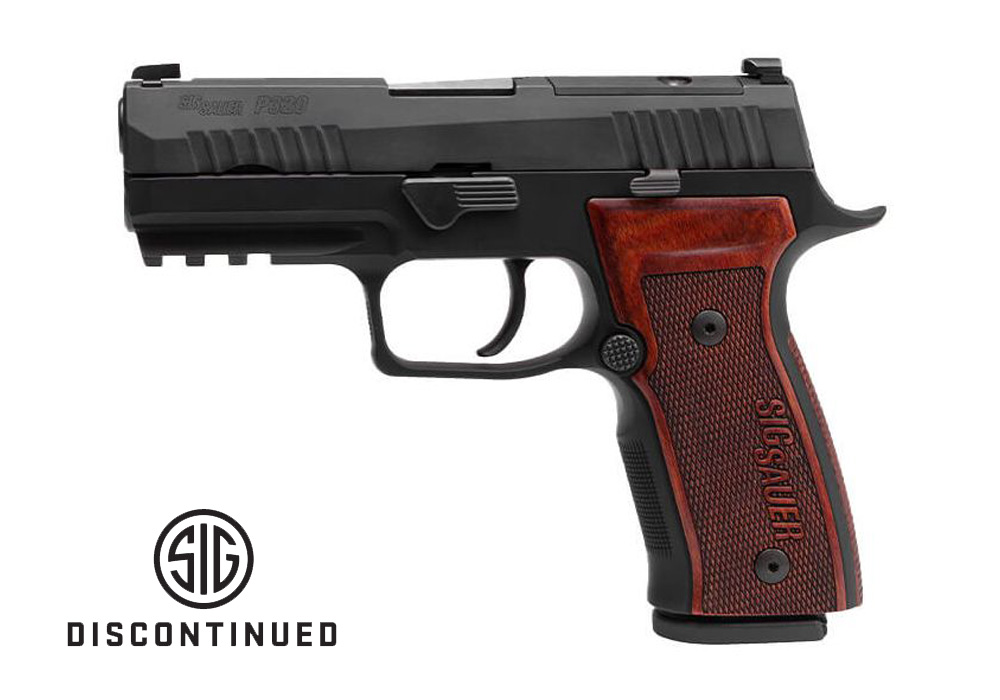
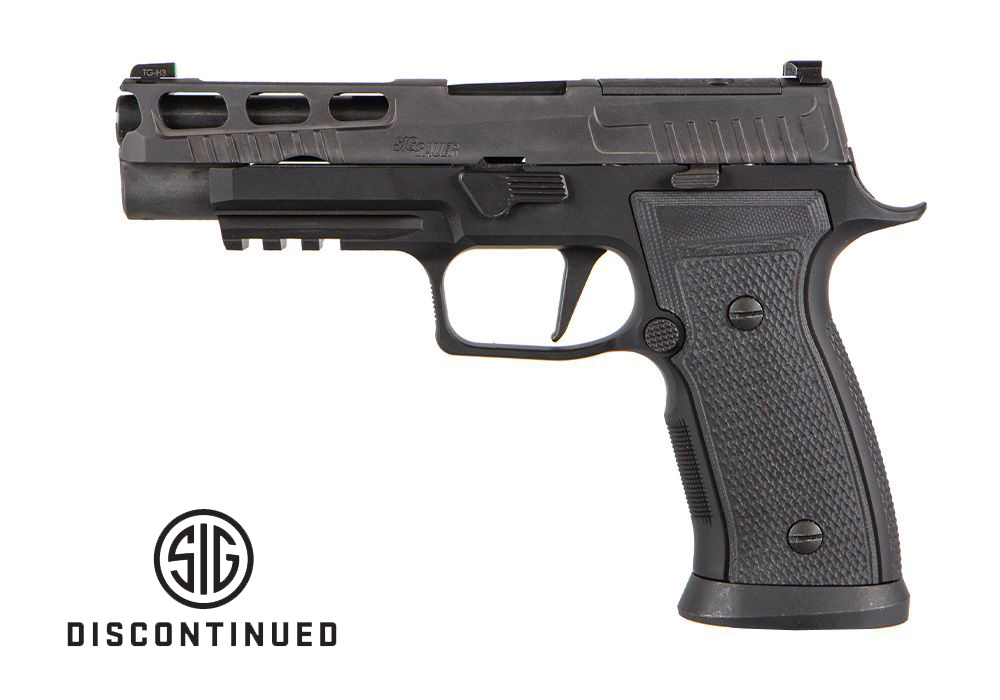
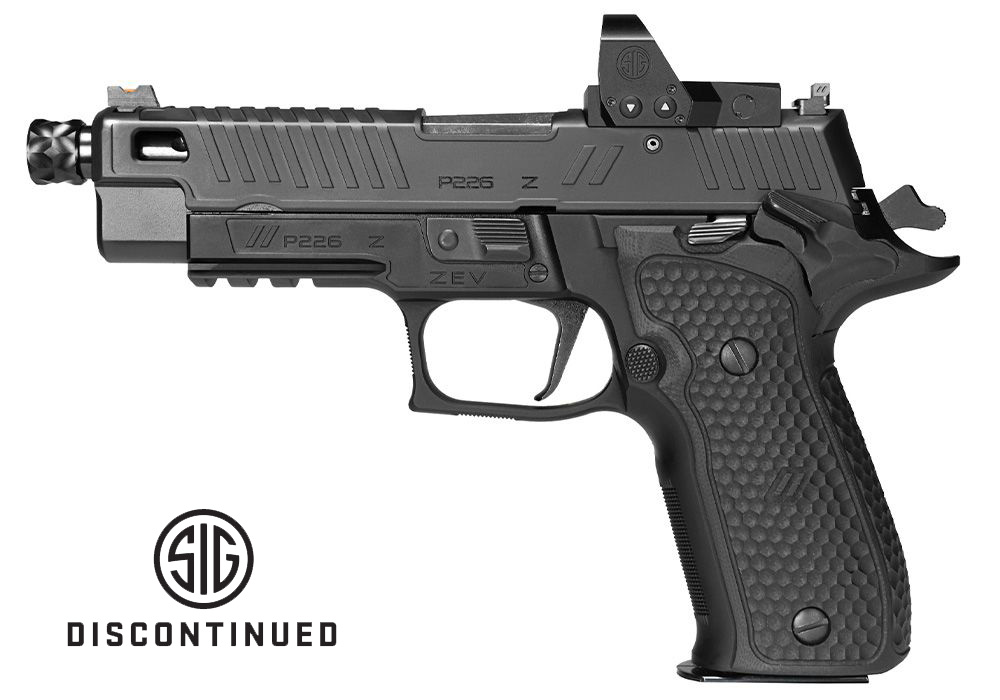
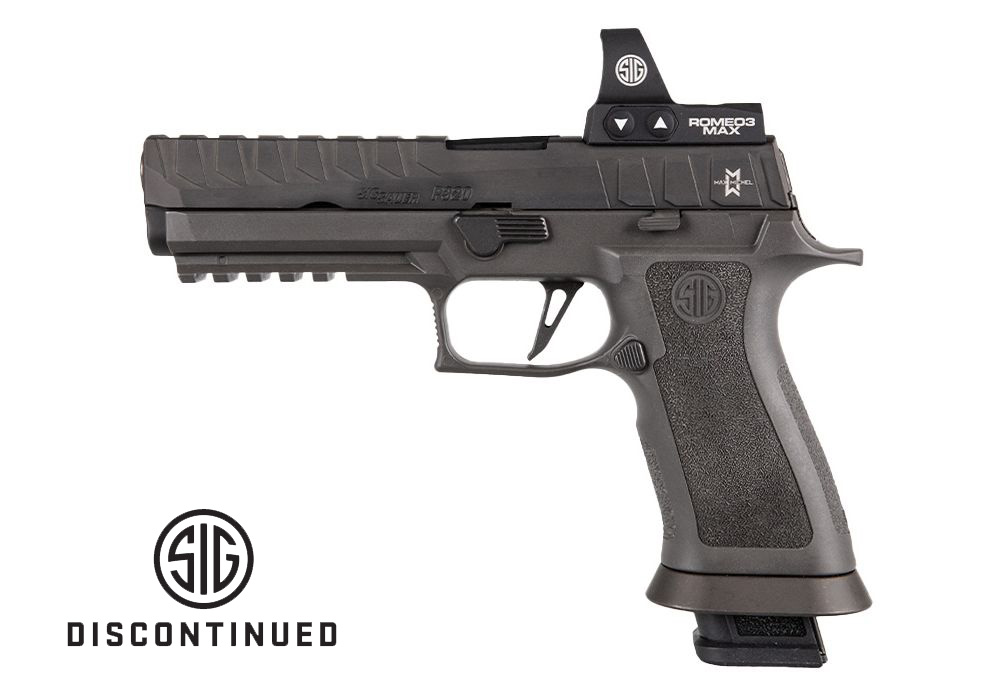
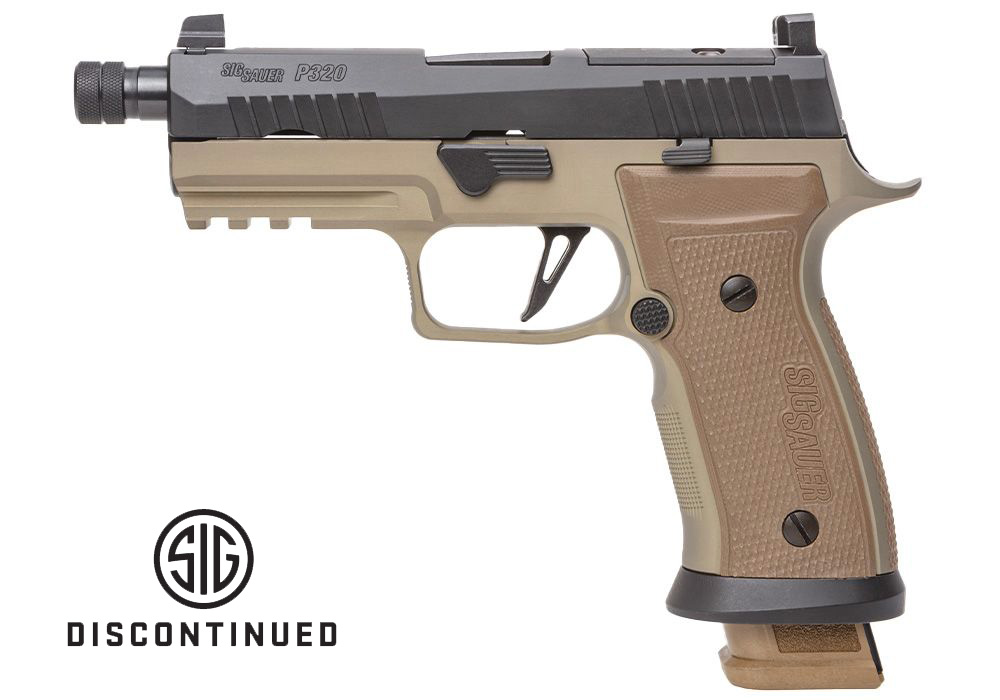
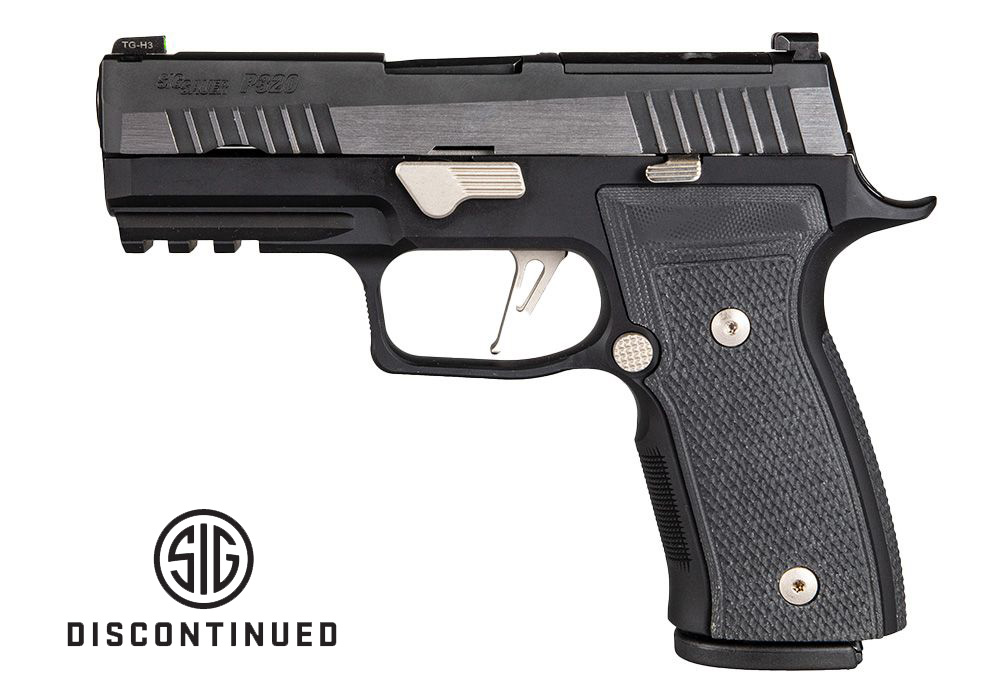
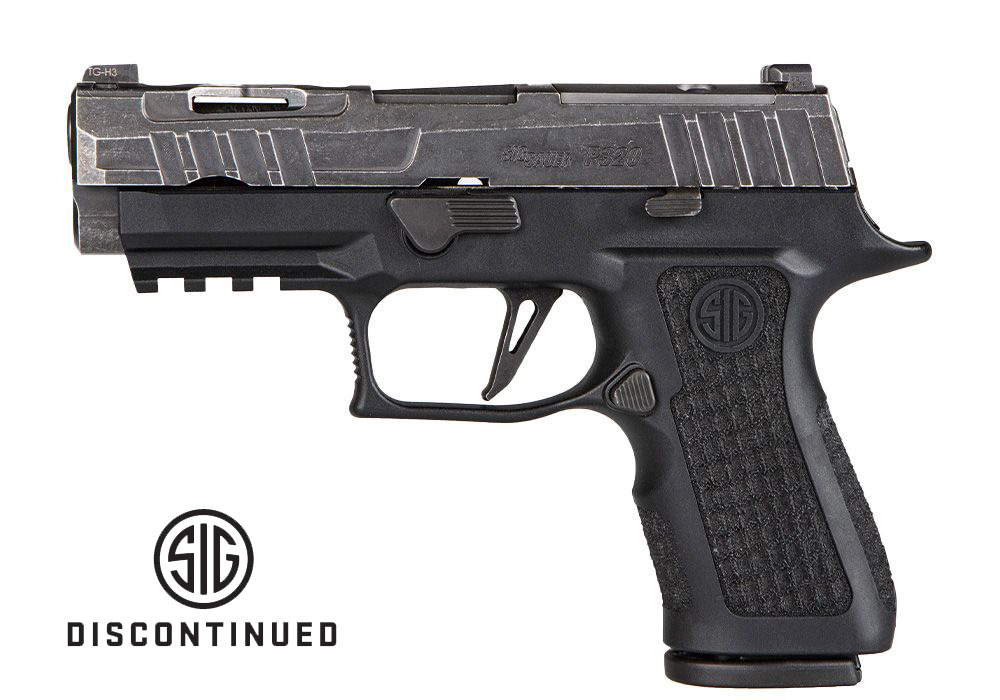
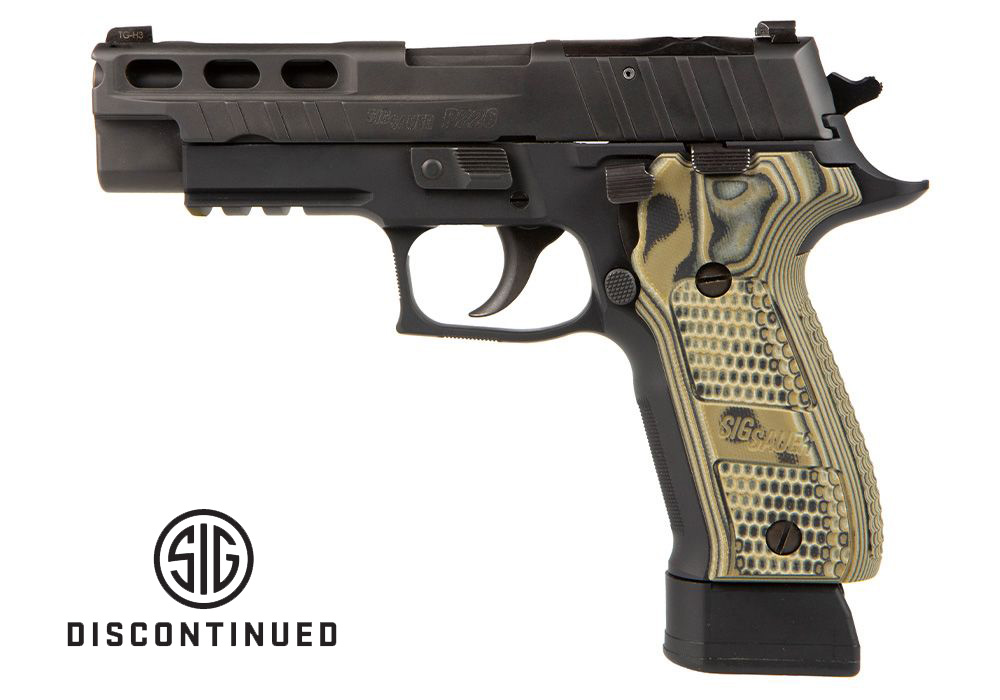
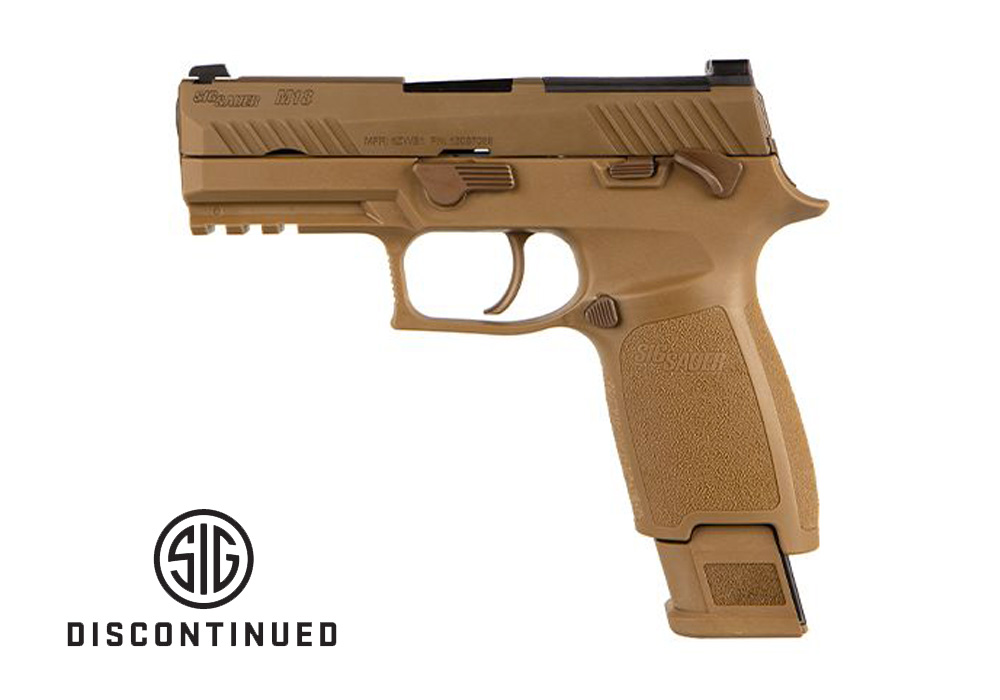
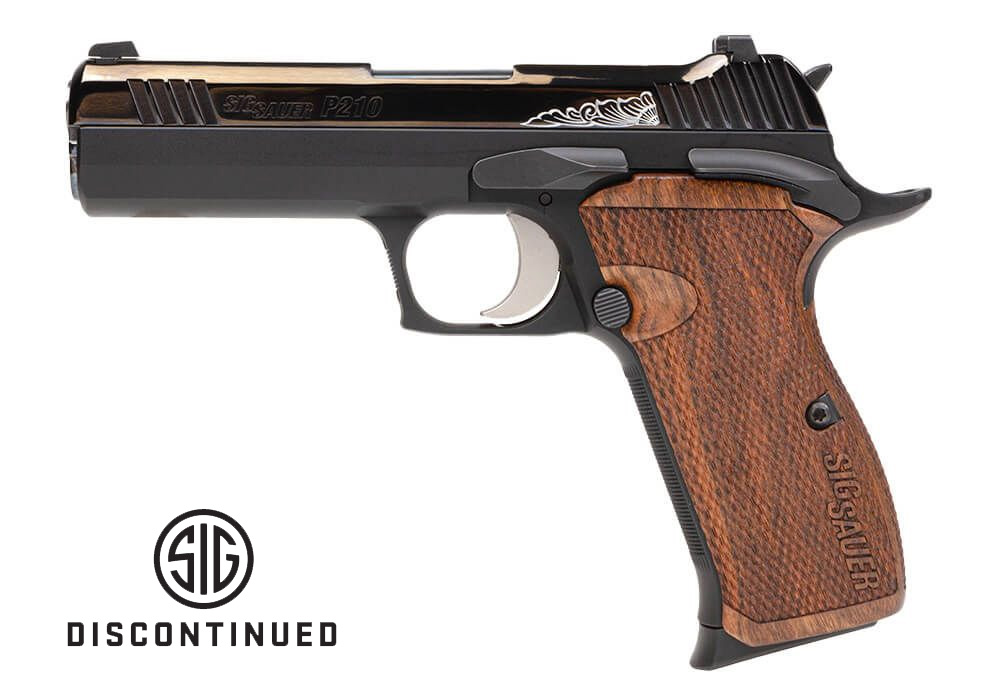
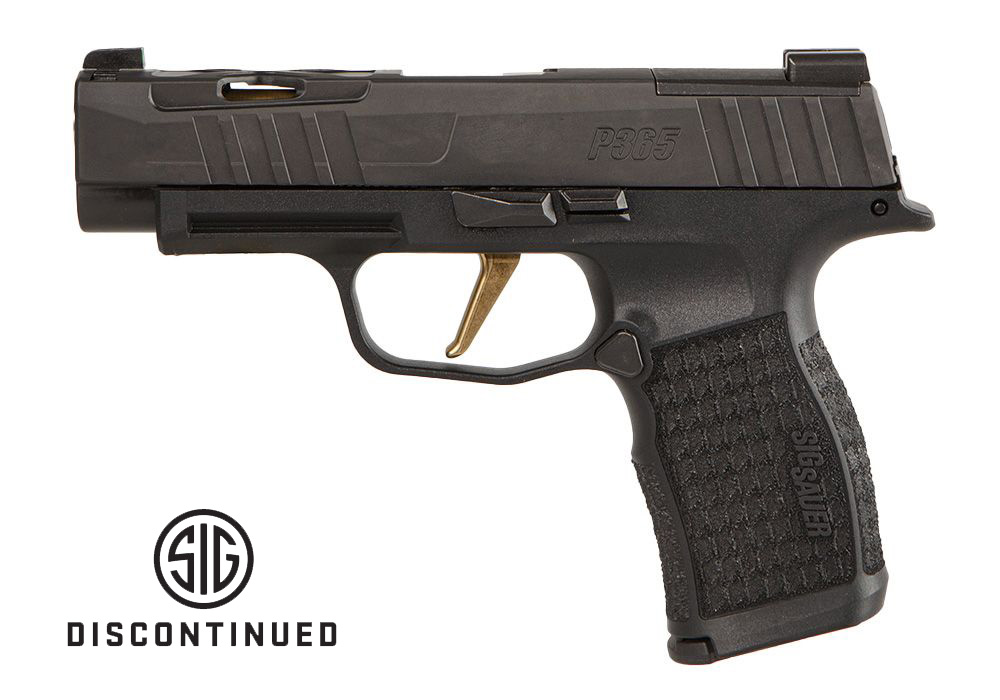
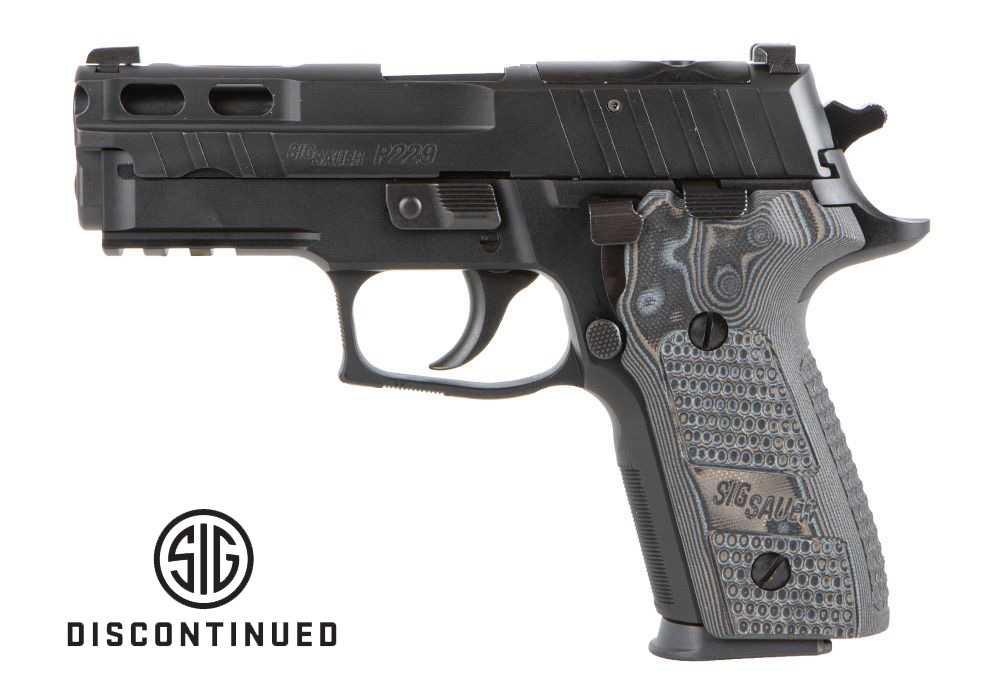
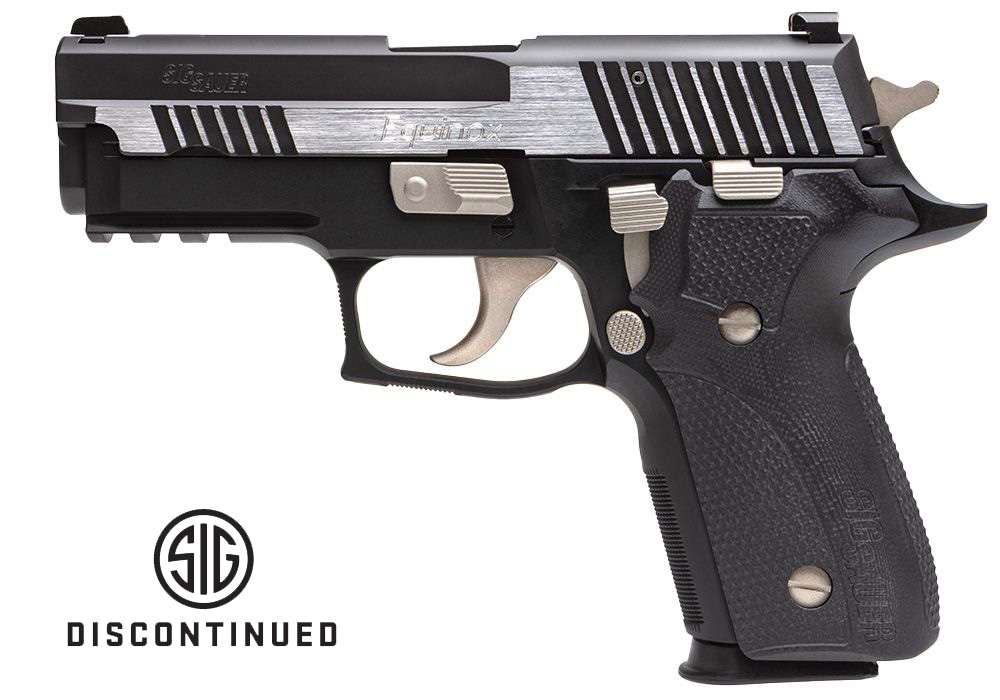
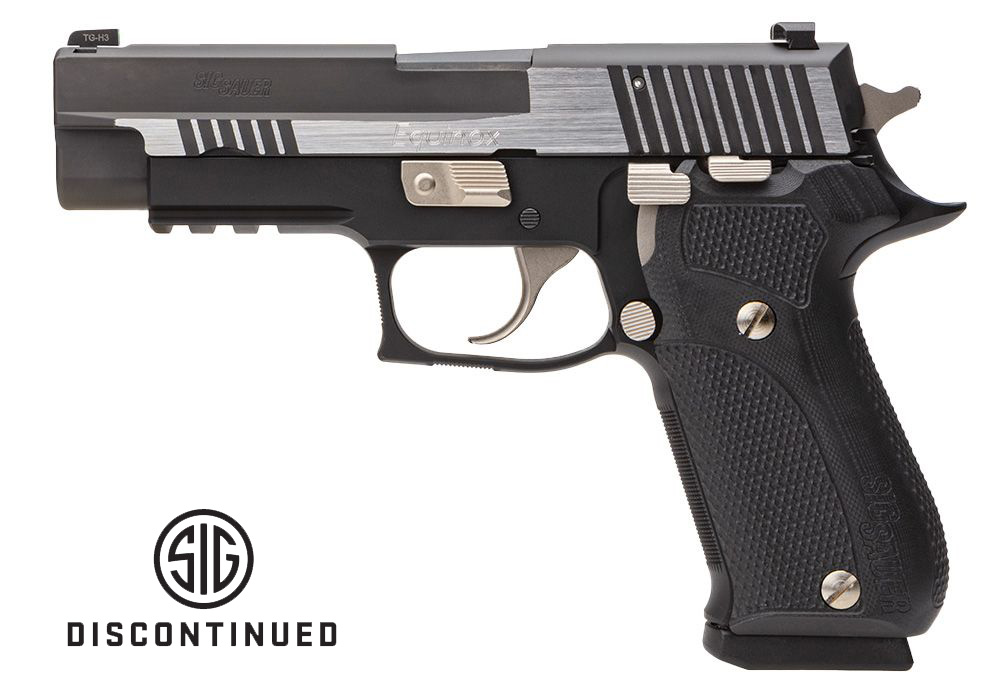
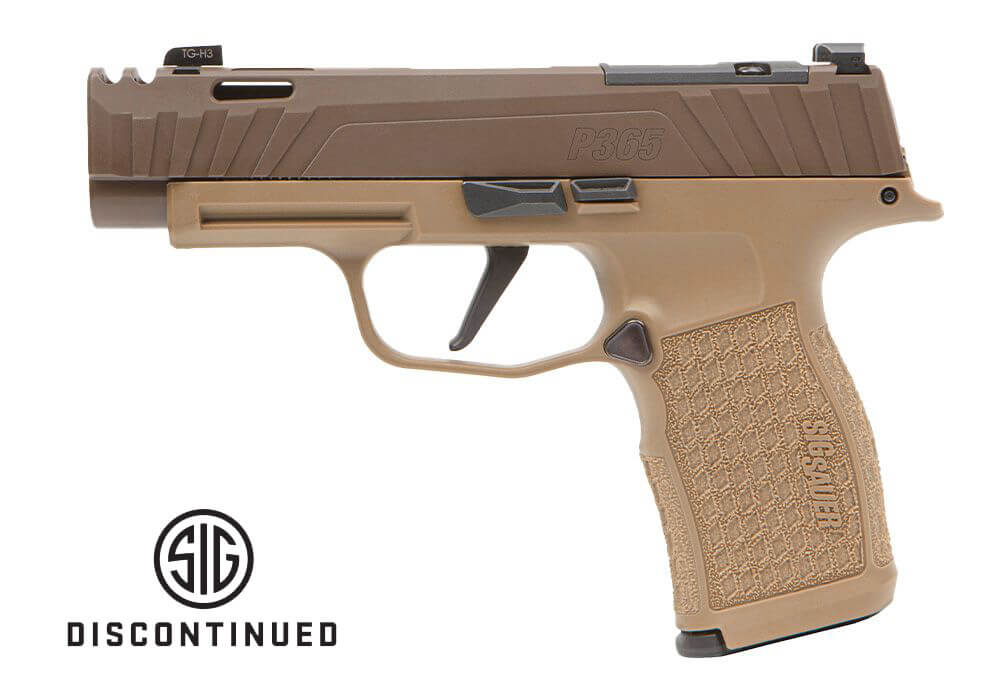
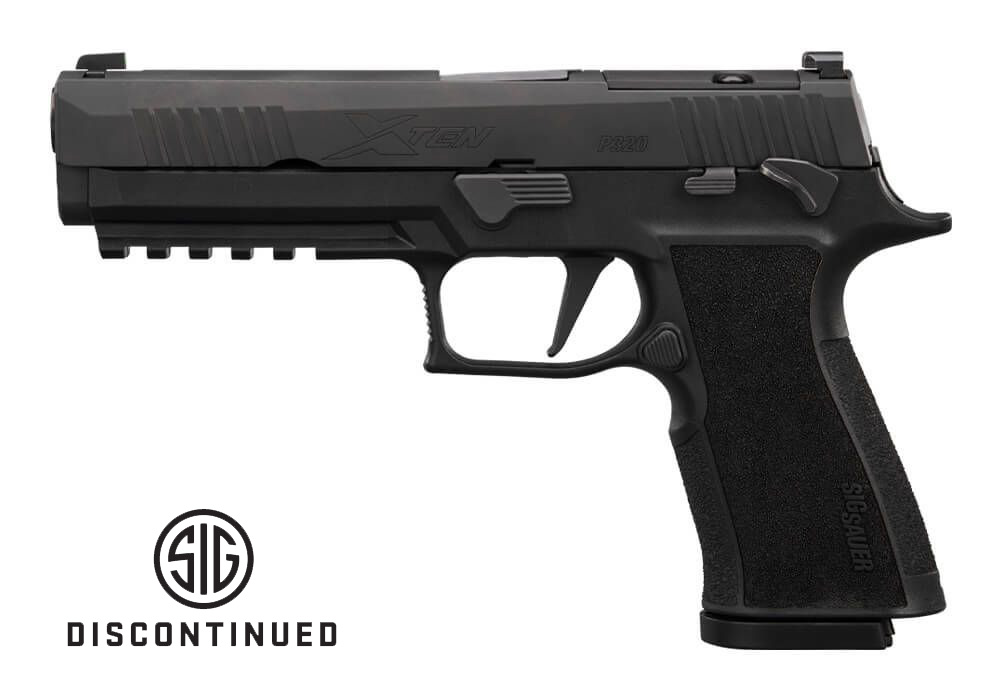
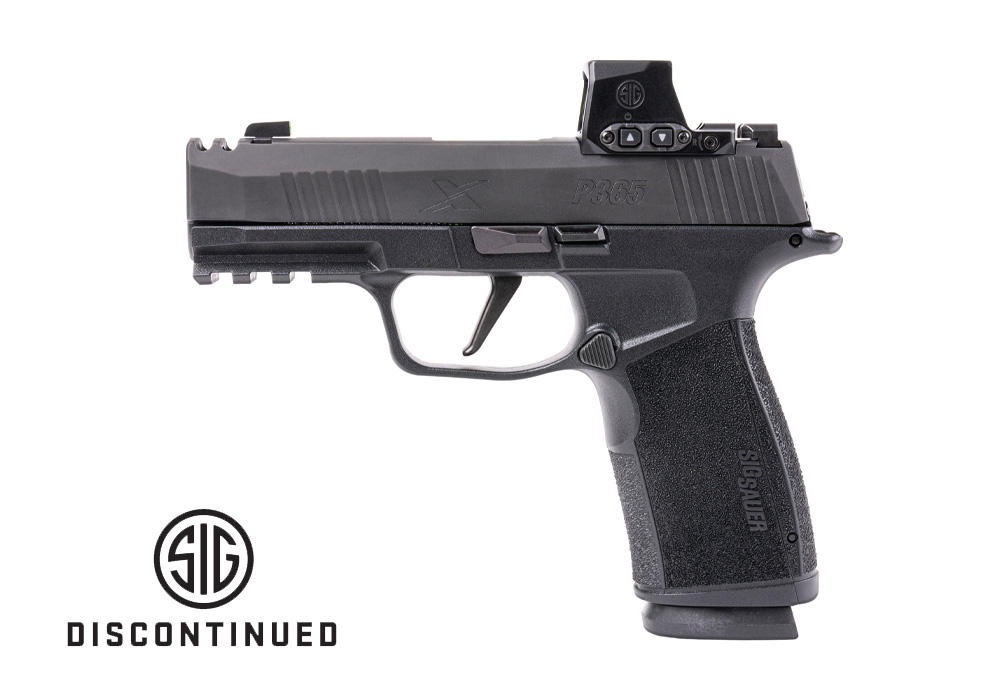
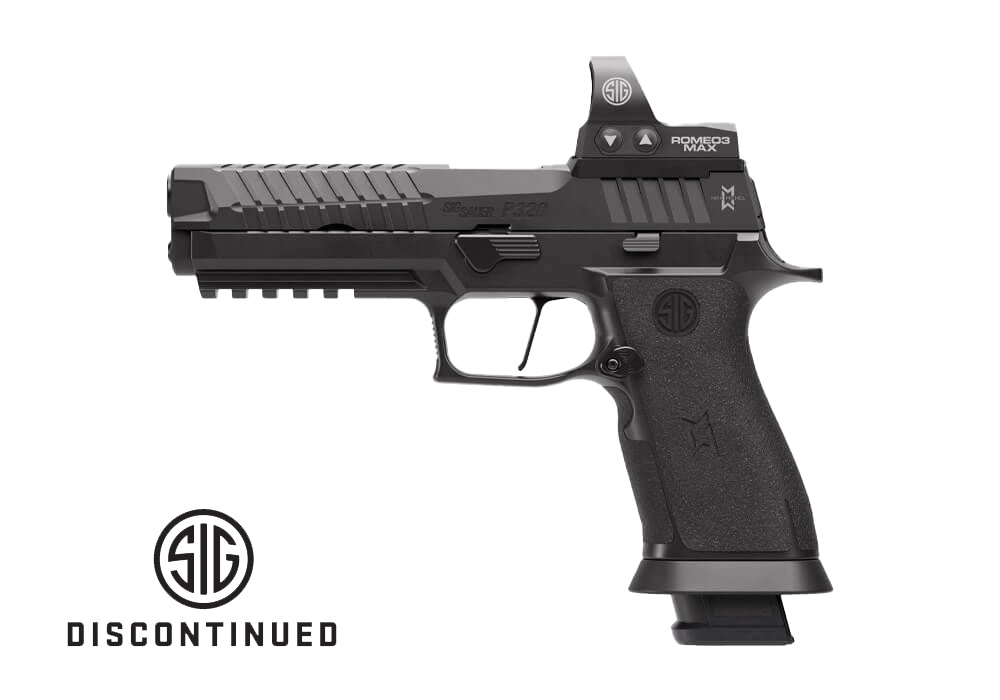
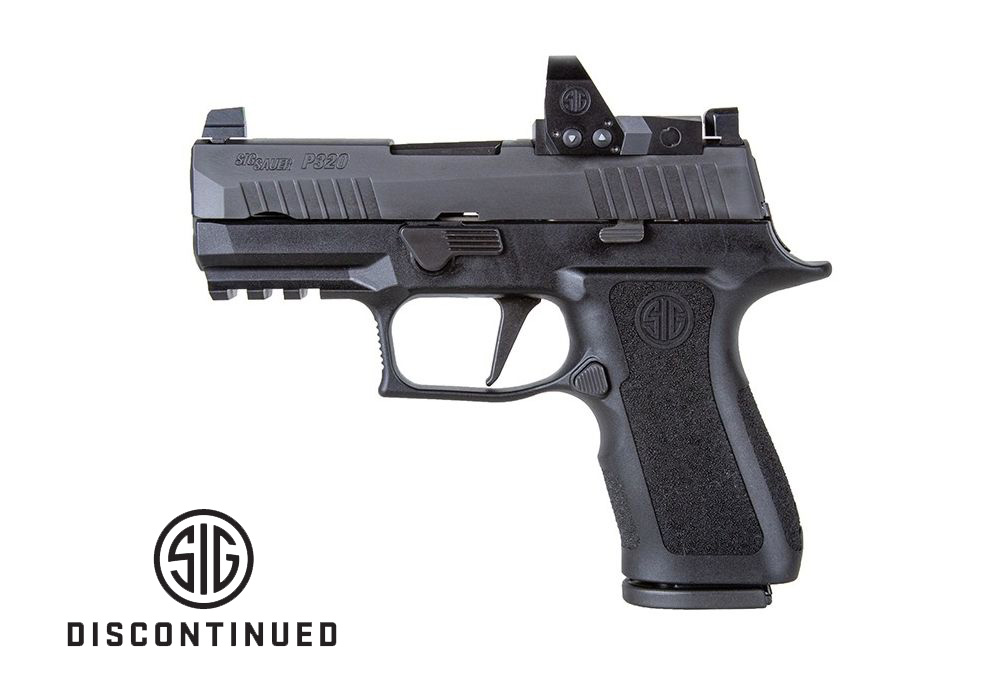
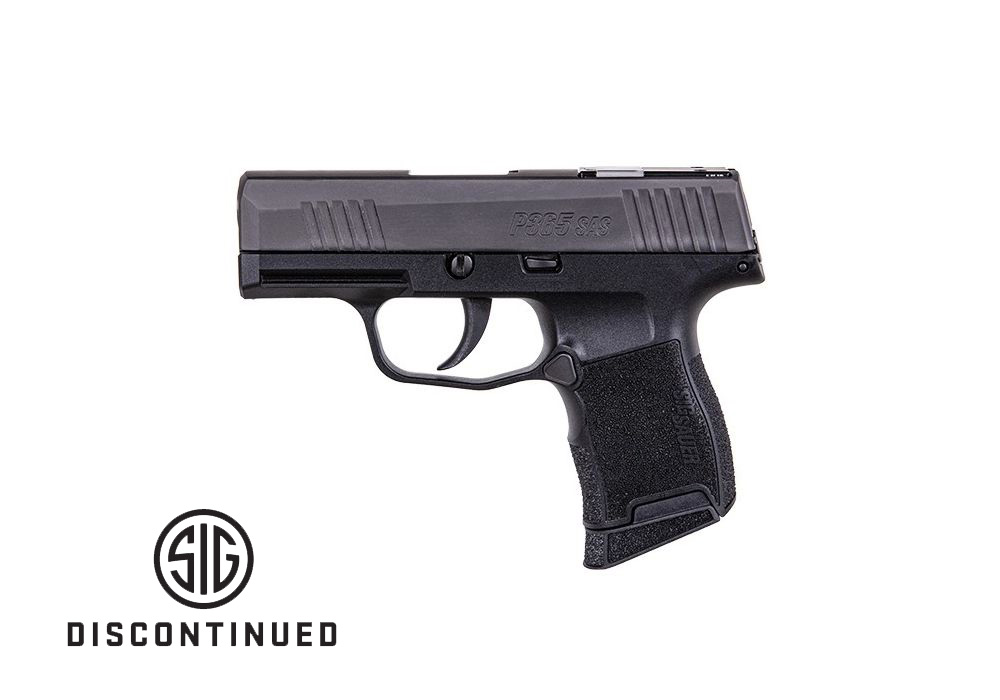
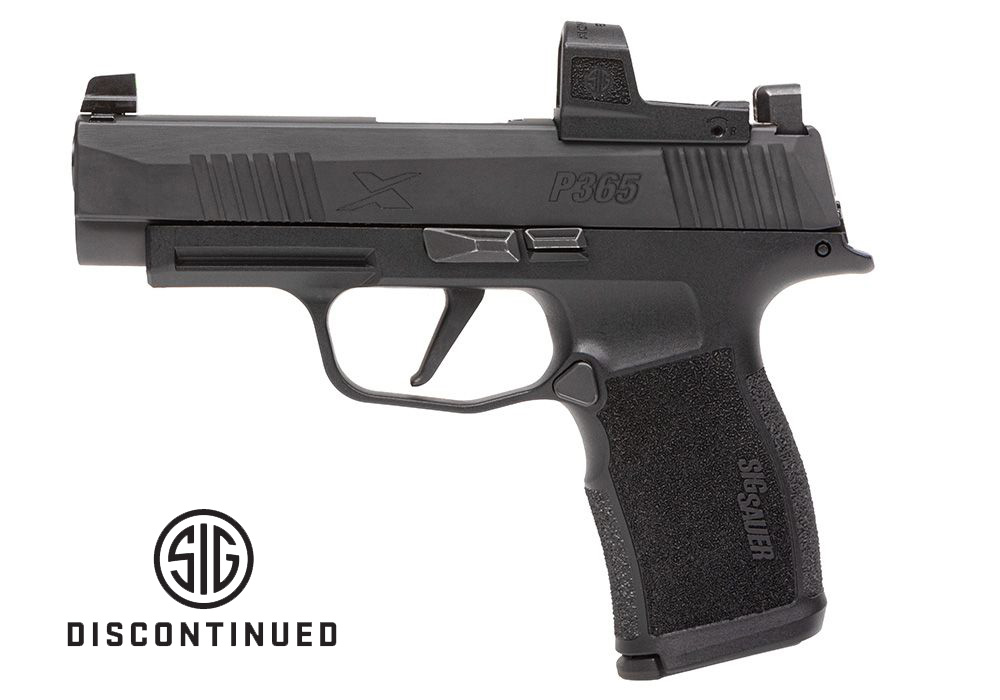
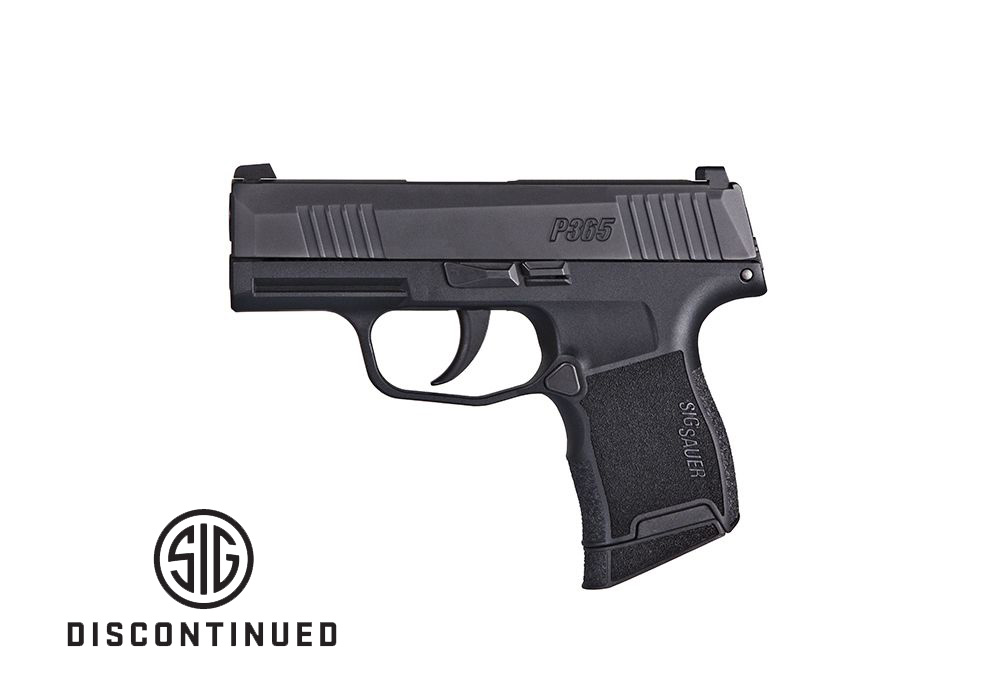
Pistols with unique slide designs stand apart through the shape, texture, finish, and engineering of the upper assembly. Deep serrations, sculpted contours, beveled edges, contrasting surfaces, and carefully positioned relief cuts can give a pistol a distinctive appearance without changing its basic operating system. On many semiautomatic pistols, the slide houses the breech face and extractor, carries the sights, and moves during the firing cycle. Its design therefore serves a mechanical purpose as well as a visual one. Serrations provide textured contact surfaces for handling, while contours influence how the pistol feels against the hand and fits within a compatible holster. Some designs feature prominent front and rear serrations; others favor restrained machining that becomes more apparent when light moves across the metal. Optic-ready configurations introduce another visible distinction, with mounting provisions that must match the intended sight and mounting system. The broader category also includes less conventional arrangements, such as shortened moving upper sections or sight mounts that remain stationary while another component cycles. These architectures differ from decorative machining on a conventional slide, and a stationary optic does not mean the entire pistol remains motionless during recoil. Likewise, a fixed barrel and a uniquely shaped slide are separate characteristics, neither of which alone guarantees greater accuracy. For shoppers, the useful distinction is between an appearance feature, a handling feature, and a fundamentally different operating arrangement. A slide window may reveal part of the barrel beneath it, but that opening is not the same feature as a port through the barrel. Exterior cuts can also affect moving mass, although their practical effect depends on the complete factory-engineered system. The strongest designs bring these details together coherently: edges feel deliberate rather than abrupt, textures are positioned where they serve a purpose, and the profile suits the pistol’s intended role. Visual character matters, but it is most meaningful when accompanied by clear specifications and a comfortable, secure fit.
Materials and surface treatments help determine how a distinctive slide looks and wears over time. Steel is common in centerfire pistol slides because it supports the demands placed on the assembly during repeated use. Stainless steel and carbon steel each appear in firearm construction, with protective treatments and coatings contributing to corrosion resistance and surface durability. Stainless steel still benefits from regular care, particularly after contact with perspiration or moisture. A dark, matte surface can emphasize serration depth and reduce distracting reflections, while contrasting finishes draw attention to bevels, flats, and machined recesses. Those visual differences do not necessarily indicate differences in strength or service life. Durability depends on the underlying material, manufacturing quality, surface treatment, and maintenance rather than color alone. Recessed details also change the way an upper assembly collects residue and lint. A broad, simple surface is easy to inspect, while closely spaced serrations and open machining may require more attention during routine cleaning. Maintenance should follow the manufacturer’s instructions, with the pistol unloaded and ammunition kept separate from the cleaning area. Suitable cleaning products matter because harsh chemicals, abrasive tools, and incompatible solvents can affect certain finishes. The sharp-looking edge of a machined pattern should not be confused with an edge that feels uncomfortable during ordinary handling. Close attention to bevels and transitions can reveal a great deal about how thoughtfully the exterior has been finished. Holster contact introduces another practical consideration: repeated friction can create visible wear on raised edges even when the underlying component remains serviceable. A decorative finish is not a substitute for proper storage, and a soft-lined case does not eliminate the need to manage moisture. For a pistol that sees frequent range use, the most satisfying surface may be one that remains easy to inspect and maintain rather than one chosen solely for its appearance in a photograph. Distinctive machining should remain appealing after routine handling, cleaning, and use, not just under display lighting.
Fit and intended use give these visual details their practical context. A pistol selected for recreational target shooting may invite a different balance of size, weight, and styling than one intended for lawful everyday carry or organized competition. Range enthusiasts may appreciate the contrast between a clean slide profile and pronounced serrations, while collectors may be drawn to unusual geometry or a cohesive finish treatment. Competition participants also need to consider the rules of their discipline, since slide configurations and sight arrangements can affect equipment eligibility. For carry-oriented use, exterior dimensions, secure holster fit, and comfortable contact against clothing deserve attention alongside appearance. A holster intended for a similar-looking pistol is not automatically suitable for a different slide profile, sight arrangement, or attached accessory. Proper retention and full trigger-guard coverage remain essential considerations. The relationship between the slide and the frame matters as well: grip size, control placement, and overall balance shape the handling experience more than the upper assembly’s styling alone. Someone with smaller hands may find a visually striking pistol less comfortable than a simpler design with a better-fitting grip. Similarly, prominent serrations may look appealing in close-up photographs but feel different when evaluated in person. Manufacturer specifications help distinguish an integrated design from a collection of attractive details, especially when reviewing sight compatibility, dimensions, and the intended ammunition. For a caliber-focused selection, 9mm Pistols With Stylized Slide brings that interest together with distinctive exterior treatment. Across the category, compatibility should be confirmed for the exact configuration rather than assumed from a shared family resemblance. Factory-engineered features are best understood as part of the complete pistol, not as isolated promises of improved performance. A well-chosen design can be visually memorable and straightforward to live with: comfortable in the hand, supported by clear care requirements, suited to its intended setting, and compatible with the equipment that accompanies it. Those qualities give a unique slide lasting relevance beyond its first impression.