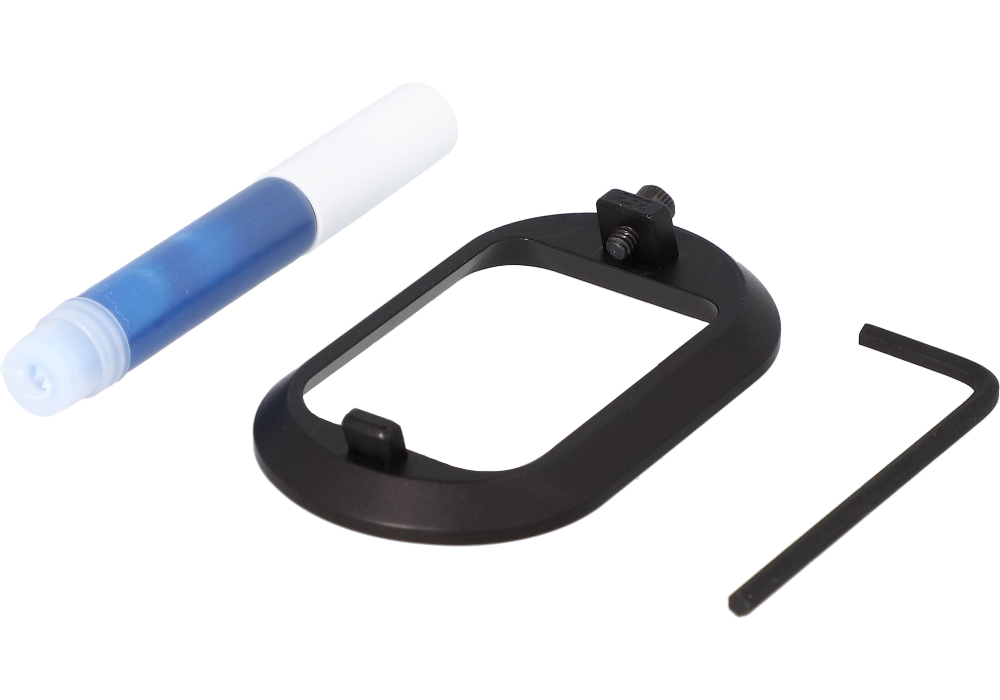
Reloading parts are the components, replacement pieces, and supporting accessories associated with ammunition reloading equipment. The category can span press hardware, caliber-specific dies, shell holders, measuring tools, and bench accessories, while related components include cartridge cases, bullets, primers, and propellant. These categories serve different purposes, so an equipment replacement part is not interchangeable with a cartridge component simply because both carry the same caliber designation. For shoppers, the most useful distinction is between the equipment platform, the part’s intended function, and the exact compatibility information supplied by its manufacturer. A press handle, retaining component, or mounting accessory may look familiar yet belong to a different equipment series. Likewise, a cartridge designation describes only part of the fit requirements for a die or shell holder. Thread specifications, mounting interfaces, model revisions, and manufacturer part numbers all matter when evaluating a replacement or accessory. Single-stage, turret, and progressive presses have different layouts and supporting hardware, making equipment-specific documentation more meaningful than visual resemblance alone. Someone replacing a worn linkage component on a familiar bench has different needs from a shopper choosing measuring accessories for a first setup. Experienced target shooters, hunters, competitive shooters, and mechanically minded hobbyists may all use reloading equipment, but their equipment choices and intended applications can differ considerably. Precision measuring tools emphasize readable markings, stable construction, and documented accuracy, while bench fixtures emphasize secure attachment and compatibility with the equipment they support. Storage accessories contribute organization rather than measurement or mechanical function. Understanding those distinctions helps keep a collection of parts purposeful instead of turning a workbench into an assortment of similar-looking pieces. Clear product specifications, identifiable materials, and accessible manufacturer documentation provide a sound basis for comparing reloading parts without relying on appearance, broad caliber labels, or assumptions about universal fit. A familiar outline or matching finish is not a substitute for a documented match.
Materials and construction influence how reloading equipment feels, wears, and holds up to repeated use. Depending on the design, parts may incorporate hardened steel, stainless steel, cast iron, aluminum, brass, or engineered polymers. Each material has a role: steel can provide wear resistance at working surfaces, cast iron can contribute rigidity to substantial equipment frames, and aluminum can reduce weight in accessories where that characteristic is useful. Polymer components may provide lightweight organization or protect surfaces from direct metal contact. Material alone, however, does not establish overall quality. Machining, surface finish, thread condition, fit between mating pieces, and the manufacturer’s specifications also deserve attention. A smooth exterior cannot confirm that a part matches a particular press, and a heavier accessory is not automatically the better choice for every bench. Cartridge cases represent a separate material consideration, with Reloading Brass providing a related category for shoppers focused on the case itself rather than equipment hardware. Brass cases are distinct from bullets, primers, and propellant, and their suitability depends on the exact cartridge specification, condition, and applicable manufacturer guidance. Similar names or close external dimensions do not establish interchangeability. The same attention to identification applies to dies, holders, gauges, and other caliber-related accessories. Measuring tools also warrant a closer look at their stated purpose: calipers, cartridge gauges, and scales measure different characteristics and cannot substitute for one another. Legible displays, clearly defined measurement ranges, and appropriate protective storage can make ownership more practical, particularly on a bench shared with other tools. For replacement hardware, published dimensions and a confirmed equipment match are more useful than a claim of broad compatibility. Taken together, these details distinguish parts selected for a particular application from accessories chosen only because they resemble something already on the bench. They also help shoppers separate cosmetic preferences from the characteristics that determine fit, serviceability, and intended use over time.
Care and organization are part of long-term ownership, especially when a bench includes several cartridge families or equipment systems. Reloading parts benefit from the cleaning, lubrication, inspection, and storage practices specified by their manufacturers; finishes, seals, and measuring surfaces do not all tolerate the same treatment. Residue, corrosion, damaged threads, and worn contact surfaces can affect equipment condition, while an unreadable label can create uncertainty even when a component otherwise appears intact. A protective case for a measuring instrument, a labeled compartment for small hardware, or a dedicated location for model-specific accessories can help preserve both condition and identification. Original packaging and documentation are useful references when a small replacement piece must be matched years after the equipment was purchased. Durability should be considered alongside serviceability: clear maintenance requirements, identifiable replacement components, and manufacturer support can matter as much as substantial construction. No equipment part or measuring accessory eliminates the need for current published reloading references, appropriate training, and adherence to equipment and component instructions. Cartridge components require particular care in identification and storage, and any component with uncertain identity or condition warrants caution rather than an assumption that it is suitable. For a newer enthusiast, a compatible organizational accessory or protective storage solution may be a more practical gift than a highly specialized part selected without knowledge of the recipient’s equipment. For an experienced hobbyist, an exact replacement identified from the existing setup can be more useful than an unfamiliar accessory with an impressive description. Intended use should remain central, whether the purchase supports an established target-shooting routine, equipment upkeep, or a carefully organized hobby space. The most appropriate reloading parts fit the documented equipment requirements, suit the owner’s application, and come with clear information about their materials and care. That combination supports a bench built around identifiable components, maintained tools, and deliberate purchasing decisions rather than guesswork.