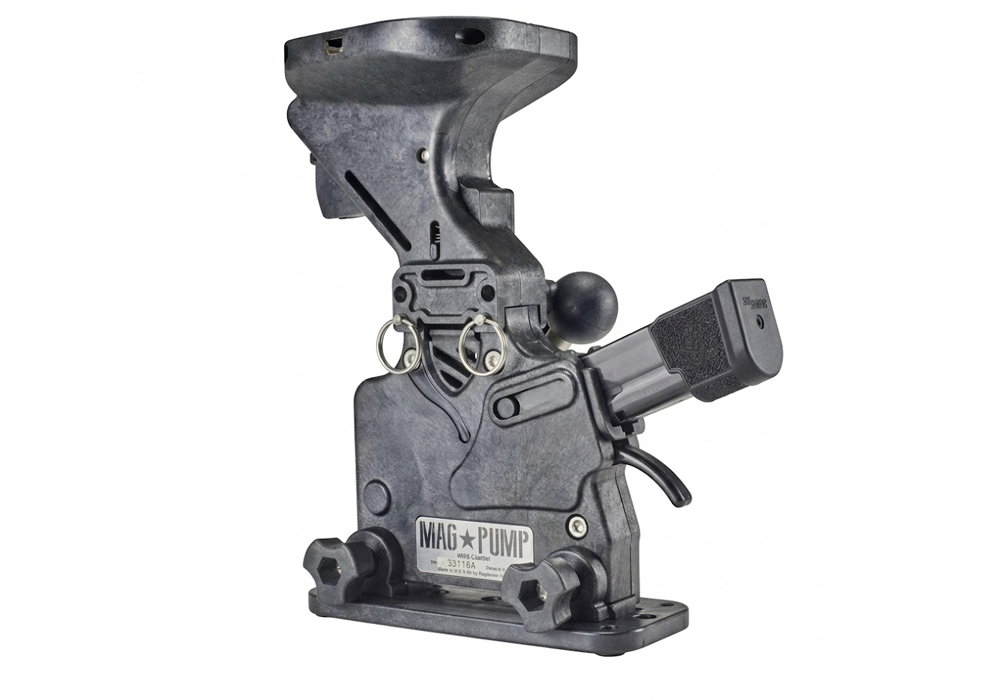
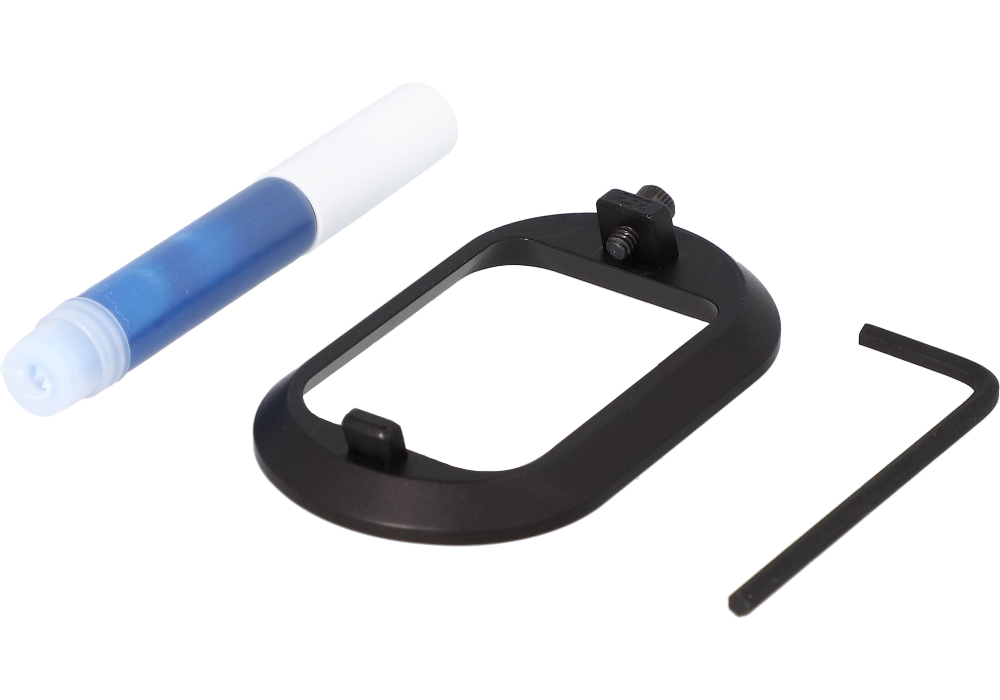
Pistol reloading parts bring together the essential components and press hardware used to assemble consistent handgun ammunition. For many shooters, reloading becomes a practical extension of time spent at the bench: a quiet workspace, a well-organized tray of brass, and the steady rhythm of a press handle moving through each stage. The process begins with the cartridge case, which holds the primer, propellant, and projectile in alignment. Brass cases may be reused when they remain within safe service limits, but every case should receive a careful inspection for splits, deep scratches, damaged rims, corrosion, or other signs of wear before it enters the press. Cleaning helps reveal defects and keeps grit away from dies and other working surfaces. Primers provide the ignition source, while smokeless powder supplies the controlled energy that sends the projectile through the barrel. Because primers and powder are energetic components, they require careful storage, correct identification, and strict adherence to current loading data. Keep them in their original labeled containers, away from heat and open flame, and never combine components based only on appearance. Projectiles are available in several designs and materials, each suited to different purposes such as range practice, training, competition, or lawful personal protection. Weight, profile, diameter, and construction all influence feeding, pressure, accuracy, and function, so component selection should follow published data for the exact cartridge and firearm. Reloading dies are caliber-specific and commonly perform several jobs: resizing the case, removing the spent primer, expanding the case mouth for projectile seating, seating the projectile to the correct overall length, and applying a suitable crimp when required. Carbide sizing dies can be especially convenient for many straight-wall pistol cartridges, while the correct shell holder or shell plate keeps the case secure during each press stroke. Before ordering, confirm the cartridge designation, press type, thread standard, and the number of stations available on the press. A part that appears similar may not provide the correct fit, and a small mismatch can affect alignment or prevent reliable operation. Consult the firearm owner’s manual, the press instructions, and a current reloading manual throughout the process. A reliable scale, calipers, a case gauge, and an organized method for checking each stage can help support repeatable results. Reloading is not a race; the best bench routine is deliberate, clean, and easy to verify.
Pistol reloading parts can serve several kinds of users, from someone assembling a first press setup to an experienced handloader refreshing a familiar station after years of use. New reloaders often begin with replacement or additional dies, shell holders, case-handling tools, and measuring equipment that complete an existing press. Experienced reloaders may look for service parts such as decapping pins, springs, retainers, primer-feed components, or other small hardware that keeps a trusted setup running smoothly. Conversion kits and shell plates can help a press support another cartridge, but compatibility should always be checked against the press model and the manufacturer’s instructions before purchase. These items can also be thoughtful gifts for a shooter who enjoys careful bench work, especially when the recipient already has a press and has shared a preferred caliber or loading system. A compact set of caliber-specific hardware, a case gauge, or a selection of maintenance parts can feel personal without requiring guesswork about firearm fit. For someone who spends cooler days indoors organizing a workbench, inspecting brass, or preparing for the next range session, the right accessory can add convenience and reduce interruptions. Keep in mind that consumable components and press hardware serve different needs: brass, primers, powder, and projectiles are used during assembly, while dies, shell holders, plates, and replacement mechanisms support the equipment itself. Matching each part to the intended cartridge is the most important purchase consideration. Confirm whether the firearm uses a rimmed or rimless case, check the correct primer type, verify projectile diameter and weight, and review the loading data before placing an order. Storage matters as well. Brass should remain clean and dry, primers and powder should stay separated and secured according to applicable regulations, and finished cartridges should be labeled with their component details and assembly date. A simple record of load data, inspection notes, and range observations can make future sessions more orderly and help identify changes in performance. Shooters who are still building their setup may also benefit from browsing related Pistol Shooting Parts to compare other firearm components and maintenance needs. Whether the goal is structured practice, competition preparation, or a more hands-on connection with the shooting hobby, dependable pistol reloading parts help create a workspace where each step can be checked, repeated, and handled with care.