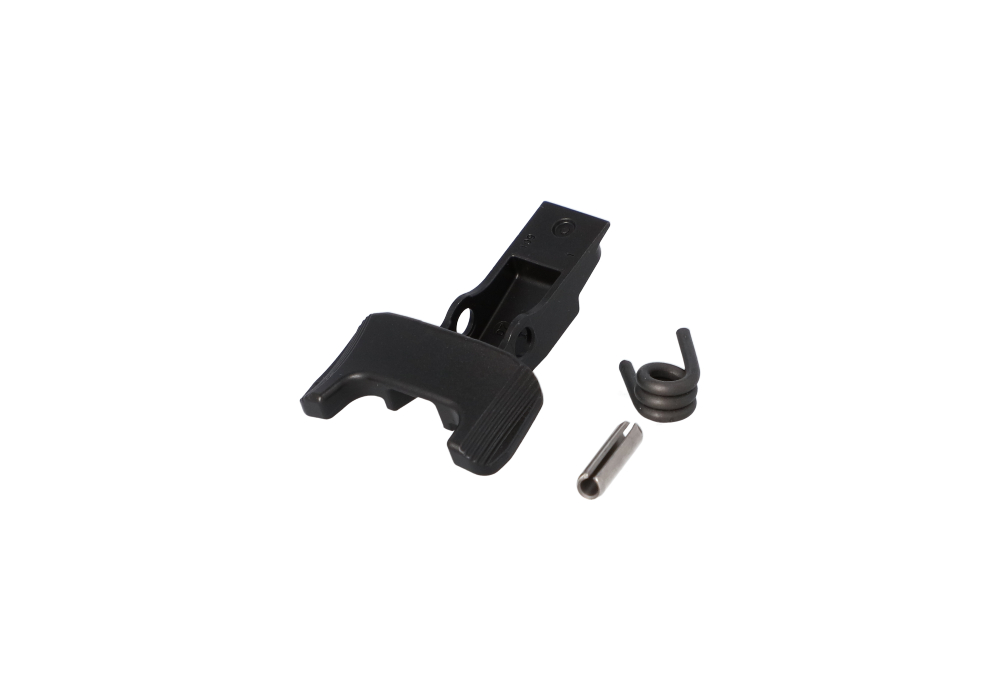
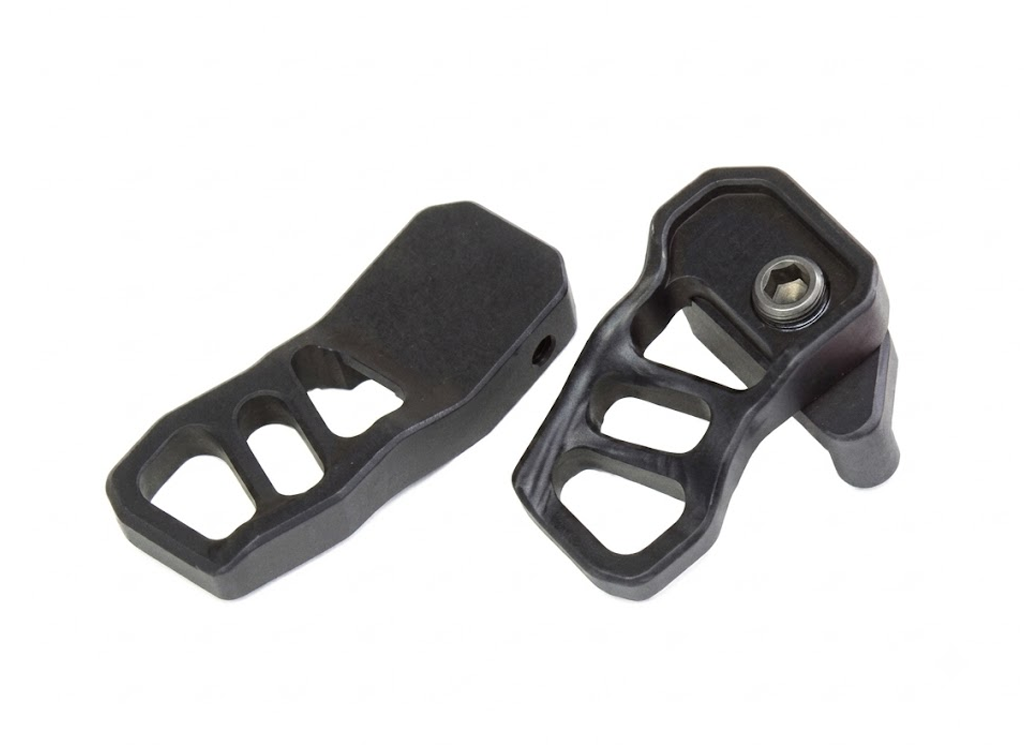
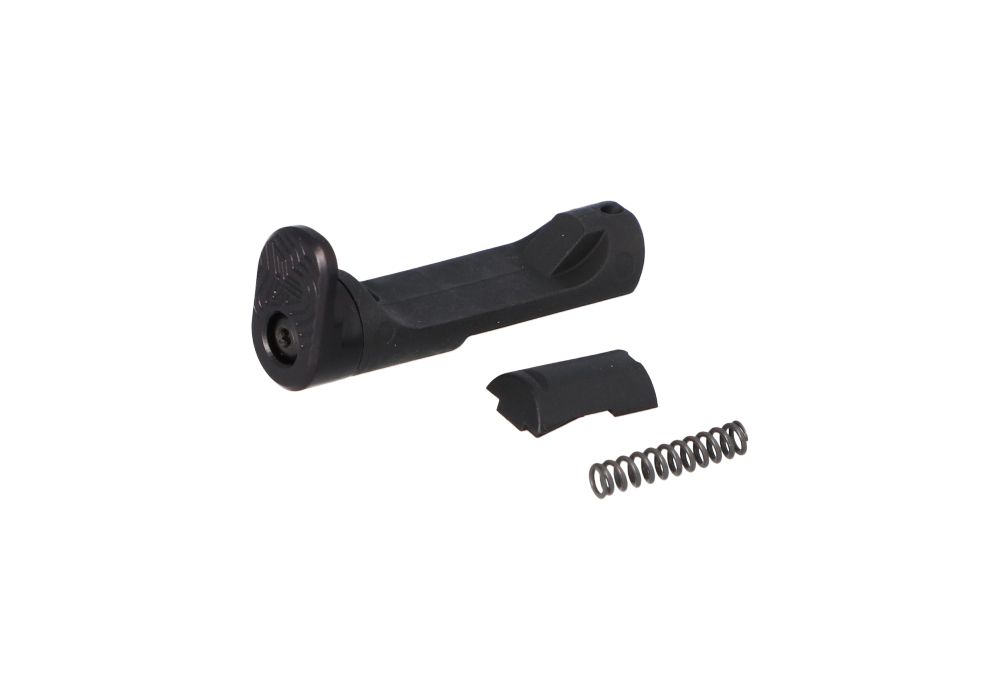
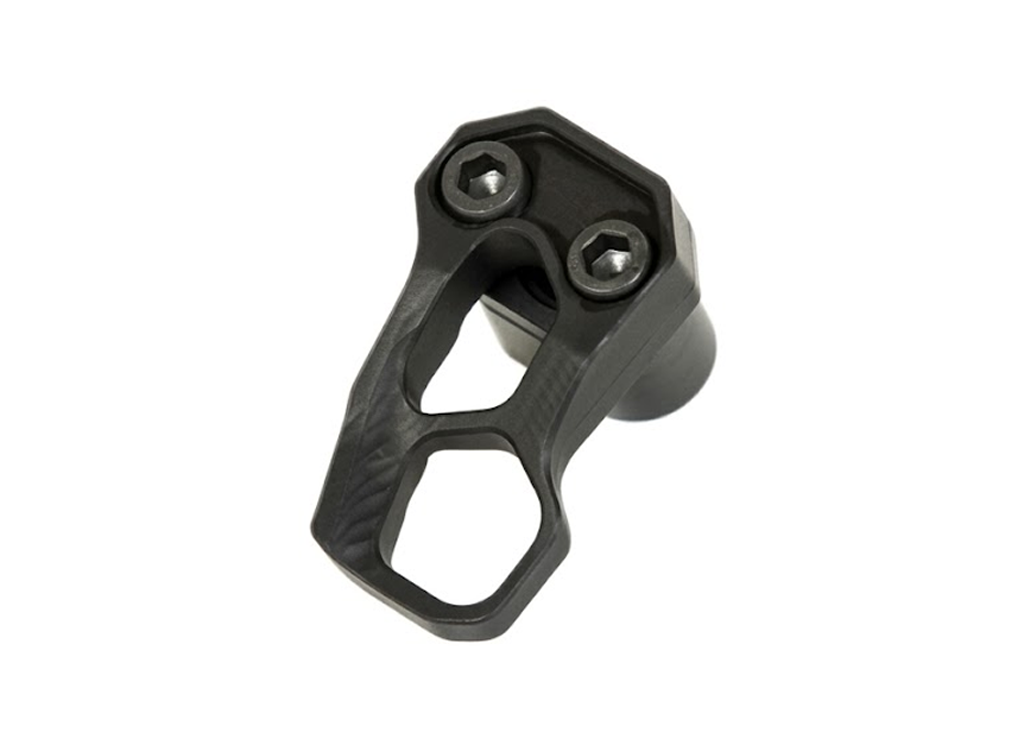
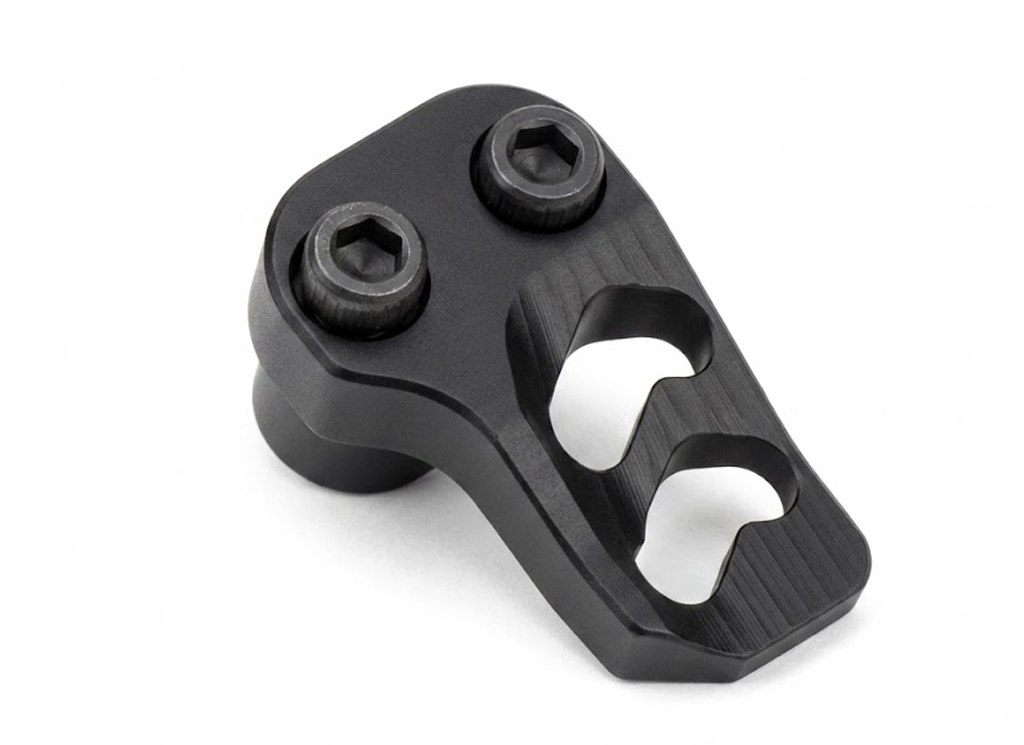
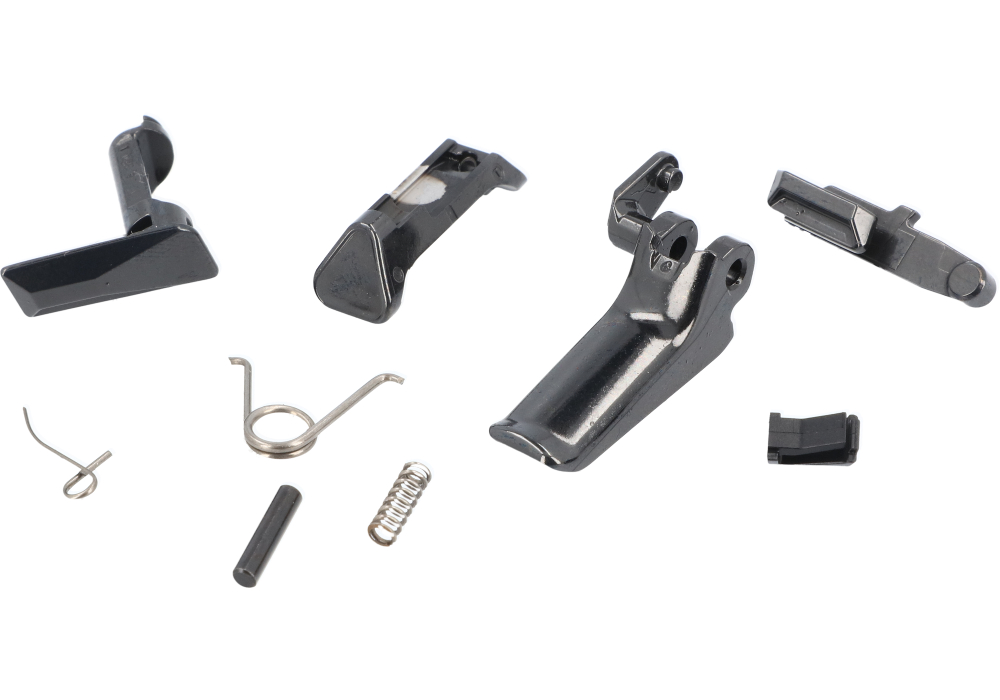
Replacement magazine releases are firearm components that allow a magazine to be released from its seated position through a button, lever, or similar control. Depending on the firearm’s design, a replacement may involve the external control, an associated catch, or an assembly containing several related pieces. These parts serve a different purpose from the magazine itself: the magazine holds ammunition, while the release works with the firearm’s retention system. For owners maintaining a familiar firearm, a replacement can address a worn or damaged control or restore an original configuration. The most important distinction when comparing replacement magazine releases is compatibility. Similar-looking buttons can have different dimensions, attachment features, and relationships to internal components, even within closely related firearm families. A part intended for one frame or grip configuration should not be assumed to fit another simply because its exterior shape looks familiar. Model designation, generation, frame configuration, and manufacturer compatibility notes provide a more reliable basis for selection than appearance alone. Package contents matter, too, because a release button, a catch, and a complete assembly are not necessarily interchangeable descriptions. Some replacements include associated hardware, while others consist of a single component that depends on compatible existing parts. Clear product descriptions help distinguish those possibilities without leaving the owner to guess. For a firearm that already feels comfortable and functions correctly, retaining familiar control dimensions can be a practical priority. The objective may be straightforward upkeep rather than a different feel or appearance. A replacement that preserves the expected location and profile of the control can be especially relevant to someone who values consistency across regular practice and routine ownership. Manufacturer documentation and a qualified firearms professional can help establish whether a particular component is appropriate when identification or compatibility is uncertain. Careful attention to those details keeps the purchase focused on the actual firearm rather than a broad category name.
Materials and construction influence how a replacement magazine release feels, wears, and stands up to repeated handling. Depending on the design, these components may use steel, stainless steel, aluminum, polymer, or a combination of materials. No single material is automatically the best choice for every firearm, because the surrounding assembly, contact surfaces, and original engineering requirements all matter. Steel components may be selected for wear resistance at contact points, while aluminum and polymer can serve different purposes within designs intended for those materials. The material description is most useful when considered alongside compatibility and construction, not as a stand-alone promise of quality. Surface finish also deserves attention. A protective treatment can help resist corrosion or surface wear, but it does not eliminate the need for appropriate care. Areas exposed to repeated contact may develop visible wear over time, and cosmetic changes do not always indicate the same thing as a functional problem. Conversely, a clean exterior cannot establish that an internal contact surface is in sound condition. Button shape and surface texture contribute to the overall feel of the control. A rounded face, a flatter surface, or a textured pattern can feel noticeably different against the thumb, particularly for someone accustomed to a specific factory configuration. Control height and surrounding clearances also affect how the part relates to the grip and other equipment. A more prominent profile is not inherently a better match; maintaining suitable clearance and avoiding unwanted contact with a holster or case can be just as important as comfort. Left-handed and right-handed configurations require particular care because a control’s appearance does not establish whether it is reversible or compatible with either orientation. For owners comparing replacement parts, durability means more than a substantial feel in the hand. It includes appropriate materials, consistent dimensions, suitable engagement surfaces, and compatibility with the assembly around the part. Those qualities support a dependable replacement without relying on decorative details or broad performance claims.
Replacement magazine releases are relevant to a wide range of owners, from recreational target shooters maintaining a frequently used firearm to collectors preserving the familiar configuration of an established design. Someone arranging professional maintenance may need a direct replacement for a damaged component, while another owner may be returning a previously altered firearm to its original control layout. These are distinct needs, and the right choice depends on the firearm’s specifications and the owner’s intended use rather than a universal preference for a particular shape or finish. For a gift recipient, exact compatibility is especially important: knowing the firearm’s general family is often not enough to identify the correct component. Confirming the recipient’s requirements is more useful than choosing a part solely for its appearance. Ongoing care should follow the firearm manufacturer’s recommendations, including guidance on suitable cleaning products, lubrication, inspection, and service. Residue and debris around controls can warrant attention, but aggressive cleaning methods or unapproved chemicals may be unsuitable for certain finishes and materials. Work involving a firearm should take place only after it has been verified unloaded according to the owner’s manual, with any uncertain repair or replacement handled by a qualified firearms professional. A release that feels different or a magazine that does not seat as expected deserves evaluation rather than an assumption that one replacement part will resolve every concern. The magazine, its retention interface, and the firearm’s related components all play separate roles. Owners reviewing the magazine itself can also explore Replacement Magazines, while keeping the compatibility requirements of each component distinct. A new magazine release cannot compensate for every issue involving a worn, damaged, or incompatible magazine. Sound selection rests on accurate identification, a clear understanding of what is included, and attention to the intended configuration. Those fundamentals keep replacement magazine releases in their proper context: purpose-specific components for maintaining a firearm’s controls, fit, and familiar handling characteristics over time.