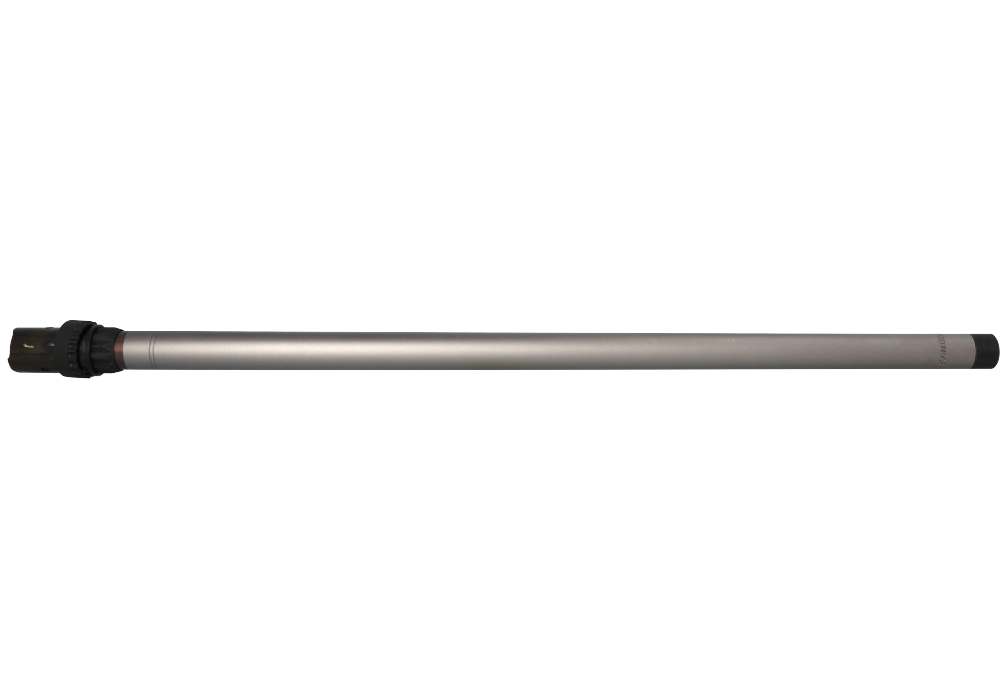
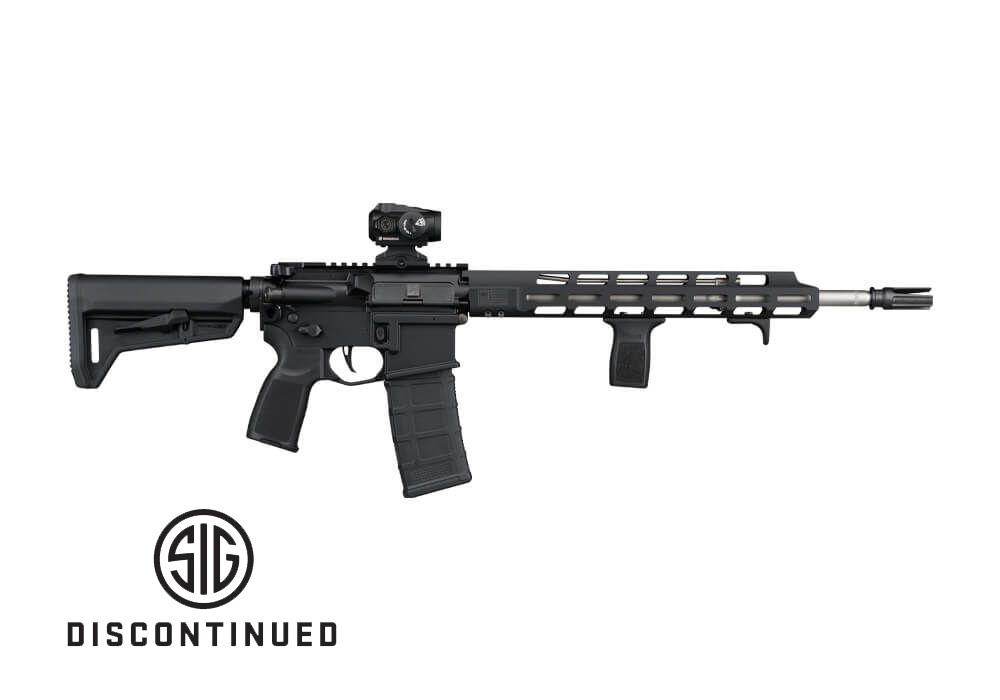
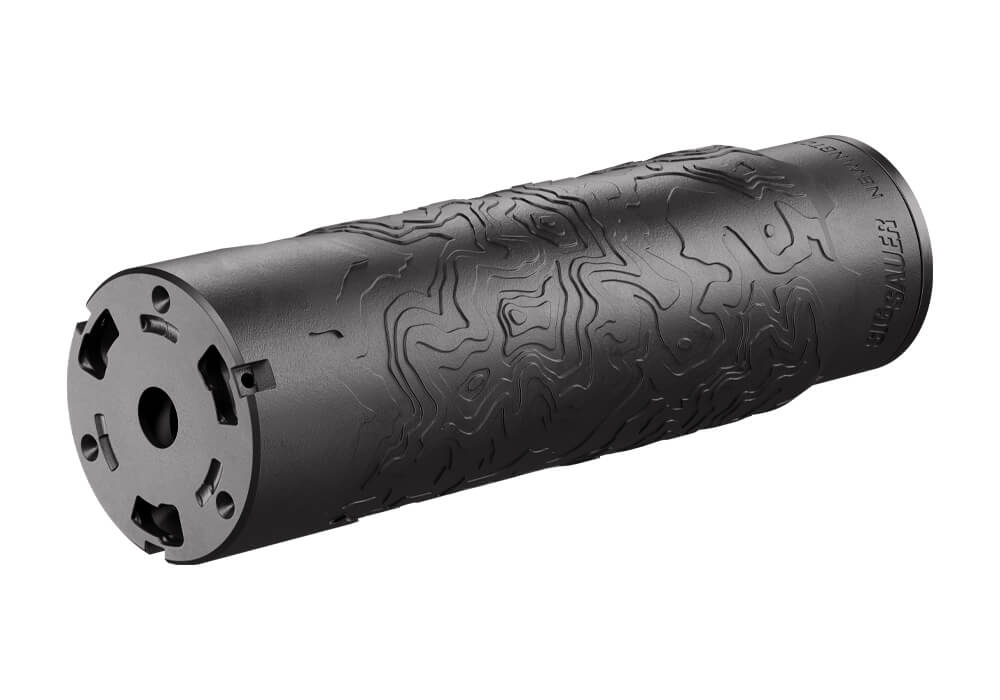
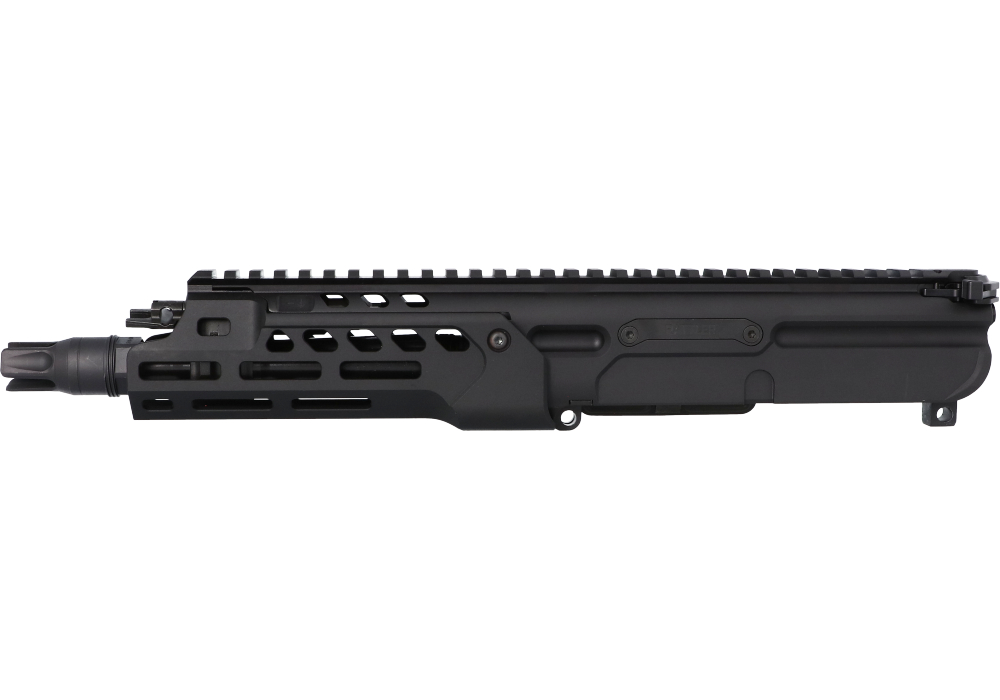
Rifle conversion accessories are designed to expand the flexibility of compatible firearms, helping shooters configure a familiar platform for different handling preferences, sighting systems, training goals, and range applications. This category may include pistol-to-carbine conversion systems, modular chassis platforms, caliber conversion components, replacement bolt carrier groups, barrel-related parts, mounting rails, grips, slings, stabilizing accessories, and other components intended to support a rifle-style setup. Some systems enclose or support a compatible handgun to create a longer, more stable configuration, while others allow a rifle platform to accept a different cartridge or operating component. The result can be a more adaptable firearm that accommodates a red dot sight, magnified optic, backup iron sights, weapon light, sling, or other useful accessory. When browsing rifle conversion accessories, start with the exact make, model, generation, and factory configuration of the firearm involved. Compatibility may depend on frame dimensions, slide or bolt design, barrel length, magazine pattern, operating system, safety controls, rear attachment points, and the presence of an existing rail. A product described as universal may still require a specific adapter or fitment standard, so reviewing the manufacturer’s compatibility information is an essential step before purchase. It is also important to distinguish between a complete conversion system and an individual accessory. A complete chassis or carbine-style kit may include the primary housing and mounting hardware, while optics, slings, grips, lights, sights, and other components may be selected separately. For additional ideas that complement a configured platform, explore Modern Rifle Accessories.
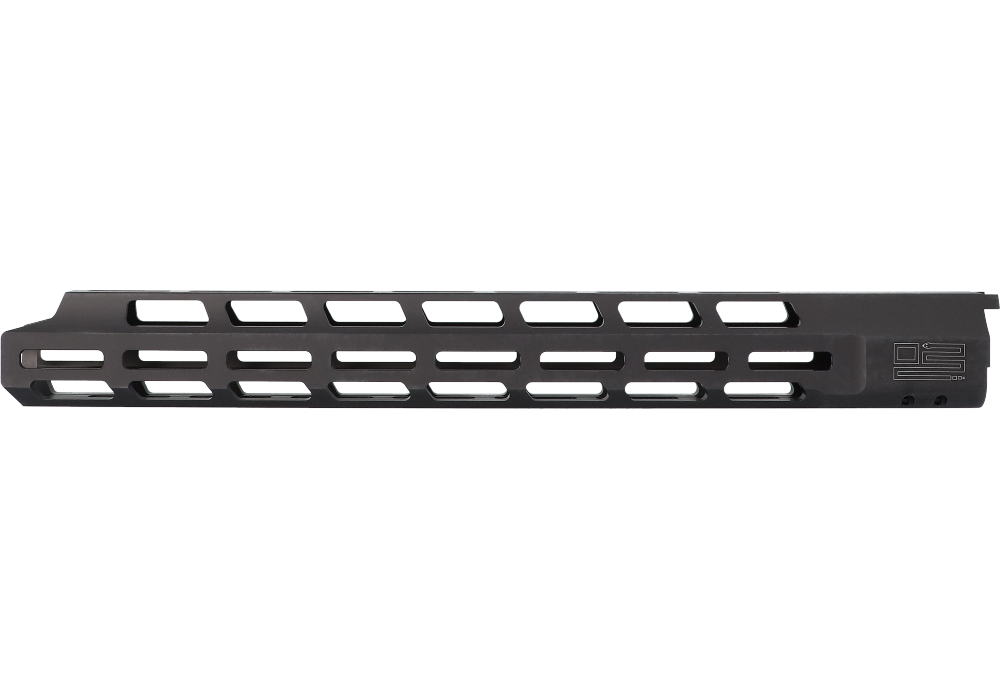
The right setup depends on how the firearm will be handled and what kind of control the shooter wants to develop. A carbine conversion system can provide additional points of contact and a longer support surface, which may feel more stable during deliberate practice or extended range sessions. A chassis with a top rail can make it easier to position an optic at a comfortable height, while side or lower mounting interfaces can support a light, hand stop, or forward grip where permitted and appropriate. M-LOK and Picatinny rail systems offer different approaches to accessory placement, and the choice often comes down to the equipment already owned, preferred adjustment range, and the amount of weight the shooter wants to add. Flip-up iron sights can serve as a compact backup to an optic, while a red dot sight may provide a simple aiming reference for close and intermediate distances. Slings are useful for retaining the firearm when moving between positions, checking equipment, or managing a range bag, and a thumb rest or carefully selected grip can make the controls feel more natural for a particular hand size. Stabilizing components, including braces or stocks where legally applicable, should be selected with close attention to current federal, state, and local regulations, as well as the specific configuration of the firearm. Rules can vary based on the firearm’s classification, overall configuration, barrel length, and the accessory itself. Always verify the applicable requirements and follow all installation, storage, transport, and safe-handling rules before assembling or using a converted platform. For many owners, the most satisfying setup is not the one with the most attachments, but the one that keeps the controls accessible, the balance manageable, and the sight picture consistent.
These accessories may appeal to recreational shooters, firearm owners building a dedicated training configuration, and experienced users who want one compatible platform to serve more than one role. A compact handgun conversion can be useful for practicing with a familiar trigger and manual of arms while gaining a more supported shooting position, whereas a caliber conversion may offer a different recoil impulse or ammunition option for training when the firearm and components are specifically designed to work together. A rifle conversion accessory can also be a thoughtful gift for an enthusiast, provided the recipient’s exact firearm model, preferred configuration, and legal requirements are known in advance. Instead of guessing, gift buyers can confirm the platform and leave the final choice of fit, finish, optic interface, or mounting system to the recipient. Before purchasing, compare the accessory’s materials, adjustment features, installation method, included hardware, weight, and warranty support. Tool-free adjustment may be convenient at the range, but a secure and repeatable attachment is more important than speed alone. Check that controls remain reachable, magazines can be inserted and removed without interference, the optic can be positioned at a usable height, and the completed configuration remains comfortable when carried with a sling. During cooler months, when range time may involve heavier clothing and more equipment, small changes in grip size, sling length, or shoulder contact can make a noticeable difference. Take time to confirm fitment, read the instructions, inspect all fasteners, and test the configuration safely at a controlled range before relying on it for regular training. With careful selection, rifle conversion accessories can provide a practical way to refine handling, explore a new configuration, and make a compatible firearm better suited to the individual behind it.