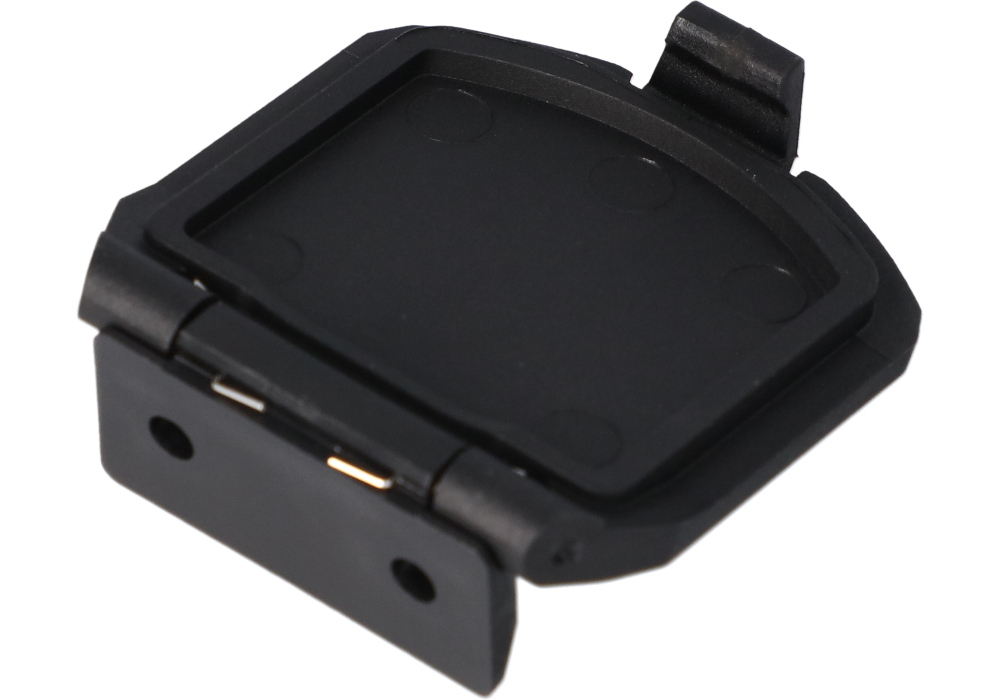
Rifle lens covers protect scope glass from dust, fingerprints, moisture, and surface scratches during storage, transport, and everyday handling. They cover the objective lens at the front of the scope, the eyepiece lens at the rear, or both, helping keep exposed glass cleaner between uses. Their value is easy to appreciate when a rifle travels in a padded case, rests beside a dusty range bench, or shares storage space with other equipment. Even a well-padded case can collect grit, and an uncovered lens can pick up fingerprints while equipment is packed or unpacked. Covers provide a practical barrier without replacing careful handling or proper lens care. Common styles include flip-up lens caps, flexible slip-on covers, paired caps connected by an elastic strap, and full-scope sleeves. Flip-up caps stay attached to the optic and use hinged lids that open away from the viewing area; some have spring-assisted hinges, while others open manually. Flexible slip-on covers stretch around the outside of the lens housing and can be removed entirely when the optic is in use. Connected front and rear caps keep both protective pieces together, which can simplify packing and reduce the chance of misplacing one. Full-scope covers wrap around more of the optic, often using neoprene or fabric to shield the scope body as well as the lens areas. Each style serves a slightly different purpose: attached caps emphasize convenient access, removable caps offer uncomplicated coverage, and sleeves provide broader protection during transport or storage. Material choice also affects how a cover feels and performs. Rigid polymer housings help a hinged cap hold its shape, while flexible rubber or silicone can provide a conforming fit around compatible housings. Fabric and neoprene sleeves offer soft coverage, though they can retain dust or moisture if stored without cleaning. No cover eliminates every risk to an optic, and resistance to dirt or moisture depends on its construction and fit rather than its appearance alone. Secure seating, dependable closures, and materials suited to repeated handling are more useful qualities than bulk for its own sake.
Fit is the central consideration when comparing rifle scope lens covers. The objective lens diameter listed in a scope’s specifications describes the glass, not necessarily the outside diameter of the housing where a cap attaches. A cover sized only by that optical measurement may therefore fit poorly, even when its listed dimensions seem close. The eyepiece has its own external dimensions and may include a rotating focus ring, a tapered surface, or another feature that affects how a cover seats. Relevant measurements include the outside diameter of each attachment area, the length of housing available for the cover’s collar, and any nearby components that could interfere with installation or opening. Manufacturer compatibility information is especially useful because two scopes with similar optical specifications can have different exterior shapes. A suitable cover should sit securely without requiring excessive force, distorting its mounting sleeve, or interfering with normal scope adjustments. On flip-up designs, hinge placement and opening clearance deserve attention alongside diameter. An open lid should remain clear of the viewing area and avoid contact with adjustment controls, mounting hardware, or other nearby equipment. Low-mounted scopes can leave limited space beneath the objective housing, so the thickness of a cap’s collar may matter as much as its nominal size. Eyepiece caps also need enough clearance to open without crowding the rear of the optic. Full-scope sleeves involve a different set of dimensions: overall scope length, objective housing size, and the profile of the adjustment turrets all influence coverage. A sleeve that fits around the lens ends but strains across the turrets may be difficult to secure, while an oversized sleeve can shift inside a case. Closure design is another practical distinction. A positive latch can help keep a flip-up lid closed during handling, whereas flexible removable caps rely more heavily on their fit around the housing. For hunters, recreational target shooters, and people who transport equipment frequently, these small differences affect convenience more than a cover’s appearance. The best match is a cover that protects the intended surfaces, stays where it belongs, and works with the optic’s existing layout.
Durability in rifle lens covers comes from the combination of material quality, construction, and sensible care. Hinges, latch edges, attachment collars, and elastic connectors experience repeated movement, so those details deserve as much attention as the cover’s outer shell. A sturdy housing is helpful, but a dependable hinge and a collar that maintains its shape are equally important for regular use. Soft covers should remain flexible enough to fit without stretching beyond their intended range, and fabric sleeves benefit from secure stitching and closures that do not expose abrasive hardware to the optic. Inside surfaces matter, too: a cover can protect glass only when trapped grit is kept away from it. A removable cap tossed into a pocket with keys or loose debris may collect particles that later transfer to the lens area. Keeping detached covers in a clean compartment helps preserve their protective role. Routine care generally centers on removing loose dust, wiping the exterior with a suitable soft cloth, and allowing damp components to dry before enclosed storage, always following the relevant care instructions. Lens glass requires its own compatible cleaning materials; rubbing away grit with a cover, sleeve, or ordinary clothing can damage optical coatings. Covers that become loose, cracked, misshapen, or unreliable at the latch are less dependable barriers and may warrant replacement. The related category Replacement Lens Covers for Range Optics addresses similar protective needs for other range equipment, with compatibility considered separately for each optic. As a gift, lens protection is practical for someone who regularly carries a scoped rifle to the range or into the field, provided the scope model and fitting dimensions are known. For an established equipment setup, replacing a worn cap or choosing a more convenient cover style can be a useful refinement rather than a major change. Thoughtful fit and clean storage help these small accessories do their job: keeping vulnerable glass covered whenever the optic is not being used.