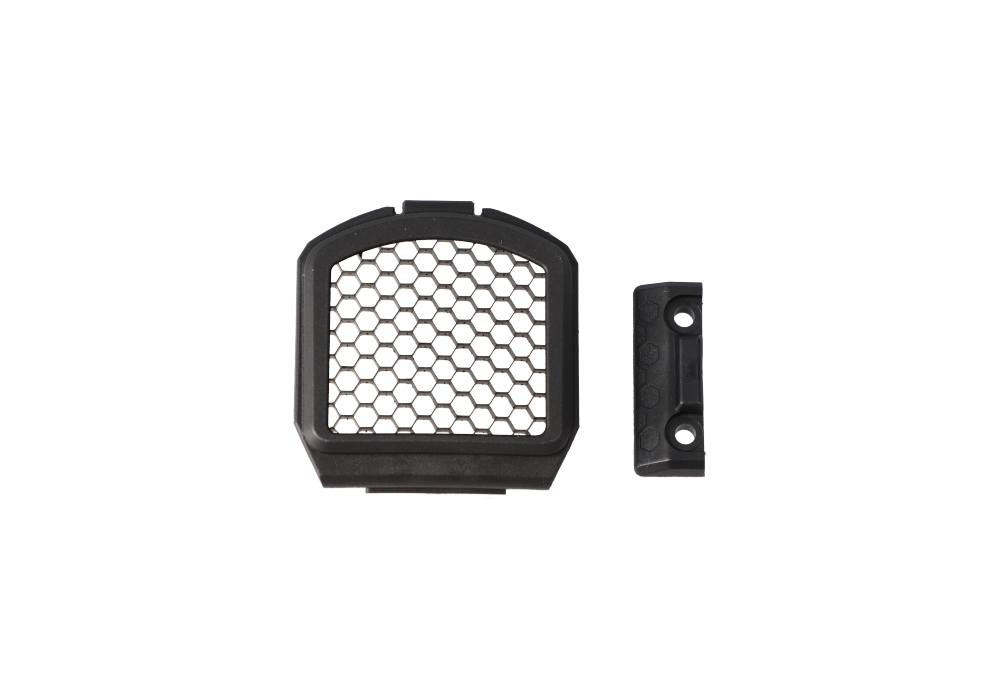
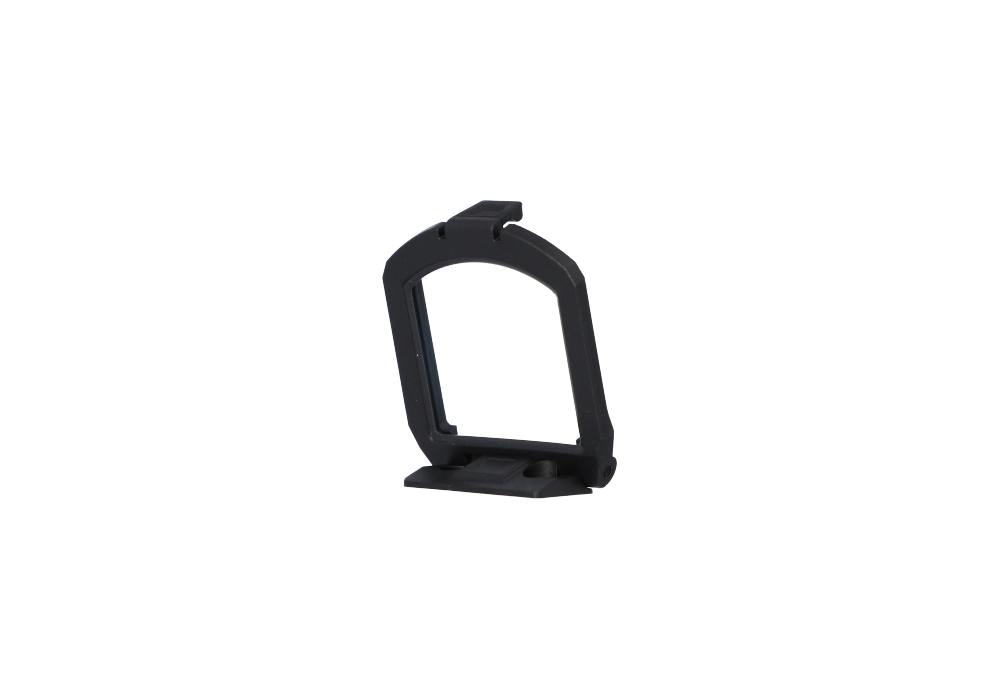
Front optic covers for hunting rifles provide a simple layer of protection between a rifle scope’s objective lens and the conditions encountered in the field. Mud from a blind, dust along a trail, wet brush, falling leaves, snow, and the occasional bump against a tree or truck rack can all obscure or damage exposed glass. A properly fitted front cover helps keep the lens clear until the moment an unobstructed sight picture is needed, while also reducing the chance of scratches caused by grit inside a case or sling. These covers are useful for hunters who carry a rifle through dense timber, climb into elevated stands, travel over rough ground, or store their equipment in a vehicle before and after a hunt. They can also be practical gifts for a new hunter, a sportsman upgrading an older setup, or anyone assembling a dependable rifle-and-optic combination for the cooler months. When selecting a cover, start with the outside diameter of the objective housing rather than relying only on the scope’s magnification range or objective-lens designation. Measuring the scope carefully and comparing those dimensions with the manufacturer’s fit specifications can prevent a loose cover from slipping off or an overly tight model from distorting the optic’s housing. It is also worth considering whether the cover will be used alone on the front optic or as part of a full-length scope cover that protects the eyepiece, turrets, tube, and objective end during transport. A full-length field cover can be especially useful when a rifle is carried in a soft case, placed in a vehicle, or moved through thick cover, while a dedicated front cover is generally more convenient when the scope remains exposed and ready for use.
Different front optic cover designs suit different hunting styles and carrying habits. Flip-open caps are popular because they stay attached to the optic and can be opened with one hand, leaving the shooter with a clear view without having to pocket or stow a separate lens protector. Spring-loaded or hinged designs should open fully and remain out of the sight picture, while the hinge and release should be easy to operate with gloved fingers during cold weather. Deployment noise deserves attention, particularly for hunters who may be close to game in a quiet blind or along a still timber edge. A cover that opens with a sharp click can be distracting at an important moment, so hunters often favor designs with controlled movement, flexible materials, or a closure that can be prepared quietly before the rifle is shouldered. Stretch-fit skins and pull-on sleeves offer another approach, hugging the optic closely and adding protection from dust, light moisture, brush, and incidental contact without much bulk. They are convenient for storage and transport, although they typically need to be removed or pulled clear before taking a shot. Weather resistance is another important consideration. Rubberized materials, sealed edges, and close-fitting gaskets can help keep rain, melting snow, and fine debris away from the objective lens. A cover does not replace careful lens maintenance, and moisture trapped beneath any cover can contribute to fogging if the rifle moves between warm and cold environments. Before heading out, inspect the inside of the cap, wipe away grit with appropriate lens-cleaning tools, and allow damp equipment to dry naturally. Low-profile construction can reduce snagging on branches, pack straps, and clothing, while a more padded cover may be preferable when the rifle is exposed to hard knocks during travel. The right balance depends on whether protection, speed, silence, or compactness matters most for the way the rifle is carried.
Compatibility extends beyond the objective diameter. Check for clearance around adjustable objective rings, illumination controls, sunshades, throw levers, raised turrets, and mounting hardware that may interfere with a cap or sleeve. A cover should remain secure when the rifle is tilted, slung, or moved through brush, but it should not place excessive pressure on the optic or obstruct the shooter’s view when open. Hunters who use an illuminated optic may want to compare the complete setup with options such as Illuminated Hunting Riflescopes With Flip Caps, particularly when choosing accessories that need to work smoothly with an integrated flip-cap configuration. A good fit also helps prevent the cover from collecting leaves, burrs, and other debris around the lens. During warmer conditions, a front cover can protect glass from trail dust and pollen while a rifle is carried between locations; during the cooler months, it can help shield the objective from wet vegetation, sleet, and snow that settles on exposed equipment. In every season, the cover should be opened or removed before loading and firing, and the objective lens should be checked to confirm that it is completely clear. Store the rifle according to applicable laws and manufacturer recommendations, keep the muzzle pointed in a safe direction, and verify that the optic, cover, and sling do not interfere with safe handling. For a gift, focus on fit, quiet operation, weather protection, and the recipient’s usual hunting environment rather than appearance alone. Someone who hunts from a fixed stand may appreciate a low-profile flip-open design, while a hunter who hikes long distances or transports a rifle through demanding terrain may prefer a stretch sleeve or more protective full-scope cover. Thoughtful selection and accurate measurement make these compact accessories a useful part of a well-prepared hunting rifle, preserving a clear objective lens and helping equipment remain ready through changing field conditions.