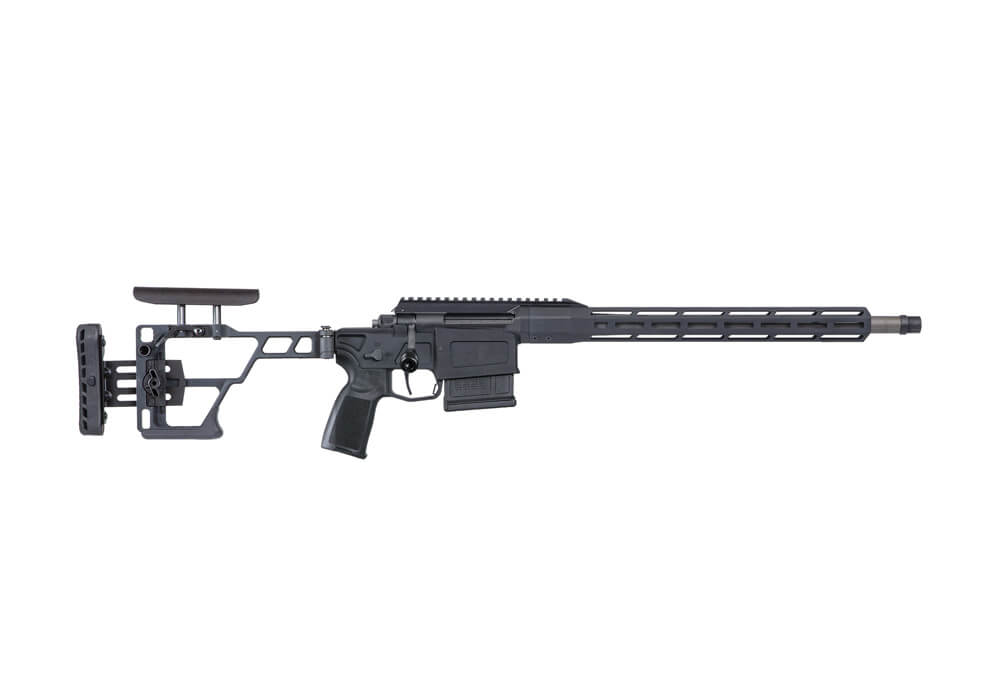
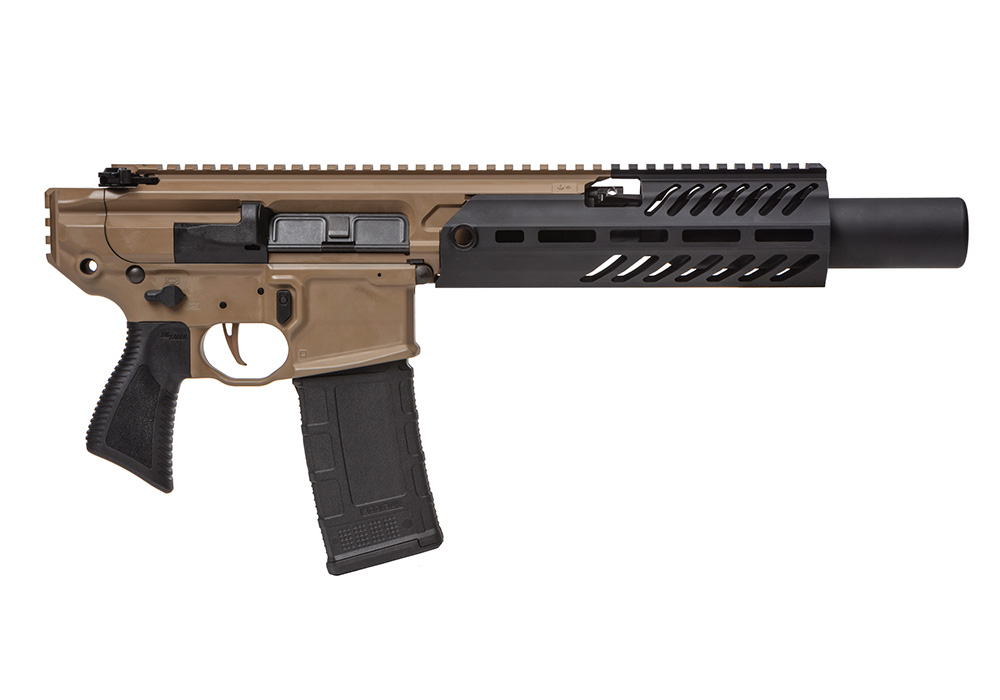
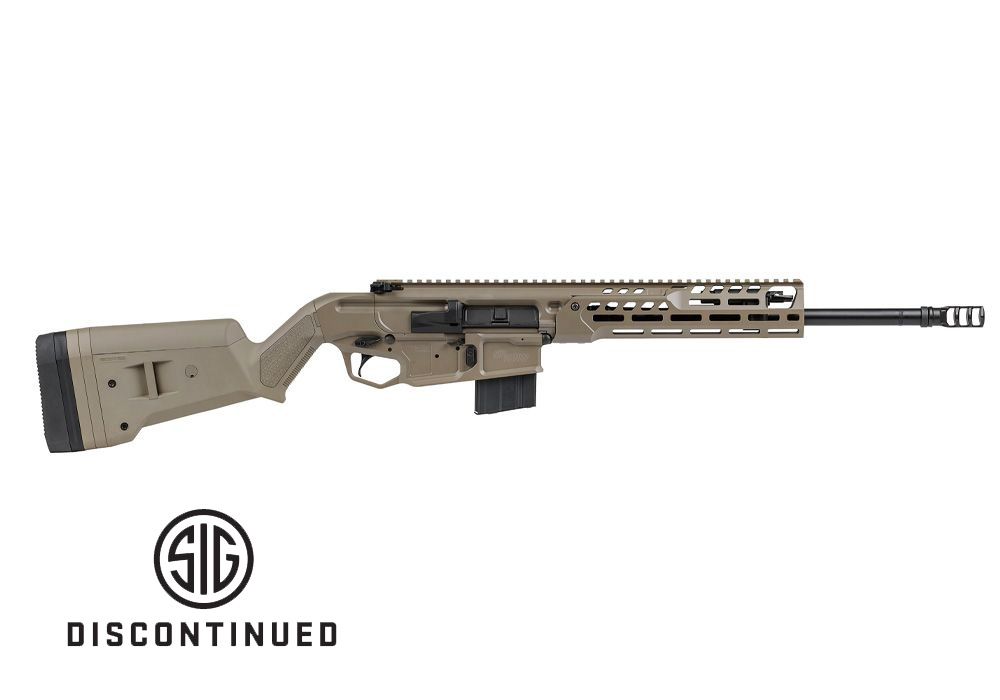
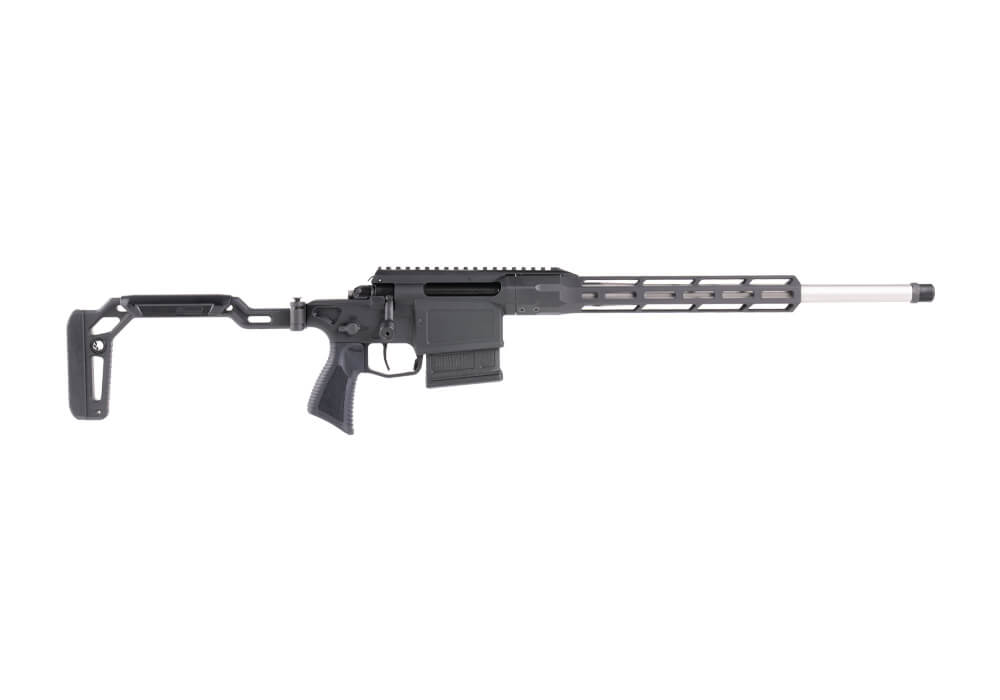
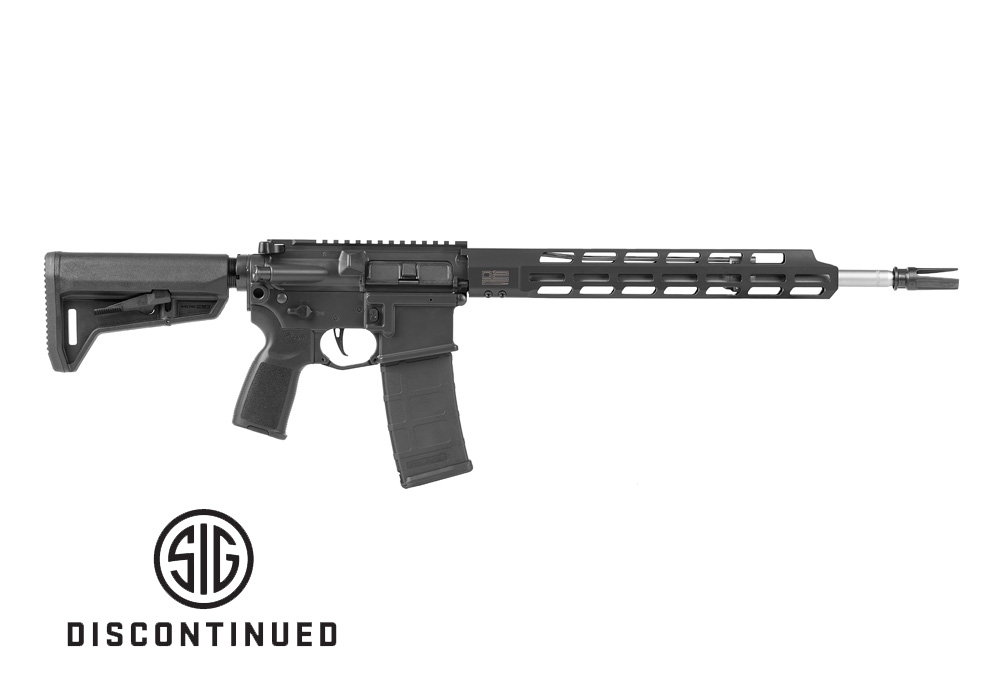
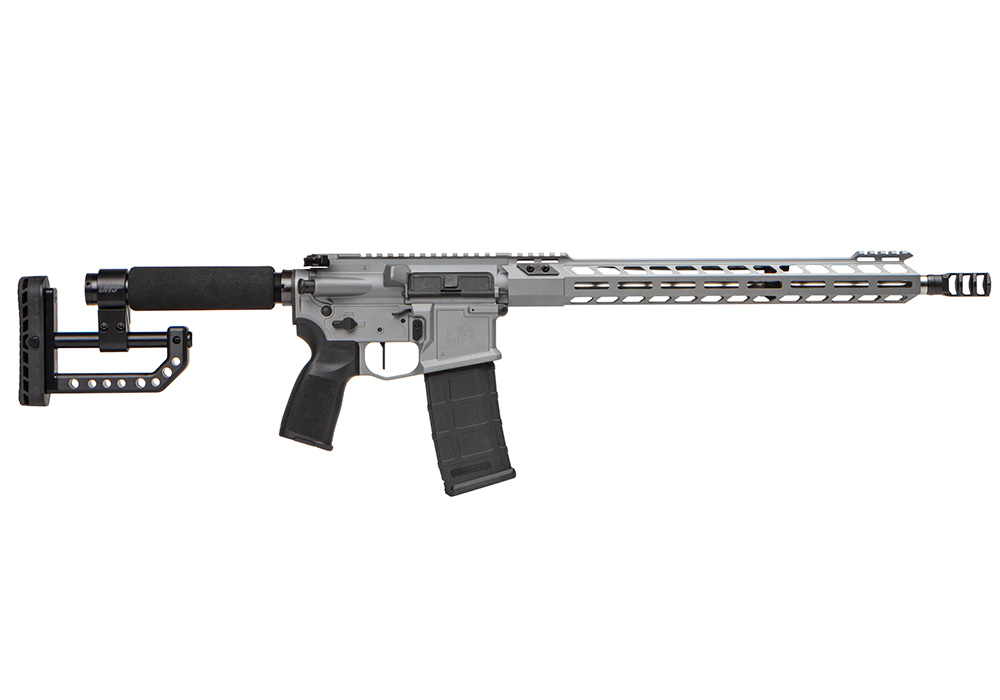
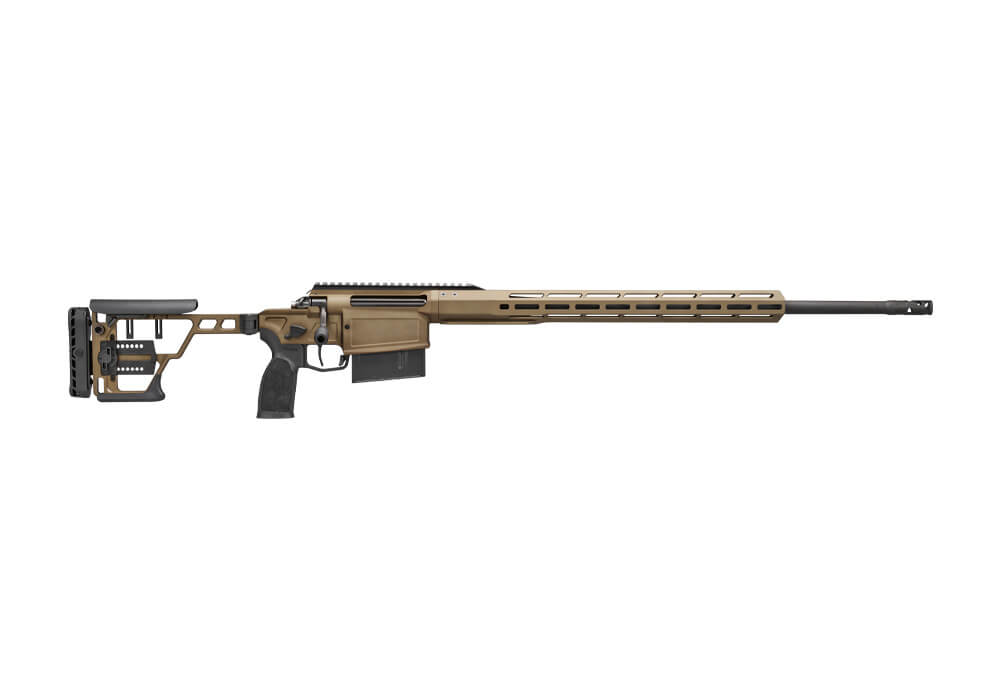
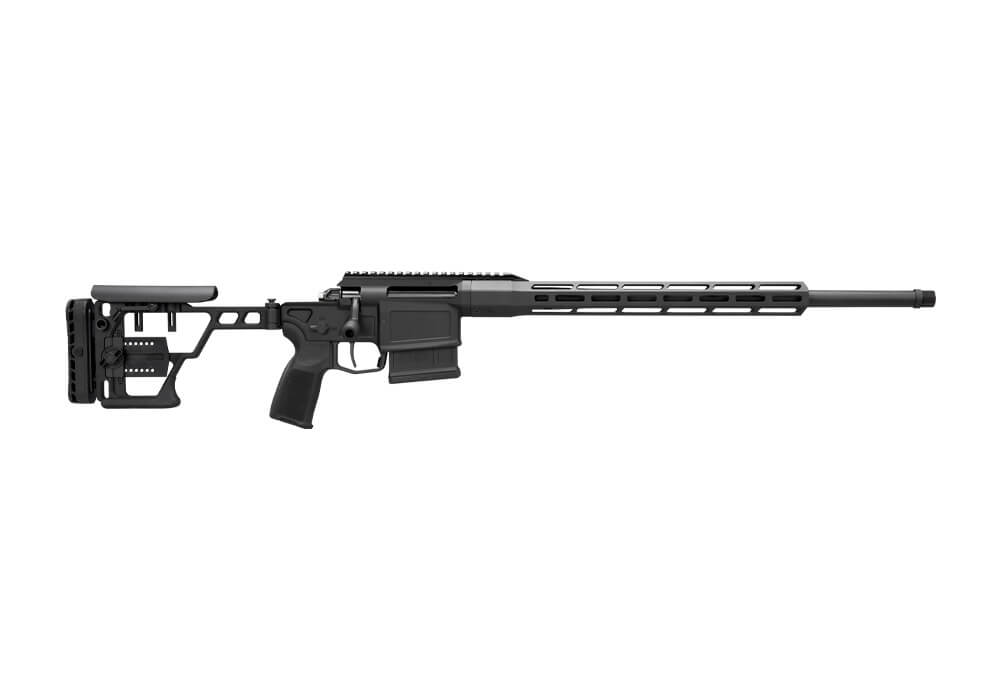
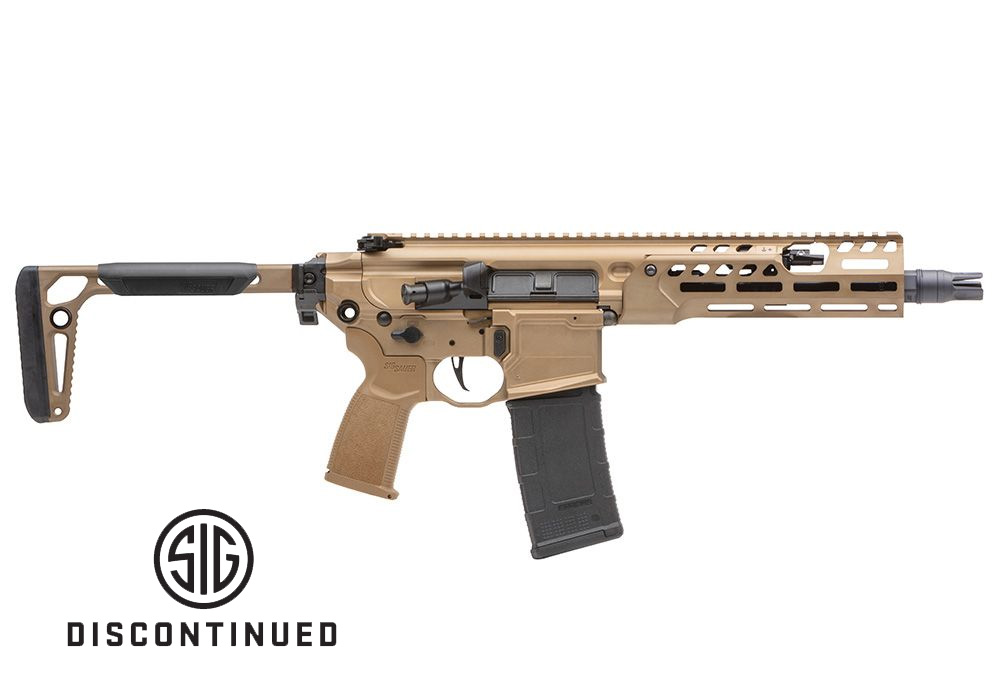
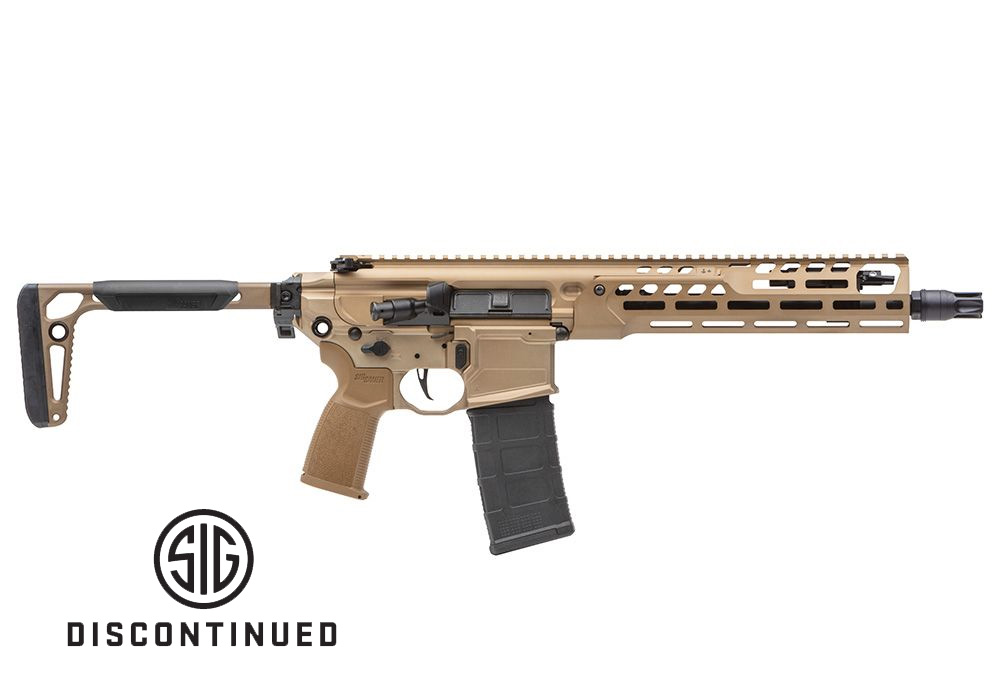
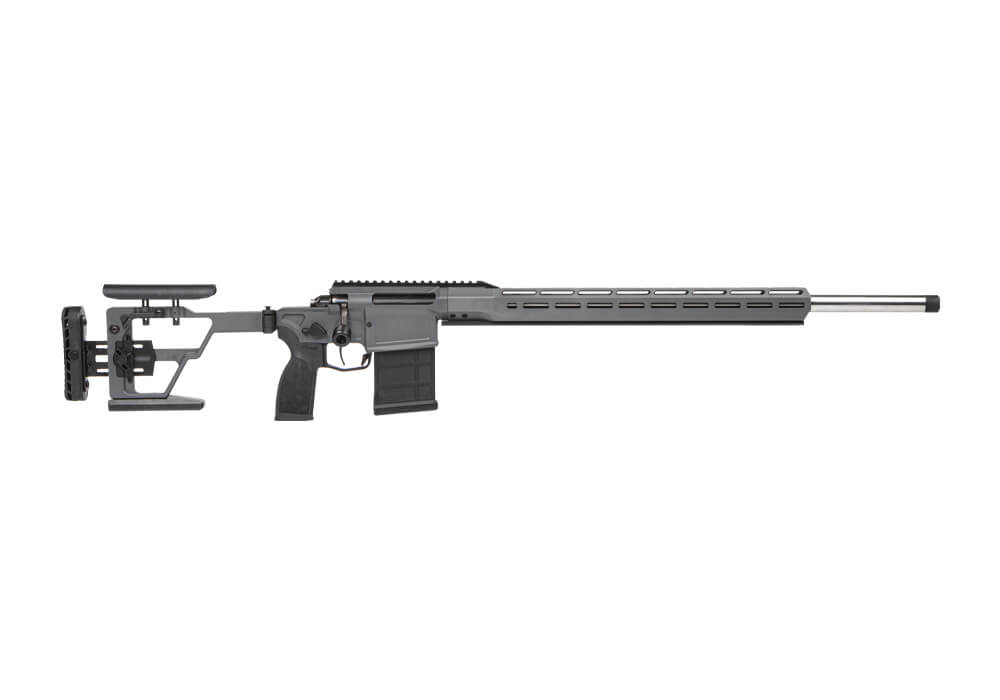
Rifles for whitetail season are hunting rifles chosen for dependable operation, manageable recoil, practical field accuracy, and a fit that suits the hunter. Those qualities matter whether the setting is a hardwood ridge, a sheltered ground blind, or the edge of a harvested field. Whitetail hunting can involve long stretches of quiet observation followed by a brief opportunity, so a rifle should feel familiar rather than cumbersome. Bolt-action rifles are a common choice for their straightforward operation and broad range of hunting chamberings, while other action types can suit individual preferences where regulations permit them. There is no single configuration that fits every deer hunt. A compact rifle can be easier to carry through brush or position inside a blind, while a longer, heavier configuration may feel more settled when supported during practice. Overall weight deserves attention because a rifle that feels comfortable at the range can feel quite different after a climb with a pack, binoculars, and other field essentials. Barrel length also affects handling, balance, and cartridge performance, making it part of the overall package rather than an isolated measurement. The most useful accuracy is repeatable accuracy under realistic conditions, not simply a promising group from a bench. Consistent ammunition, a secure sighting system, sound rifle fit, and regular practice all contribute to that result. Cartridge selection belongs in the same conversation: suitable deer cartridges should provide appropriate terminal performance at the distances a hunter can responsibly manage, with recoil that supports confident practice. Neither the largest chambering nor the lightest rifle is automatically the better choice. A comfortable combination often encourages more range time and more consistent shooting. Local hunting rules remain essential, especially in areas that limit rifles to specified straight-wall cartridges or impose other restrictions on chamberings, action types, or magazine limits. The rifle, ammunition, hunting location, and applicable season regulations need to work together.
Materials and fit give a whitetail rifle much of its character, from the way it carries along a fence line to how it rests against a shoulder beneath a hunting jacket. Synthetic stocks are valued for their resistance to moisture and their generally low-maintenance surfaces, particularly when a hunt involves wet leaves, muddy trails, or snow clinging to equipment. Wood stocks offer a traditional appearance and a familiar feel, though their finish deserves attention after exposure to moisture. Stock construction and sealing affect how well wood tolerates changing conditions; material alone does not tell the whole story. Steel barrels and actions provide strength, while stainless steel and protective surface finishes can help resist corrosion. None of these features eliminates the need for care, especially when damp equipment returns to a warm vehicle or building. Durability also depends on secure fasteners, sound stock construction, and a design that tolerates ordinary field use without becoming difficult to maintain. Fit is equally important. Length of pull—the distance between the trigger and the rear of the stock—affects how comfortably a rifle shoulders, and stock height influences alignment with the sights. A rifle that fits well in light clothing may feel crowded beneath a heavier hunting layer. Adjustable stock dimensions can accommodate differences in stature, clothing, and sighting setup, while a well-fitting fixed stock can offer appealing simplicity. Grip shape, fore-end dimensions, and balance influence comfort during both carrying and supported shooting. These details matter for experienced hunters and for adults beginning their first whitetail season, particularly when an ill-fitting rifle would distract from building consistent habits. Recoil is another part of fit: rifle weight, cartridge choice, stock geometry, and the recoil pad all affect how a rifle feels. A smaller-framed hunter does not necessarily need the shortest or lightest option; the better match is one that combines comfortable dimensions with tolerable recoil. Carrying arrangements deserve similar consideration, since a suitable sling can ease a long walk while secure attachment points help keep the rifle supported.
A whitetail rifle is also part of a broader field setup, and its usefulness depends on how well the pieces complement one another. Sighting equipment should suit the terrain, anticipated distances, and rifle configuration without adding unnecessary bulk. Hunters watching narrow woodland openings may value a clear, uncomplicated sight picture, while those overlooking open ground may prefer a different balance of magnification and field of view. Secure mounting and comfortable eye position matter in either setting. Pairing the rifle with suitable ammunition for whitetail season is equally important, with exact chambering compatibility and hunting-specific bullet construction taking priority over assumptions based on cartridge appearance. Ammunition intended for deer hunting should offer terminal performance appropriate to the intended use, and results can vary with bullet design, impact velocity, and the individual rifle. Familiarity with the chosen combination builds confidence, but field decisions still depend on a clear view, a safe background, legal conditions, and distances within the hunter’s demonstrated ability. Responsible equipment ownership continues after the hunt. A rifle carried through drizzle or rested against a damp tree needs attention before storage, even if its finish looks clean. Following the manufacturer’s maintenance directions, drying exposed surfaces, inspecting for signs of corrosion, and using compatible care products help preserve function and appearance. Cases are useful for transport, but a damp case is not an appropriate long-term storage environment. Secure storage should prevent unauthorized access and comply with applicable laws, with ammunition secured appropriately as well. These practical habits protect a rifle intended for repeated seasons of use, whether it accompanies a hunter on occasional family outings or becomes a familiar part of a long-standing deer camp tradition. The appeal of a well-chosen whitetail rifle lies in that lasting familiarity: the balance feels natural, the controls are familiar, and the equipment suits the places where it will be carried. Thoughtful attention to handling, fit, materials, ammunition compatibility, and maintenance helps distinguish a rifle that merely meets a specification from one that remains comfortable and dependable through years of responsible hunting.