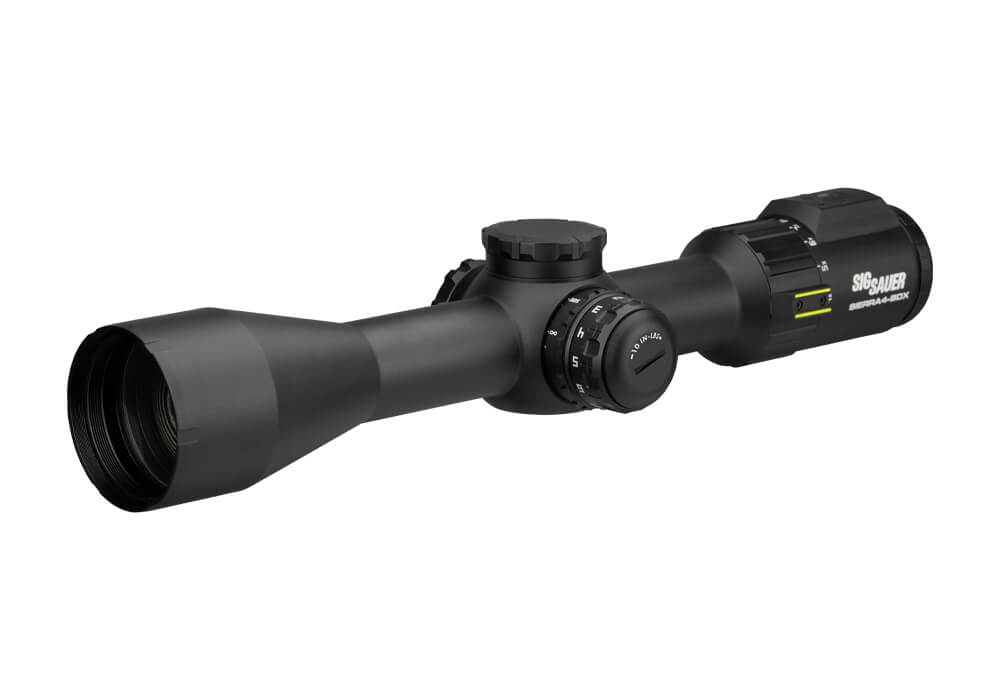
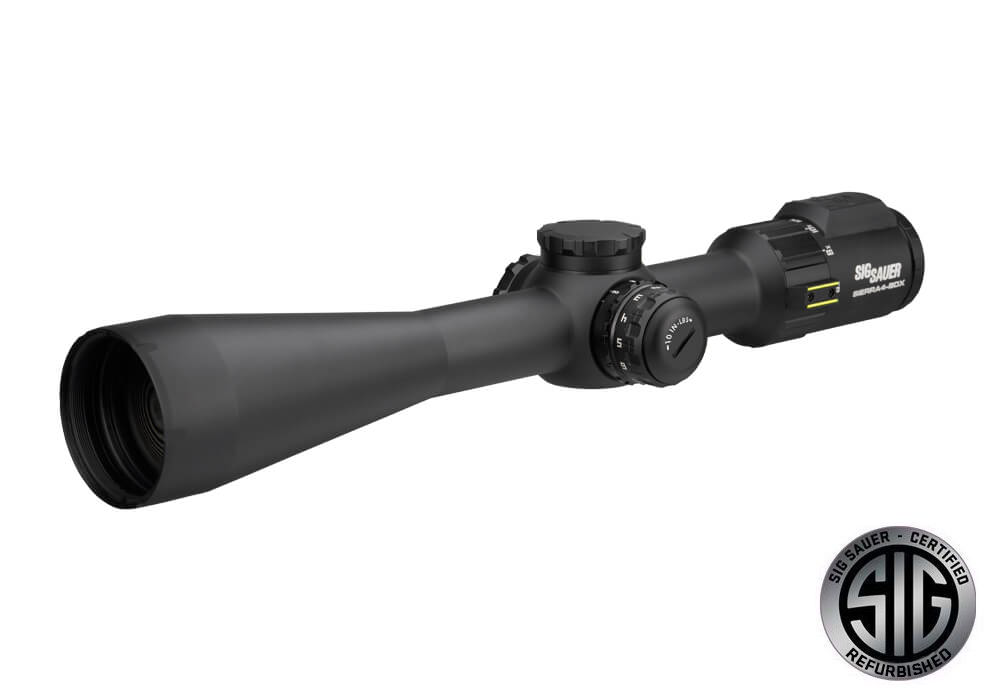
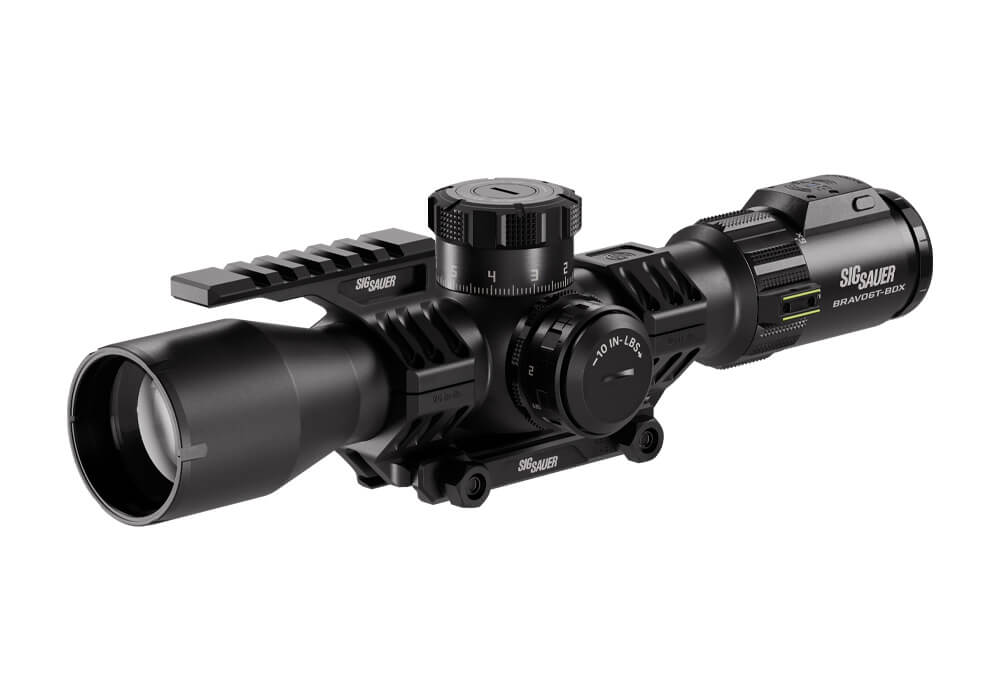
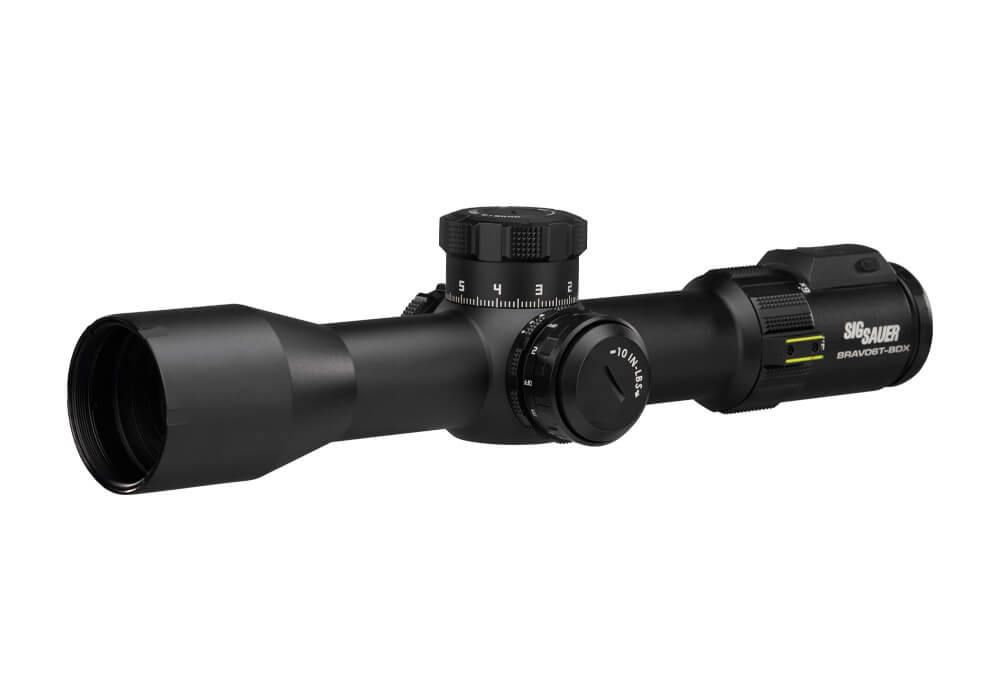
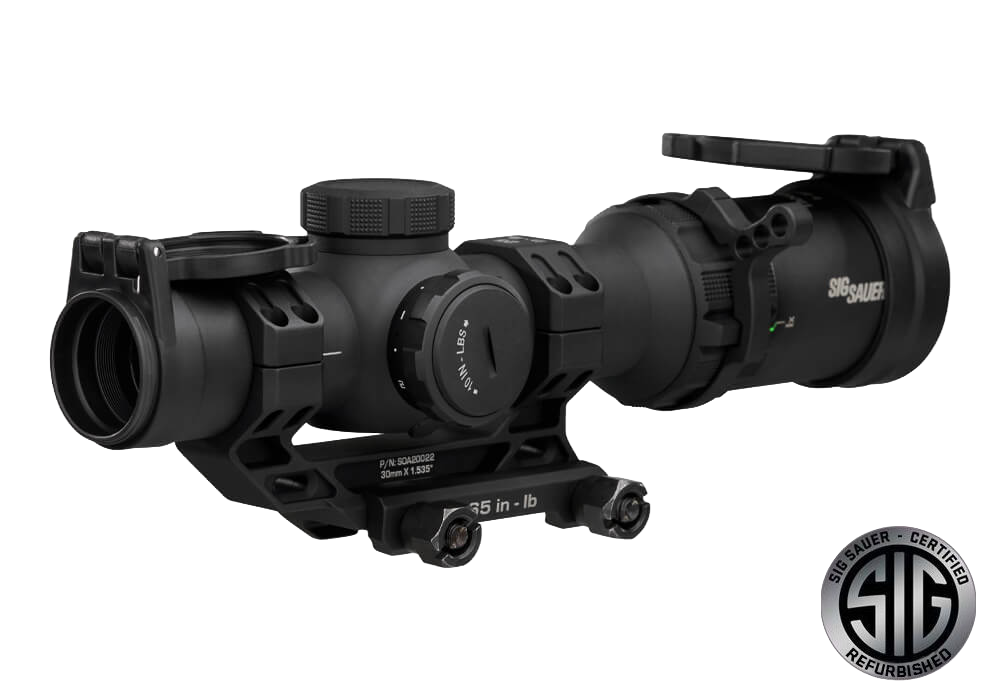
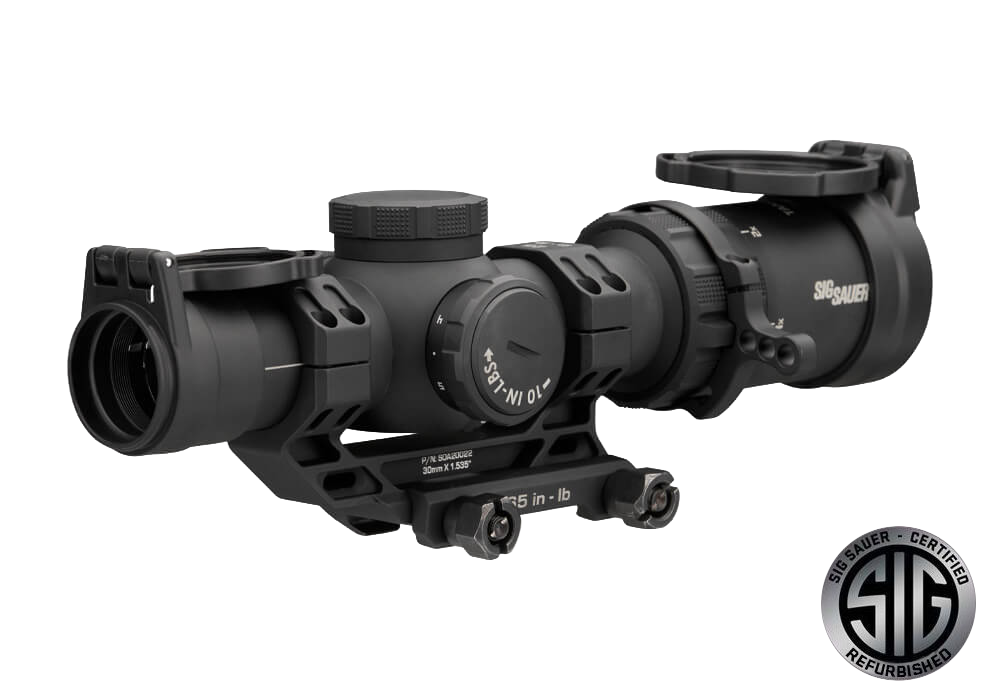
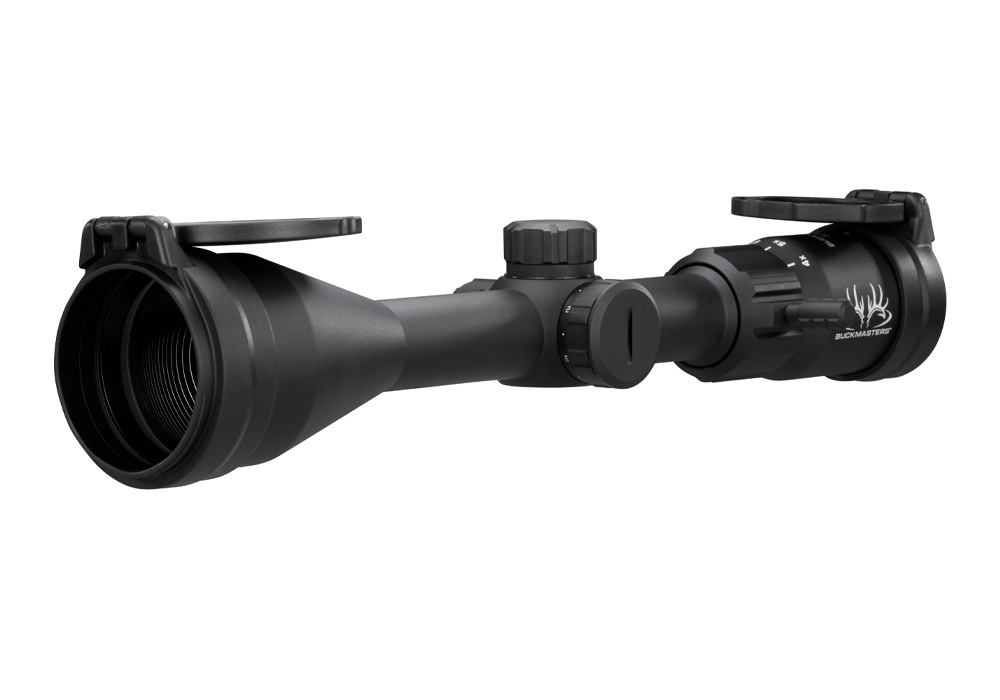
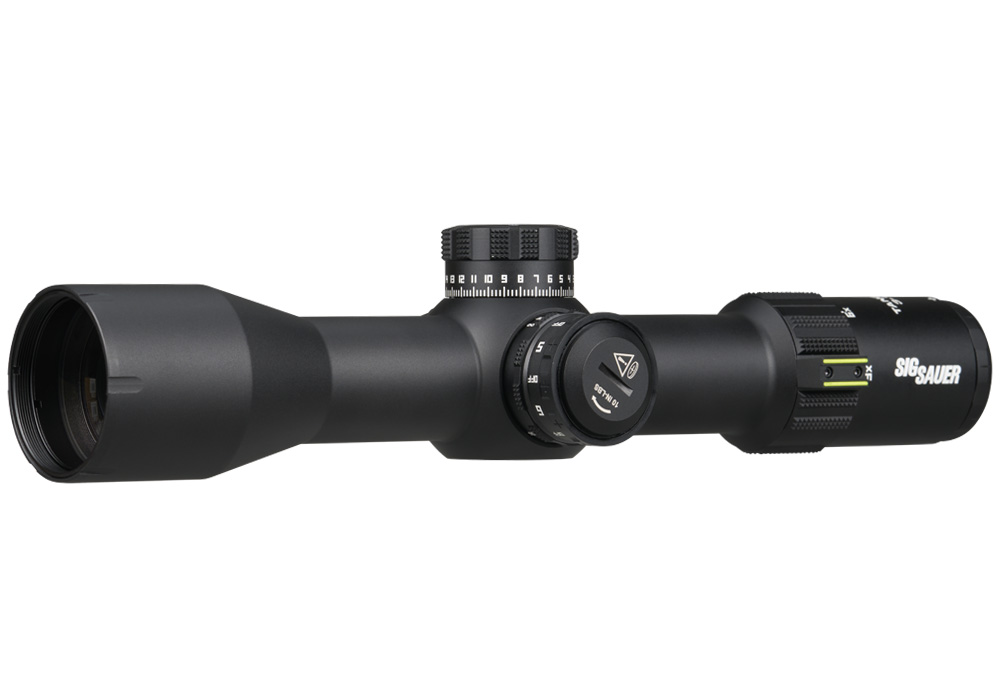
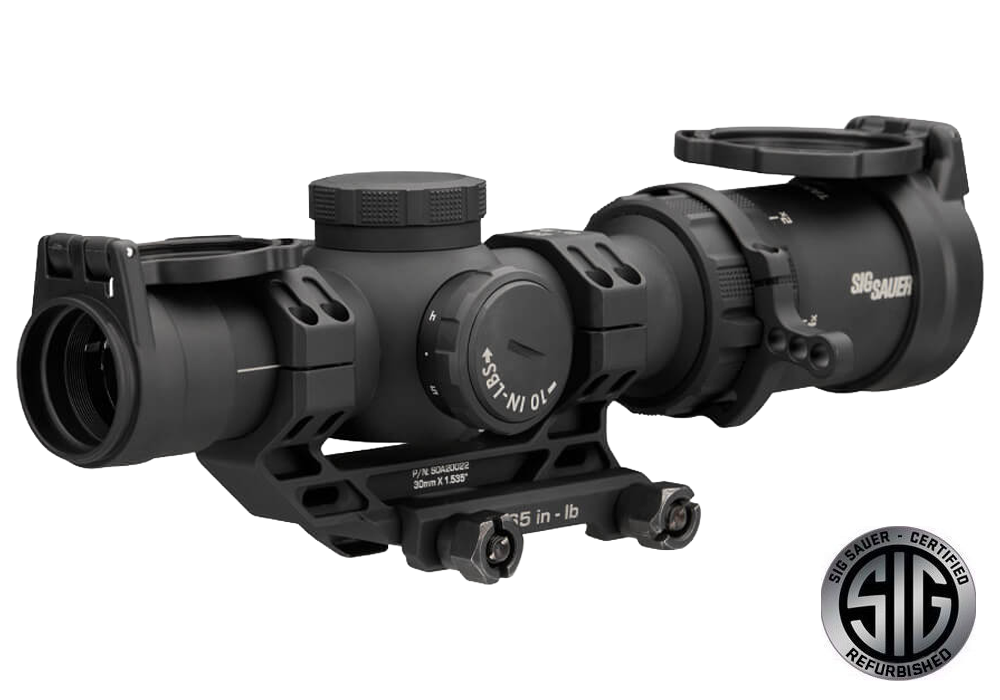
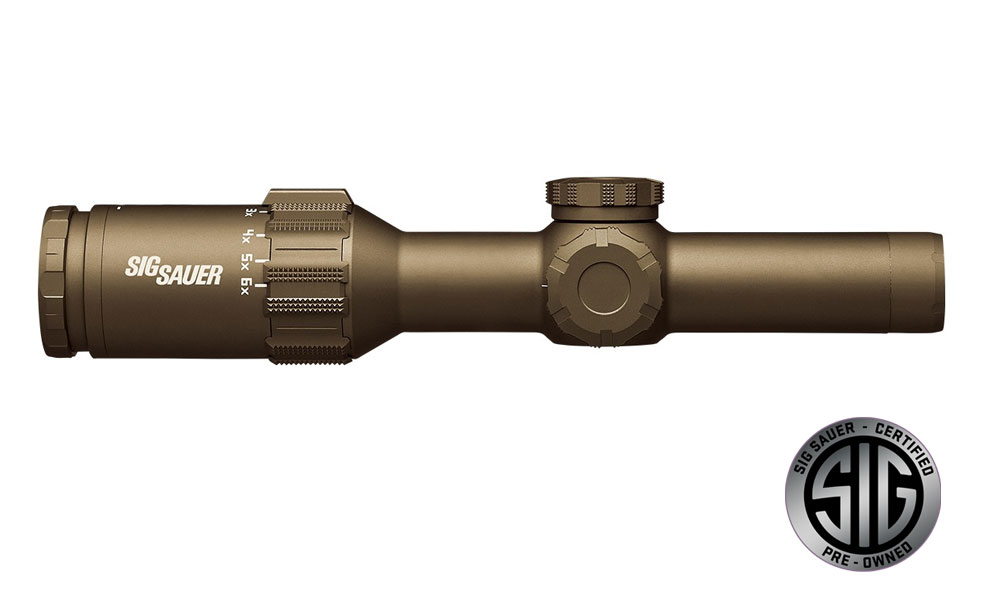
Riflescope brands serve a wide range of shooting needs, from straightforward hunting optics and versatile range scopes to specialized systems built for demanding precision work. The best choice depends less on a name alone and more on how the optic will be used, the rifle it will be mounted on, and the distances and conditions a shooter expects to encounter. A lightweight scope with a practical magnification range can be an excellent match for a hunting rifle carried through timber, steep terrain, or open fields, while a larger precision optic may be better suited to a rifle that spends most of its time on a bench or at a long-range firing line. Many respected brands offer several product tiers, including economical models for new shooters, mid-range optics with useful upgrades, and premium scopes designed around exceptional optical clarity, repeatable adjustments, and rugged construction. When comparing options, consider magnification, field of view, eye relief, objective size, reticle design, adjustment style, and overall weight. Lower magnification makes it easier to track movement and acquire a clear sight picture at closer distances, while higher magnification can help with careful shot placement farther away. Variable-power scopes offer flexibility between those extremes, which is one reason they remain popular among hunters, recreational shooters, and competitors alike. A well-chosen riflescope should feel like a natural extension of the rifle rather than an afterthought, giving the shooter a clear view, dependable aiming references, and controls that are easy to understand before the pressure of a real shot presents itself.
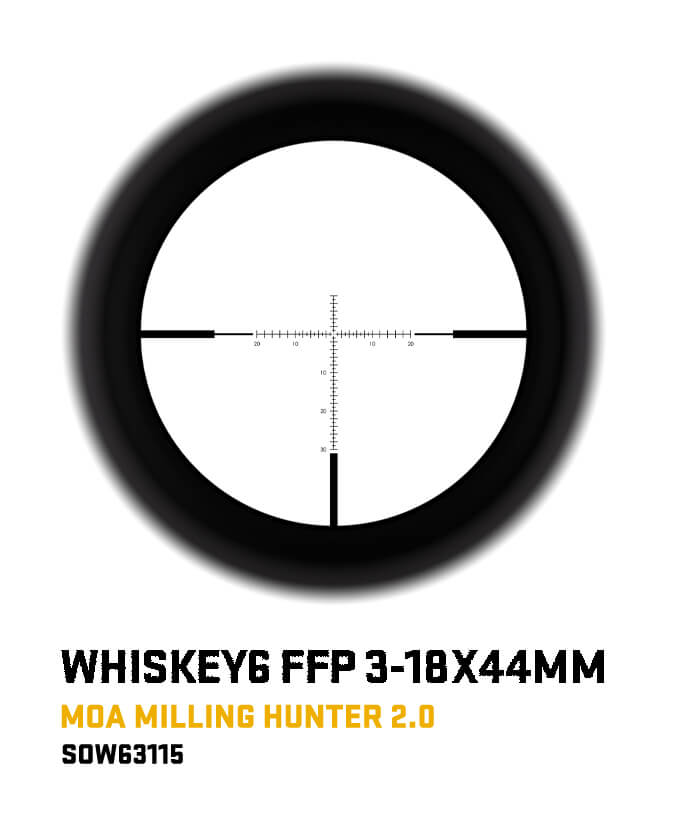
Reticle and focal-plane design deserve close attention because they influence how a scope behaves as magnification changes. A second focal plane reticle maintains a consistent apparent size, which many hunters appreciate for a clean, uncluttered sight picture at a commonly used magnification. A first focal plane reticle changes size with the image, allowing its markings to remain proportionate across the magnification range and making certain elevation or windage holds more intuitive when the scope is used at varying power settings. Neither arrangement is automatically right for every shooter; the better option depends on familiarity, intended distance, and whether rapid corrections or a simple aiming point matter most. Turret style is another practical consideration. Capped turrets help protect a hunting zero from accidental movement while traveling through brush or handling a rifle in the field, whereas exposed, tactile turrets may appeal to a range shooter who regularly dials for distance. Parallax adjustment, reticle illumination, zero-stop features, and clearly marked controls can all add value when they match the intended application. Optical performance also involves more than a bright view in a showroom. Edge clarity, contrast, glare control, and low-light performance become especially noticeable during the first and last minutes of legal shooting light, when a hunter may be scanning a shadowed tree line or watching a distant ridge as the air cools. A scope should also provide generous eye relief and a forgiving eye box, particularly on rifles with noticeable recoil. Matching the optic to the rifle’s mounting system is equally important; proper rings, a suitable base, correct torque, and careful leveling help the scope hold its zero and preserve the alignment established during sight-in. Following the manufacturer’s instructions and observing all applicable laws, range rules, and safe firearm-handling practices should remain part of every setup.
Riflescopes can be useful purchases for experienced hunters, new rifle owners, range enthusiasts, precision competitors, and anyone building a dedicated setup for practice and responsible field use. They can also make thoughtful gifts when the recipient’s rifle, mounting pattern, preferred shooting distance, and intended activity are known. A practical optic for a family member who enjoys autumn hunting may look very different from one chosen for a friend who spends cooler months refining groups at extended distances. If the scope is being given as a gift and those details are uncertain, accessories such as quality scope rings, a lens cover, a leveling tool, or a protective case may be safer choices than guessing at magnification or tube size. Before purchasing, confirm the rifle’s chambering and recoil characteristics, the available mounting space, and whether the optic’s dimensions will work with the stock and action. It is also worth considering how much equipment will be carried: a compact scope can preserve the balance of a mountain rifle, while a robust extended-range optic may offer more adjustment and viewing capability at the cost of additional weight. Shooters who move between wooded cover and open ground often favor versatile variable-power designs, while those who focus on a single distance or discipline may prefer a more specialized configuration. After installation, allow time for a careful sight-in session from a stable position, verify that adjustments move in the expected direction, and confirm the zero again after transporting the rifle or changing ammunition. Keeping lenses protected, using a soft cloth for cleaning, and storing the optic in a dry, secure place can help preserve its performance through changing conditions. For shooters seeking a more specialized selection, Performance Riflescopes can provide a useful starting point for comparing optics built around precision, durability, and demanding range or field applications.