RMR Slides
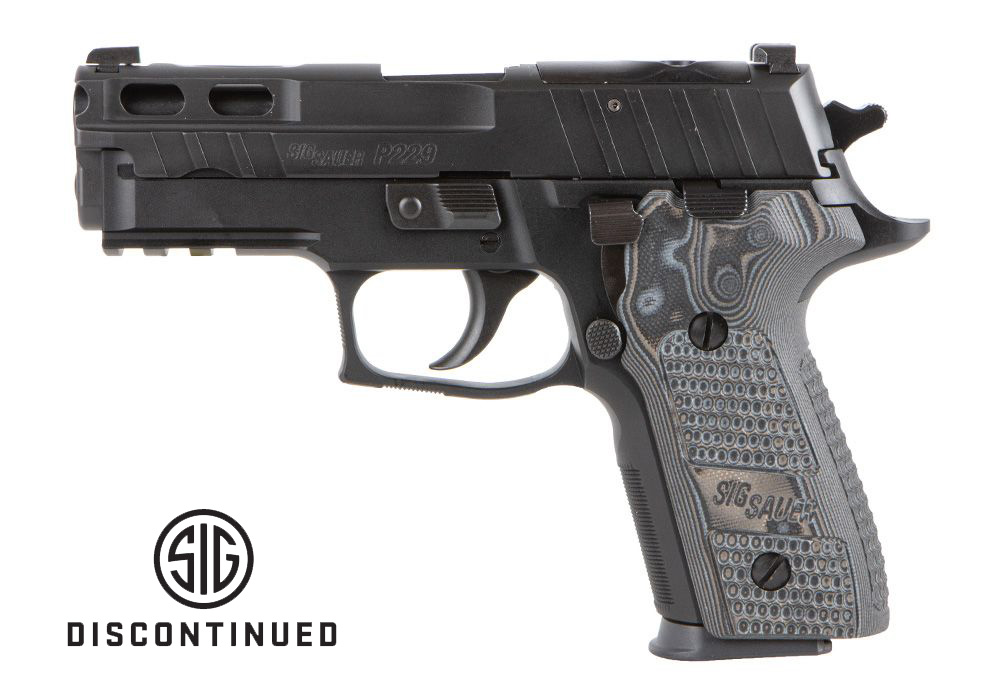
RMR Slides are handgun slides designed with a precision-cut optic pocket that accepts a reflex red dot sight using the RMR mounting footprint. This configuration gives shooters a direct, streamlined way to pair a pistol slide with a compact electronic optic, while preserving the familiar operating layout of a semiautomatic handgun. For many setups, the optic sits lower than it would with a universal adapter plate, which can simplify sight alignment and help maintain a natural presentation from the holster. A properly fitted RMR slide may also support co-witnessing, allowing the iron sights to remain visible through or alongside the optic window as a dependable reference if the optic is turned off or its battery needs attention. Available configurations can include a stripped slide for builders who already have the necessary internal components, or a more complete option for those seeking a straightforward installation path. Before selecting one, confirm the exact handgun model, generation, slide length, barrel fit, recoil assembly requirements, optic footprint, and sight-height needs. Small differences between otherwise similar handgun variants can affect compatibility, and the mounting screw length must match the slide and optic combination precisely. Reviewing the technical specifications and consulting a qualified gunsmith can help prevent fitment issues, especially when replacing an original slide or assembling a customized pistol. Browse related Slide Parts to compare components that may complement a slide project, including items that support a complete and reliable installation.
An RMR slide can suit a range of responsible handgun owners, from experienced shooters refining a training pistol to those assembling a dedicated range setup with a modern aiming system. It may also be a thoughtful gift for an enthusiast who enjoys carefully planned upgrades, provided the recipient’s handgun model and optic preferences are known in advance. A slide selected as a gift should never be based on appearance alone; compatibility is the central consideration, and a quick look at the recipient’s exact model or a discreet conversation about their setup can save considerable time. When comparing options, examine the optic cut dimensions, finish, serration pattern, front and rear sight arrangement, extractor compatibility, firing-pin channel details, and any included hardware. The finish should suit the intended environment and maintenance routine, while the exterior profile should work comfortably with the recipient’s preferred holster. After installation, the optic should be secured with the correct fasteners and torque settings, then zeroed at a practical distance using consistent ammunition and a stable rest. It is wise to confirm that the optic remains secure after an initial range session and to inspect the screws, battery compartment, and sight picture as part of a regular maintenance routine. Shooters transitioning from iron sights often benefit from dry practice with an unloaded firearm in a safe setting, focusing on presenting the pistol consistently and finding the illuminated aiming point without chasing it across the window. Live-fire practice can then build confidence through slow, deliberate groups before moving to defensive or timed drills. During the cooler months, changes in clothing layers, gloves, and holster access can influence how a pistol is carried and presented, so training should reflect the clothing and equipment used in everyday life. Keep the firearm secured according to local requirements, follow all applicable laws, use appropriate eye and ear protection at the range, and rely on a qualified professional for fitting or inspection when the installation involves parts compatibility, slide assembly, or any uncertainty about safe operation.