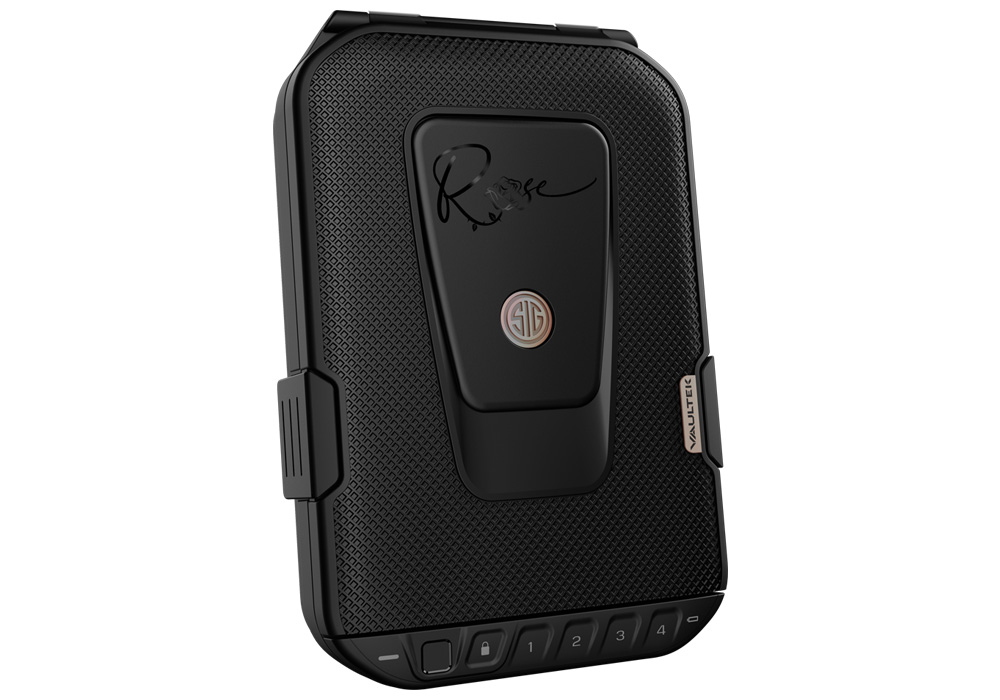
Safes for Mother’s Day offer a practical way to give something personal: a dedicated, lockable place for the belongings Mom would most want to protect. A home safe can hold jewelry, cash, passports, family records, and small keepsakes, while a safe intended for firearm storage serves a different purpose and deserves its own careful selection. The best fit depends on what she plans to store, where the safe will live, and how she prefers to open it. Compact electronic and biometric safes can be convenient for everyday valuables, while larger designs may better accommodate document folders, jewelry organizers, or several categories of belongings. Think of the necklace she takes off before gardening, the envelope of family birth certificates, or the watch inherited from someone she loves. These objects have different dimensions and different meanings, but each benefits from a consistent storage spot rather than a rotation of dresser drawers and closet shelves. For a mother who travels, manages household paperwork, or wants to keep treasured pieces separate from everyday clutter, a thoughtfully chosen safe can feel surprisingly personal. Appearance matters, too, especially when the safe will sit somewhere visible. A finish that fits the room and a door that opens comfortably in the available space can make it easier to incorporate into her routine. Still, color and styling are finishing touches, not substitutes for suitable construction and security features. A gift like this works best when it reflects an actual preference rather than an assumption about what every mother needs. Some recipients appreciate a small, discreet place for a few essentials; others have been wanting to organize years of paperwork and family mementos. Mother’s Day gives that long-considered purchase a meaningful occasion, whether the gift comes from a partner, adult children, or several family members contributing together.
When comparing Mother’s Day safes, begin with usable interior space rather than exterior size alone. Thick walls, door hardware, interior compartments, and shelves can leave less room than the outside measurements suggest. A passport and a ring box need little space, but a full-size document folder should fit without bending its contents, and a jewelry tray needs enough clearance to slide out comfortably. Allow room for the items she is likely to add over time without choosing a safe so large that it becomes difficult to place. Entry methods also shape the ownership experience. An electronic keypad avoids the need to carry a key for routine access, while a fingerprint reader may suit someone who prefers biometric entry. Neither feature by itself establishes how well a safe resists forced entry, and both require attention to the manufacturer’s setup, power, and maintenance instructions. Key-operated designs have their own appeal, provided the keys can be kept secure and separate from the safe. For any locking system, consider the documented backup access method and how the owner would use it if the usual entry method were unavailable. Inside, adjustable shelves, soft liners, and lighting can make small valuables easier to organize and locate, but these features vary by model. Security and environmental protection should be evaluated separately. A lockable steel enclosure is not automatically fire-resistant or water-resistant, and a protective pouch does not establish a fire rating for the safe around it. Look for clearly documented testing, including the duration and conditions of any stated protection, and check whether those conditions suit paper records, jewelry, or electronic storage media. Weight alone is not a complete measure of security, either. Construction, locking hardware, independent testing where available, and proper installation all contribute to the overall choice. A clear warranty and accessible support are worthwhile considerations for a gift intended to remain useful for years.
Placement is often the detail that turns a promising gift into a good everyday fit. Before selecting a home safe, consider the path to its intended location, the strength of the supporting surface, and the clearance needed to open the door fully. A closet shelf may look spacious until a door swings into the wall; a bedside location may be convenient but unsuitable if the safe cannot be secured as directed. Smaller safes can be easier to position, yet their portability makes proper anchoring especially important. Check the manufacturer’s mounting requirements and the household’s installation options, including any rental restrictions, before committing to a design. For heavier safes, delivery arrangements and professional installation may be part of the purchase rather than an afterthought. If Mom owns firearms, select storage intended for that purpose instead of assuming that a general valuables safe is suitable. Interior dimensions, compatible mounting, dependable locking, and measures to prevent unauthorized access deserve priority. Firearms should be stored unloaded and locked, with ammunition secured separately, in accordance with applicable laws and the manufacturers’ instructions. Keys, access codes, and backup entry tools also need secure storage, particularly in homes where children live or visit. A safe is one part of responsible storage, not a replacement for safe handling or household education. For a gift recipient, having a say in these details can be more valuable than the surprise of an unopened box. You might agree on the style and location together, then let her establish her own credentials and arrange the interior privately. If travel organization is also on her wish list, Bags For Mother's Day offers a related gift theme, although a bag serves a different role from secure home storage. The most thoughtful safe is ultimately the one that suits her belongings and habits: enough usable room, an entry system she is comfortable operating, protection supported by clear documentation, and a place in the home where it can be installed correctly. Those practical details give a Mother’s Day gift lasting relevance well beyond the occasion.