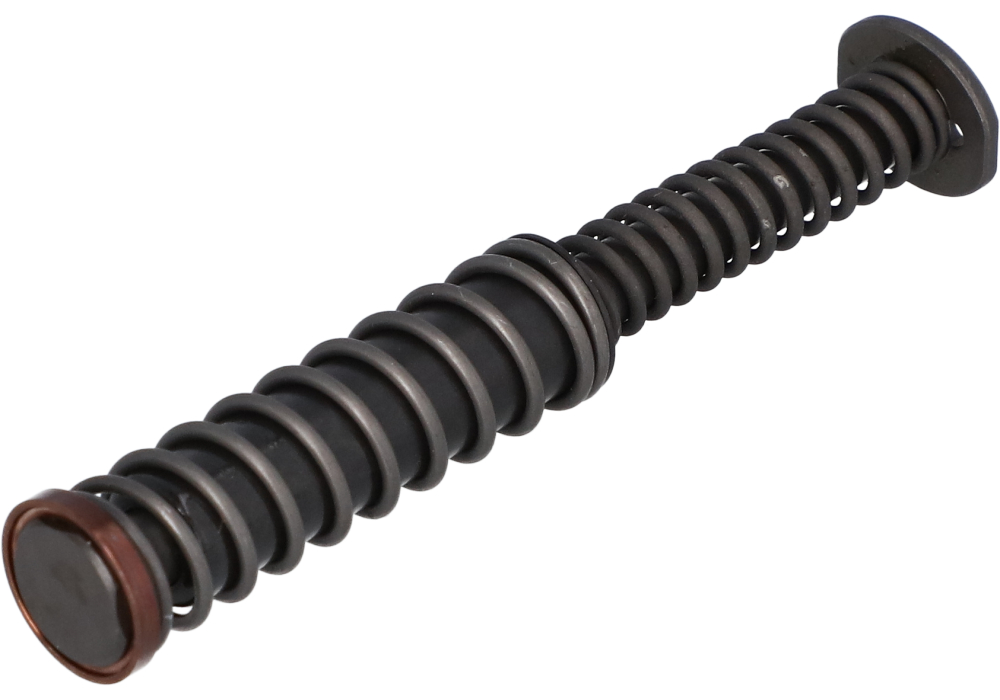
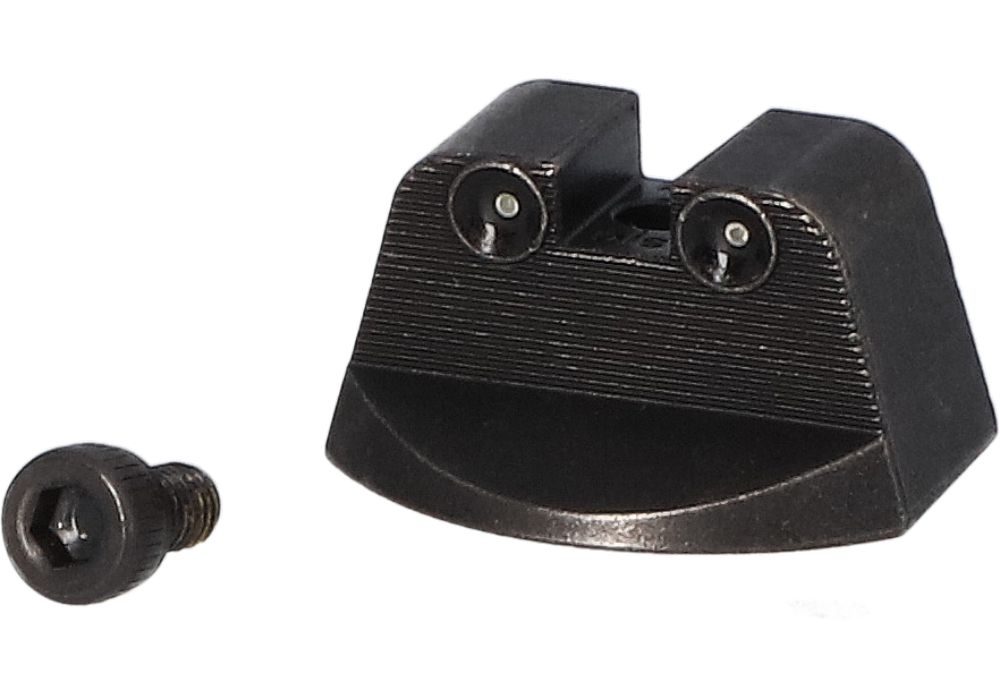
Semi-auto gun parts are replacement components and assemblies for semiautomatic firearms, which fire one round with each separate trigger pull and use energy from firing to cycle the action and chamber the next round. This operating pattern distinguishes a semiautomatic firearm from a manually operated firearm and from one that continues firing while the trigger remains held. The category spans several firearm platforms, so “semi-auto” describes how a firearm operates rather than a universal parts family. Components associated with the barrel, slide or receiver, operating assembly, grip, and controls serve different roles, and their suitability depends on the firearm’s exact specifications. For an owner maintaining a familiar range firearm, the practical goal is often straightforward: preserve proper function, replace a worn component, and retain the handling characteristics established through regular practice. A similar appearance does not establish compatibility. Model designation, generation, configuration, and manufacturer documentation can all matter, even when two firearms share a common family name. Dimensions, attachment points, and the relationship between adjacent components help determine whether a part belongs on a particular platform. A component intended for a compact firearm, for example, should not be assumed to fit a larger version simply because the controls look familiar. Clear compatibility information is more useful than a broad claim that a component fits an entire category. Factory specifications provide an important reference when replacing an original component rather than changing the firearm’s configuration. For shoppers comparing semi-auto gun parts, precise fit information keeps the focus on the firearm actually owned and the maintenance need at hand. That attention is especially relevant when a firearm has an uncertain service history or a previous owner has changed components. Existing markings and maintenance records can help establish what is present, while a qualified gunsmith can assess questions that a product description alone cannot resolve.
Materials, surface treatments, and manufacturing tolerances influence how firearm components hold up through repeated use and routine maintenance. Steel is common where strength, wear resistance, and dimensional stability are important. Aluminum alloys can serve structural roles where weight also matters, while reinforced polymers appear in components designed around their particular combination of resilience, weight, and shape. No material is automatically the best choice for every application; its suitability depends on the component’s purpose and the firearm’s design. Likewise, a dark finish or polished surface says little by itself about compatibility or service life. Protective treatments can help resist corrosion and surface wear, but their properties vary, and they do not eliminate the need for proper care. Edges, contact surfaces, and areas exposed to handling may show different wear patterns over time. A finish that looks worn is not necessarily evidence of a functional problem, just as an unmarked exterior cannot confirm that a component is mechanically sound. For receiver-related maintenance needs, Semi Auto Upper Receiver Parts offers a more focused category within the broader subject of semiautomatic components. Terminology and assembly design differ across platforms, making the stated application more important than the category name alone. Fit involves more than whether a component can physically occupy a space: correct relationships between adjoining parts are essential to intended operation. Components that require force, alteration, or guesswork warrant professional evaluation rather than an assumption that they will settle into place with use. Routine care should follow the firearm manufacturer’s instructions, including guidance on suitable cleaning products, lubrication, inspection, and storage. Harsh chemicals, abrasive treatment, or incompatible maintenance products can affect certain materials and finishes. Dry, secure storage and protection from persistent moisture support long-term condition, including for spare components kept separately. Organized packaging and readable identification also help prevent similar-looking parts from being confused during later service.
Intended use helps put those considerations into perspective. Someone who takes the same firearm to a supervised range every few weeks may value continuity above all else: familiar controls, a consistent feel, and components that match the original configuration. A frequent recreational shooter may pay closer attention to documented service intervals and inspection history because repeated use creates different maintenance demands than occasional outings. Competitive participants and instructors may also need dependable maintenance records for firearms used regularly, without assuming that every replacement component is suitable for every discipline or setting. Across these situations, durability means more than resistance to visible scratches. It includes retaining the dimensions and material properties required for the component’s intended role throughout an appropriate service life. No replacement part can compensate for unresolved damage elsewhere in an assembly, and replacing one visibly worn component does not establish the condition of the entire firearm. Professional inspection is particularly valuable when wear is unusual, function has changed, or the relationship between existing components is uncertain. On the range bench, small practical details matter as well: a clearly labeled package, a recorded part number, and an accurate service date can be more useful later than a component remembered only by its appearance. Keeping documentation with maintenance records helps an owner distinguish an original part from a later replacement and communicate clearly with a service professional. Gun parts can also be thoughtful gifts for an experienced enthusiast when the recipient’s exact requirements are known. Compatibility-sensitive components are best chosen from confirmed information rather than a general impression of what the recipient owns. Grip feel, control placement, and other personal preferences may be difficult for someone else to predict, while internal service needs may not be visible at all. Whether selected for personal maintenance or a recipient with a clearly identified need, semi-auto gun parts deserve the same attention to fit, documentation, and responsible ownership as the firearm they support. The strongest choice is a component suited to its documented application, cared for according to manufacturer guidance, and evaluated by a qualified professional whenever fit or condition is uncertain.