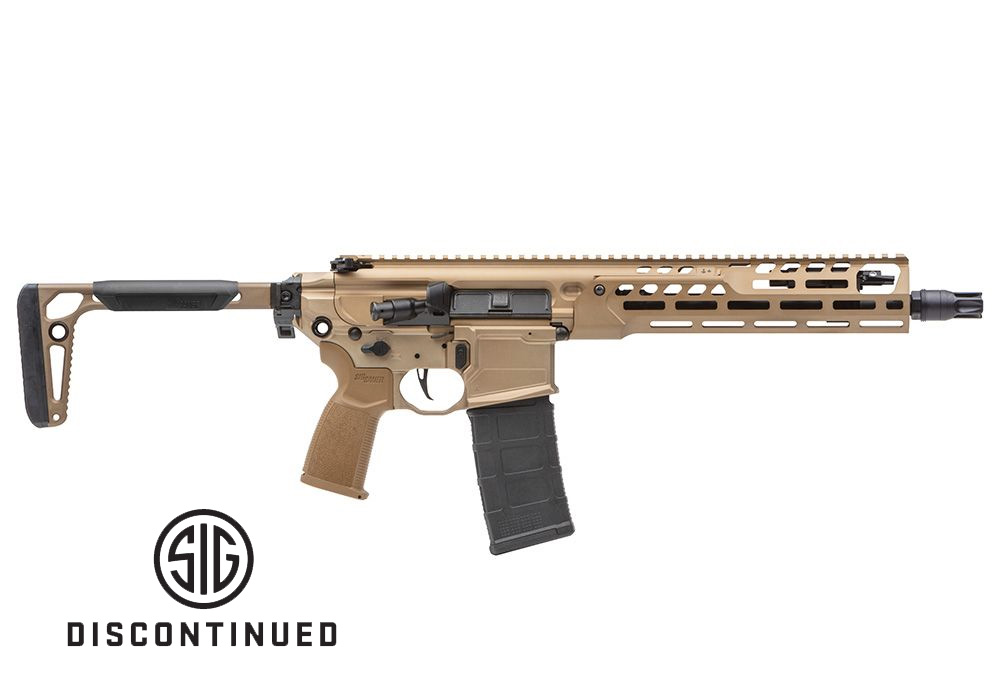
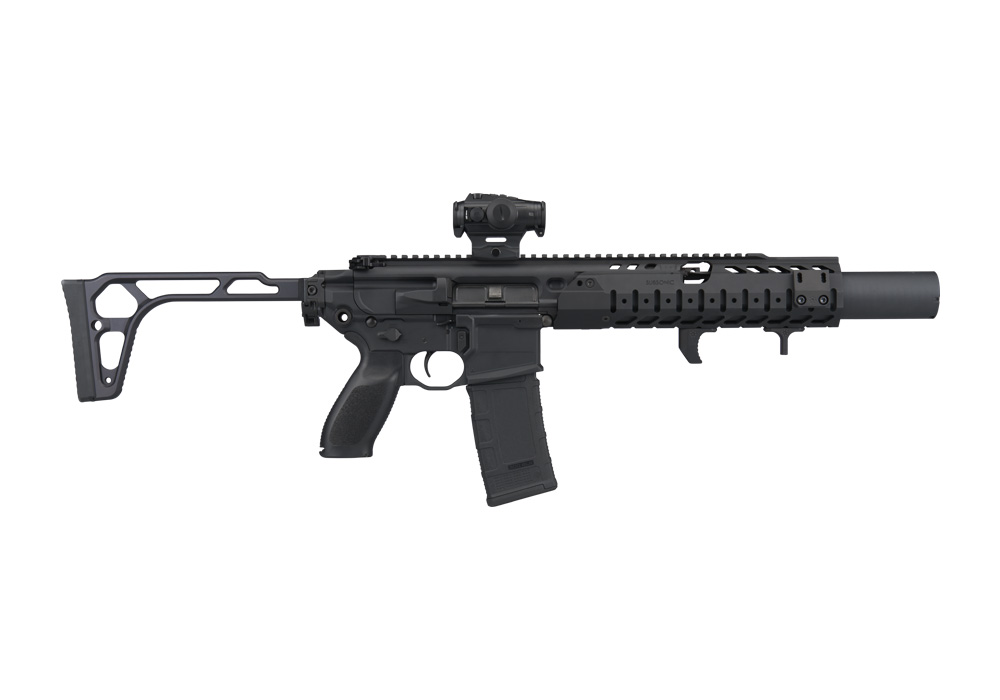
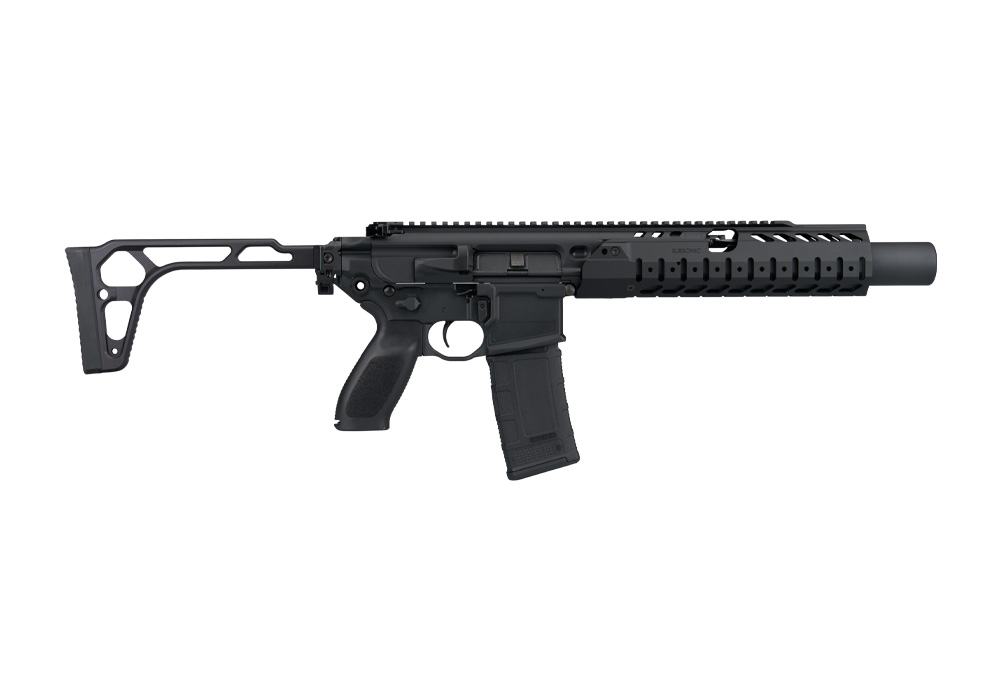
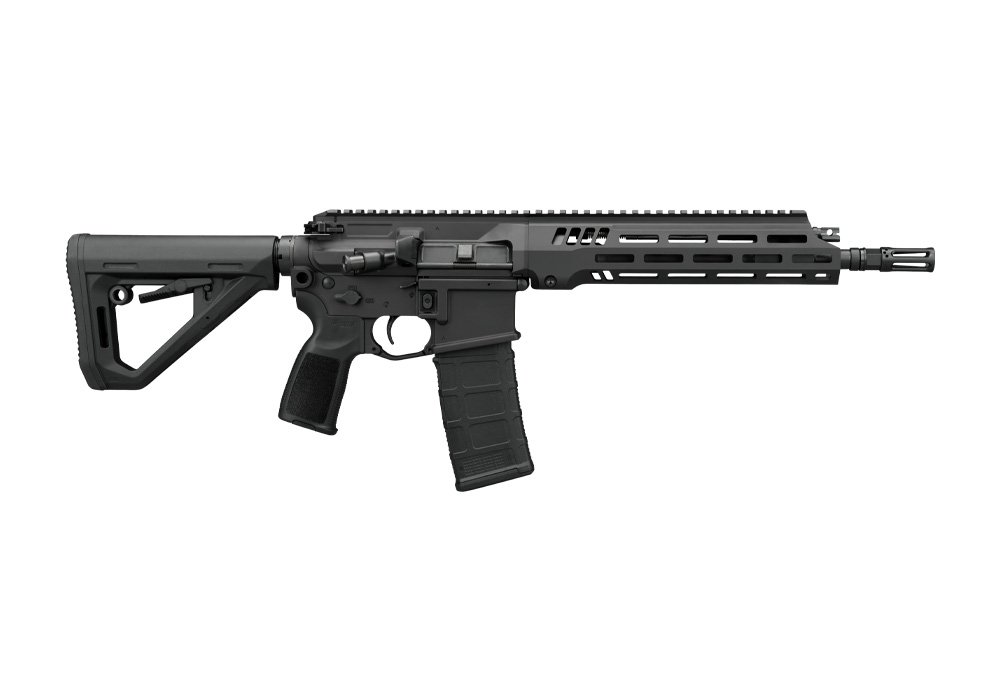
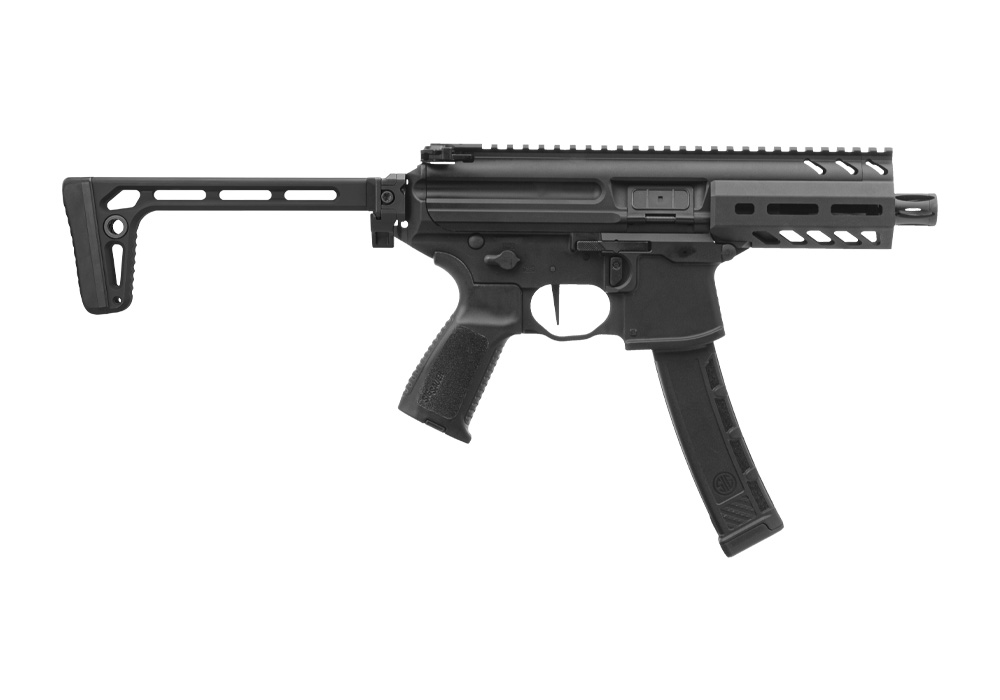
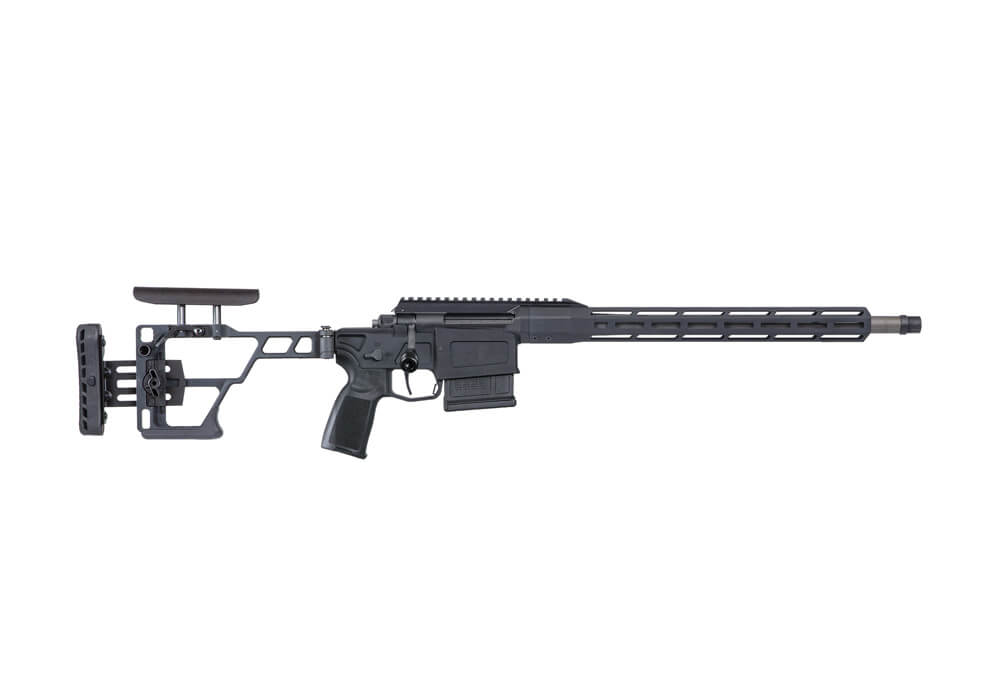
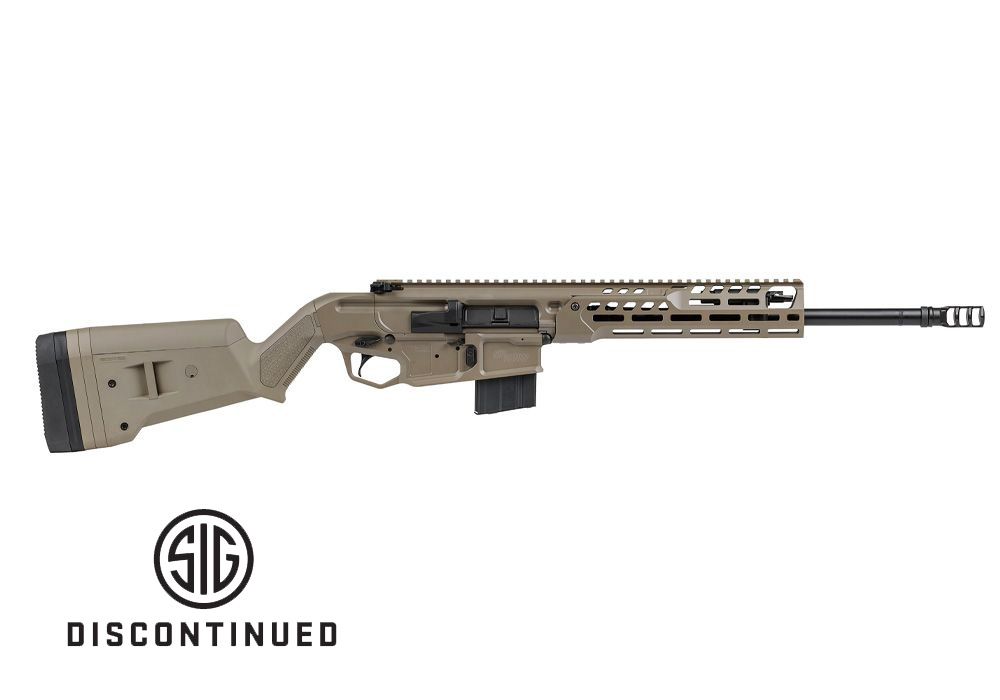
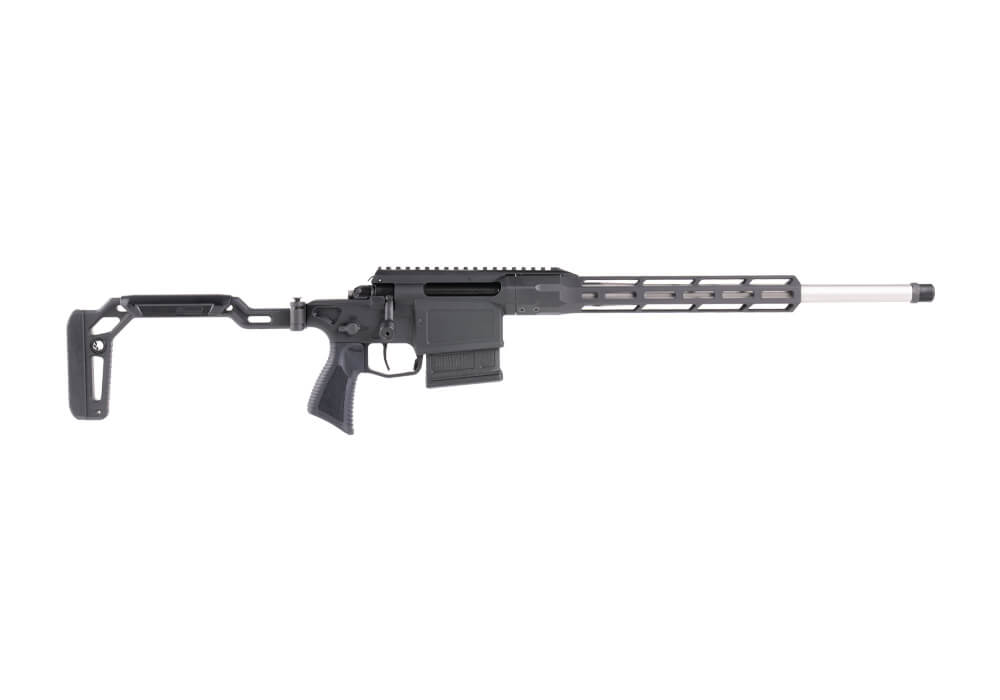
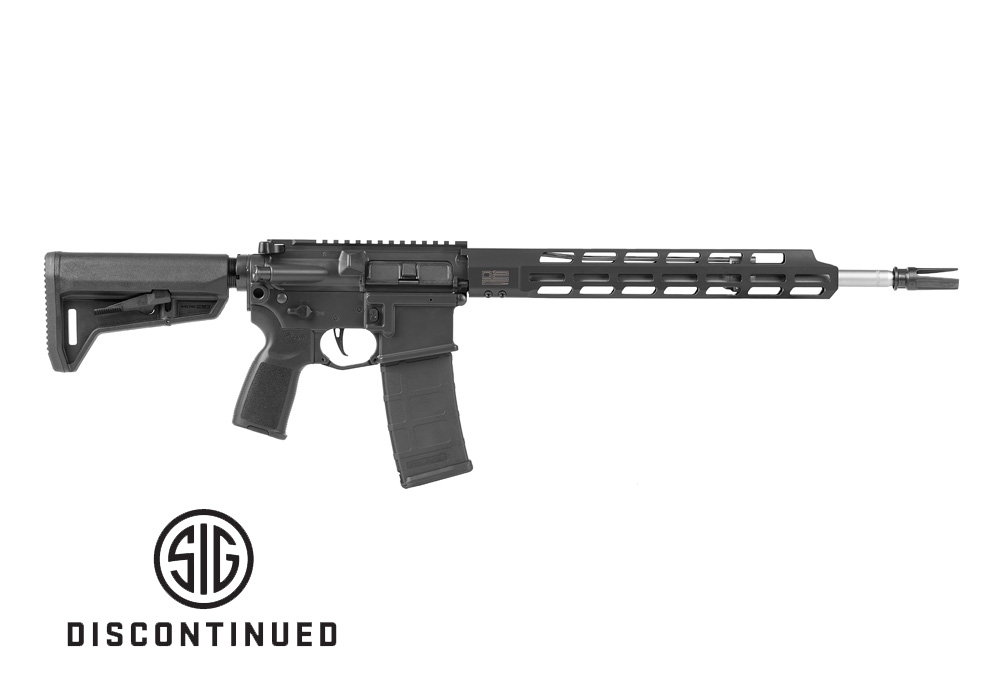
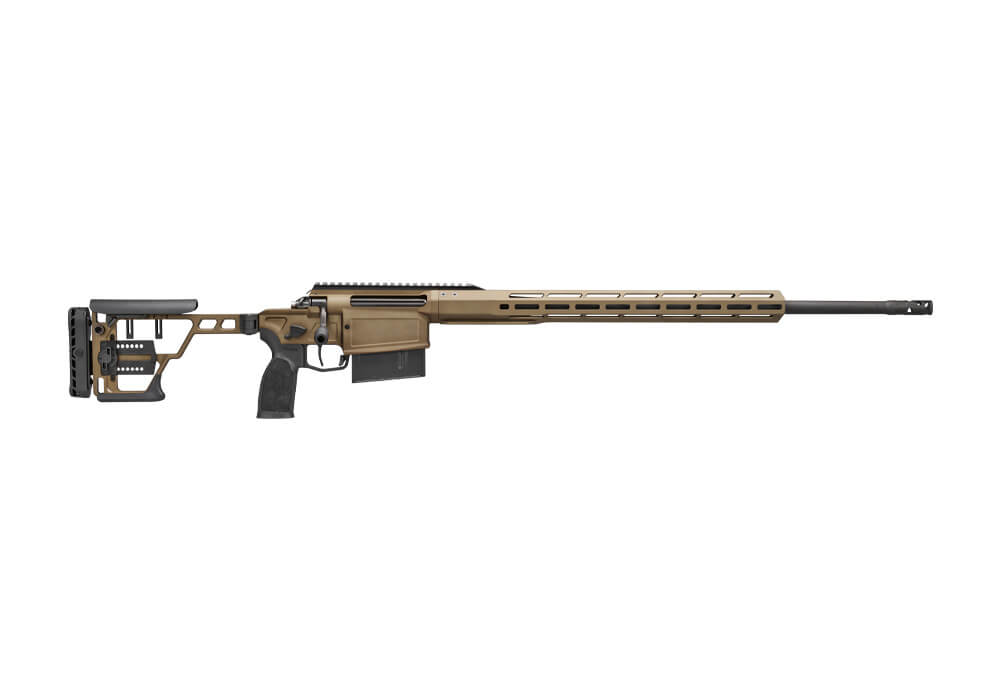
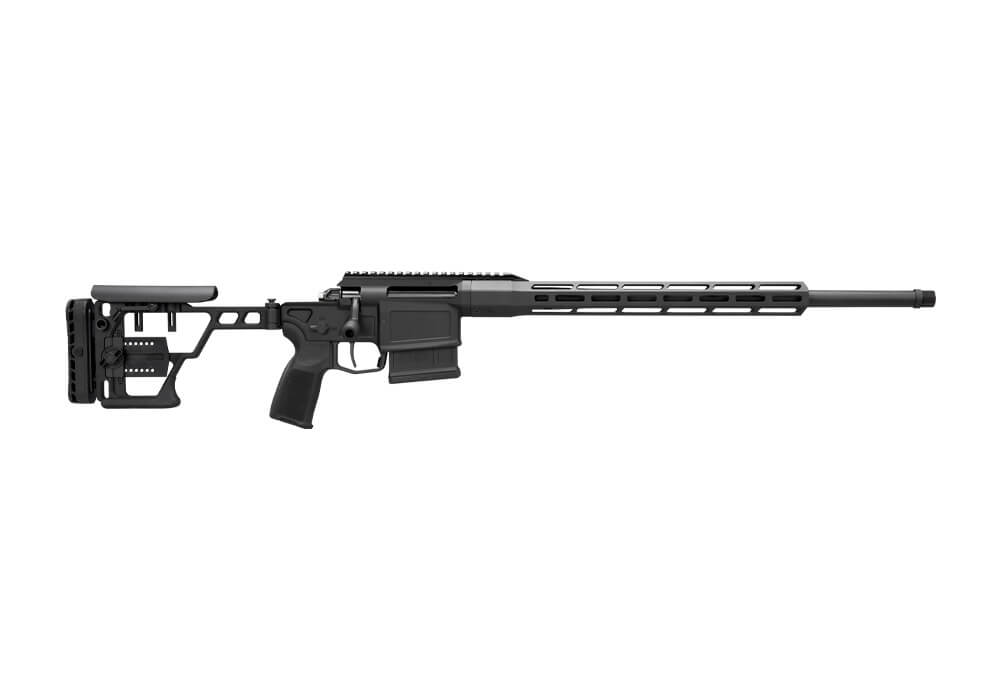
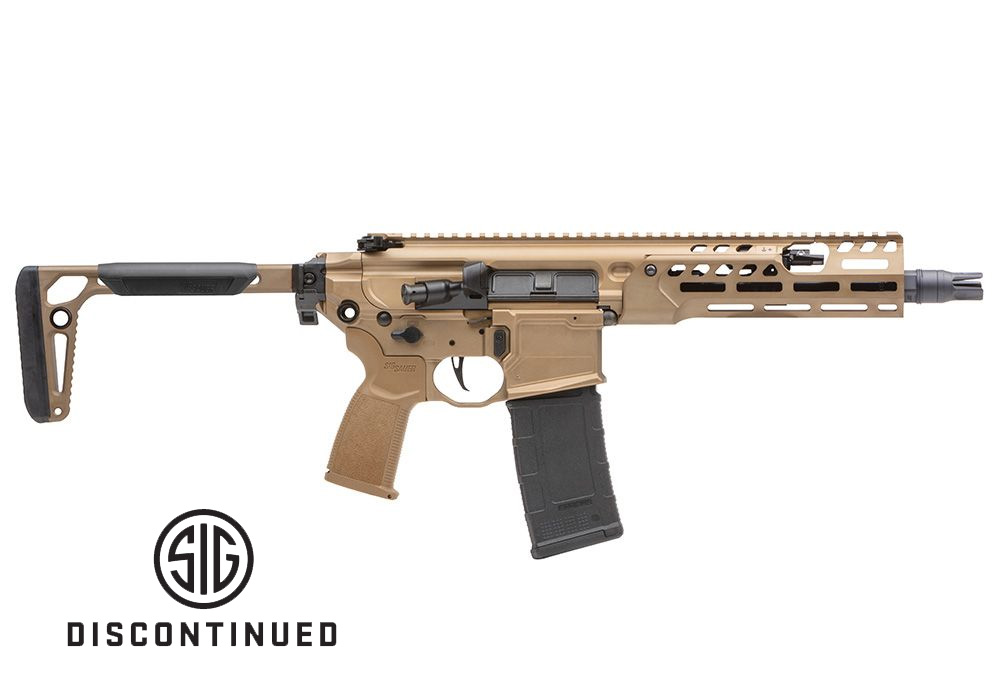
Short-barreled rifles for fall hunting bring compact dimensions to a setting where carrying comfort, brush clearance, and practical handling matter. A shorter overall profile can feel less cumbersome along narrow woodland paths, around tangled branches, or when carried with a daypack and layered clothing. That appeal is especially relevant to hunters who spend substantial time walking timbered country rather than watching an open field from a fixed position. Compactness, however, is only one part of a suitable hunting firearm. Total weight, balance, stock dimensions, cartridge suitability, and the conditions of the hunt all deserve consideration. A short barrel does not automatically produce a lightweight rifle, and two rifles with similar barrel lengths can feel quite different because of their construction and weight distribution. The terminology also warrants care: a compact hunting rifle is not necessarily a legally classified short-barreled rifle. Under federal law, rifles with barrels shorter than 16 inches generally fall within that classification, while overall length and configuration can also affect legal status. A rifle with a 16-inch barrel is not automatically an SBR. Additional federal requirements apply to regulated short-barreled rifles, and state and local restrictions may differ. Hunting rules can separately limit firearm types, cartridges, and permitted uses, so legal ownership does not by itself establish that a firearm is lawful for a particular hunt. Within those boundaries, a compact rifle may suit experienced hunters seeking manageable dimensions for wooded terrain, provided its characteristics match the intended game and setting. Dense cover does not eliminate the need for a clear view of the animal and a safe background, nor does a shorter firearm turn an obstructed opportunity into an acceptable shot. For fall hunting, the strongest starting point is a realistic picture of the terrain, the likely carrying conditions, and the responsibilities associated with the firearm—not barrel length considered in isolation.
Materials and construction influence how a hunting rifle feels after several hours outdoors and how well it tolerates repeated exposure to moisture, grit, and routine use. Barrel steel, receiver materials, stock construction, and exterior finishes each contribute to the overall package. Aluminum receivers can help limit weight in suitable designs, while steel components provide strength in areas subject to substantial mechanical stress. Neither material alone determines durability; engineering, finish quality, and appropriate maintenance matter as well. Synthetic stocks generally resist moisture-related dimensional changes and can be practical around wet leaves, damp ground, and persistent drizzle. Wood stocks offer a traditional feel and appearance, with attention to the protective finish helping preserve their condition. Stainless steel and protective surface treatments can improve corrosion resistance, but no firearm should be treated as immune to rust. Moisture can remain beneath a sling, along exposed metal surfaces, or inside a case long after the walk back from the woods. Care should follow the manufacturer’s instructions, with the firearm unloaded before inspection or cleaning and ammunition kept separate from the work area. After wet conditions, appropriate drying and maintenance help protect both exterior surfaces and internal components. Fit deserves the same attention as finish. Stock length, grip shape, fore-end dimensions, and the location of controls affect whether a rifle feels comfortable rather than cramped. A jacket that seems unobtrusive on a trail can change how a stock rests against the shoulder, while gloves can alter the feel of controls. These are practical considerations for evaluating fit safely, not reasons to accept an awkward or unfamiliar firearm. Balance matters, too: a rifle that feels pleasant during a brief inspection may become tiring over a long walk. Consider the complete carrying arrangement, including a suitable sling and any lawful accessories, rather than relying on a bare-weight figure alone. Comfort supports careful handling, but it never replaces consistent muzzle awareness and keeping the trigger finger outside the trigger guard until ready to fire.
Intended use should remain the deciding factor when comparing short-barreled hunting rifles with other compact options. A wooded property with short walking routes presents different demands from a full day crossing broken country, and a sheltered hunting position presents different carrying concerns from an exposed ridge. Shorter barrels can affect velocity and muzzle blast, so compact dimensions should not be treated as a promise of identical performance to a longer-barreled rifle. Nor does barrel length alone establish accuracy, recoil characteristics, or suitability for a particular game animal. Those questions depend on the complete firearm and its intended ammunition, with manufacturer information and applicable hunting regulations providing essential reference points. Responsible selection also means recognizing personal limits and choosing opportunities that support a clear, lawful, humane shot. Familiarity gained through safe, supervised practice can help a hunter understand a firearm’s operation before taking it into the field, without turning the hunt into a first encounter with unfamiliar controls. Appropriate eye and hearing protection remain important, including when evaluating a rifle before hunting season. For a broader comparison of compact and conventional configurations, Fall Hunting Rifles provides a related category to consider alongside the specific requirements of regulated short-barreled firearms. Hunters returning to familiar woods may value a manageable carrying profile, while those planning a different type of hunt may find that another configuration better serves the terrain and legal requirements. If a firearm is being considered as a gift for an experienced hunter, personal fit, the recipient’s preferences, and lawful transfer procedures deserve more attention than surprise. Secure storage is equally important, with unauthorized access prevented and ammunition stored appropriately. A suitable hunting rifle should fit into a responsible routine from transport and field use through cleaning and storage. Compact size can be a useful attribute within that routine, but dependable construction, comfortable fit, legal suitability, and sound judgment give it lasting value.