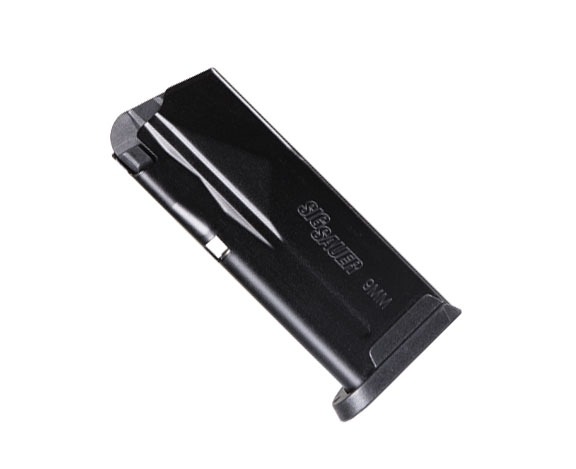
Steel magazines hold ammunition in a durable metal body and present cartridges to a compatible firearm through a spring, follower, and carefully shaped feed lips. Their appeal centers on structural rigidity, resistance to everyday wear, and the familiar feel of a metal magazine. For anyone comparing steel magazines with aluminum or polymer alternatives, the main considerations are firearm compatibility, construction, corrosion protection, weight, and overall condition. No single material guarantees reliable feeding; the relationship between the magazine’s dimensions, internal components, ammunition, and firearm matters just as much as the body material. Steel offers useful strength in relatively thin sections, allowing magazine bodies and feed lips to maintain their shape under ordinary handling. That does not make steel immune to damage. A dent, distorted feed lip, or damaged floorplate can affect function even when the exterior still looks serviceable. Carbon steel and stainless steel also have different care requirements. Carbon steel commonly relies on a protective finish to help limit corrosion, while stainless steel provides corrosion resistance through its alloy composition. Stainless steel is not rustproof, and either type benefits from appropriate cleaning and storage. Surface treatments can influence wear resistance and how easily residue wipes away, but finish color alone does not reveal the underlying material or quality. Compared with similarly sized aluminum or polymer designs, steel magazines often weigh more, a difference that becomes noticeable when several are packed into a range bag. Actual weight depends on dimensions, wall thickness, and internal construction, so material alone does not tell the whole story. For recreational shooters, instructors, and competitors, steel can be an appealing choice when a rigid body and durable handling surfaces suit the intended use. The strongest comparison is not simply metal against another material, but a correctly fitted, well-maintained magazine against the demands of the firearm and the owner’s routine. A magazine used regularly on a range bench may face different wear than one kept in a protective case between occasional outings.
Fit is the starting point when comparing steel magazines, because magazines that look alike are not necessarily interchangeable. The intended firearm model, chambering, magazine dimensions, and manufacturer’s compatibility information all deserve attention. Even firearms within a related family can use different magazine bodies, locking features, or floorplate profiles. Matching the cartridge designation is necessary, but it is not enough by itself to establish compatibility. A magazine should correspond to the exact firearm configuration identified by its manufacturer, without improvised alterations to either component. Feed-lip geometry, follower shape, and spring design work together to support consistent cartridge presentation. Some designs use followers that limit excessive tilting, although that feature alone cannot establish reliability across every firearm and ammunition combination. Round count is another practical distinction, affecting magazine length, loaded weight, and how much of the magazine extends below the firearm. A shorter magazine may be convenient for storage or certain supported shooting positions, while a longer design may suit an owner who prefers fewer interruptions during an organized practice session. Those differences should be considered alongside firearm compatibility, applicable laws, and any range or competition rules. Floorplate shape can also influence how a magazine fits in a pouch or rests against other equipment. For someone carrying several magazines to a class, the combined weight and storage arrangement may matter more than the weight of a single empty magazine. For an occasional range visitor, clear identification and straightforward care may be the greater priorities. The same considerations apply when choosing a firearm accessory as a gift. An experienced shooter may appreciate a compatible steel magazine, but exact model information and the recipient’s preferences are more useful than a visual match. When those details are uncertain, confirming them beforehand helps avoid an accessory that looks appropriate but does not fit. Steel magazines are purpose-specific components, and a thoughtful selection reflects the intended firearm and activity rather than appearance alone.
Care helps preserve the qualities that draw owners to steel magazines in the first place. Range dust, lint, ammunition residue, and moisture can collect on exterior surfaces or inside the body, especially when magazines move frequently between a bench, pouch, and storage case. Cleaning should follow the magazine manufacturer’s directions, using suitable materials and only the lubrication specified for that design. More oil is not automatically better; excess lubricant can retain debris, and some magazines are intended to remain largely dry internally. Routine inspection is equally important. Surface scuffs may be cosmetic, while corrosion, cracked components, pronounced dents, loose floorplates, or visibly distorted feed lips deserve closer attention. A questionable magazine should be set aside for evaluation rather than returned to use simply because its steel body feels sturdy. Attempting to reshape damaged components can introduce further uncertainty, so manufacturer guidance is a better reference than guesswork. For storage, a clean, dry environment helps protect metal surfaces, and separate compartments can reduce contact with loose tools or other hard objects. Protective cases should be clean and dry as well; an enclosed space is not helpful if moisture remains trapped inside. Ammunition and firearms should always be secured against unauthorized access in accordance with applicable laws and established safety practices. Owners comparing materials and formats across the broader Ammo Magazines category can use the same core criteria: verified compatibility, appropriate dimensions, manageable weight, and care requirements that fit their routine. Keeping magazines organized by firearm and clearly distinguishing similar-looking designs can also make preparation for a range visit more straightforward. A few familiar handling marks do not necessarily undermine a serviceable magazine, just as a clean exterior does not prove that every component is sound. Steel magazines reward attention to both construction and condition. Their lasting appeal comes from the combination of a rigid metal body, practical durability, and compatibility with the firearm they are intended to serve—not from any assumption that steel requires no maintenance or can withstand unlimited wear.