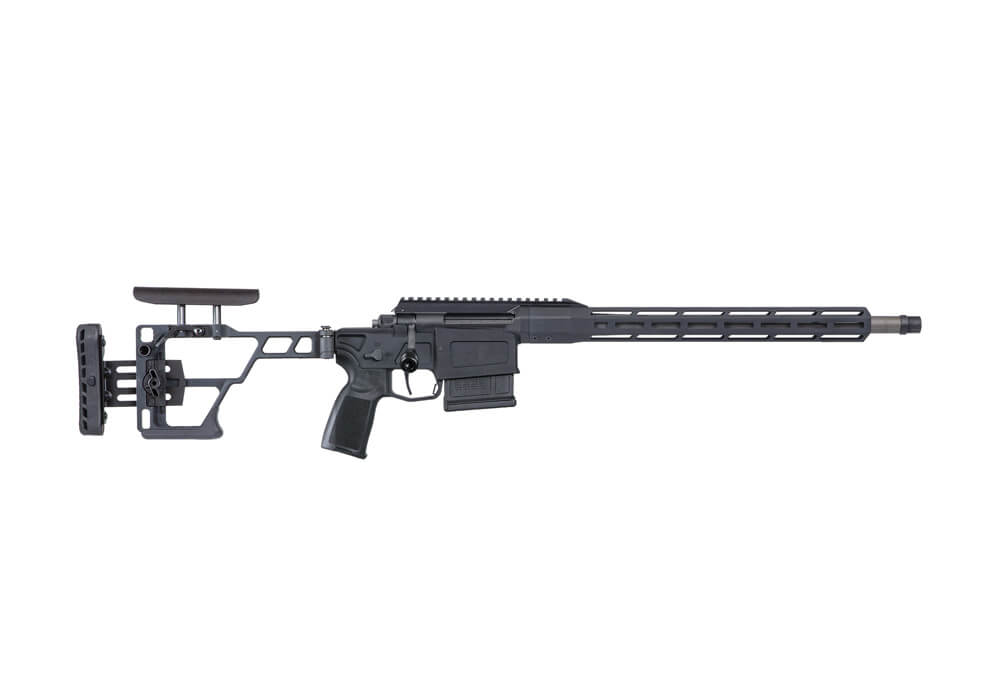
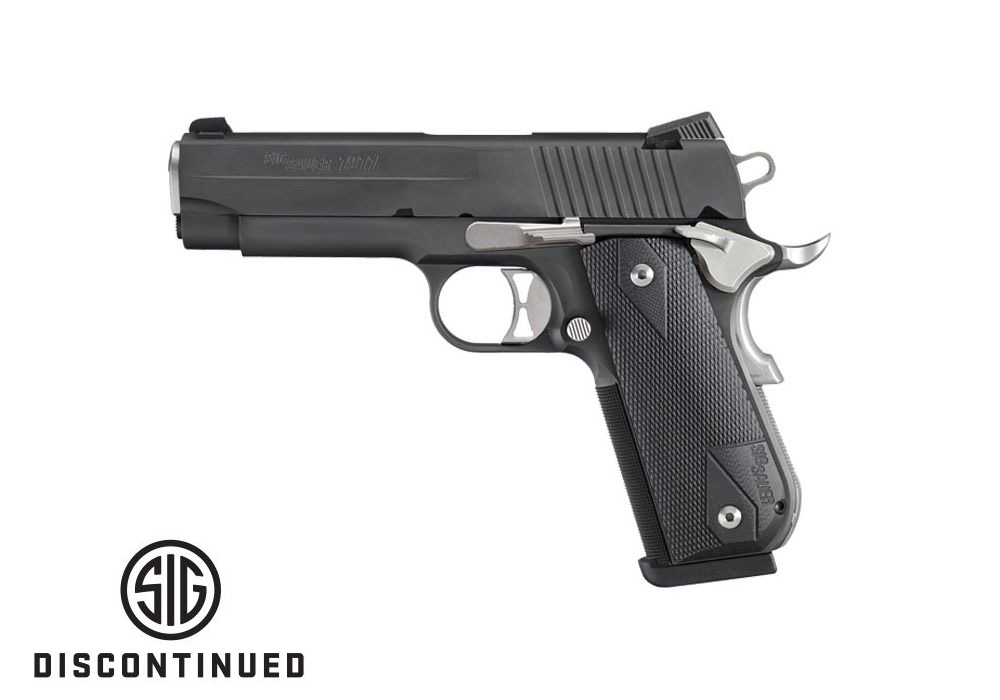
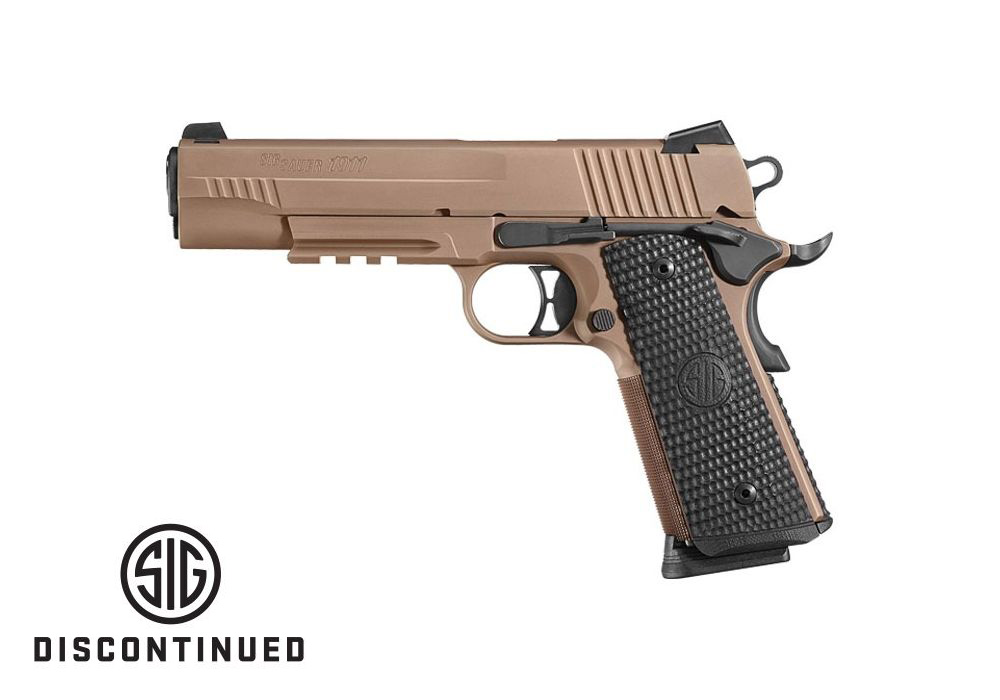
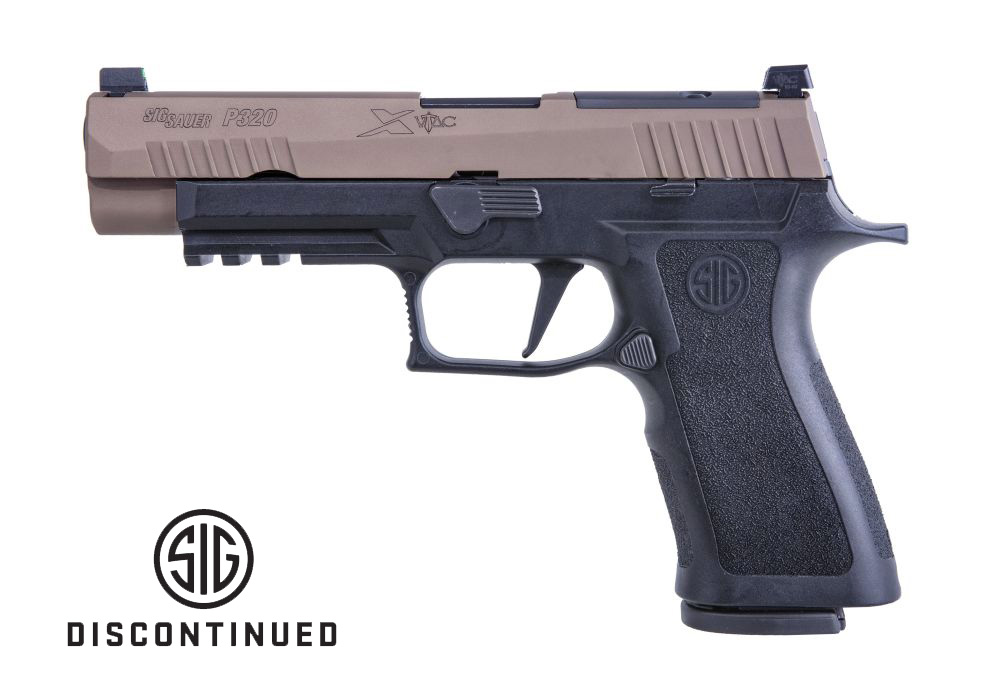
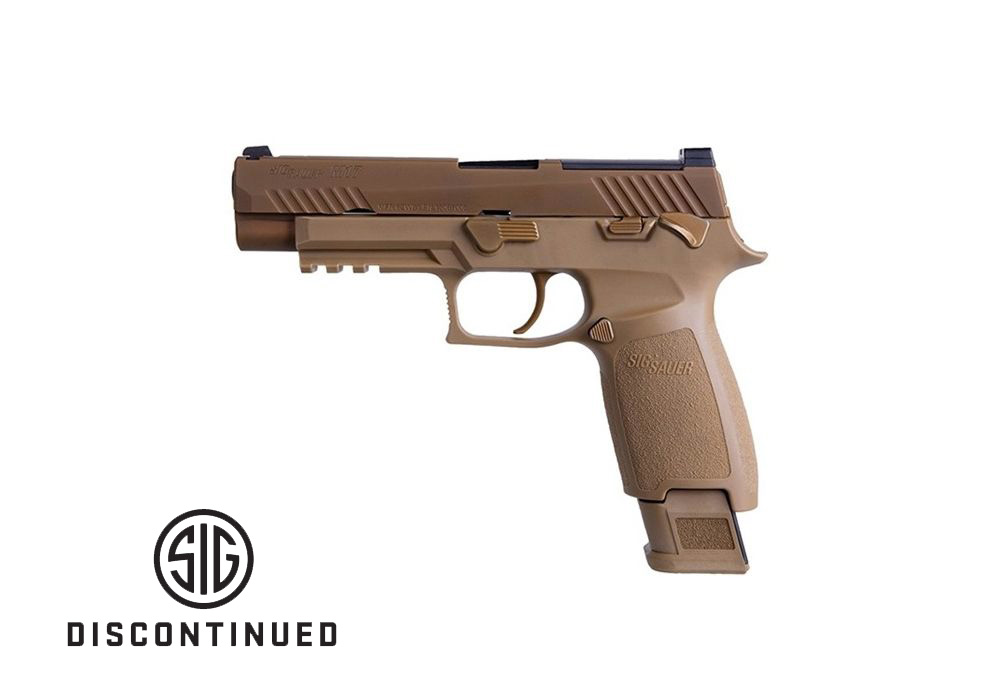
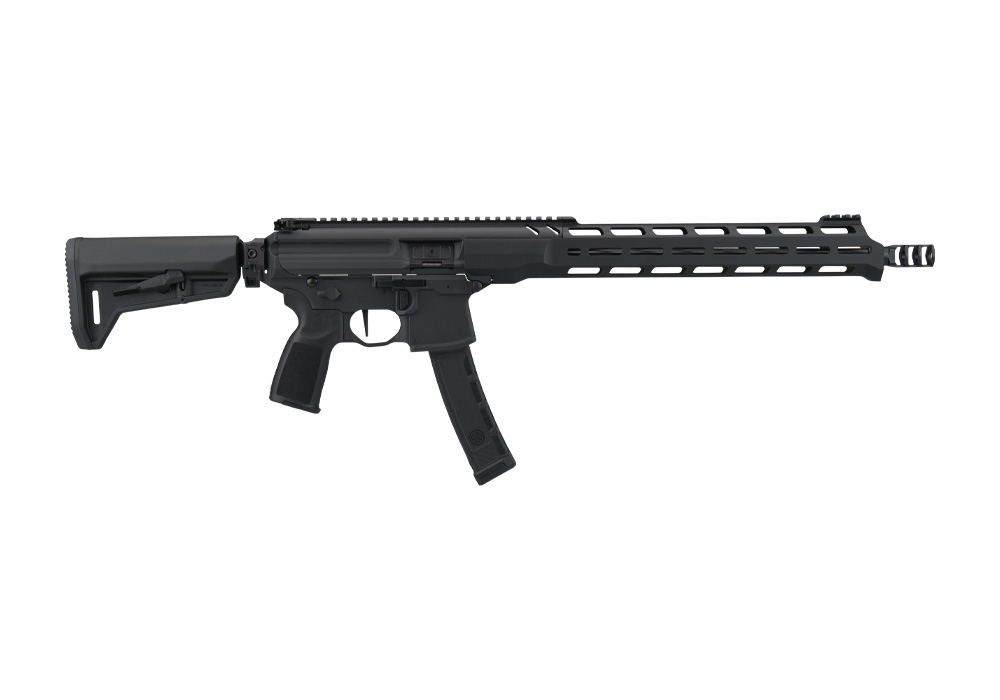
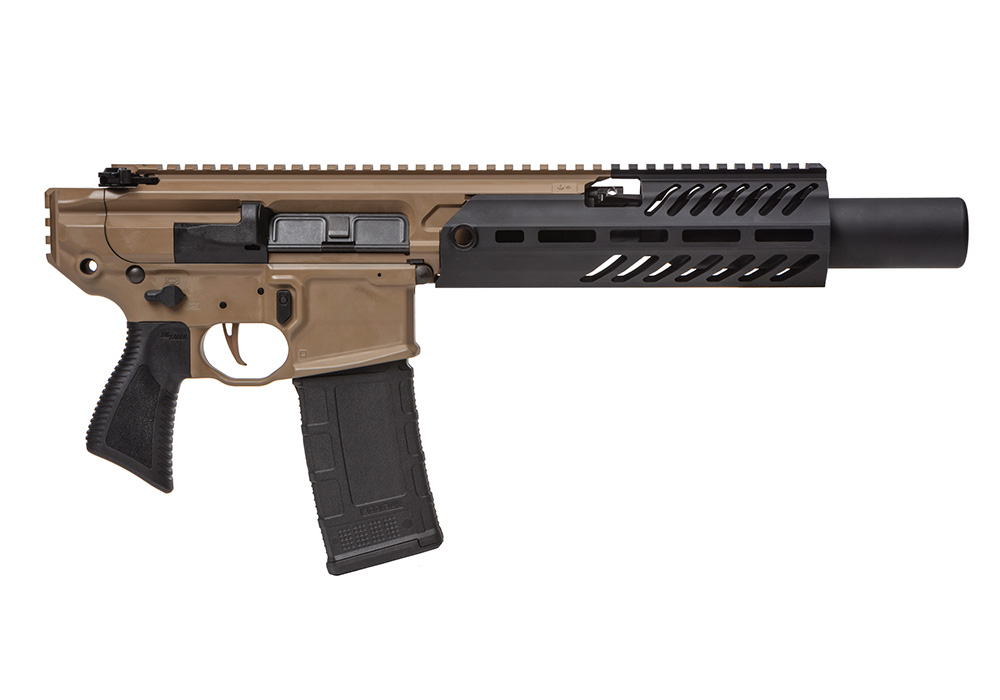
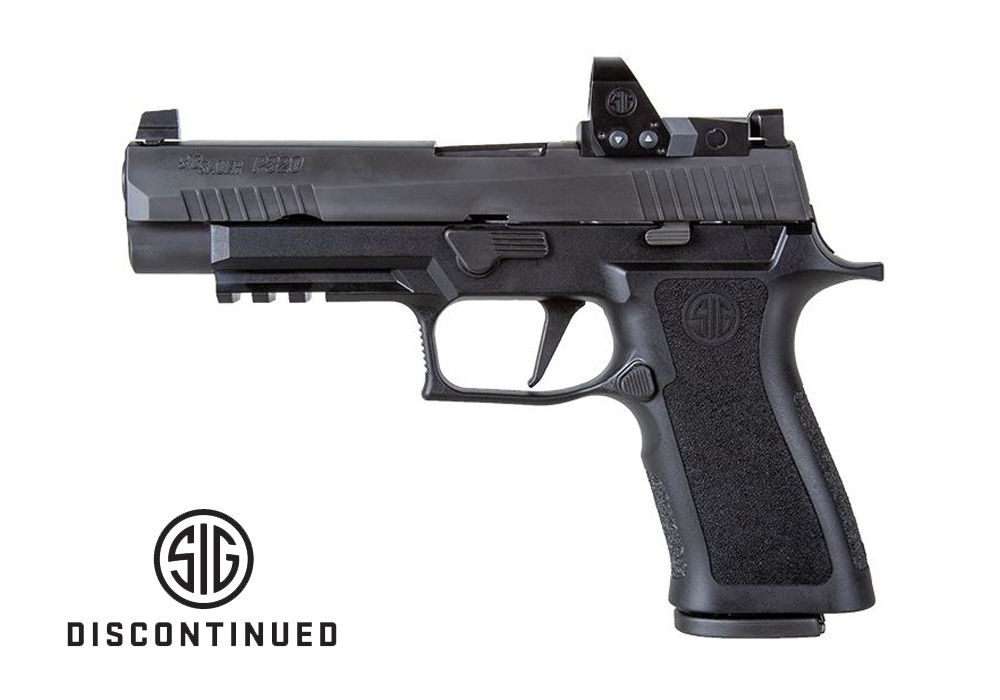
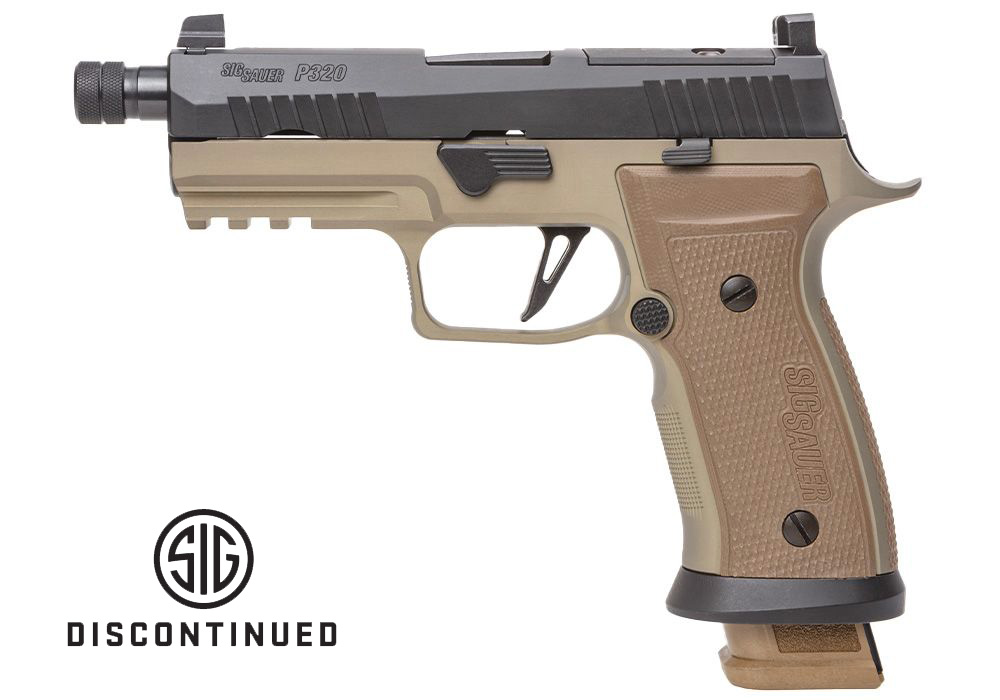
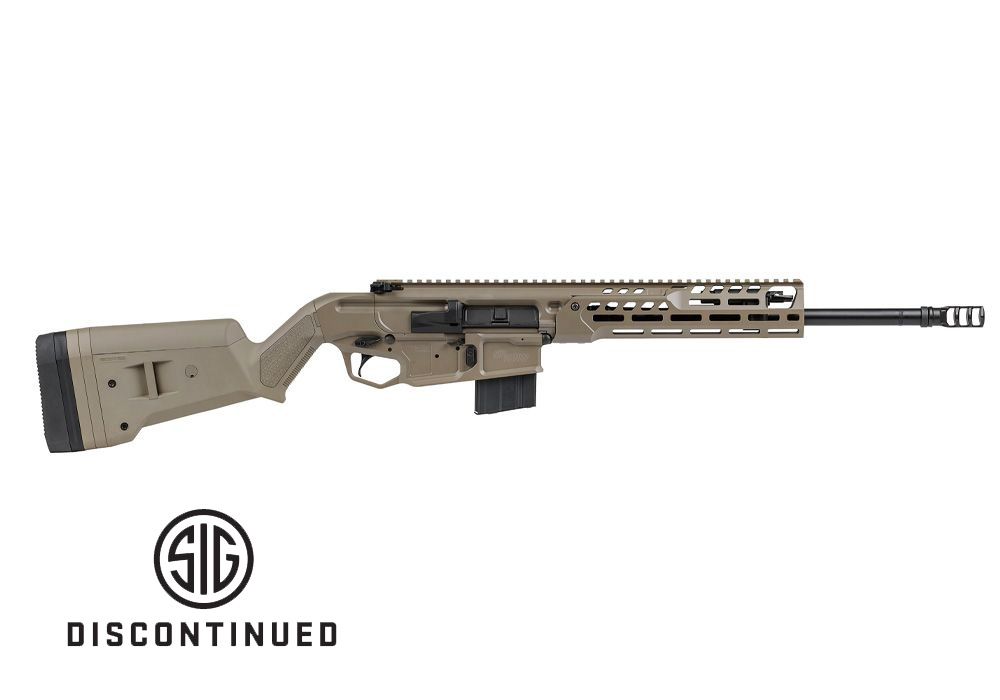
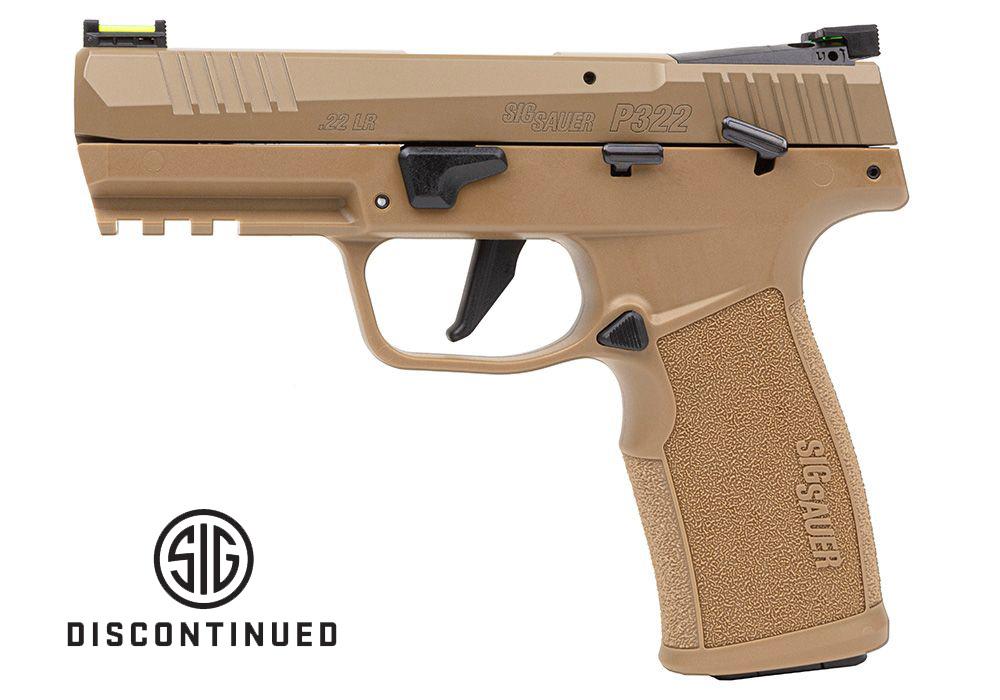
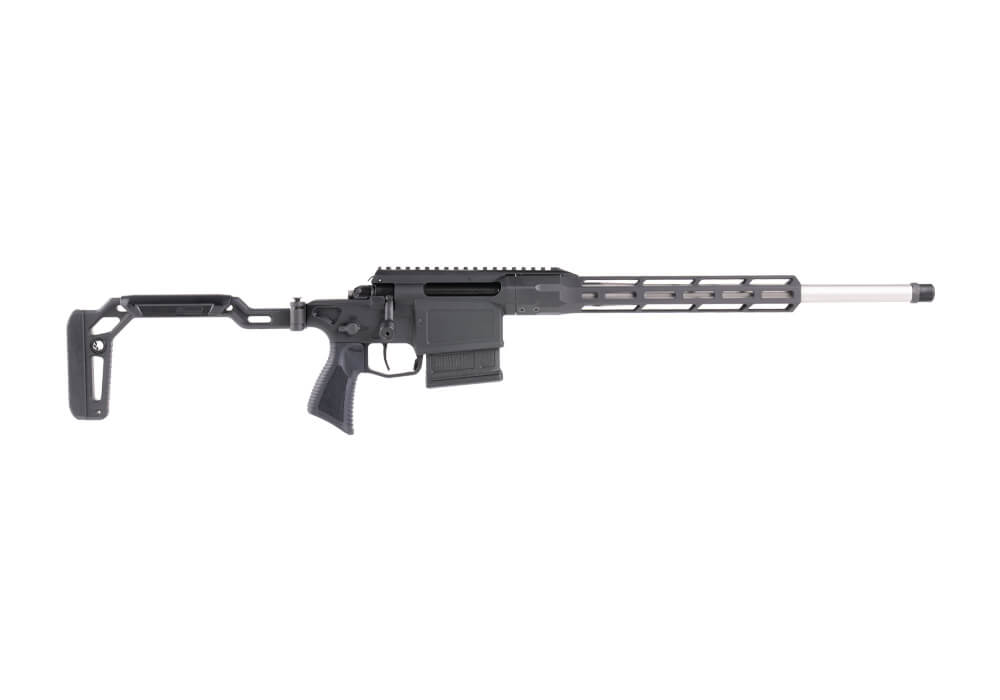
Tactical firearms for fall hunting generally include semiautomatic rifles and precision-style bolt-action rifles with features such as adjustable stocks, durable exterior finishes, and provisions for mounting compatible optics. Their suitability for hunting depends on the cartridge, ammunition, configuration, and applicable regulations—not on a tactical appearance alone. These firearms can serve different roles in lawful deer, hog, and predator hunting, where permitted, with each role placing different demands on weight, handling, and field durability. A rifle carried along wooded ridgelines presents a different ownership experience from one transported a short distance to a stationary hunting position. Likewise, a firearm intended for smaller predators is not automatically appropriate for larger game. Cartridge suitability, ammunition designed for the intended animal, and the hunter’s demonstrated proficiency remain central considerations. The appeal of a tactical-style hunting rifle often lies in its adaptable fit and familiar controls, particularly for experienced owners who already practice with a similar operating system. Adjustable features can help accommodate different body proportions and hunting clothing, while modular construction can support a configuration suited to a particular field setting. Not every accessory contributes meaningfully to that purpose, however. Added components bring additional weight, more surfaces to maintain, and sometimes a bulkier profile when moving through brush or entering an enclosed hunting blind. A purposeful hunting configuration balances useful features with manageable dimensions and straightforward operation. Shoppers comparing patrol-style configurations can also explore Patrol Rifles for Fall Hunting, keeping the same emphasis on lawful use, appropriate ammunition, and practical field fit. Hunting regulations vary by jurisdiction, game species, land designation, and season, and some areas restrict firearm types, magazine use, or other configurations. A tactical designation does not establish hunting eligibility; the complete firearm and its intended use must meet the rules governing the hunt. Those distinctions matter more than appearance when comparing firearms within this category.
Materials and construction influence how a hunting firearm feels over a full outing and how much attention it needs afterward. Steel barrels and operating components, aluminum structural components on some designs, and synthetic stocks each contribute different characteristics to the finished firearm. Steel remains susceptible to corrosion without appropriate protection, while aluminum finishes and polymer surfaces can still show wear from grit, abrasion, and repeated contact with equipment. Synthetic furniture generally requires less attention to moisture-related dimensional changes than traditional wood, but it is not immune to damage or deterioration. Exterior treatments can help resist exposure, though no finish eliminates the need for proper care. In fall hunting settings, wet leaves, muddy access roads, damp vegetation, and condensation after moving between outdoor and indoor environments can all affect equipment. Weight deserves equally practical consideration. A heavier rifle may feel comfortable at a supported hunting position yet become tiring over several miles of uneven ground; a lighter configuration may be easier to carry but feel different during practice. Balance matters alongside the number on a specification sheet, especially when optics and other lawful accessories are included. Fit is equally personal. Stock dimensions, grip shape, cheek support, and the relationship between the stock and sighting system all influence whether a firearm feels natural rather than awkward. Bulky outerwear can change that impression, making a familiar rifle feel longer or less comfortable than it did in lighter clothing. Left-handed hunters may also have different preferences concerning control placement and operating layout. For optics-compatible firearms, mounting compatibility, appropriate eye relief, and a comfortable viewing position are more useful considerations than appearance alone. A broad field of view may suit one hunting environment, while another places greater emphasis on observing distant terrain. Regardless of configuration, identifying the animal, confirming a safe background, and staying within demonstrated ability remain essential. Practical fit supports responsible use; it does not replace training, judgment, or familiarity with the firearm.
Care and long-term ownership are part of the value of any hunting firearm, especially one expected to encounter repeated outdoor use. A design with accessible maintenance information, clearly documented compatibility requirements, and a straightforward manufacturer-recommended care routine can be easier to live with than a complicated configuration assembled around appearance. Cleaning products, lubricants, and protective treatments should be compatible with the firearm’s materials and finishes, and maintenance should follow the manufacturer’s instructions with the firearm unloaded and ammunition kept separately from the work area. Moisture trapped inside a case or beneath attached equipment deserves attention, since a dry-looking exterior does not always mean every surface is dry. Soft cases can protect against ordinary scuffs during transport, but a damp case is not an appropriate long-term storage environment. Secure storage should prevent unauthorized access, with ammunition secured separately and all applicable storage and transportation requirements observed. These ownership considerations are relevant whether the firearm is intended for frequent hunts, occasional outings on private land, or practice between hunting seasons. Experienced hunters moving toward a tactical-style platform may value familiar ergonomics and configuration flexibility, while newer owners benefit from qualified instruction and an uncomplicated setup that supports consistent, responsible handling. A firearm considered as a gift for an eligible adult also involves more than a preference for a certain appearance. Personal fit, intended use, secure storage, and every applicable purchase and transfer requirement deserve attention before a decision is finalized. Across this category, the most useful distinctions are practical ones: suitable materials, manageable weight, appropriate dimensions, clear maintenance requirements, and compatibility with the hunting conditions involved. A rifle that feels comfortable during a brief inspection may feel quite different after hours of carrying it with other equipment. Tactical firearms for fall hunting are best understood as purpose-selected hunting tools, with their features evaluated against real field needs rather than an assumption that more equipment necessarily brings more utility. Lasting satisfaction comes from a lawful, well-maintained firearm that suits its owner and a clearly defined hunting purpose.