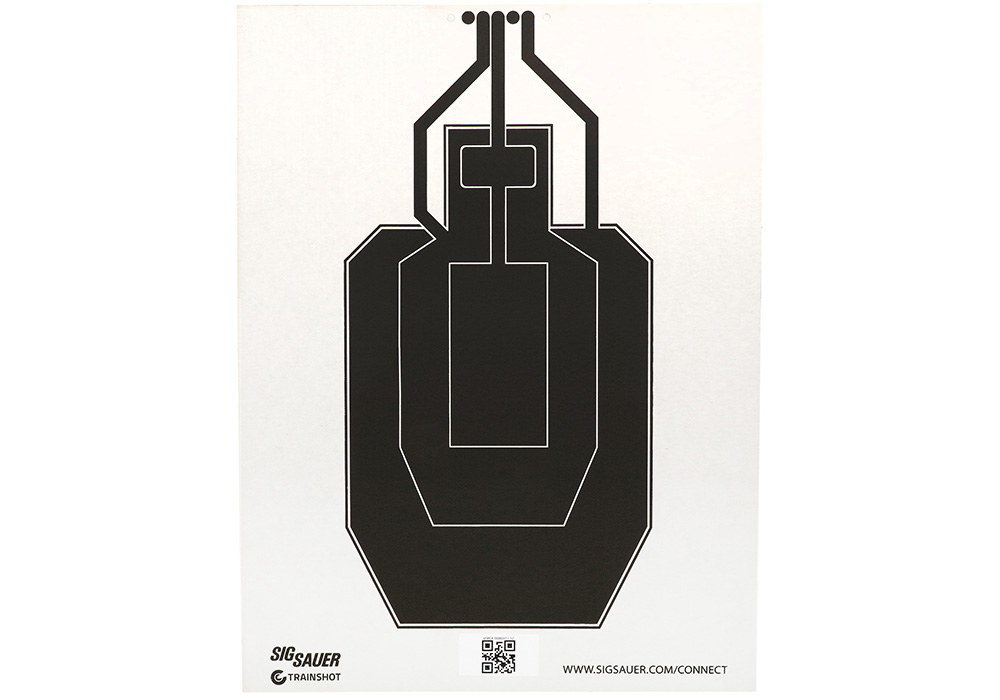
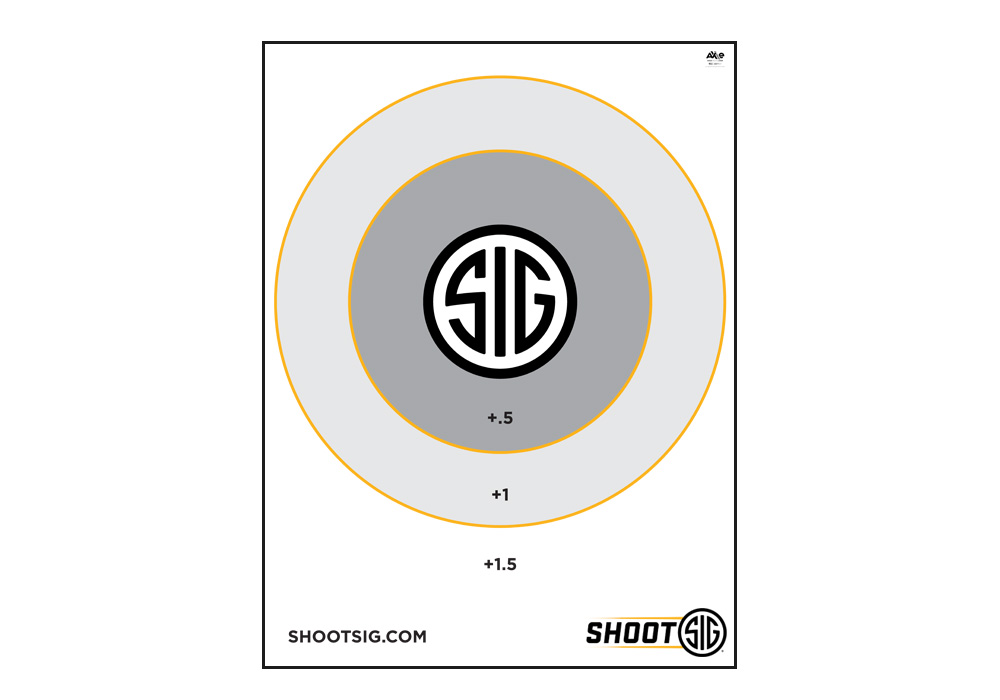
Target shooting accessories help turn a trip to the range into a more organized, productive, and enjoyable practice session. Whether the goal is improving handgun fundamentals, refining rifle groups, sighting in a new optic, or spending a quiet afternoon building confidence behind a firearm, the right supporting gear makes each session easier to set up and repeat. Paper targets are a practical choice for measuring group size and tracking progress, while high-contrast and reactive designs make bullet impacts easier to see at typical range distances. Splatter-style target surfaces can reveal bright marks around each hit, reducing the need to walk downrange after every string of fire. Steel targets offer immediate audible feedback when used at an appropriate distance with compatible ammunition, giving shooters a clear indication of a hit without relying solely on a spotting scope. Target stands, bases, frames, and cardboard holders keep targets upright and help maintain a consistent presentation from one session to the next. When selecting targets, consider the firearm, caliber, distance, range rules, and whether the setup will be used indoors or outdoors. Paper targets are convenient for precision work and documentation, while durable steel targets are well suited to repeated practice when properly installed and maintained. A dependable range bag brings the rest of the setup together, with room for eye and ear protection, ammunition, magazines, staplers, tools, targets, cleaning supplies, and personal essentials. During the cooler months, an organized bag also makes it simpler to bring gloves, an extra layer, or other weather-conscious equipment without leaving important items behind. Shooters who train with rifles may also benefit from exploring Rifle Training Accessories to support a more consistent and comfortable practice routine.
Stability is another important consideration when choosing target shooting accessories. Shooting rests, front supports, rear bags, bipods, and tripods can help reduce unnecessary movement while a shooter works on trigger control, sight alignment, breathing, and follow-through. A front rest or shooting bag can be especially useful from a bench, where a stable position makes it easier to evaluate the firearm, ammunition, and shooter technique rather than compensating for an unstable support. Bipods and other attached supports can provide a repeatable field position, while a tripod may offer flexibility for standing, kneeling, or other practical shooting positions when the design and range environment allow it. Soft, filled shooting bags are convenient because they conform to the firearm and can be repositioned quickly as the shooter changes elevation or target distance. Those beginning to build a range setup often appreciate accessories that serve more than one purpose: a durable bag can support a rifle during a bench session and help organize equipment during transport, while a portable target base can be useful for both formal practice and informal zero confirmation. Chronographs and other velocity-measuring tools add another layer of information by recording projectile speed, helping experienced shooters compare ammunition, monitor consistency, and gather data for ballistic calculations. They are most useful when paired with careful notes about temperature, distance, firearm configuration, and ammunition lot. These accessories can also make thoughtful gifts for a new shooter, a family member who enjoys precision sports, or an experienced range regular who values better organization. A practical gift does not need to be complicated; fresh targets, a reliable rest, protective eyewear, quality hearing protection, or a well-arranged range bag can see immediate use during the next practice session. For anyone receiving shooting equipment as a gift, confirming compatibility with the recipient’s firearm, local range requirements, and intended shooting style is an important part of making the selection useful.
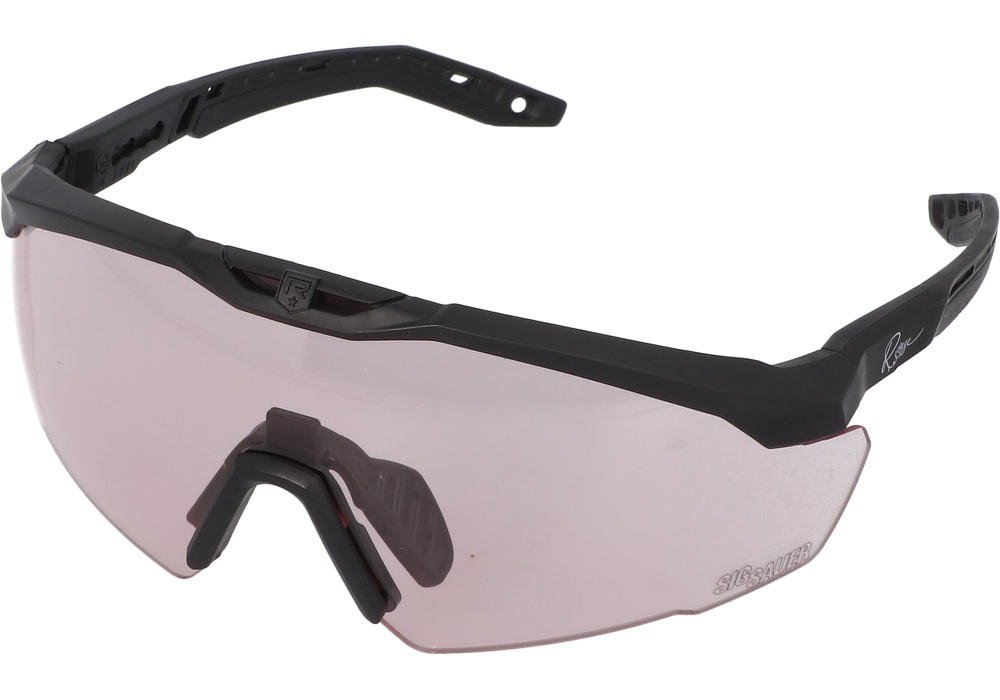
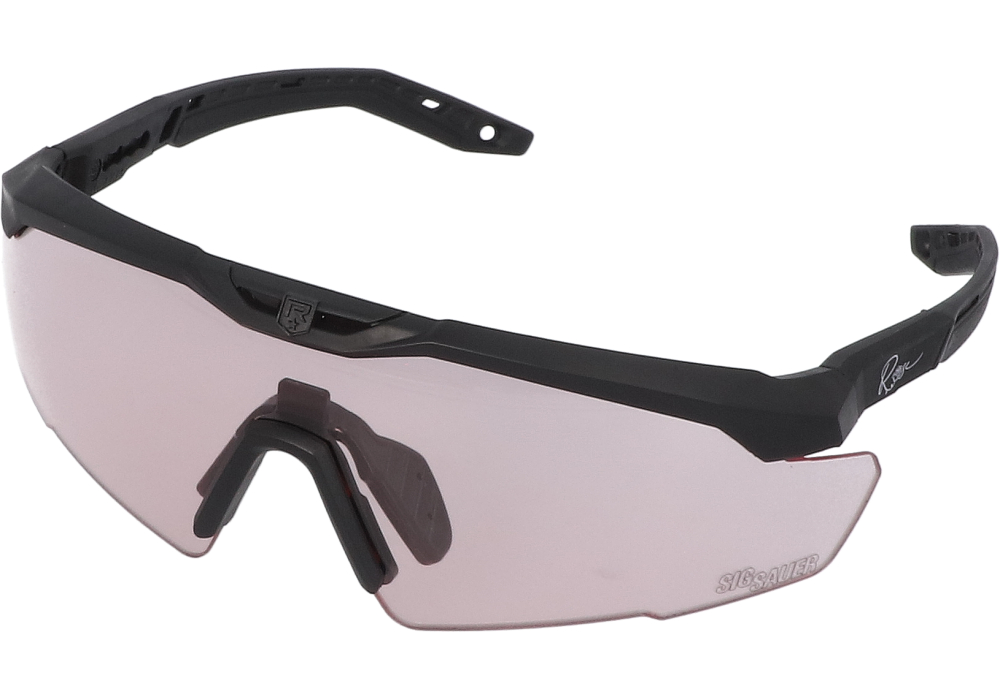
Safety equipment remains essential among all target shooting accessories, regardless of experience level or whether the session takes place at an indoor facility or an outdoor range. Impact-rated shooting glasses help protect the eyes from fragments, ejected cases, dust, and other range hazards, while properly rated hearing protection helps reduce exposure to repeated gunfire. Many shooters choose to layer earplugs with earmuffs, particularly around louder firearms or busy firing lines. A range bag with separate compartments can keep protective equipment clean and accessible instead of buried beneath ammunition or tools. Before using any target, stand, rest, or steel plate, review the range’s rules and confirm that the accessory is intended for the firearm and ammunition being used. Steel targets require particular care: they should be constructed for the intended application, placed at the manufacturer’s recommended distance, positioned to direct fragments safely downward or away from nearby people, and inspected regularly for cratering, damage, or excessive wear. Target stands should remain stable on the available surface, especially outdoors where uneven ground, wind, and changing weather can affect placement. As the weather warms or cools, conditions may influence visibility, battery performance, adhesive target backing, and the comfort of carrying equipment across a range. Packing spare batteries, extra target materials, simple tools, and a way to record results can prevent a minor inconvenience from cutting a session short. A compact notebook or phone-based range log can capture group sizes, sight adjustments, ammunition details, and conditions, turning each visit into a useful reference for future practice. From a first range outing to a carefully measured precision session, thoughtfully selected target shooting accessories support safer handling, clearer feedback, and a more organized experience from the moment the bag is packed until the final target is removed.