Shooting accuracy accessories support a steadier position, a clearer view of the target, and a more consistent relationship between the shooter and the firearm. The category includes shooting rests, bipods, support bags, tripods, sighting accessories, and measurement tools, each serving a different purpose during target practice, competition, or lawful hunting. Their value is not a promise of instant precision; it is the ability to reduce avoidable movement, improve comfort, or provide useful information about a shooting session. For supported rifle shooting, a compatible bipod and rear support bag can provide complementary contact points that help limit movement and reduce the effort of holding a position. A bench rest offers another form of support, particularly for shooters who spend much of their range time at a fixed firing point. Tripods provide an elevated alternative where a conventional bench is not practical, though their suitability depends on the firearm interface, support rating, and permitted use at the shooting location. The difference between these options becomes tangible over a long afternoon: a portable support is easier to carry between designated firing points, while a heavier rest may feel more settled on a permanent bench. Support bags also vary considerably. A compact, lightweight bag travels easily, whereas a heavier fill offers a different balance of stability and portability. Shape, surface texture, and seam construction influence how a bag rests against a bench or other approved support surface. None of these accessories replaces safe handling, sound fundamentals, or instruction, but the right match can make practice more comfortable and repeatable. Beginners may appreciate uncomplicated adjustments and straightforward compatibility, while experienced recreational shooters and competitors may prioritize consistent positioning, transport weight, or equipment rules. The most useful shooting accuracy accessories suit the setting where they will actually be used, rather than adding complexity for its own sake. A familiar local range, a supervised competition, and a day outdoors can place very different demands on the same piece of equipment.
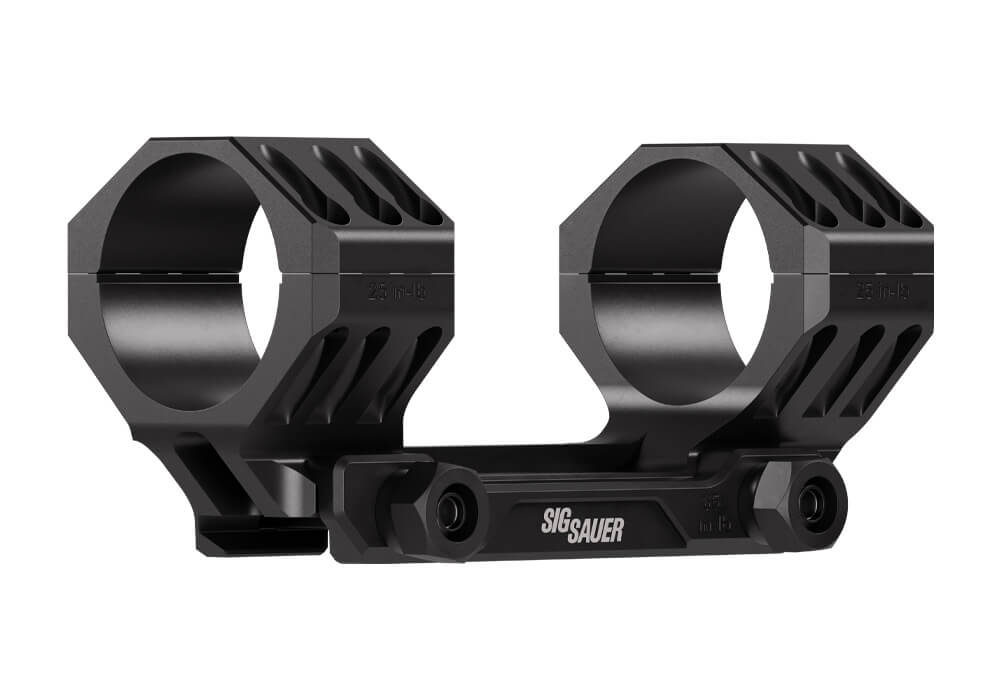
Materials and fit deserve close attention because even a well-built accessory can be frustrating when its dimensions or attachment system do not suit the firearm or shooting space. Aluminum is common in support equipment because it balances weight and rigidity, while steel components can provide durable contact surfaces at joints and attachment points. Carbon fiber is often used where low carrying weight matters, although overall durability also depends on joint design, hardware, and construction quality. Fabric supports may use tightly woven nylon, reinforced stitching, or textured panels to resist abrasion and help maintain contact with supporting surfaces. Fill material affects weight, feel, and care requirements, so a bag intended for regular outdoor use deserves a closer look at its fabric, closure, and moisture guidance. For mounted accessories, compatibility extends beyond a broad firearm category. Rail profile, attachment dimensions, clearance, and the manufacturer’s stated application all matter. A secure interface should not obstruct controls or interfere with the firearm’s intended operation, and installation should follow the applicable manufacturer instructions. Sight-related accessories likewise require attention to mounting compatibility and the space needed for normal use. Adjustability can improve comfort, but more adjustment points are not automatically better; controls that are easy to identify and secure can be especially welcome during the cooler months, when gloves and stiff fingers complicate small movements. Carrying cases, protective covers, and organized storage help shield equipment from grit and unnecessary impacts between range visits. Routine care generally means removing loose debris, allowing damp fabric to dry thoroughly, and checking accessible hardware as directed by the manufacturer. Electronic accessories may have separate requirements for batteries, cleaning, and weather exposure. Water resistance should not be treated as permission for prolonged immersion, and protective finishes still benefit from sensible storage. For frequent range use, durability is as much about reliable locks, serviceable hardware, and readable markings as it is about the material listed in a specification. Those details become more noticeable after repeated packing, transport, and setup.
Measurement and observation accessories add another dimension to accuracy-focused practice by helping shooters document conditions and evaluate results without relying entirely on memory. A ballistic chronograph measures projectile velocity; it does not measure group size or guarantee accuracy, but it can provide useful information about velocity consistency under the conditions of a particular session. Environmental meters measure factors such as wind speed, temperature, or atmospheric pressure, depending on their features. Their readings describe conditions at the instrument, which may differ from conditions elsewhere across an outdoor range. Clear displays, practical controls, dependable battery performance, and suitable weather protection can matter as much as the number of recorded data fields. Spotting optics and target-viewing accessories serve a different role, making target observation more convenient where range layout and rules permit their use. Image clarity, a stable viewing platform, and comfortable viewing height can reduce strain during extended sessions, especially when several people share an observation position. These tools are most useful when their purpose is clear: support equipment addresses physical stability, observation equipment helps with seeing results, and measurement equipment records information. Combining functions thoughtfully can be more practical than carrying several accessories that solve the same problem. For complementary range essentials, Target Shooting Accessories provides a related category to explore alongside accuracy-focused equipment. Gift shoppers can use the same practical distinctions when considering equipment for a recreational target shooter, competition participant, or hunting enthusiast. The recipient’s preferred shooting setting, existing equipment, and willingness to carry extra weight are useful starting points, while firearm-mounted accessories require confirmed compatibility. A durable support bag or protective storage accessory may involve fewer attachment considerations, but dimensions and intended use still deserve attention. Across the category, thoughtful selection comes down to dependable construction, appropriate fit, manageable upkeep, and a clear role in the shooting routine. Equipment that travels comfortably, withstands ordinary use, and works predictably is more likely to earn a lasting place in a range kit than an elaborate accessory with no clear purpose.