Shooting skill accessories bring organization, useful feedback, and greater consistency to time spent at the range. The category spans equipment for measuring practice, seeing results clearly, supporting a stable setup, and keeping essential gear close at hand. Shot timers provide a record of elapsed time, targets show where shots land, and training aids offer additional ways to evaluate selected aspects of a practice session. Protective equipment and practical range gear support the experience around those activities, helping shooters arrive prepared and remain attentive to range rules and commands. For someone beginning supervised instruction, the most useful accessories are often straightforward, easy to understand, and compatible with the equipment already in use. An experienced target shooter or competition participant may place more value on repeatable measurements, clearly defined scoring areas, and equipment that fits an established routine. Neither approach requires an elaborate setup. A readable display, a target with strong visual contrast, or a bag that keeps protective eyewear separate from cleaning supplies can address a specific frustration without adding unnecessary complexity. The best shooting accessories have a clear purpose: they help document results, simplify preparation, protect equipment, or make practice more comfortable and organized. They do not replace qualified instruction, sound judgment, or responsible firearm handling. Their value comes from providing information and convenience that a shooter can use consistently over time. Intended use matters because a busy indoor facility, an outdoor target range, and an organized competition may have different equipment requirements and operating rules. Audible feedback, target construction, mounting arrangements, and electronic functions all deserve consideration within that setting. A target that is easy to see against its surroundings or a timer with controls that remain legible at a glance can reduce distractions during a supervised session. Accessories that suit the facility and the shooter’s experience level are more likely to become dependable parts of a range routine rather than extra weight in a bag.
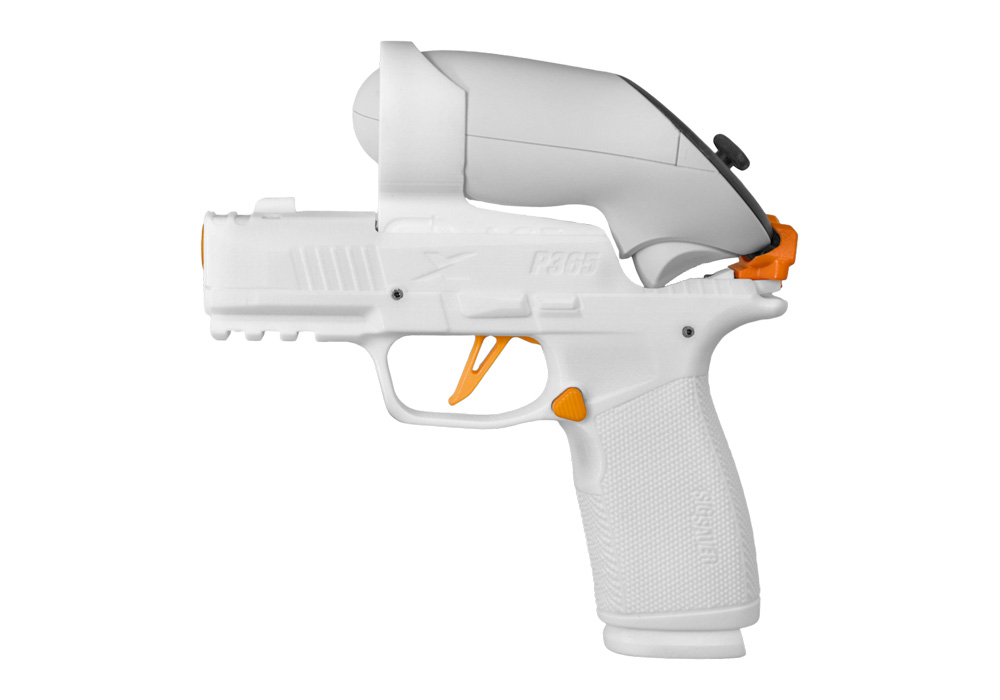
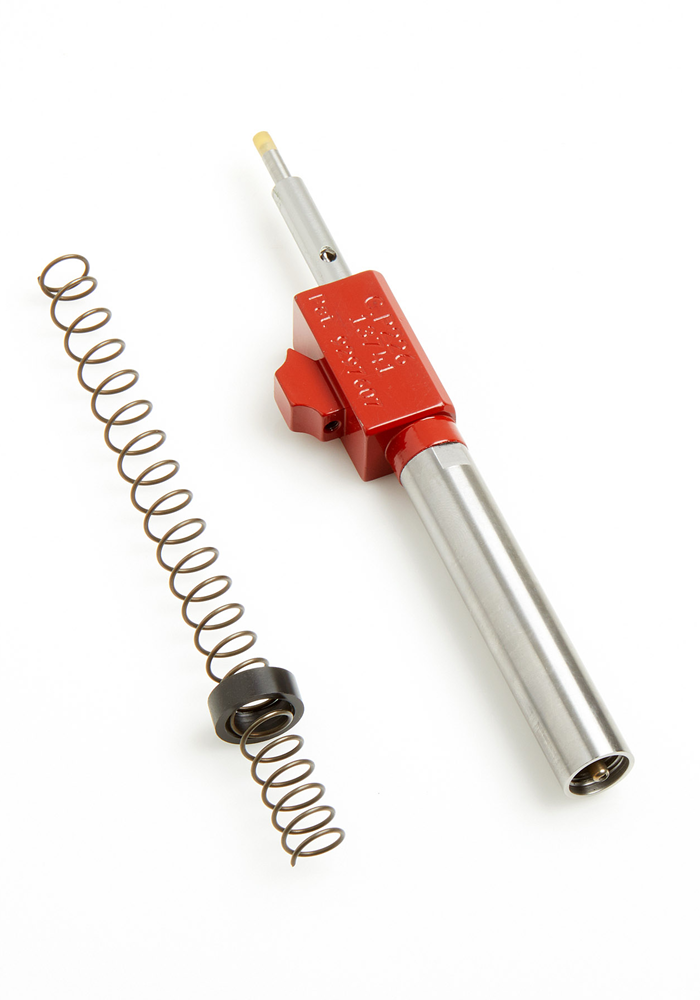
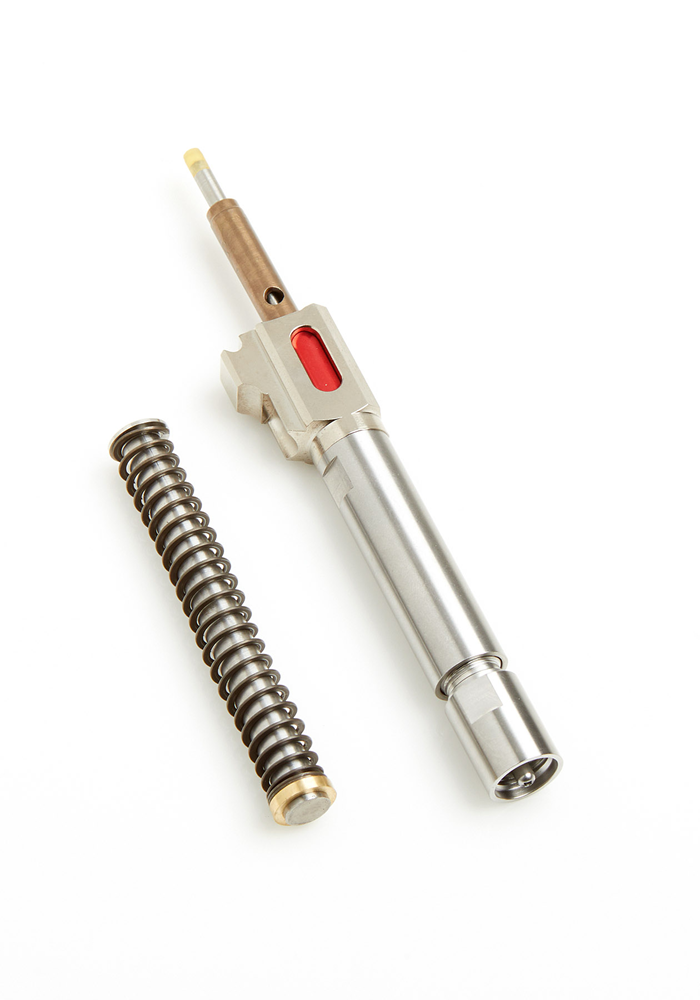
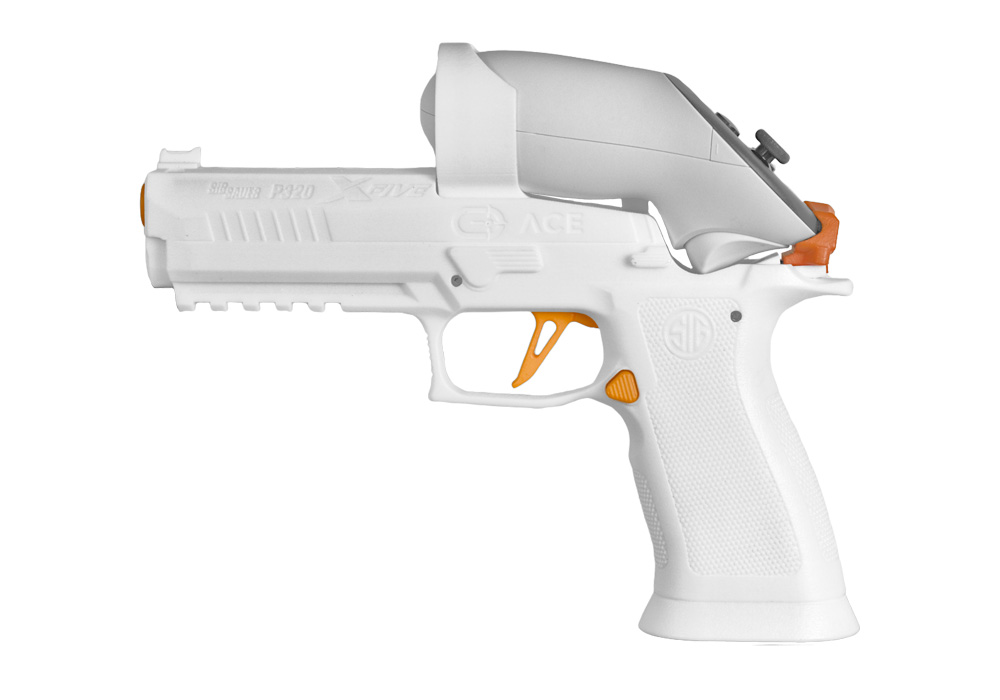
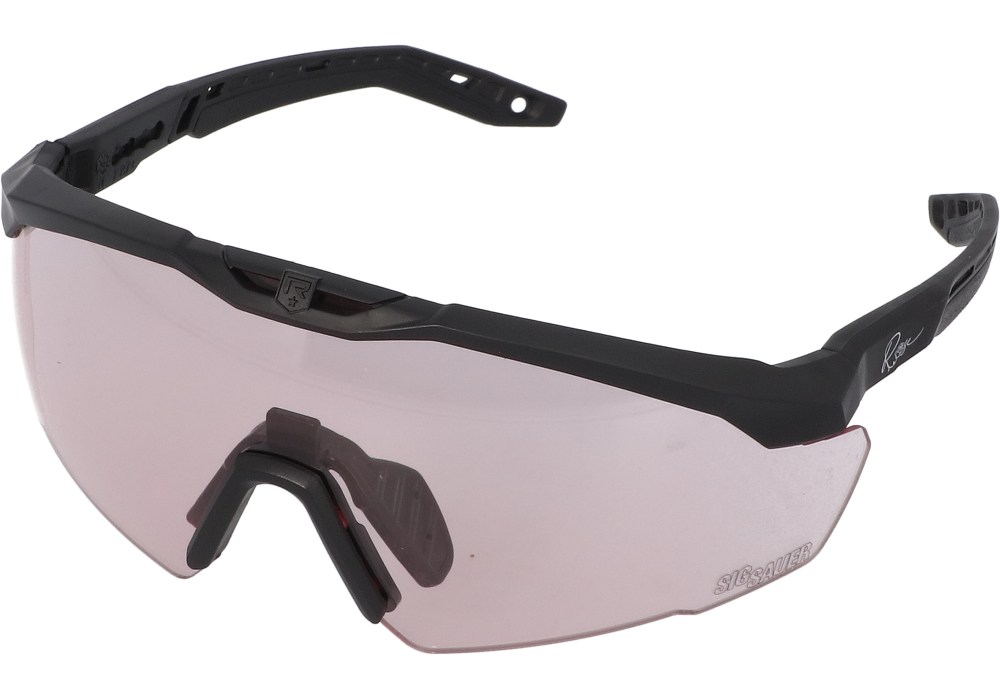
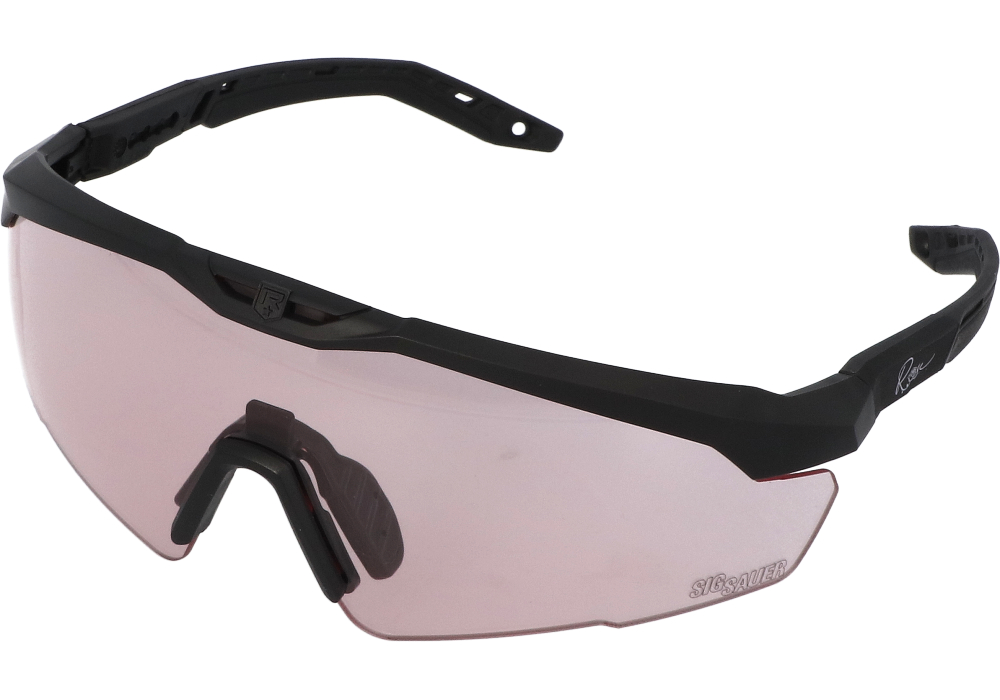
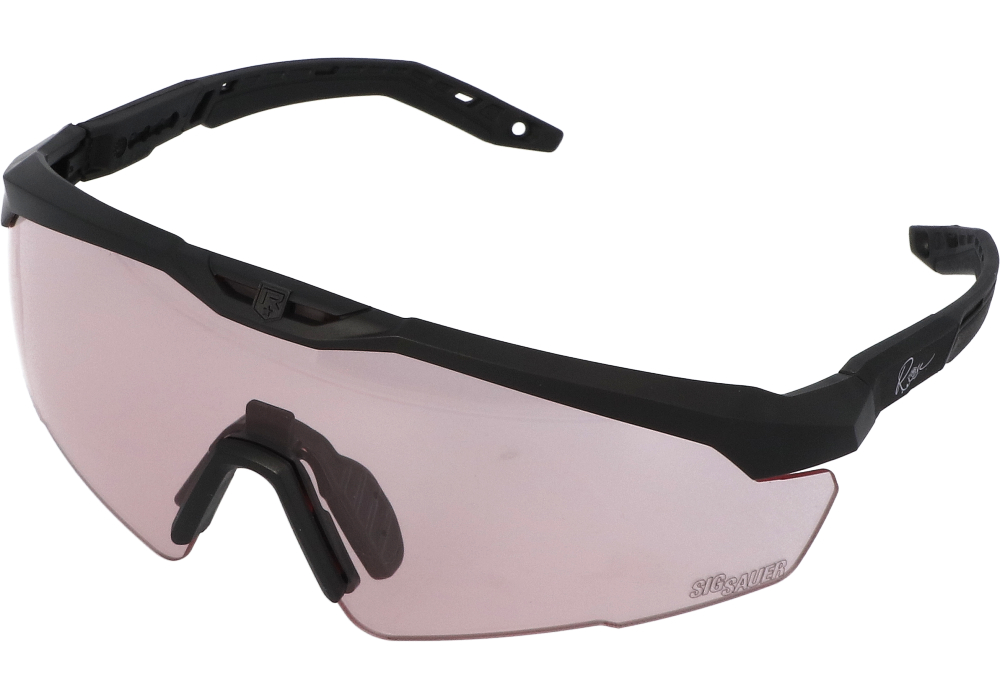
Materials and construction help determine how shooting skill accessories feel, function, and hold up to repeated use. Reinforced fabric, secure stitching, and sturdy closures are useful qualities in range bags and storage pouches, especially where handles, straps, and dividers carry the load. Smooth zipper operation and compartments that open fully make a difference when unpacking at a narrow bench. Rigid cases can help protect delicate electronics, while padded sections reduce contact between equipment during transport. For electronic accessories, an easy-to-read screen, accessible battery compartment, and controls that are simple to distinguish are practical considerations alongside the features themselves. Timer performance can depend on the surrounding sound environment, so suitability for the intended range matters as much as the amount of information displayed. Targets have their own tradeoffs. Paper offers a clear record that can be labeled and retained, while some reactive designs make impacts easier to identify from the firing line. Target materials, mounting hardware, and permitted use must match the facility’s rules and the target manufacturer’s specifications; not every design is appropriate for every firearm or ammunition type. Supports and shooting bags likewise differ in weight, surface texture, shape, and ease of transport. A substantial bench setup may prioritize stability, while a shooter carrying equipment between designated stations may appreciate a more compact arrangement. Fit is especially important for protective gear. Shooting glasses should provide appropriate impact protection and sit securely without creating uncomfortable pressure beneath earmuffs. Hearing protection should offer a suitable protection rating for the environment and work properly with other equipment; electronic sound features do not remove the need for adequate protection. Comfort has a practical role here, since pinching frames, awkward straps, and bulky seams can become persistent distractions. Compatibility also extends to firearm-specific accessories and training aids. Exact model, dimensions, and manufacturer guidance matter more than a similar appearance, and any accessory associated with a firearm should be evaluated for its stated purpose rather than assumed to fit.
Care and storage influence the long-term usefulness of shooting accessories just as much as their initial construction. Range equipment encounters dust, grit, residue, and frequent handling, making accessible surfaces and straightforward maintenance valuable design features. Manufacturer care directions are particularly important for coated lenses, electronic controls, and protective materials, which may not tolerate the same cleaners used elsewhere in a range kit. Removable dividers and washable fabric components can simplify upkeep when their care instructions permit cleaning, while a dedicated protective case helps keep a timer or pair of shooting glasses from rubbing against loose hardware. Worn straps, damaged lenses, loose fasteners, and unreliable closures deserve attention before they interfere with normal use. Keeping equipment organized also makes it easier to notice what needs service or replacement. A familiar layout, with protective gear in one compartment and recordkeeping supplies in another, can make preparation less hurried and cleanup more orderly. For shooters who enjoy tracking their development, saved targets and session records provide context that memory alone may miss. Accessories that produce clear, understandable feedback can support discussions with an instructor and help distinguish a repeatable result from an isolated good performance. For gift giving, broadly useful range equipment is often a more practical choice than an accessory requiring exact firearm compatibility. Protective storage, organizational gear, and other general-purpose accessories may suit a family member beginning lessons or a friend who regularly enjoys recreational target shooting, provided the selection respects personal fit and intended use. Model-specific equipment and wearable protection benefit from knowing the recipient’s requirements beforehand. The broader Shooters Accessories category offers another way to consider the supporting equipment that belongs alongside practice-focused gear. A well-planned assortment does not need to cover every possible activity. It should reflect where the shooter practices, what information is useful, how equipment travels, and how much care each component requires. Those everyday details turn a collection of accessories into a dependable setup that supports responsible range visits and purposeful practice.