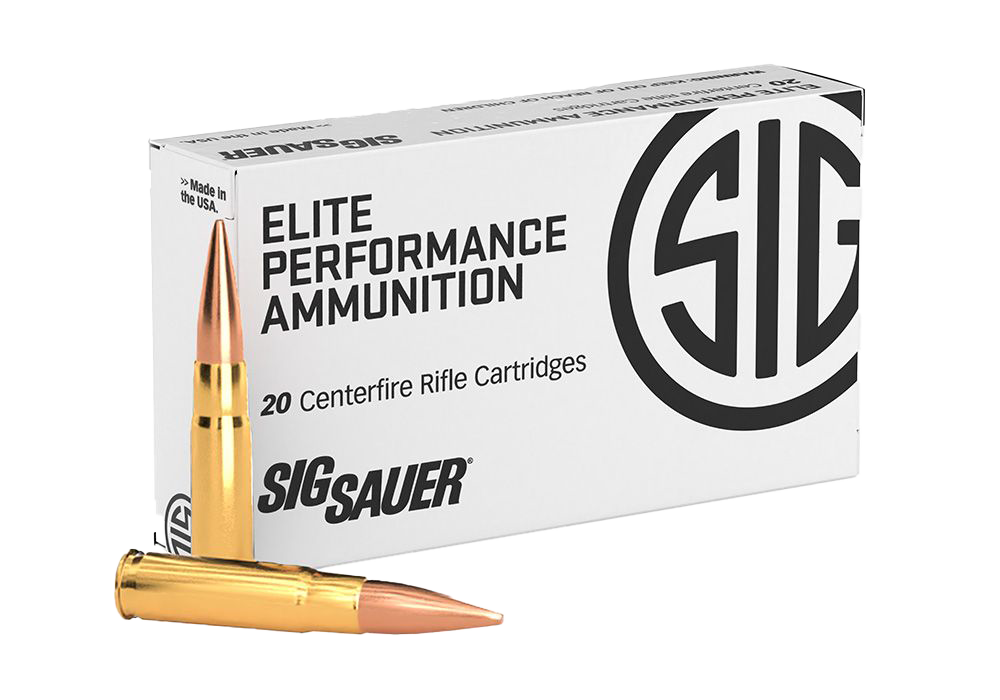
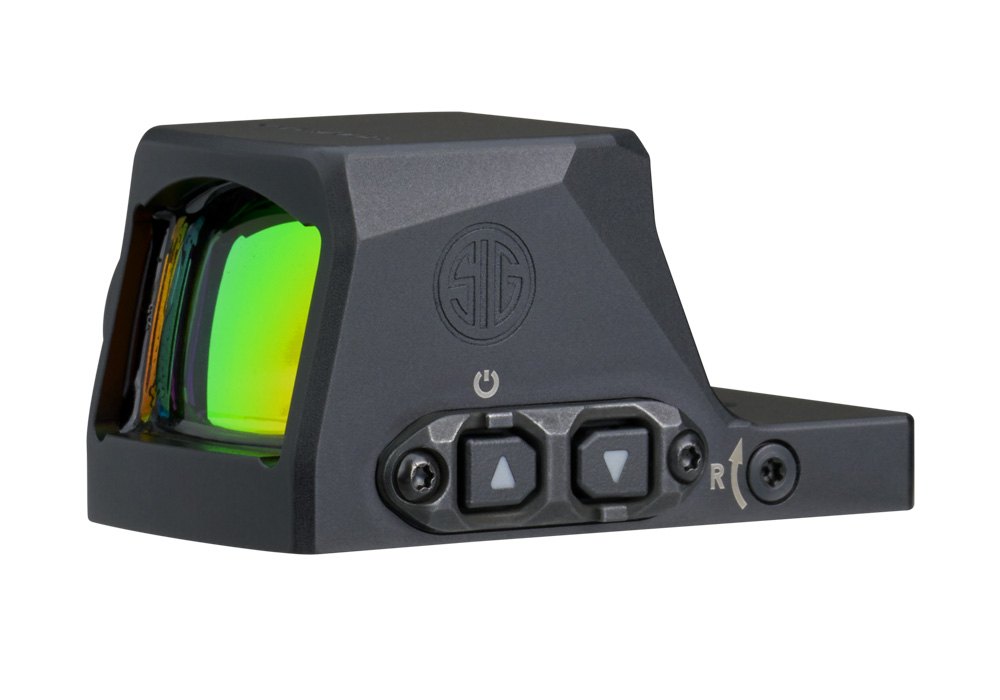
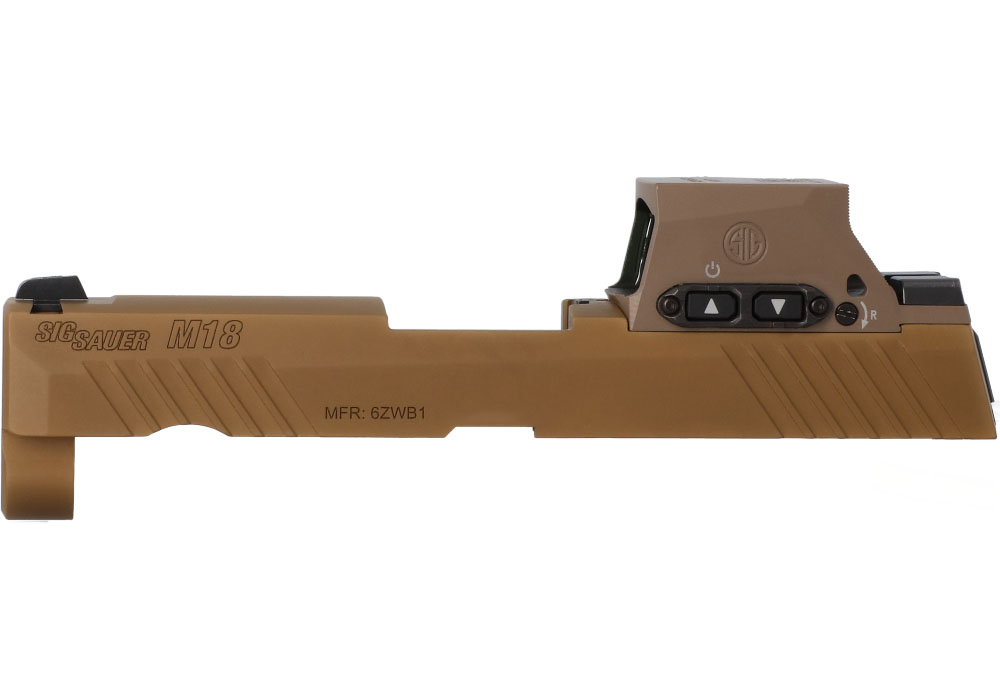
Top-selling items in Tennessee take on a distinct meaning in a shooting-sports collection: the focus is on equipment for responsible firearm ownership, recreational target shooting, hunting, and the routines that support those activities. Rather than regional foods or souvenir merchandise, this category centers on firearms, ammunition, optics, and related accessories, with practical relevance for shoppers across the state. Tennessee customers may approach the same collection with very different priorities. An experienced range visitor might be replacing a worn carrying case, a hunter might be considering equipment for an established pursuit, and a newer firearm owner might be assembling the essentials for secure storage and supervised practice. Those differences matter more than popularity alone. A frequently purchased category can offer a useful starting point, but suitability still depends on intended use, compatibility, comfort, and the responsibilities that accompany ownership. Recreational shooting equipment should fit the setting in which it will be used, whether that is an organized range with posted rules or a hunting environment governed by applicable regulations. Range policies, hunting requirements, and transportation considerations can all influence which categories deserve closer attention. For shoppers in Nashville, Knoxville, Memphis, Chattanooga, and surrounding communities, the common thread is equipment that fits an actual routine rather than an imagined one. A case that travels comfortably from a locked storage area to a vehicle, protective equipment that remains comfortable throughout a scheduled session, and accessories with clearly documented compatibility all have everyday value. The appeal of a Tennessee-focused assortment is that it gives this regional shopping interest a defined place without treating every customer as the same kind of participant. Local popularity provides context; the more lasting considerations are dependable construction, understandable specifications, appropriate fit, and a clear purpose for each purchase. These are useful distinctions for both longtime enthusiasts and shoppers becoming familiar with shooting-sports equipment.
Materials and construction help explain why superficially similar equipment can feel different in regular use. Across this category, shoppers will encounter steel, aluminum, molded polymers, woven textiles, cushioning, and protective surface finishes, each serving a different purpose. Metal components may provide rigidity and resistance to wear, while polymer housings and textile cases can balance weight, handling comfort, and portability. No single material is automatically the best choice for every application. The quality of seams, closures, hinges, adjustment points, and protective lining often says more about an accessory’s suitability than a material name by itself. On a carrying case, for example, reinforced handles and orderly interior compartments can simplify a trip to the range, while padding helps separate equipment during transport. A carrying case should not be assumed to provide secure firearm storage unless it is specifically designed and rated for that purpose. Fit deserves equally close attention. Compatibility should be confirmed through the relevant manufacturer’s documentation rather than visual similarity, especially when an accessory must interface with existing equipment. Dimensions, attachment specifications, and model compatibility are meaningful details, not fine print to overlook. For eye and hearing protection, comfort and appropriate protective ratings belong in the same conversation: equipment that pinches, shifts, or interferes with other protective gear can become distracting during a session. Optical equipment also involves considerations beyond its exterior appearance, including housing durability, lens protection, and care requirements. Ammunition requires exact compatibility with the firearm and adherence to its manufacturer’s specifications; resemblance or a familiar label is not a substitute for confirmation. Across these categories, a sensible purchase begins with a defined need and ends with a check of the supporting documentation. Shoppers replacing existing equipment may already know which dimensions or features work for them, while those exploring an unfamiliar category can benefit from qualified assistance. That extra attention helps distinguish a useful addition from something that merely looks appropriate on a screen.
Long-term satisfaction also depends on how equipment is stored, maintained, and handled between outings. Care requirements differ across metal surfaces, coated lenses, fabric cases, and polymer components, so the manufacturer’s instructions should remain the reference for cleaning methods and approved materials. Abrasive cleaning tools or unsuitable chemicals can harm finishes and optical coatings, while overlooked wear in straps, closures, and fasteners can undermine an otherwise serviceable accessory. Routine inspection is a practical habit: a fraying handle, damaged protective lens, or closure that no longer secures properly deserves attention before the next scheduled use. Firearms should be stored unloaded and secured against unauthorized access, with ammunition secured separately, and maintenance should follow the manufacturer’s safety procedures. Secure storage is particularly important in households where children, visitors, or anyone unfamiliar with firearms may be present. These responsibilities also shape gift decisions. For an adult who enjoys supervised target shooting or participates in hunting, a thoughtfully chosen accessory can acknowledge a genuine interest without assuming that every enthusiast needs the same equipment. Protective accessories, organizational gear, and carrying solutions can be relevant categories, but the recipient’s preferences, required fit, and existing setup still matter. Firearms and ammunition involve additional legal and compatibility considerations and should never be treated as interchangeable gifts. Even an experienced recipient may have specific requirements that are not obvious to someone outside the activity. A useful choice supports a familiar routine: keeping protective gear organized, separating equipment in transit, or replacing an accessory that has reached the end of its service life. Shoppers interested in another regional collection can also explore Top Selling Items in Texas, while continuing to evaluate any selection against their own needs and applicable requirements. Tennessee’s top-selling theme offers a regional perspective on a broad equipment category, not a universal recommendation. The strongest reasons to choose something remain concrete and personal: it suits the intended activity, works with existing equipment, can be cared for properly, and supports responsible ownership over time.