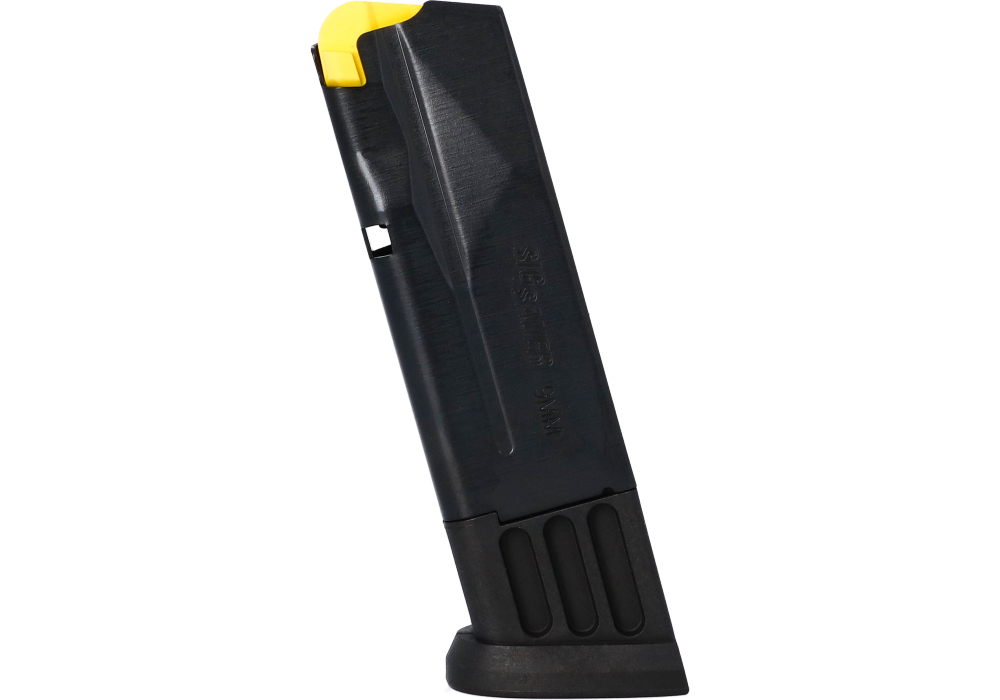
Top-selling items in Washington, D.C., provide a starting point for comparing shooting-sports equipment, protective accessories, and essentials for responsible firearm ownership. Popularity may draw attention to a category, but lasting usefulness depends on how well equipment fits its owner, its intended purpose, and the rules that apply to its possession and use. Someone preparing for supervised range visits may prioritize comfortable hearing protection, clear eye protection, and organized storage. An experienced owner may be more concerned with compatibility, familiar controls, and equipment that holds up to regular practice. Across these uses, dependable construction and straightforward maintenance matter more than appearance alone. Equipment should feel manageable rather than awkward, with controls, closures, and adjustment points that are easy to identify and operate as intended. A storage case that fits securely, protective eyewear that remains comfortable beneath hearing protection, and a carrying arrangement that keeps essential accessories organized can each contribute to a more orderly routine. For regulated purchases, suitability also includes legal eligibility and compliance with District requirements. Washington, D.C., has specific rules concerning firearms, registration, ammunition, transportation, and where possession is permitted; a purchase does not itself establish permission to possess, carry, or use an item. Requirements can differ from those in neighboring jurisdictions, and federal properties may have separate restrictions. Product descriptions and popularity rankings are not substitutes for checking applicable rules with the relevant authorities. Within that framework, a useful selection supports deliberate comparison rather than assumptions based on what other shoppers choose. The strongest match is equipment appropriate to the intended activity, compatible with the owner’s existing setup, and practical to store and maintain. For a household with limited storage space, that might mean giving particular attention to dimensions, secure access, and a layout that keeps equipment protected without creating unnecessary clutter. These considerations give a locally focused collection relevance beyond a sales ranking, connecting shopper interest with the everyday responsibilities that accompany ownership.
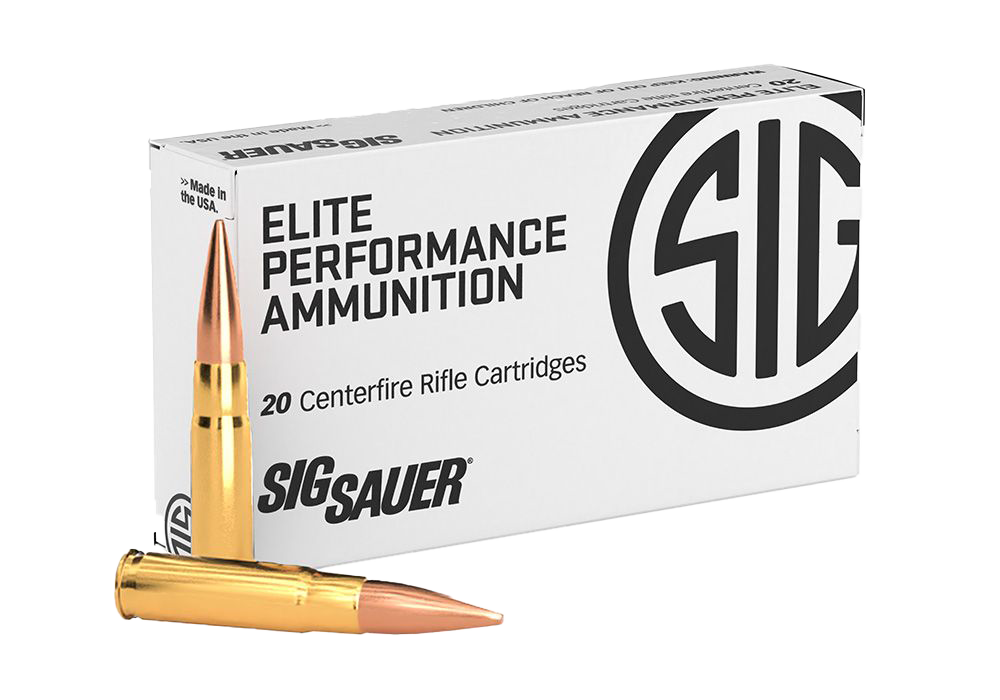
Materials and fit help explain why similar-looking equipment can perform differently over time. Metal components may use protective finishes to resist corrosion and surface wear, while reinforced polymers can reduce weight and simplify routine handling. Neither material is automatically the better choice in every application; construction quality, the role of the component, and the manufacturer’s care requirements all matter. Fabric accessories deserve the same attention. Dense woven material, reinforced seams, durable zippers, and lining that protects contact surfaces are useful details when equipment moves between secure home storage and an approved destination. A handle should feel balanced with the intended contents, and internal compartments should separate accessories without placing unnecessary pressure on delicate surfaces. Fit is equally important for equipment worn on the body. Eye protection should provide appropriate coverage without pinching at the temples, and hearing protection should maintain its intended seal when worn with eyewear. A brief try-on can reveal pressure points, slipping, or interference that becomes distracting over a longer session. Manufacturer specifications, recognized protection ratings, and instructions provide a firmer basis for comparison than styling alone. Optical equipment introduces another set of considerations, including mounting compatibility, overall dimensions, control access, and the conditions of the intended activity. Ammunition requires exact compatibility with the firearm’s specified chambering and compliance with applicable restrictions; visual similarity is not a reliable basis for selection. These are distinct product categories, but the underlying principle is consistent: each component needs to work appropriately within the complete setup. Durability is also easier to judge through concrete details than broad claims. Clear adjustment markings, secure fasteners, accessible service information, and replaceable wear components can make ownership more manageable. Protective packaging and a refined finish may create a favorable first impression, yet the details that matter most often become apparent during ordinary handling, cleaning, and storage. Equipment that is comfortable, compatible, and understandable is more likely to remain useful than something selected solely because its appearance resembles another shopper’s choice.
Care and organization preserve that usefulness after the initial purchase. Following the manufacturer’s instructions for cleaning, lubrication, inspection, and storage helps protect finishes and keeps maintenance appropriate to the materials involved. Excess cleaning solution, an unsuitable solvent, or an abrasive cloth can damage surfaces that otherwise tolerate years of normal handling. Clear lenses benefit from an appropriate cleaning method and a protected storage position rather than contact with loose accessories. Fabric storage equipment also needs attention: grit inside a compartment can scratch a finish, and a worn closure can undermine an otherwise sturdy case. Secure storage should prevent unauthorized access, with arrangements suited to the household and consistent with applicable law. Where children or visitors may be present, access control deserves particular care. Organization serves a practical purpose as well, making it easier to notice missing protective equipment, damaged components, or accessories that need attention before the next planned outing. For gift shoppers, nonregulated accessories may offer a more straightforward way to support someone’s interest in shooting sports, provided the recipient’s preferences and compatibility needs are understood. Protective equipment, storage accessories, and maintenance supplies still require thoughtful selection; fit, material sensitivity, and the equipment already owned can all affect usefulness. A gift for a new participant may emphasize comfort and organization, while an experienced enthusiast may appreciate a compatible replacement for something used regularly. Regional shoppers can also explore Top Selling Items In Maryland for another perspective on popular categories, without assuming that the same legal requirements apply across jurisdictional boundaries. For Washington, D.C., shoppers, the value of a top-selling collection lies in bringing practical considerations together: purposeful design, appropriate materials, dependable fit, and care requirements that suit the owner’s routine. Those qualities support purchases chosen for a clear reason and maintained with attention, whether the intended use is supervised practice, organized transport, or secure storage at home.