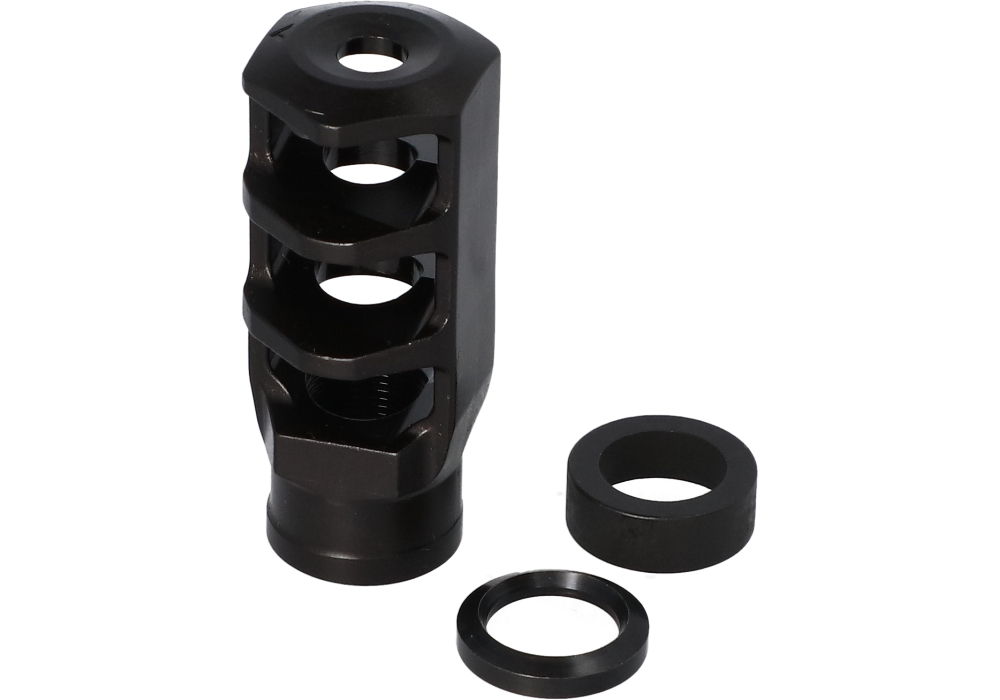
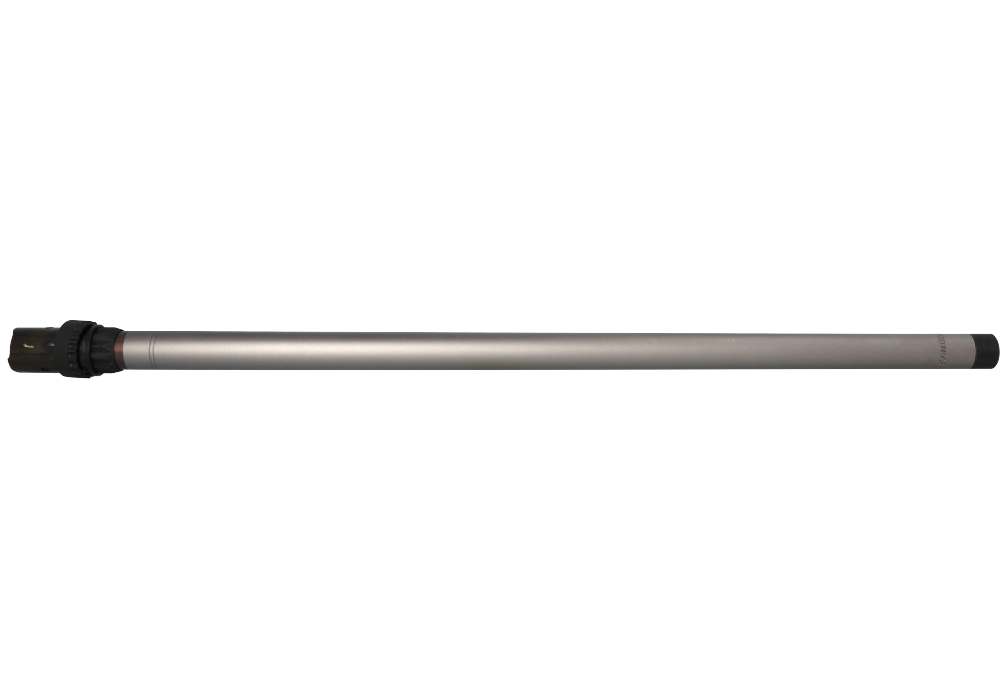
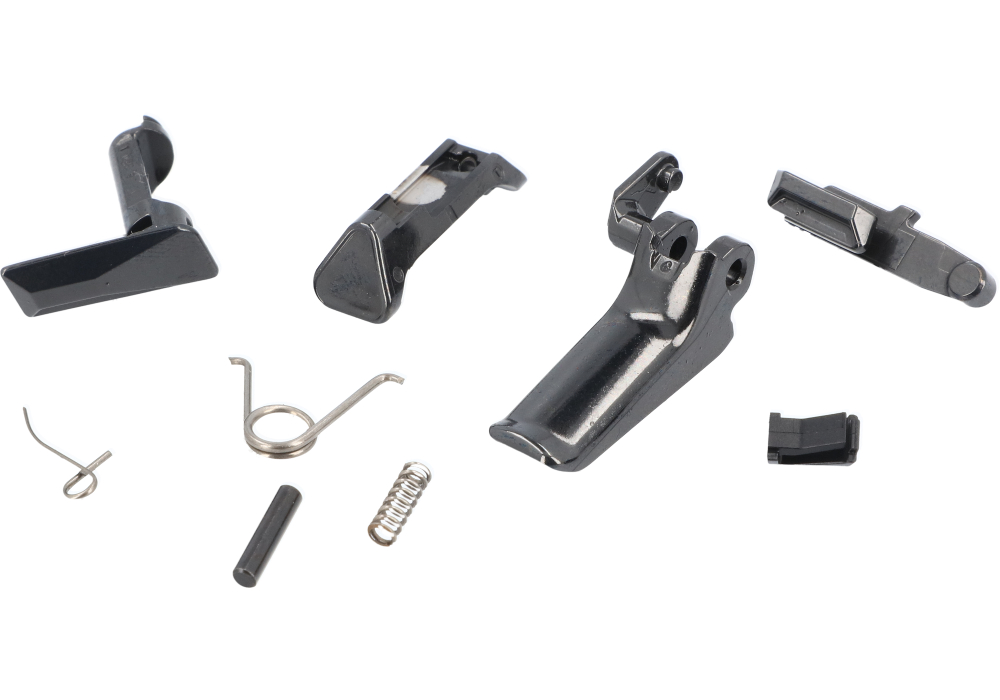
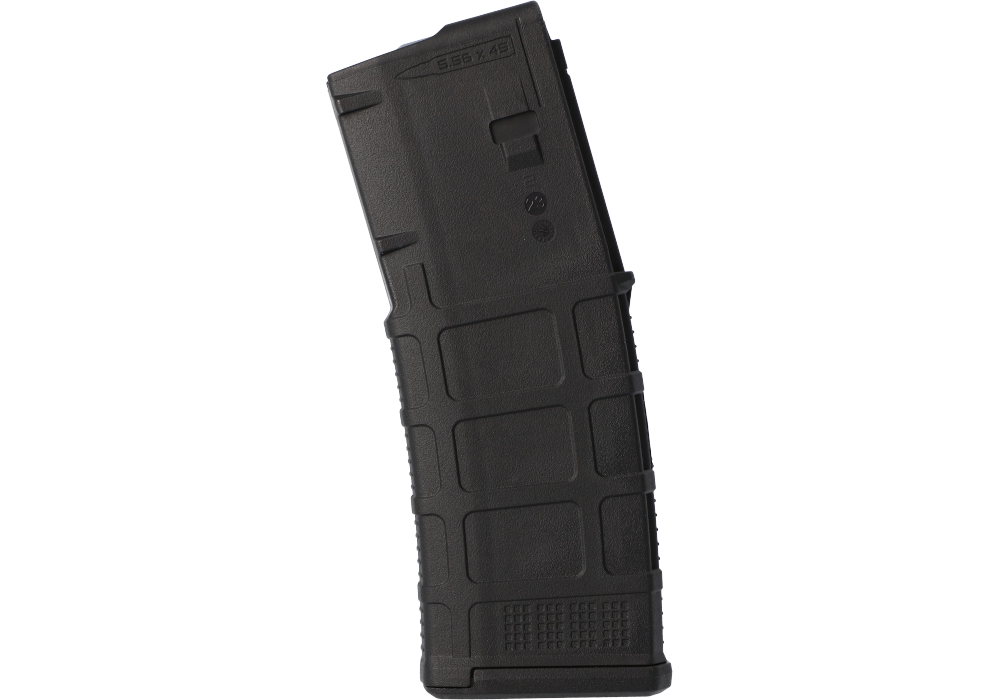
Firearm upgrade kits bring together compatible components for owners who want to refresh a supported platform, improve everyday comfort, or replace worn elements with a coordinated set. Unlike a single accessory, a kit groups parts around a defined purpose, although its contents and compatibility depend on the individual design. That distinction matters: a useful upgrade is one that suits the firearm and its owner, not simply one that changes its appearance. For someone who spends time practicing at a range, comfortable contact surfaces and a familiar feel can be more relevant than an elaborate visual treatment. A sporting enthusiast may value a configuration that remains consistent across repeated practice sessions, while an owner maintaining a well-used firearm may prioritize restoring a clean fit and dependable condition. Compatibility is the foundation of any selection. Similar names, shared styling, or membership in the same firearm family do not necessarily mean that components are interchangeable. Model, generation, size, and configuration can all affect whether a kit is appropriate, and the manufacturer’s compatibility information should resolve those details before purchase. Photographs help communicate shape and finish, but they cannot establish fit by themselves. A clearly described kit should identify its intended application, explain what is included, and distinguish included components from anything shown for illustration. Installation requirements deserve equal attention. Some sets are intended for straightforward replacement within a supported system, while others require evaluation or installation by a qualified gunsmith. Neither a coordinated package nor a familiar appearance should be treated as a promise of universal compatibility. The most satisfying choice usually has a specific purpose behind it: addressing an uncomfortable surface, refreshing parts that show wear, or bringing a supported configuration into closer alignment with the owner’s preferences. A kit should solve a recognizable need without introducing uncertainty about fit, function, or care. It should also leave the owner with a clear understanding of what changes and what remains unchanged, rather than relying on broad claims about transformation.
Materials influence how upgrade kits feel in the hand, how their surfaces age, and what kind of maintenance they require. Steel, aluminum, and engineered polymers each offer different combinations of weight, rigidity, texture, and resistance to everyday wear. None is automatically the best choice for every component. The material needs to suit the component’s role, and surface treatments should be considered alongside the underlying construction rather than as a substitute for it. A smooth exterior may be comfortable against the hand or clothing, while a more textured surface can feel more secure during ordinary handling. The right balance depends on personal preference and intended use; aggressive texture is not inherently better if it becomes distracting during a long practice session. Edges, seams, and transitions between adjacent surfaces also affect the overall impression of quality. An upgrade that looks coordinated in a photograph should still feel comfortable where the owner actually touches it. Durability is similarly practical. Repeated handling, time in a protective case, cleaning, and routine use all leave their own marks, and cosmetic wear is not always the same as a functional concern. Scratches, looseness, cracking, or changes in fit should be assessed according to the manufacturer’s recommendations rather than dismissed because a component still looks serviceable from a distance. Care requirements can vary across materials and finishes, especially when cleaning chemicals are involved. Products suitable for one surface may not be appropriate for another, so the kit’s care information should remain part of the owner’s reference materials. Routine upkeep should follow the firearm and component manufacturers’ instructions, with the firearm unloaded before inspection or maintenance. Any uncertainty about interference, movement, or proper function belongs with a qualified professional. The value of durable construction is not freedom from attention; it is a design that supports predictable use and sensible maintenance over time.
Choosing among upgrade kits is ultimately about matching a coordinated set to a real ownership routine. Picture a range bag opened on a bench: protective equipment, a case, cleaning supplies, and a firearm whose controls and contact surfaces already feel familiar. A worthwhile change should fit naturally into that routine, rather than creating new complications with storage, existing accessories, or basic upkeep. Owners who already use a fitted case or other closely matched equipment should consider whether a different exterior profile will affect that fit. Those who share a firearm for supervised range practice may place particular value on a configuration that feels comfortable to more than one person. Someone who prefers a consistent setup may be better served by a focused refresh than by changing several unrelated features at once. For shoppers comparing a related platform category, Upgrades For AR 15 offers another way to browse options by firearm family, with compatibility still determined by the requirements of each kit. Upgrade kits can also be thoughtful gifts for knowledgeable firearm owners, provided the recipient’s exact platform and preferences are known. Familiarity with the recipient’s shooting interests is helpful, but it does not replace confirmation of model compatibility or preferred materials, texture, and appearance. A gift chosen around an established preference is more considerate than a surprise that requires the owner to rethink a comfortable setup. For any buyer, clear documentation and realistic expectations matter more than dramatic promises. A kit cannot replace training, responsible handling, or regular practice, and a change in appearance does not establish an improvement in function. What it can offer is a coordinated approach to a specific, supported change, with components selected to work within stated requirements. When fit, materials, care, and intended use all align, an upgrade feels less like an experiment and more like a considered addition to equipment the owner understands and enjoys using.