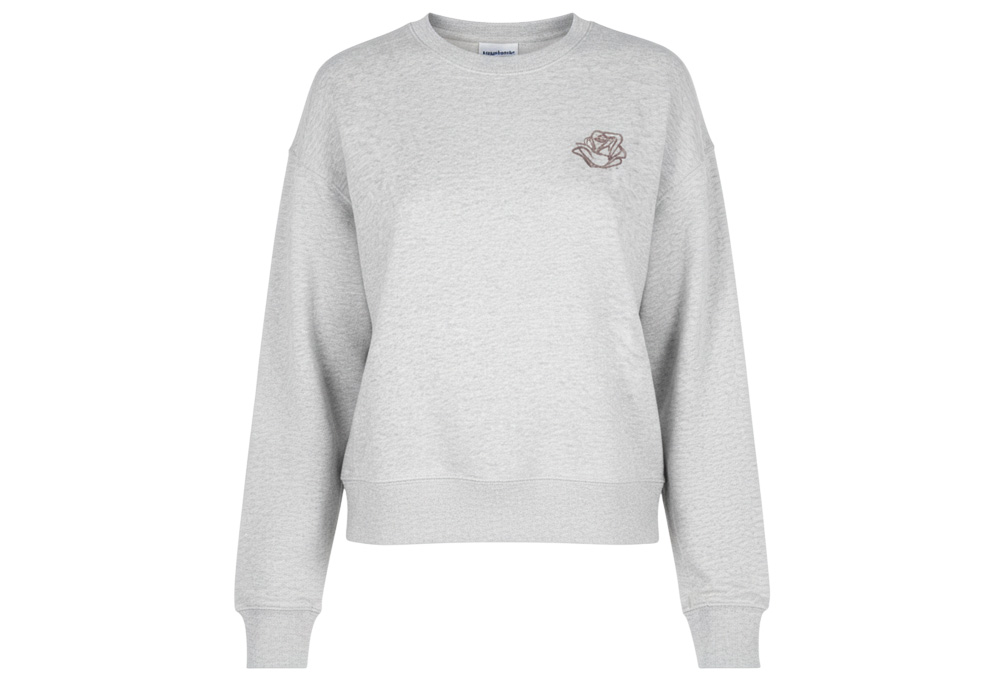
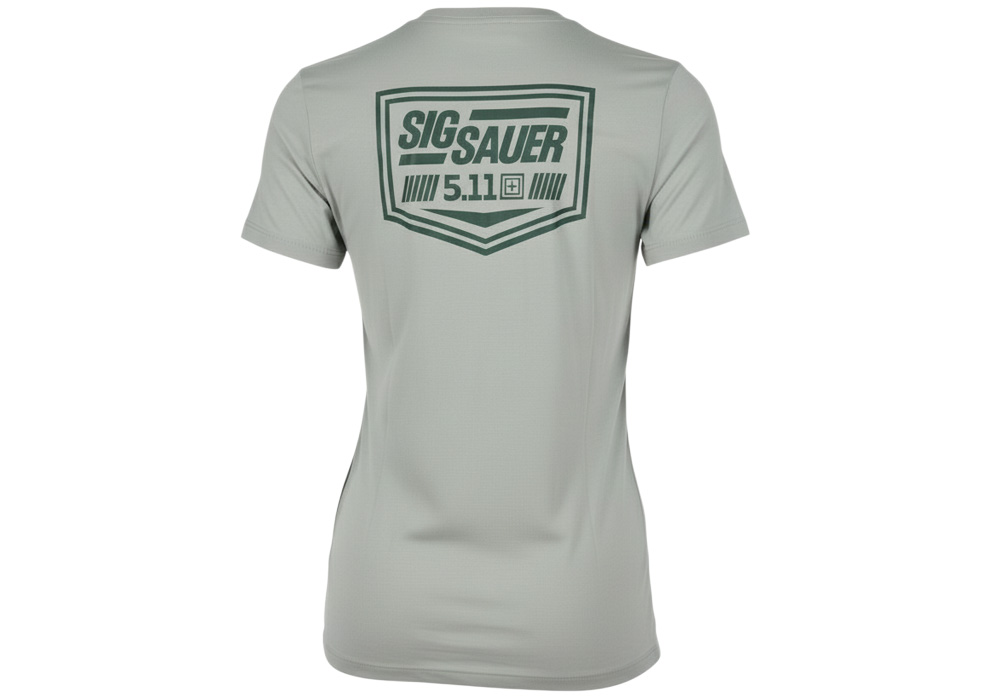
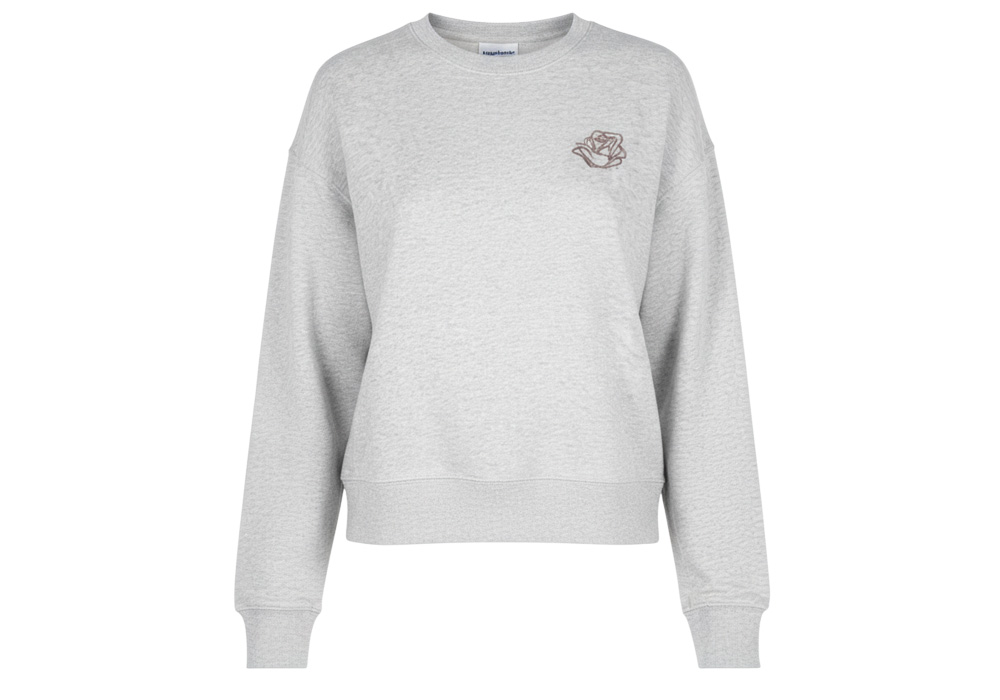
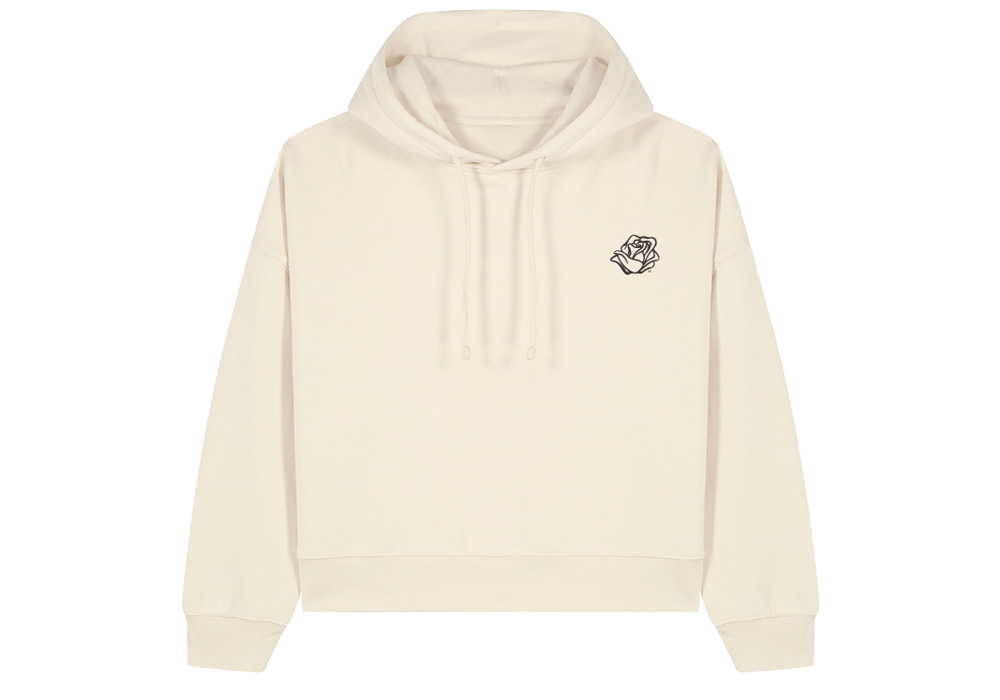
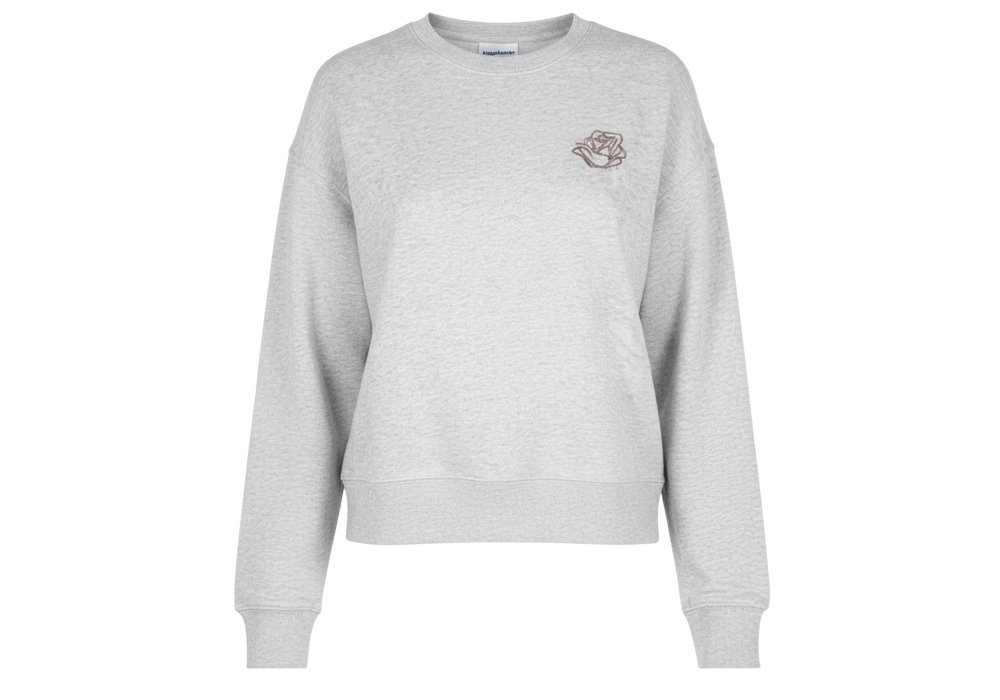
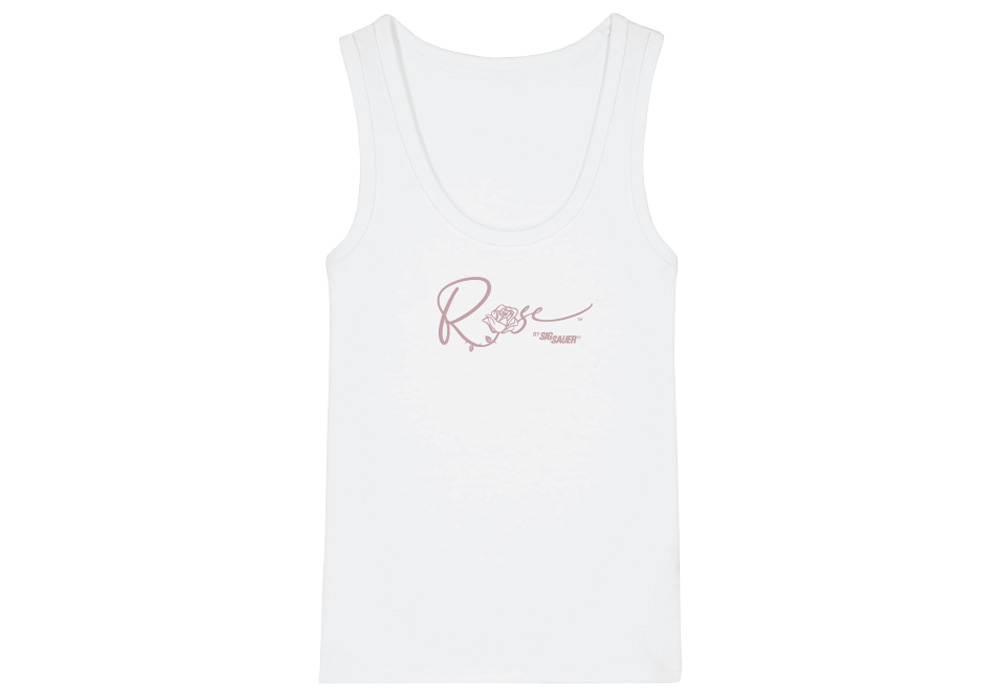
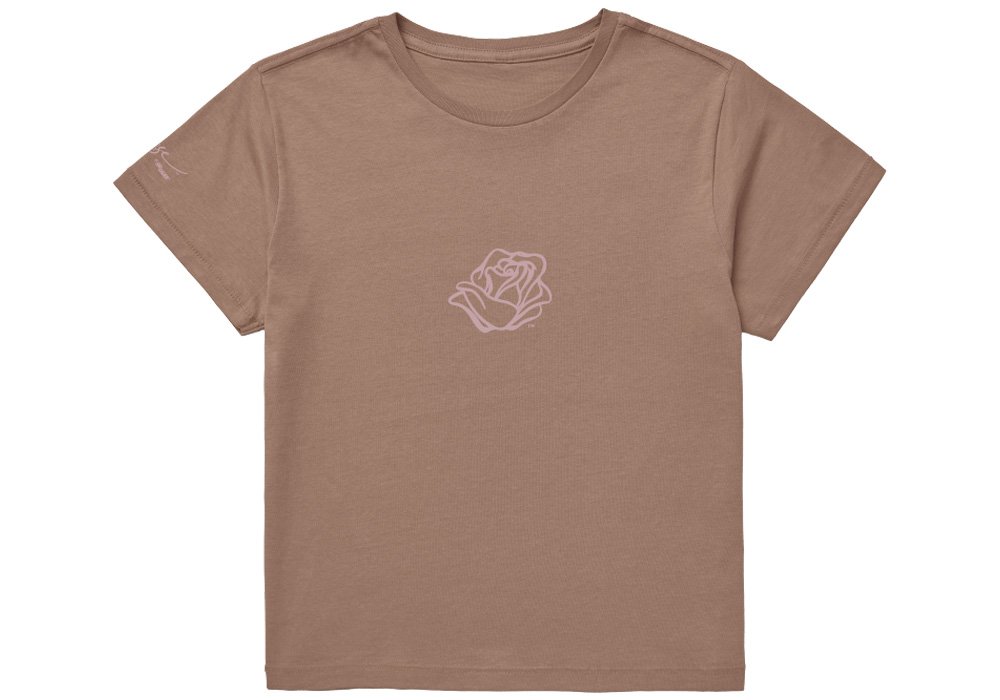
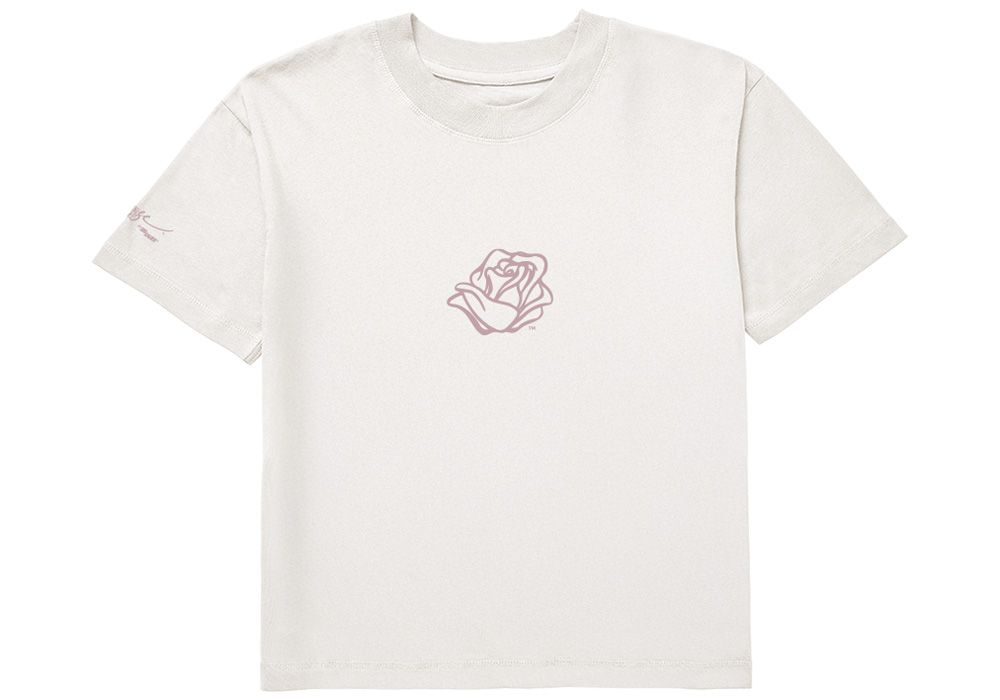
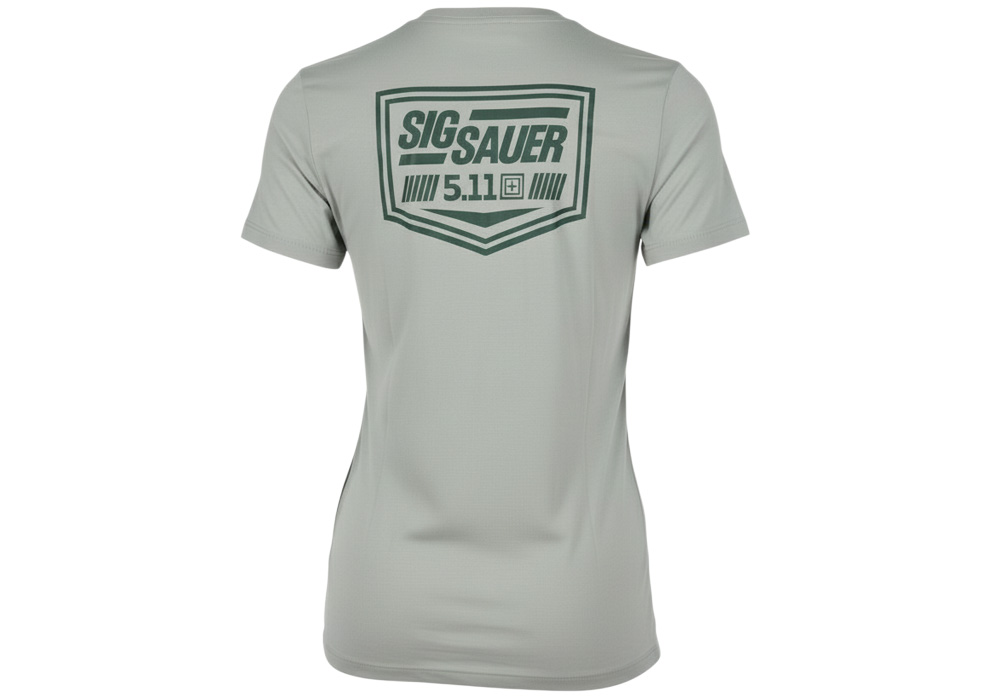
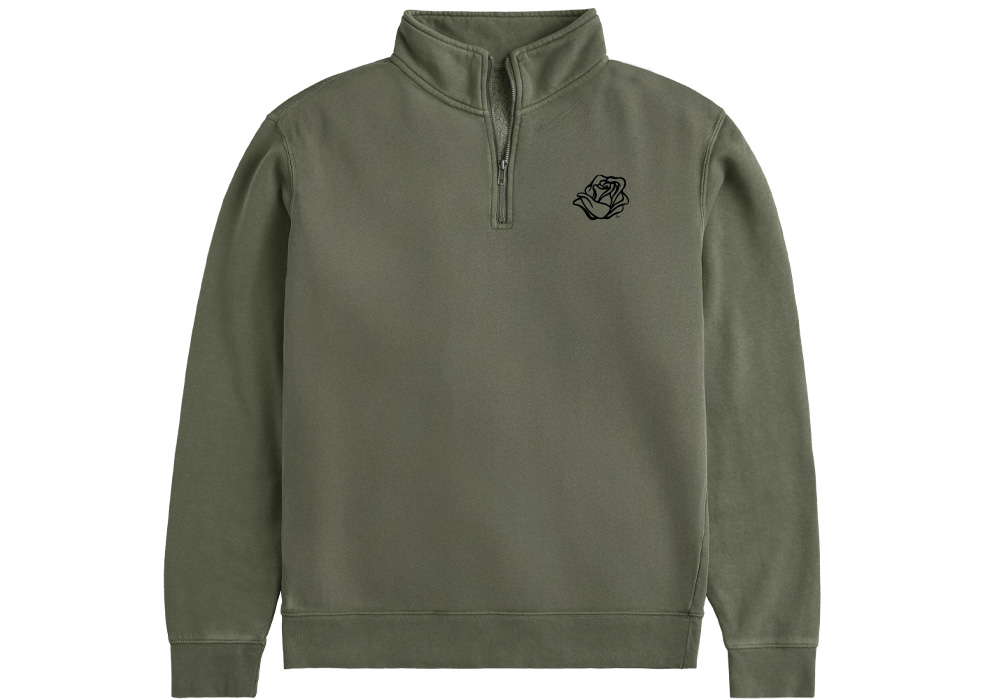
Women's casual wear centers on comfortable clothing with relaxed silhouettes, practical details, and enough polish for everyday plans. It sits between sleepwear and formal dressing: easy to move in, simple to coordinate, and appropriate for errands, an informal lunch, a road trip, or a day spent working from home. Within Women's Apparel, casual styles help build a wardrobe that feels personal without requiring elaborate outfit planning. A familiar neckline, a comfortable sleeve, and a hem that sits where expected can matter more than a passing trend. Fabric plays a large part in that experience. Cotton is valued for its soft feel and breathability, while cotton blends can combine that familiar texture with improved shape retention or easier care, depending on their composition. A small amount of stretch may help a garment move comfortably through the shoulders, elbows, waist, or knees, though the fabric's structure also affects how well it returns to shape. Jersey knit typically has a flexible, fluid feel; fleece offers a softer interior and a more substantial texture; and structured knits can give a relaxed outfit a cleaner outline. Fabric weight matters beyond how substantial a piece feels in the hand. It influences drape, coverage, and whether a garment lies smoothly or clings when seated. Smooth surfaces can create a simple foundation for other clothing, while textured fabrics introduce visual interest without relying on bold graphics. Color has a similar role. Neutrals are easy to repeat across different combinations, and a favorite accent shade can give an otherwise understated outfit a recognizable personality. The strongest everyday combinations usually share a sense of proportion and ease rather than matching perfectly. A relaxed top with a more defined lower silhouette, or a simple shirt beneath an open layer, can look intentional while keeping comfort at the center.
Fit determines whether casual clothing becomes a regular favorite or stays folded in a drawer. A relaxed fit should provide room to move without requiring constant adjustment, and a closer fit should follow the body without pulling across the chest, upper arms, or hips. Size labels alone cannot describe those differences. Shoulder placement, sleeve width, torso length, and the shape of the hem all influence how a garment feels during ordinary activities. Reaching for something on a shelf, sitting through a long drive, or bending to tie a shoe can reveal fit issues that are not obvious while standing still. Longer hems may offer additional coverage, while shorter proportions can sit more neatly with a higher waist. Neither is inherently better; the useful choice depends on body proportions, preferred coverage, and how the clothing will be worn. When one piece is intended to sit over another, sufficient room through the sleeves and torso helps prevent bunching. Necklines also affect daily comfort, especially for someone who prefers an open shape or wants coverage that stays consistent while moving. Construction details deserve equal attention. Even stitching, secure seam intersections, and necklines that retain their shape contribute to a tidy appearance after repeated wear. Seams should lie comfortably against the skin rather than creating distracting bulk, particularly at the underarm or waistband. Where pockets are present, placement can affect both convenience and silhouette; a useful pocket should be accessible without pulling the surrounding fabric out of line. Cuffs and waistbands should feel secure without leaving the wearer focused on them throughout the day. These details matter to anyone balancing several kinds of activity in one outfit, from a morning appointment to an afternoon at a desk and a relaxed dinner afterward. Casual clothing earns its place through that kind of repeat usefulness, with enough freedom for movement and enough structure to feel put together.
Care and durability are closely connected in an everyday wardrobe because frequently worn clothing also goes through frequent laundering. Fiber content, knit structure, surface treatments, and decorative details can require different handling, so the sewn-in care label is the most reliable reference for each garment. Separating similar colors, avoiding overloaded wash cycles, and using an appropriate detergent can help limit unnecessary wear. Turning printed clothing inside out may reduce abrasion against the design, provided that approach agrees with the care instructions. Drying deserves attention as well: excessive heat can affect some fibers, elastic components, and surface decoration, while reshaping a garment before it dries can help preserve its intended outline. Clothing should be fully dry before storage, and heavier knits often keep their shape better folded than suspended from a narrow hanger. Durability is not simply a matter of choosing the thickest fabric. A balanced knit, sound stitching, and suitable care all contribute to how a piece holds up, while the intended use determines which qualities matter most. Someone who spends hours seated may value a smooth waistband and fabric that resists persistent creasing; someone frequently on the move may prioritize flexible construction and seams that remain comfortable through repeated motion. Casual apparel can also be a thoughtful gift when the recipient's preferences are familiar. A known size, a favored color, and an established preference for relaxed or closer silhouettes provide a better starting point than guessing at a new look. Fabric feel matters, too, particularly for someone sensitive to coarse textures, prominent seams, or restrictive necklines. The most personal choices often reflect an existing routine: clothing for quiet time at home, easy weekend outings, or a comfortable change after a demanding day. Whether selected for daily wear or as a gift, women's casual clothing has lasting value when its fabric, fit, and care needs suit the person who will actually wear it.