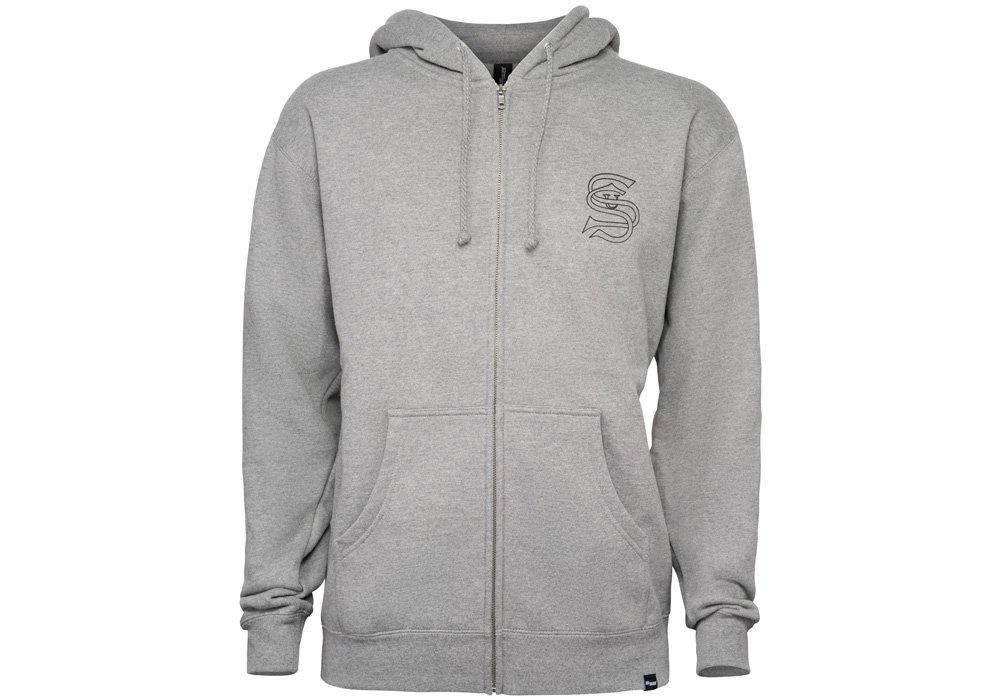
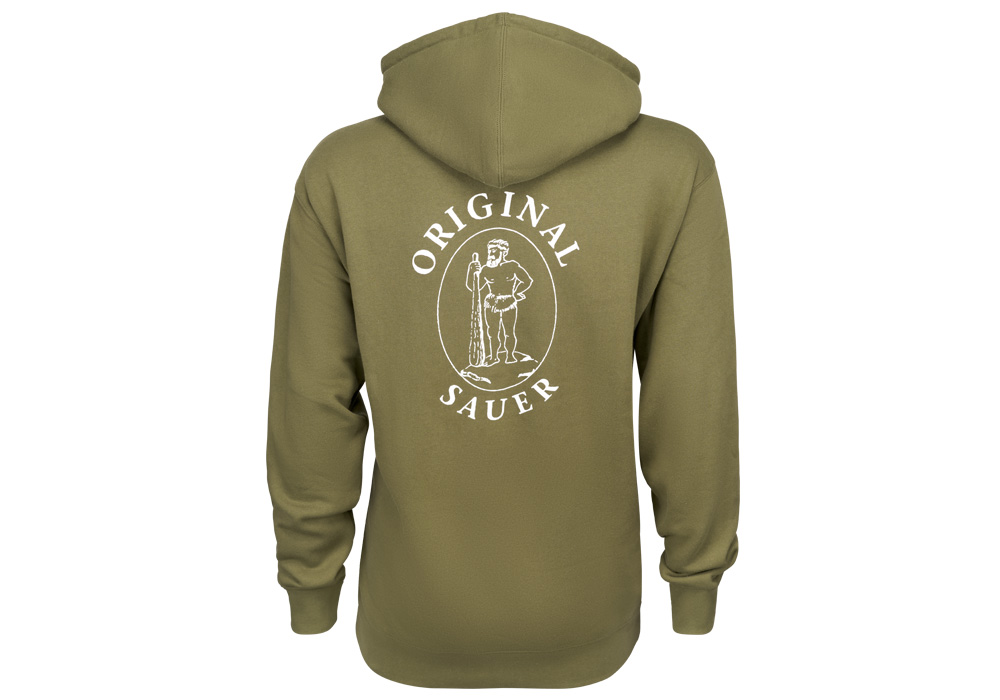
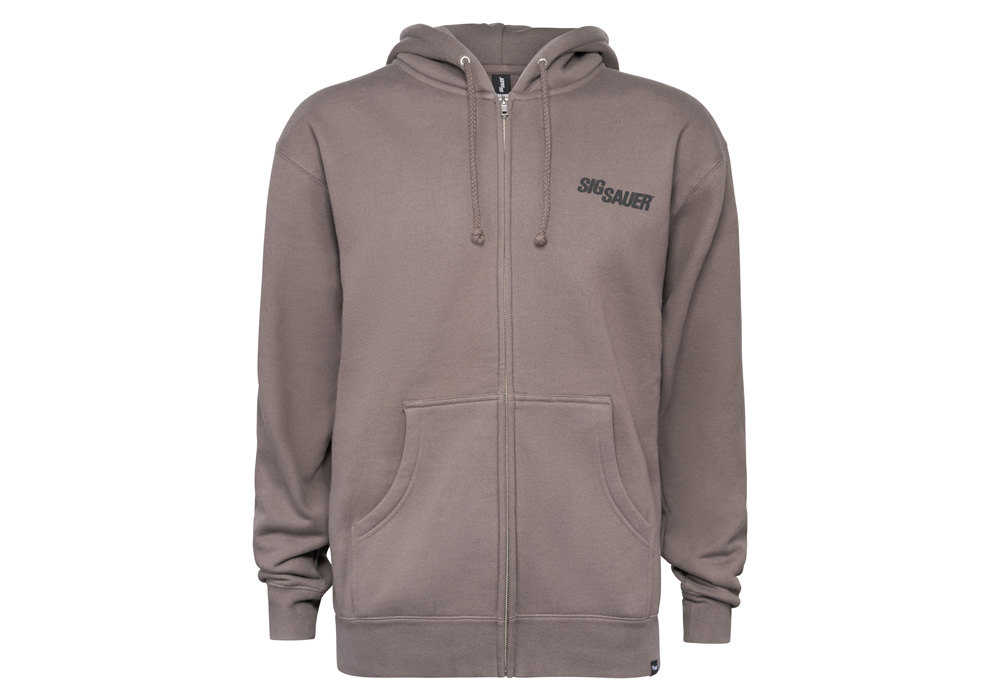
Men's zip-up hoodies combine the familiar comfort of a sweatshirt with a front opening that makes layering straightforward. A full-length zipper lets the hoodie sit open over a T-shirt or close neatly across the chest, without pulling the garment over the head. That simple difference is useful throughout an ordinary day, from getting dressed before an early commute to heading to the gym or settling in after work. The appeal is practical as much as visual: a hood, an easygoing silhouette, and accessible pockets give this everyday layer a familiar place in a casual wardrobe. Fabric plays a large part in how a zip-up hoodie feels and wears. Cotton offers a soft hand and a familiar sweatshirt feel, while polyester can contribute to quicker drying and shape retention. Cotton-polyester blends balance those qualities in different proportions, so fiber content is worth considering alongside fabric weight and texture. A brushed fleece interior feels plush against a shirt, while an unbrushed loopback interior has a more textured surface and often a less lofty feel. Neither construction automatically determines quality; the density of the knit, consistency of the stitching, and finishing at the edges all matter. Lightweight fabrics tend to fold compactly and layer with less bulk, while heavier knits usually have more structure and a substantial drape. Stretch fibers, when included, can help the garment move comfortably at the shoulders and elbows. The right fabric depends on the routine it needs to support. Someone who keeps a hoodie in a gym bag may appreciate easy care and a compact profile, while someone who wears one for long stretches at a desk may place more value on a soft interior and cuffs that sit comfortably at the wrists. These details distinguish a hoodie that simply looks right from one that earns regular wear.
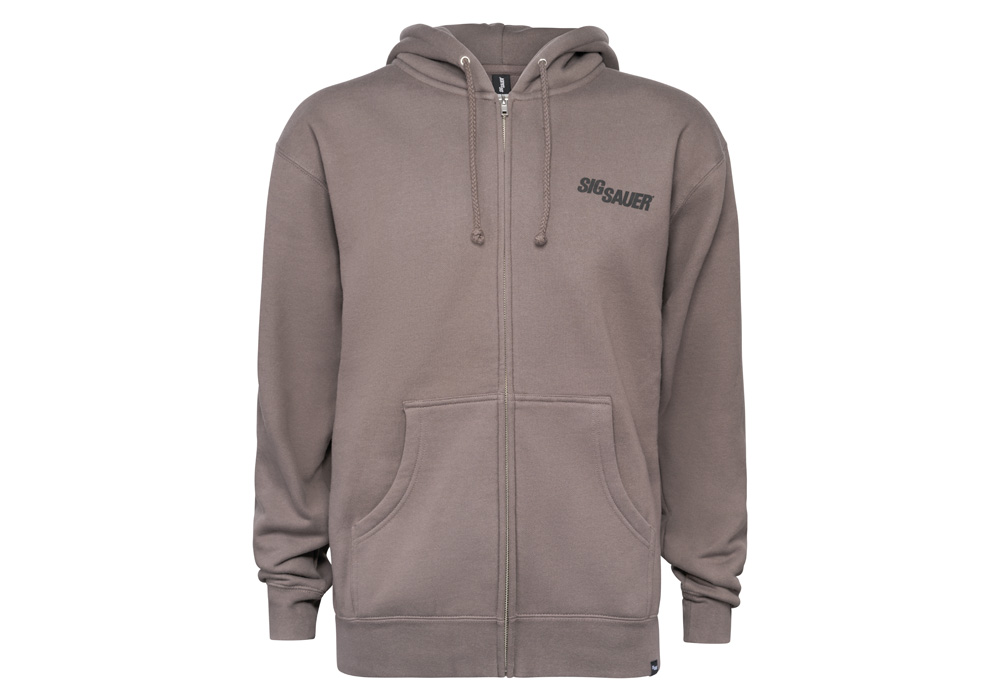
Fit shapes both the appearance and the usefulness of a men's full-zip hoodie. A closer silhouette generally sits neatly beneath another layer, while a regular fit leaves room for an everyday shirt without looking especially loose. A relaxed cut provides more space through the body and sleeves, though extra fabric can bunch beneath a fitted jacket or collect around the waist when seated. Size labels alone do not describe those differences, which is why garment measurements and fit descriptions are more useful than assuming every sweatshirt follows the same proportions. Shoulder seams should sit comfortably, sleeves should allow an easy bend at the elbow, and the body should remain comfortable with the zipper closed. Reaching toward a shelf or leaning forward at a desk can reveal pulling across the upper back that is less noticeable when standing still. Length matters, too: a shorter body can ride above the waistband during movement, while an especially long hem may gather in the lap. Ribbed cuffs and hems help define the shape, but they should not feel restrictive. The zipper deserves the same attention as the fabric. A smooth-moving slider, secure attachment, and even alignment help the front lie cleanly rather than twist or ripple. The neckline should feel comfortable fully zipped, without a stiff edge pressing beneath the chin. Hood shape affects how the garment rests behind the neck, especially when worn under another layer. Drawcords offer adjustment on designs that include them, while simpler hood openings create a cleaner outline. Pocket construction also changes daily use. Split front pockets provide a convenient resting place for hands, but open pockets are not secure storage for valuables during movement. Well-finished pocket edges and reinforced attachment points help withstand repeated use. Visually, restrained colors and subtle graphics tend to coordinate easily with jeans, joggers, and casual pants, while more prominent designs give the hoodie a stronger role in the outfit. The best match is the one that works with clothes already worn regularly, rather than requiring a different wardrobe around it.
Durability in zip-up hoodies comes from the relationship between the fabric, construction, and care routine, not simply from how thick the garment feels. Even stitching, tidy seams, resilient ribbing, and securely attached hardware are useful signs of thoughtful construction. Areas that receive frequent friction, including the cuffs, underarms, pocket openings, and sides, deserve particular attention because they often show wear before the rest of the garment. Some surface pilling can occur as fibers rub together, and its appearance varies with the fabric blend, knit, and use. Following the care label helps protect both the fabric and the garment's shape. Fastening the zipper before washing can reduce snagging, while turning the hoodie inside out helps limit friction against the outer surface and any printed decoration. Washing with similar fabrics rather than rough hardware or hook-and-loop closures can also help preserve the finish. Drying instructions matter because excessive heat can affect shrinkage, elastic recovery, and printed details. A hoodie should be fully dry before it is folded or put away, and heavy garments often keep their shape better folded than suspended for long periods from narrow hangers. For gifting, a zip-front sweatshirt is a useful option for a partner, parent, sibling, friend, or adult student whose everyday style is already familiar. A recipient who favors clean, understated clothing may appreciate a simple silhouette, while someone who enjoys expressive casual wear may prefer a more visible graphic. Checking the measurements of a sweatshirt the recipient already likes can provide a better reference than guessing from height alone. The Men's Hoodies for Labor Day collection offers another starting point for occasion-based browsing. Whether intended for commuting, casual gatherings, gym visits, or downtime at home, a well-chosen zip-up hoodie brings together comfortable proportions, a pleasing fabric feel, and details that hold up to repeated wear. Those everyday qualities are what help it become a dependable part of a regular clothing rotation.